




Cost to Change Electrical Panel: Top 3 Essential Facts
Cost to change electrical panel is a topic of great importance for homeowners today. Not only are modern electrical panels crucial for safety and energy efficiency, but they also play a vital role in ensuring that our homes can handle the increasing demands of new technology. For a typical homeowner, the cost to change electrical panel can range from $550 to $3,000, with an average cost hovering around $1,300. Understanding these costs and the underlying factors can help you make informed decisions about when and how to upgrade your electrical system.
Electrical panels are the heart of your home’s electrical system. They not only distribute power safely throughout your home but also protect against potential hazards like electrical fires. As technology evolves, having an efficient and up-to-date panel is essential for energy management. It ensures that your home appliances work smoothly, optimizing power use and preventing unexpected outages.
As Tyler Tranni, the owner of Tranni Home Remodeling, I’ve dedicated my career to helping homeowners in Billerica, MA, improve their living spaces with top-notch craftsmanship. With years of experience, I’ve guided many through the cost to change electrical panel, ensuring they receive reliable, high-quality service without unnecessary stress.
What Is an Electrical Panel?
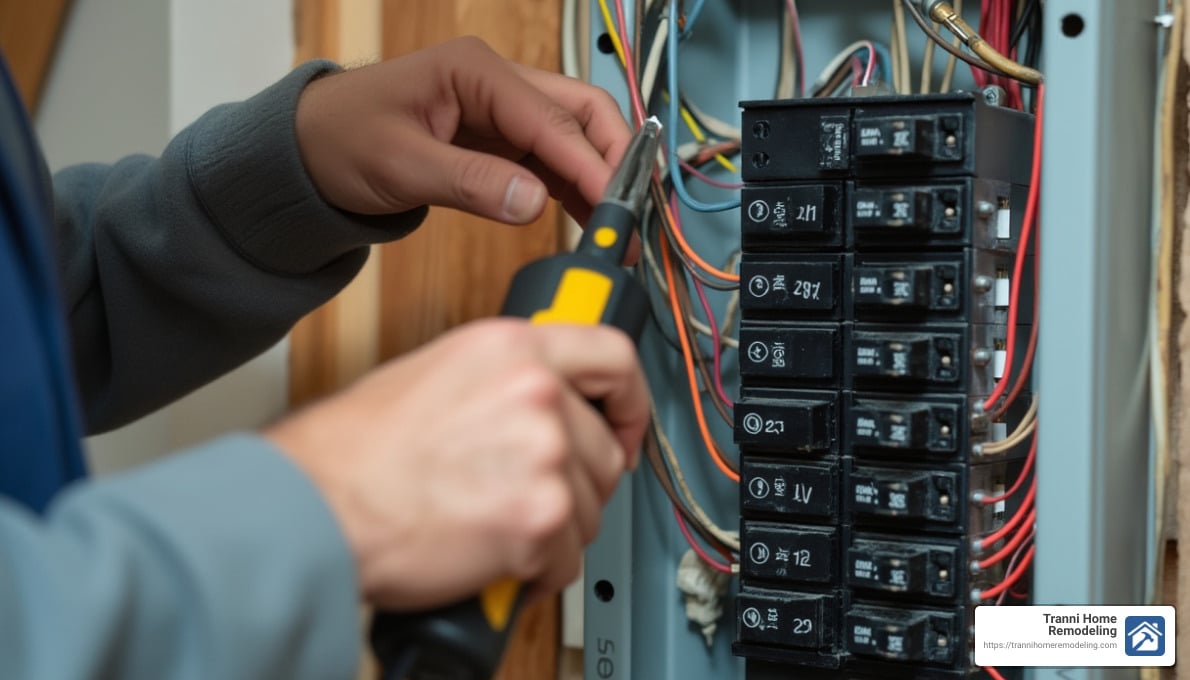
An electrical panel is like the brain of your home’s electrical system. It controls the flow of electricity from the power grid into your home, distributing it to various circuits that power your lights, appliances, and all things electric. This central hub is critical for both power management and safety.
Power Interface
Think of the electrical panel as a busy intersection where electricity enters your home. It takes the incoming power and divides it into individual circuits. Each circuit is like a road leading to different parts of your home, ensuring that everything from your refrigerator to your phone charger gets the right amount of electricity.
- Circuit Breakers: These are switches inside the panel that control the flow of electricity. If there’s too much power (an overload), the breaker “trips” and cuts off the flow to prevent damage or fire.
- Fuses: Older panels might use fuses instead of circuit breakers. They serve the same purpose but work differently. Fuses melt when overloaded, cutting off the circuit. While effective, they aren’t as convenient as breakers, which can be reset.
Safety
Safety is a top priority for electrical panels. They protect your home from electrical hazards like fires and shocks. Modern panels with circuit breakers are designed to quickly respond to any issues, shutting off power to prevent accidents.
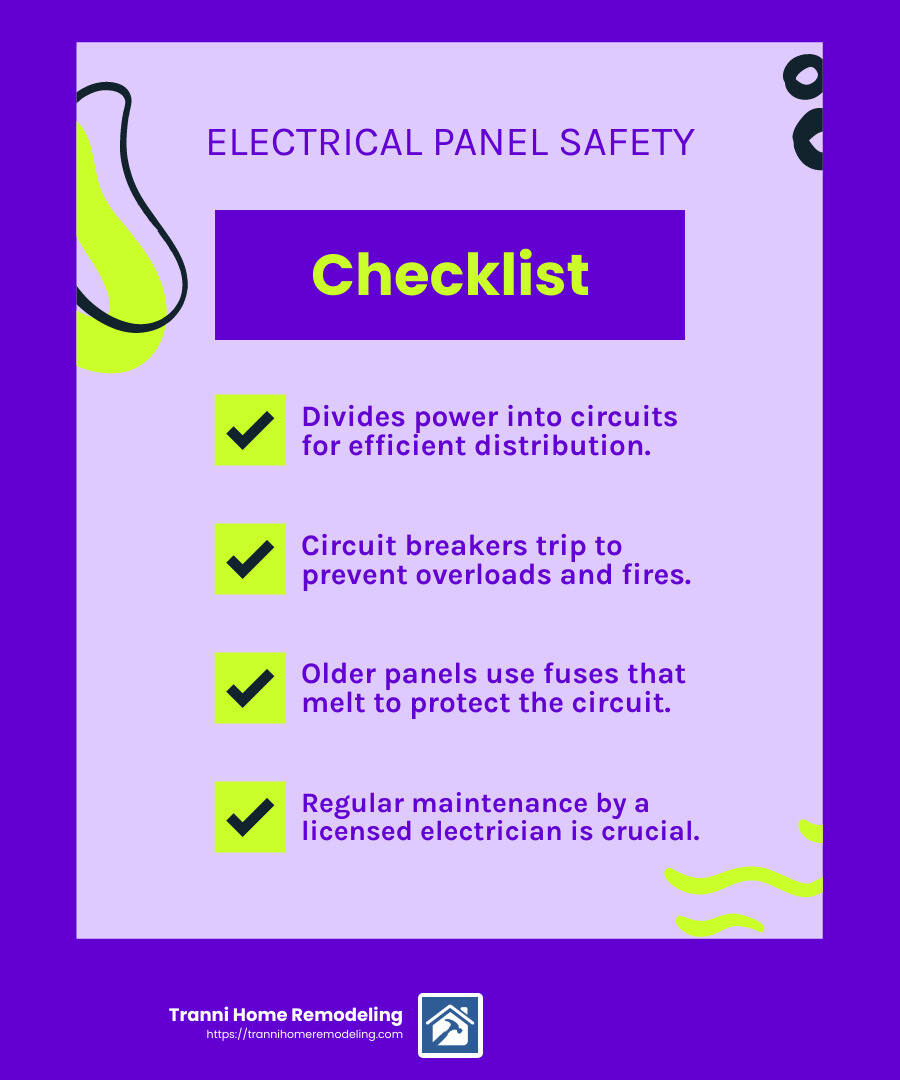
Regular maintenance by a licensed electrician is key to ensuring your panel works correctly. This includes checking connections, labeling breakers, and inspecting for damage.
Why It Matters
Having an up-to-date electrical panel is more than just about keeping the lights on. It’s about ensuring the safety and efficiency of your home’s electrical system. As technology advances, so does our need for more power. A modern panel can handle these demands, preventing frequent tripping and potential hazards.
In the next section, we’ll explore the signs that indicate your electrical panel might need an update, helping you decide when it’s time for a change.
Signs Your Electrical Panel Needs an Update
Knowing when to update your electrical panel is crucial for your home’s safety and efficiency. Here are some key signs that it’s time for an upgrade.
Electrical Issues
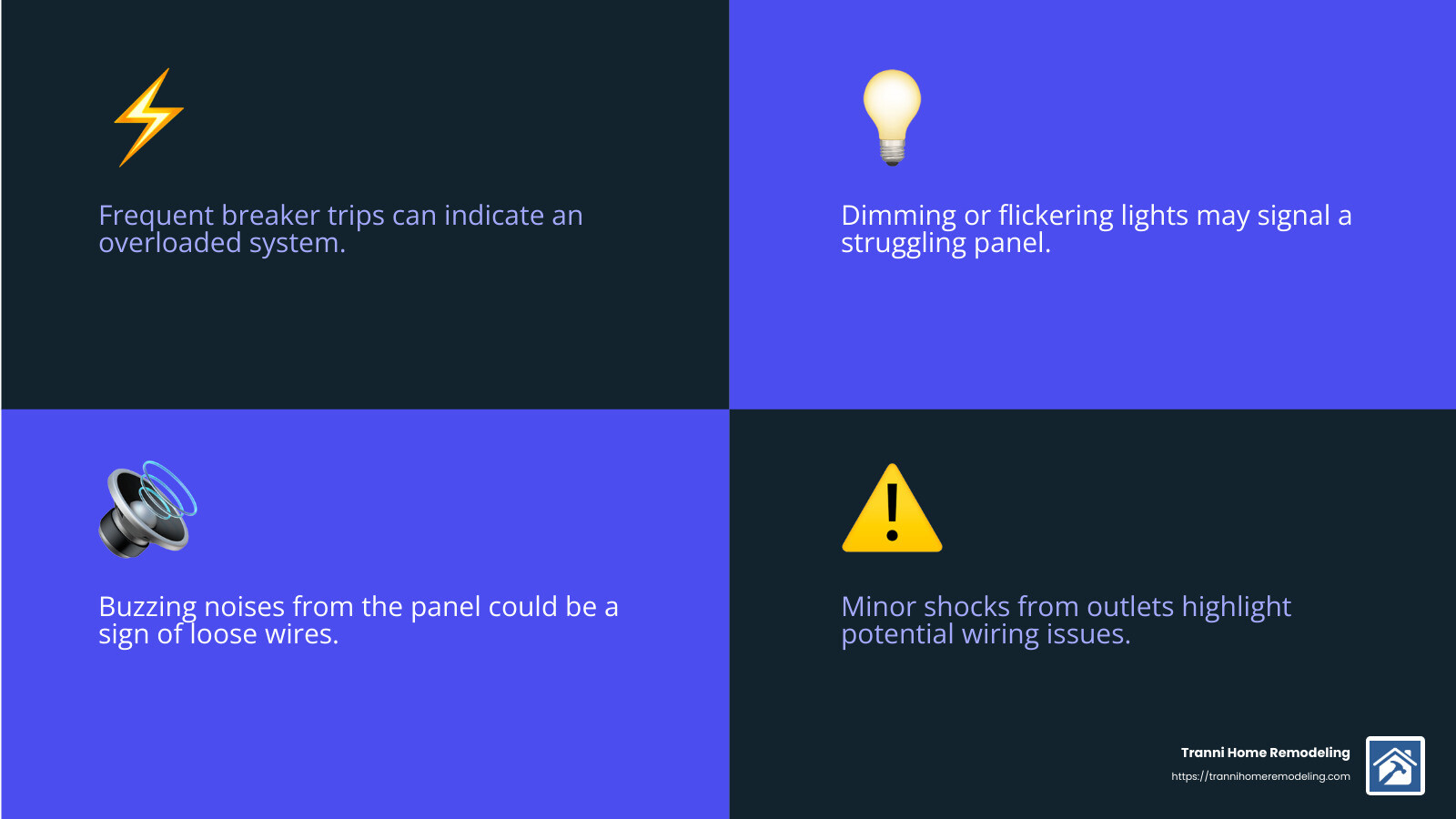
If you’re constantly resetting tripped breakers, it might be more than just a minor inconvenience. Frequent tripping can signal an overloaded panel or faulty wiring. Dimming or flickering lights, unusual noises like buzzing, and even minor shocks from outlets are other red flags. These issues often indicate that your panel is struggling to distribute power safely and effectively.
Safety Concerns
Safety should always be a top priority. Old or damaged panels pose significant risks, including electrical fires. Each year, electrical problems cause over 51,000 fires, often due to overheating wires. Rust and corrosion on the panel itself are signs of water damage, which can lead to dangerous short circuits. Even if you’re not experiencing obvious problems, older panels may not meet modern safety standards, making an upgrade a smart preventive measure.
Energy Efficiency
An outdated panel can also be a drain on your wallet. Older panels might not limit power draw efficiently, leading to higher electricity bills. They can also allow circuits to overload, causing wear and tear on wires and wasting energy. Upgrading to a newer, more efficient panel can help reduce these costs. A smart panel, for instance, can optimize energy use and improve your home’s efficiency.
Changing Needs
Our energy needs are evolving, especially with the rise of electric vehicles and smart home technology. If your panel is already struggling to meet your current needs, it might be time to upgrade. The National Electric Code recommends a minimum capacity of 100 amps, but many homes are moving to 200-amp panels to accommodate future demands. This is especially important if you’re considering projects like installing an EV charger or upgrading kitchen appliances, which require more power.
In conclusion, keeping an eye on these signs can help you decide when it’s time to update your electrical panel, ensuring your home remains safe, efficient, and ready for the future. Next, we’ll explore the costs associated with changing your electrical panel.
Cost to Change Electrical Panel
Changing your electrical panel is a significant investment, but it’s essential for home safety and efficiency. Understanding the costs involved will help you budget effectively.
Average Cost to Change Electrical Panel
The cost to change electrical panel typically ranges from $550 to $3,000, with most homeowners spending around $1,300. The price can vary depending on the panel’s amperage and the specific work needed. A basic panel might cost between $250 and $450, but labor and additional components can increase the total cost.
Factors Affecting the Cost to Change Electrical Panel
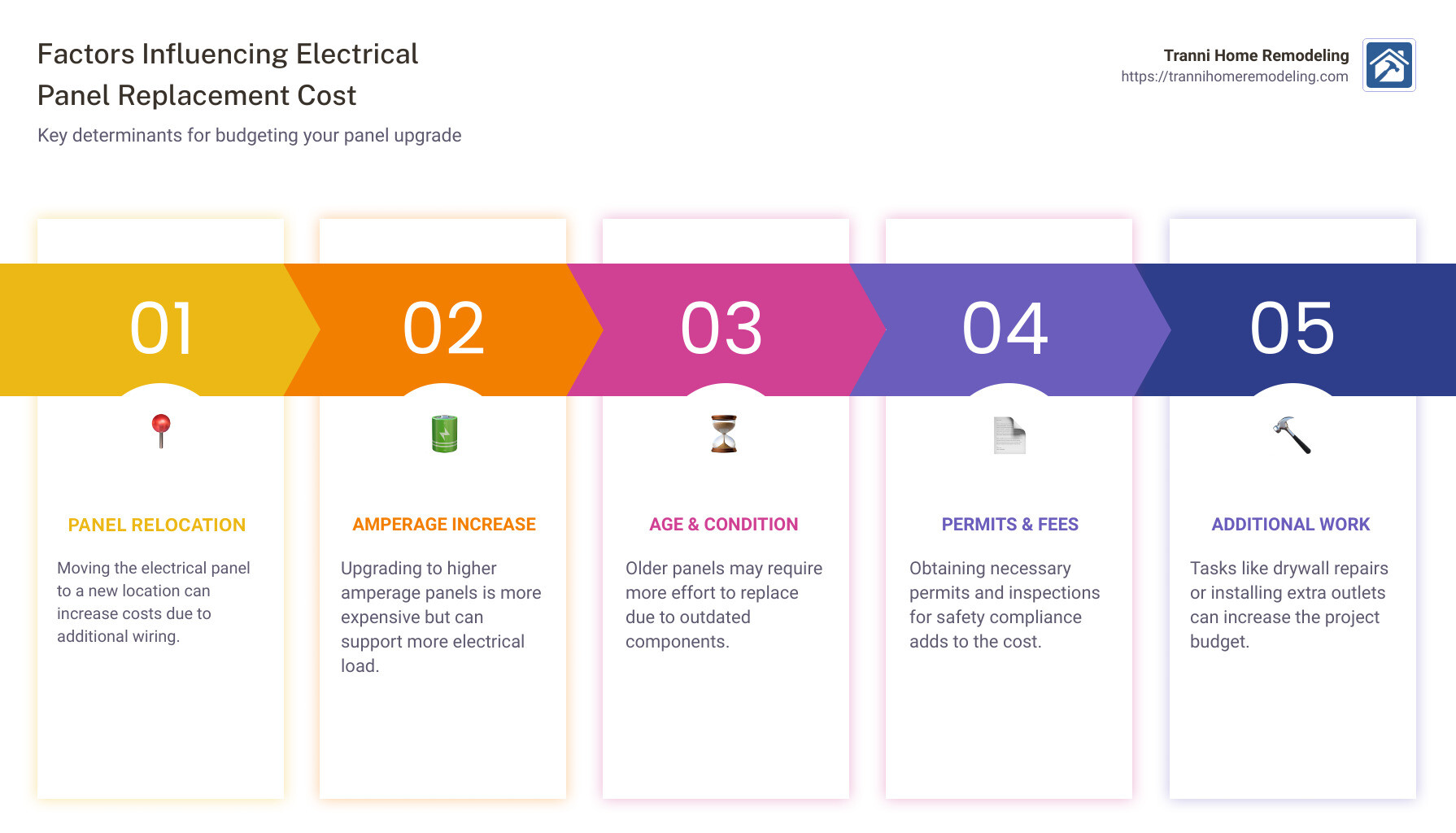
Several factors can influence the final cost:
- Panel Relocation: If you need to move your panel to a new location, expect to pay more. Relocating a panel can add $1,000 to $3,000 to your bill due to the extra labor and materials required.
- Amperage: The panel’s amperage significantly affects the cost. A standard 100-amp panel is cheaper, while a 200-amp panel, which is more common in modern homes, can cost more due to its higher capacity.
- Age and Condition of Existing Wiring: If your home’s existing wiring is outdated or damaged, you might need additional repairs or replacements. This can add to the cost, as it requires more labor and materials.
- Trenching: If your panel requires a new connection to the utility lines, trenching might be necessary. This involves digging to lay new cables, which can be costly depending on the length and difficulty of the trench.
Labor Costs
Labor is often the most significant part of the expense when changing an electrical panel. Electricians typically charge between $50 and $150 per hour, and the job usually takes four to eight hours. This means labor alone can range from $200 to $1,200.
Understanding these costs and factors can help you plan and budget for your electrical panel replacement. Next, we’ll discuss additional costs you might encounter during the replacement process.
Additional Costs Associated With Electrical Panel Replacement
Replacing an electrical panel often comes with extra costs beyond the panel and labor. Being aware of these can help you budget more effectively and avoid surprises.
Additional Outlets
When replacing your electrical panel, it’s a good time to consider adding more outlets. This can save you money in the long run because your electrician is already on-site. Installing new outlets typically costs between $100 and $200 each, depending on the location and complexity of the wiring needed.
Drywall Repairs
Sometimes, accessing the electrical panel means cutting into drywall. If this happens, you’ll need to repair the wall afterward. While some electricians can handle minor drywall repairs, you might need to hire a handyperson. Expect to pay around $60 to $100 per hour for these services, with most small repairs taking one to two hours.
Permit Fees
Electrical panel replacements usually require permits from your local government. Permit fees can range from $50 to $350, depending on where you live. While your electrician often handles obtaining the permit, the cost is still your responsibility.
Understanding these additional costs helps ensure you’re fully prepared for your electrical panel replacement. Next, we’ll explore the differences between DIY and professional services for this critical home upgrade.
DIY vs. Professional Services
When it comes to replacing an electrical panel, the choice between DIY and hiring a professional can impact both safety and cost. Let’s break it down.
Dangers of DIY
Replacing an electrical panel is not a typical DIY project. Even if you’re handy around the house, this task involves high-voltage electricity, which can be extremely dangerous. Mistakes can lead to electrical fires, shocks, or even serious injuries.
Additionally, electrical work must comply with local codes and regulations. This usually means getting permits and passing inspections. A DIY approach can easily fall short of these requirements, leading to costly fines or needing to redo the work.
Benefits of Hiring a Professional
Hiring a licensed electrician provides peace of mind. Professionals have the training and experience to handle complex installations safely. They understand the local codes, ensuring that your new panel meets all legal requirements.
A professional electrician will also manage the necessary permits and inspections, saving you time and hassle. Plus, they can identify and address any hidden issues that might not be apparent to a DIYer.
Cost Comparison
While hiring a professional may seem more expensive upfront, it can save you money in the long run. The cost to change an electrical panel professionally usually ranges from $850 to $2,500. This includes both labor and materials, such as the panel itself, which typically costs between $250 and $450.
DIY might seem cheaper since you avoid labor costs, but consider the risks. Mistakes can lead to additional expenses, like repairing damage or hiring a pro to fix errors.
In summary, while DIY might appear cost-effective at first glance, the potential dangers and hidden costs make hiring a professional the smarter choice for most homeowners. Next, we’ll explore financing options and incentives to help manage these costs.
Financing Options and Incentives
Upgrading your electrical panel can be a significant expense, but there are several financing options and incentives available to help manage the cost. Let’s explore some of these options.
Home Improvement Loans
One way to finance your electrical panel upgrade is through a home improvement loan. These loans can be either secured or unsecured. A secured loan, like a Home Equity Line of Credit (HELOC), allows you to borrow against the equity in your home. This option often comes with lower interest rates but requires sufficient home equity and good credit.
Alternatively, unsecured personal loans are available. These loans don’t require collateral, making them easier to obtain, but they typically have higher interest rates. It’s important to compare terms and rates to find the best loan for your needs.
Energy Efficient Home Improvement Credit
The Energy Efficient Home Improvement Credit is another excellent way to offset the cost of an electrical panel upgrade. This federal tax credit allows you to claim up to 30% of the cost of the upgrade, with a maximum credit of $600. This incentive is designed to encourage homeowners to make energy-efficient improvements, which can also help reduce your energy bills over time.
Rebates
In addition to federal tax credits, you may be eligible for local rebates. Many utility companies and state governments offer rebates for energy-efficient upgrades. These programs vary by location, so it’s a good idea to check with your local utility provider or visit the Database of State Incentives for Renewables & Efficiency (DSIRE) website for more information.
Taking advantage of these financing options and incentives can significantly reduce the cost to change your electrical panel. By planning carefully and exploring all available resources, you can make this important upgrade more affordable.
Next, we’ll address some frequently asked questions about electrical panel replacement.
Frequently Asked Questions about Electrical Panel Replacement
How much does it cost to replace an electric panel?
Replacing an electric panel usually costs between $850 and $2,500. If you’re upgrading to a 200-amp panel, expect to pay on the higher end of that range. The total cost depends on various factors including labor, materials, and the specific requirements of your home.
Why is it so expensive to upgrade an electrical panel?
Several factors contribute to the cost of upgrading an electrical panel. First, the panel cost itself can vary based on the amperage. Higher amperage panels, like a 200-amp panel, cost more due to their increased capacity and complexity.
Labor costs are another significant factor. Electrical panel upgrades are complex and require a licensed electrician. The labor can involve several hours of work, especially if additional tasks like panel relocation or trenching are needed.
Permits are also required for such upgrades, adding to the cost. These permits ensure the work complies with local building codes and safety standards.
Do you need an electrician to upgrade an electrical panel?
Yes, you absolutely need a professional electrician to upgrade an electrical panel. This is not a DIY project due to the safety risks involved. An electrician will ensure the installation is done safely and meets all local codes and regulations. They will also handle the necessary permits and inspections, providing peace of mind that the job is done right.
Hiring a professional not only ensures safety but also protects your home from potential electrical hazards. It’s a worthwhile investment to avoid costly mistakes and ensure your electrical system is both efficient and reliable.
Conclusion
Upgrading your electrical panel is a crucial step in ensuring your home’s safety and efficiency. While it might be tempting to cut costs with a DIY approach, the risks far outweigh the savings. Hiring a professional is essential for a secure and compliant installation.
At Tranni Home Remodeling, we understand the importance of quality craftsmanship and outstanding service. Our team is skilled in handling electrical panel upgrades, ensuring that every detail is addressed with precision and care. This not only improves the safety of your home but also boosts its energy efficiency, making it a smart investment for the future.
Safety and efficiency benefits are key reasons to consider a professional upgrade. A new electrical panel can prevent potential hazards like electrical fires and improve the functionality of your home’s electrical system. Plus, an efficient panel can accommodate modern appliances and future electrification needs, adding value to your property.
Ready to upgrade your electrical panel? Trust Tranni Home Remodeling to deliver exceptional service and results. Contact us today to ensure your home is safe, efficient, and ready for whatever the future holds.