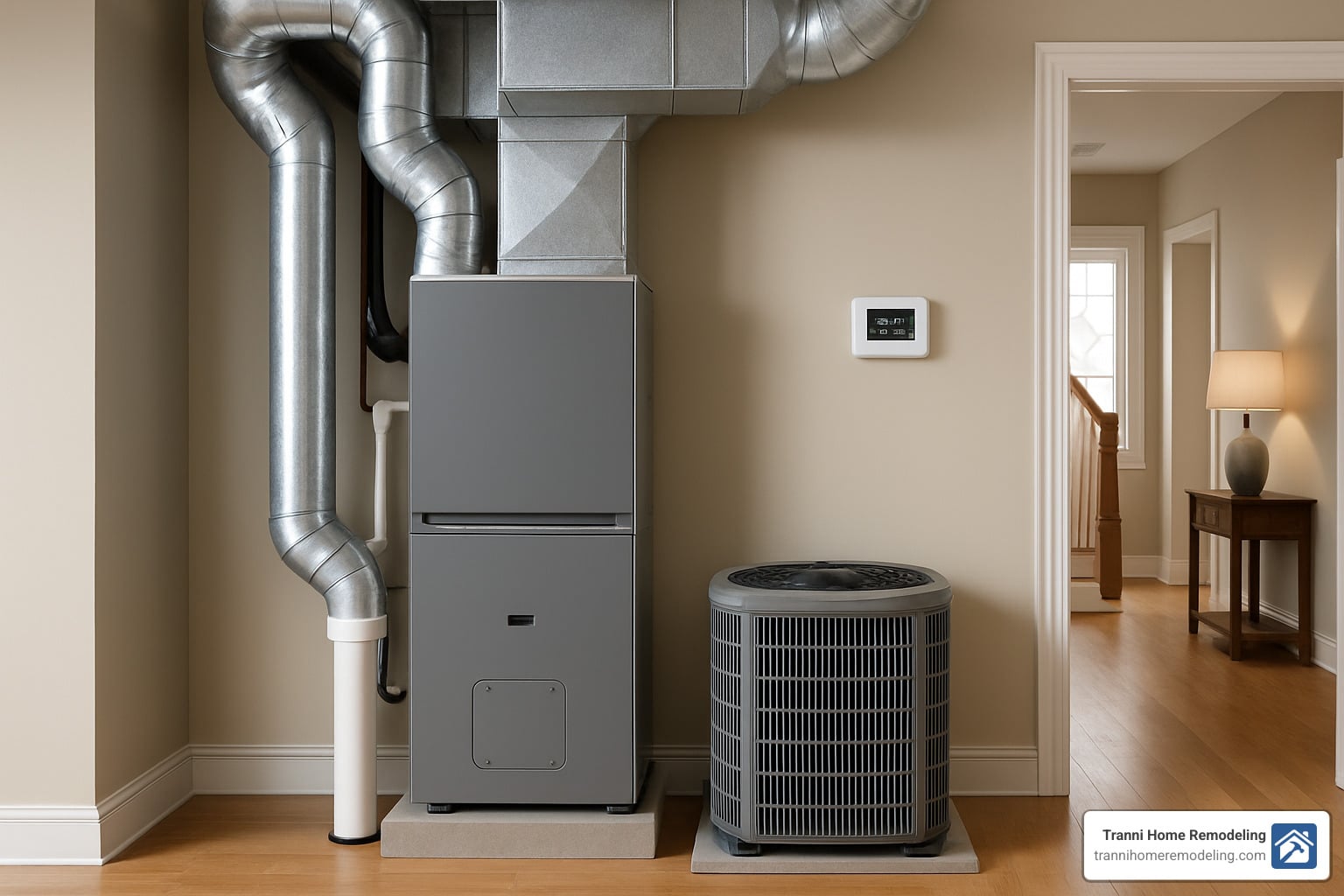





Heating Ventilation and Air Conditioning: 7 Powerful Benefits 2025
Why Understanding HVAC Systems is Essential for Your Home
Heating ventilation and air conditioning systems are the backbone of modern home comfort, controlling temperature, air quality, and humidity throughout your living space. Here’s what you need to know:
Key HVAC Components:
- Heating – Furnaces, boilers, and heat pumps that warm your home
- Ventilation – Systems that circulate fresh air and remove stale air
- Air Conditioning – Equipment that cools and dehumidifies indoor air
Main Benefits:
- Consistent indoor temperature year-round
- Improved air quality through filtration
- Better humidity control
- Improved energy efficiency when properly maintained
Whether you’re planning a home remodel or simply want to understand how your home’s climate control works, knowing the basics of HVAC can help you make informed decisions about comfort, energy costs, and indoor air quality.
Understanding your HVAC system becomes especially important during home renovations. Room additions, kitchen remodels, and basement finishing projects often require modifications to existing heating ventilation and air conditioning systems to maintain proper airflow and temperature control throughout your newly configured space.
As Tyler Tranni, owner of Tranni Home Remodeling in Billerica, MA, I’ve worked with countless homeowners who finded their heating ventilation and air conditioning systems needed upgrades during major renovations. My experience in home remodeling has shown me how critical it is for homeowners to understand these systems before starting any significant home improvement project.
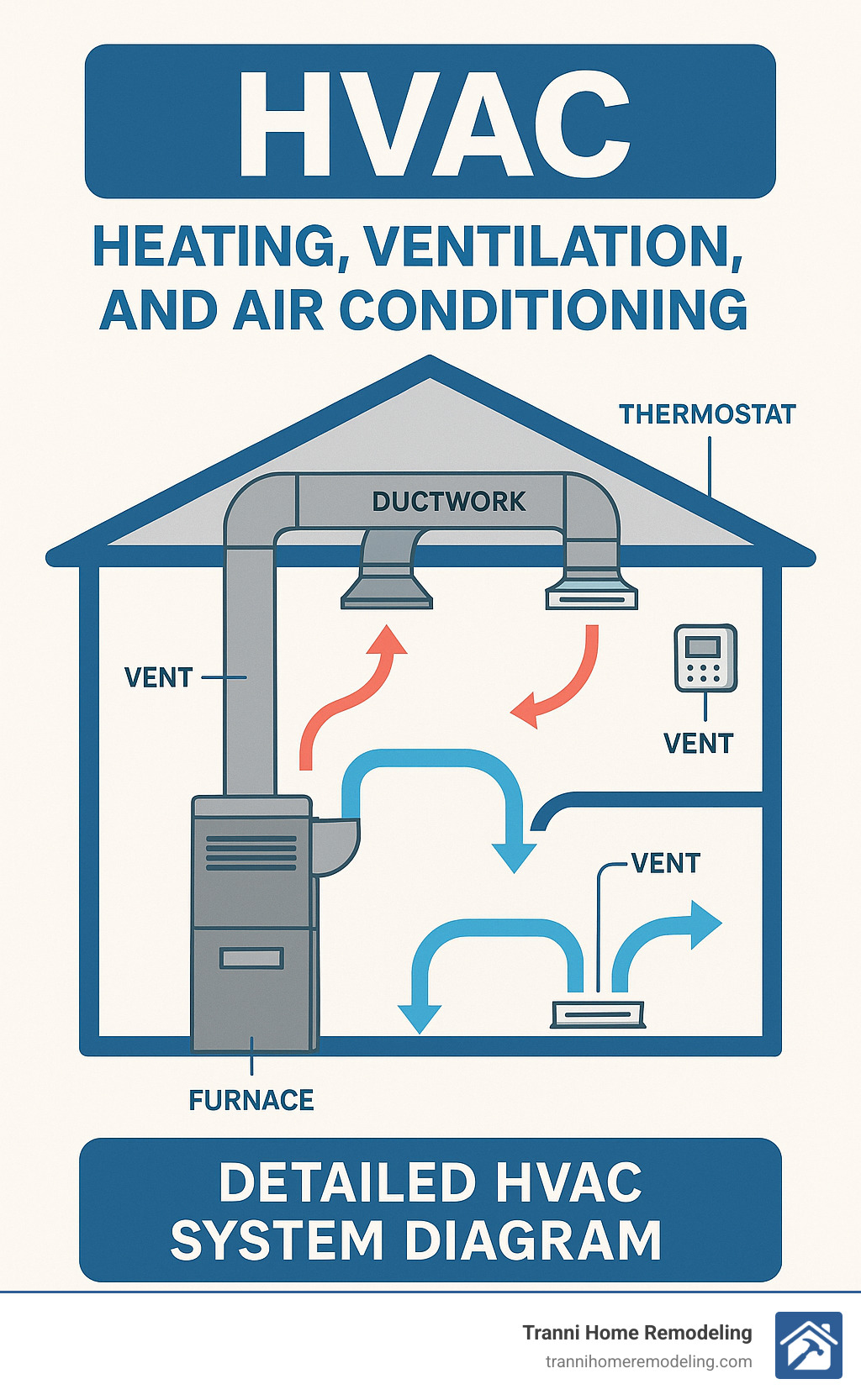
Simple heating ventilation and air conditioning word guide:
Understanding HVAC Systems
Your heating ventilation and air conditioning system is like your home’s personal climate butler – always working behind the scenes to keep you comfortable, whether it’s a sweltering summer day or a chilly winter evening. But unlike a human butler, this one never takes a day off and rarely complains (though it might make some interesting noises when it needs attention!).
Every heating ventilation and air conditioning system performs three essential jobs that make your home livable year-round. Heating keeps you cozy when temperatures drop, cooling provides blessed relief during hot weather, and ventilation ensures you’re breathing fresh, clean air instead of the same stale air over and over again.
What makes these systems so clever is how all three functions work together through shared components and ductwork. It’s like having a Swiss Army knife for home comfort – one tool that handles multiple jobs efficiently.
Components of HVAC
Every heating ventilation and air conditioning system is built around several key players that work as a team. Think of it like a well-rehearsed orchestra where each instrument has its part to play.
The air handler is your system’s workhorse. It houses the blower fan that pushes air through your ducts and into every room. Without this faithful component, even the most expensive heating or cooling equipment would just sit there looking pretty – kind of like having a sports car without an engine.
Your heat exchanger is where the magic happens. This component actually changes your air temperature by transferring heat from one place to another. In winter, it warms the air flowing over it. In summer, it pulls heat out of your indoor air. It’s basically your system’s temperature wizard.
Filters might seem like small players, but they’re absolutely crucial. These unsung heroes trap dust, pollen, pet hair, and all sorts of airborne particles before they can float around your home. Good filters keep your air clean and protect your expensive equipment from getting clogged up with debris. The EPA provides detailed guidance on residential air filtration and indoor air quality.
The ductwork acts like your home’s circulatory system, carrying conditioned air to every room and bringing stale air back for a refresh. Well-designed ducts make all the difference between a comfortable home and one with hot and cold spots.
Finally, your thermostat serves as mission control. This smart little device monitors your home’s temperature and tells your equipment exactly when to kick in to maintain your perfect comfort level.
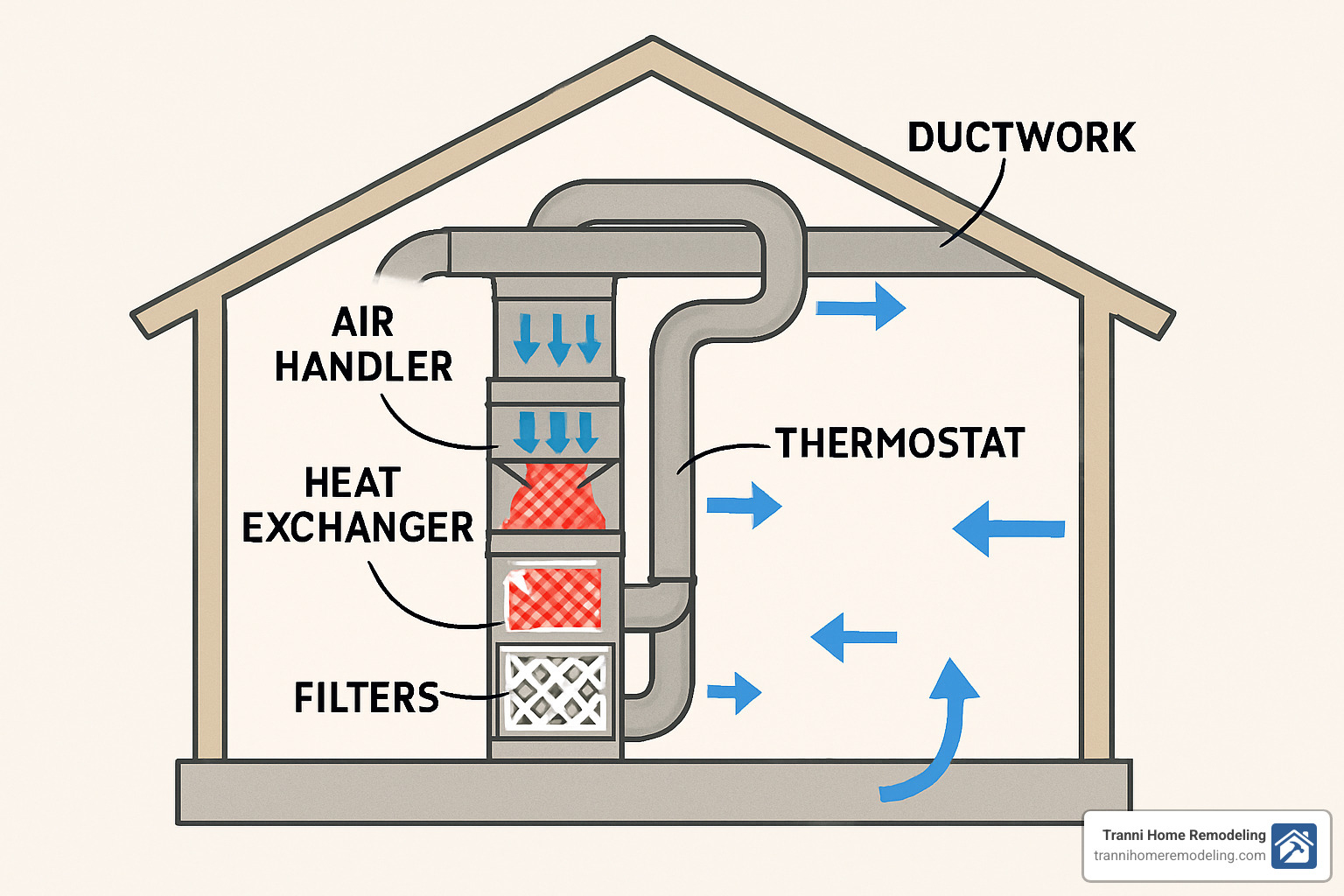
Types of HVAC Systems
Not every home needs the same type of heating ventilation and air conditioning system. Just like people, homes come in different sizes and have different needs.
Central systems are the most popular choice for larger homes. These systems work from one central location and use a network of ducts to deliver conditioned air throughout your entire house. They’re great for whole-home comfort, but they do require properly designed and installed ductwork to work their best.
Split systems get their name because they literally split their components between inside and outside your home. The noisy compressor and condenser live outside where they won’t bother anyone, while the quieter evaporator coil and air handler stay indoors. These systems have become popular because they’re more energy-efficient and much quieter than older designs.
Window units are the simple, straightforward option. These self-contained units slide right into your window and are perfect for cooling single rooms or small spaces. While they won’t win any efficiency awards compared to central systems, they’re budget-friendly and great for targeted cooling.
Ductless mini-split systems are perfect for those tricky situations where you need heating and cooling but don’t have existing ductwork. They’re fantastic for home additions, converted garages, or any room that seems to have its own climate personality. No major construction required – just mount the indoor unit on the wall and connect it to the outdoor unit.
The Role of Heating, Ventilation, and Air Conditioning
Your heating ventilation and air conditioning system is like a silent guardian working 24/7 to protect your family’s comfort and health. While most homeowners think of HVAC systems as simple temperature controllers, they actually perform several critical functions that directly impact your daily life.
Indoor Air Quality – Your Home’s Breathing System
Here’s something that might surprise you: the air inside your home can be up to five times more polluted than outdoor air. Modern homes are built tight to save energy, which is great for your utility bills but not so great for air circulation.
Your heating ventilation and air conditioning system acts as your home’s lungs, constantly filtering out dust, pollen, pet dander, and other airborne nasties. The ventilation component brings in fresh outdoor air while exhausting stale indoor air, creating a healthy balance that keeps your family breathing easy.
Energy Efficiency – Smart Comfort That Saves Money
A properly functioning HVAC system is like having a smart financial advisor for your energy bills. Modern systems use sophisticated technology to deliver maximum comfort while sipping energy rather than guzzling it.
The key is proper sizing and installation. An oversized system is like using a sledgehammer to crack a nut – it’ll get the job done, but it wastes energy cycling on and off constantly. An undersized system, on the other hand, is like asking a bicycle to do the work of a motorcycle – it’ll struggle and never quite get you where you need to be.
Humidity Control – The Comfort Factor You Didn’t Know You Needed
Temperature isn’t everything when it comes to comfort. Humidity levels between 30-50% make all the difference between feeling cozy and feeling miserable. Too much humidity turns your home into a tropical greenhouse where mold loves to party. Too little humidity leaves you dealing with dry skin, scratchy throats, and enough static electricity to power a small light bulb.
Your HVAC system naturally manages humidity as it heats and cools, creating that “just right” feeling that makes your home truly comfortable.
Heating
When winter arrives in Massachusetts, your heating system becomes your home’s best friend. Different heating systems have their own personalities and strengths.
Furnaces – The Workhorses
Gas furnaces are the reliable pickup trucks of the heating world. They burn natural gas to warm air, then use your home’s ductwork to deliver that cozy warmth to every room. Modern furnaces are incredibly efficient, with some achieving 90% or higher efficiency ratings. That means nearly every dollar you spend on gas actually heats your home instead of disappearing up the chimney.
Boilers – The Steady Performers
Boilers are especially popular in older New England homes, and for good reason. Instead of heating air, they heat water and send it through radiators or radiant floor systems. The result is incredibly even, comfortable heat that doesn’t create drafts or dry out your air. While boilers typically cost more upfront, many homeowners swear by their consistent performance.
Heat Pumps – The Multi-Talented Performers
Think of heat pumps as the Swiss Army knives of heating ventilation and air conditioning. These clever systems can both heat and cool your home by moving heat rather than creating it. Even when it’s freezing outside, there’s still heat energy in the air that heat pumps can extract and bring indoors. Today’s cold-climate heat pumps work effectively even during harsh Massachusetts winters.
Ventilation
Ventilation is the quiet hero of your heating ventilation and air conditioning system. While heating and cooling get all the attention, ventilation is what keeps your indoor air fresh and healthy.
Natural Ventilation – The Old-School Approach
Opening windows and doors for fresh air is the most basic form of ventilation. It’s free and effective, but Mother Nature doesn’t always cooperate. You can’t rely on natural breezes when it’s sweltering in July or freezing in January.
Mechanical Ventilation – The Reliable Solution
Powered ventilation systems work regardless of weather conditions. Exhaust fans in bathrooms and kitchens remove moisture and odors right where they start. Whole-house ventilation systems ensure your entire home gets fresh air regularly. Energy recovery ventilators are particularly smart – they capture heat from outgoing stale air and use it to warm incoming fresh air, so you don’t waste energy.
Air Conditioning
During those sticky Massachusetts summers, your air conditioning system works like a heat-removing magician to keep you comfortable.
Cooling Systems – The Heat Removal Process
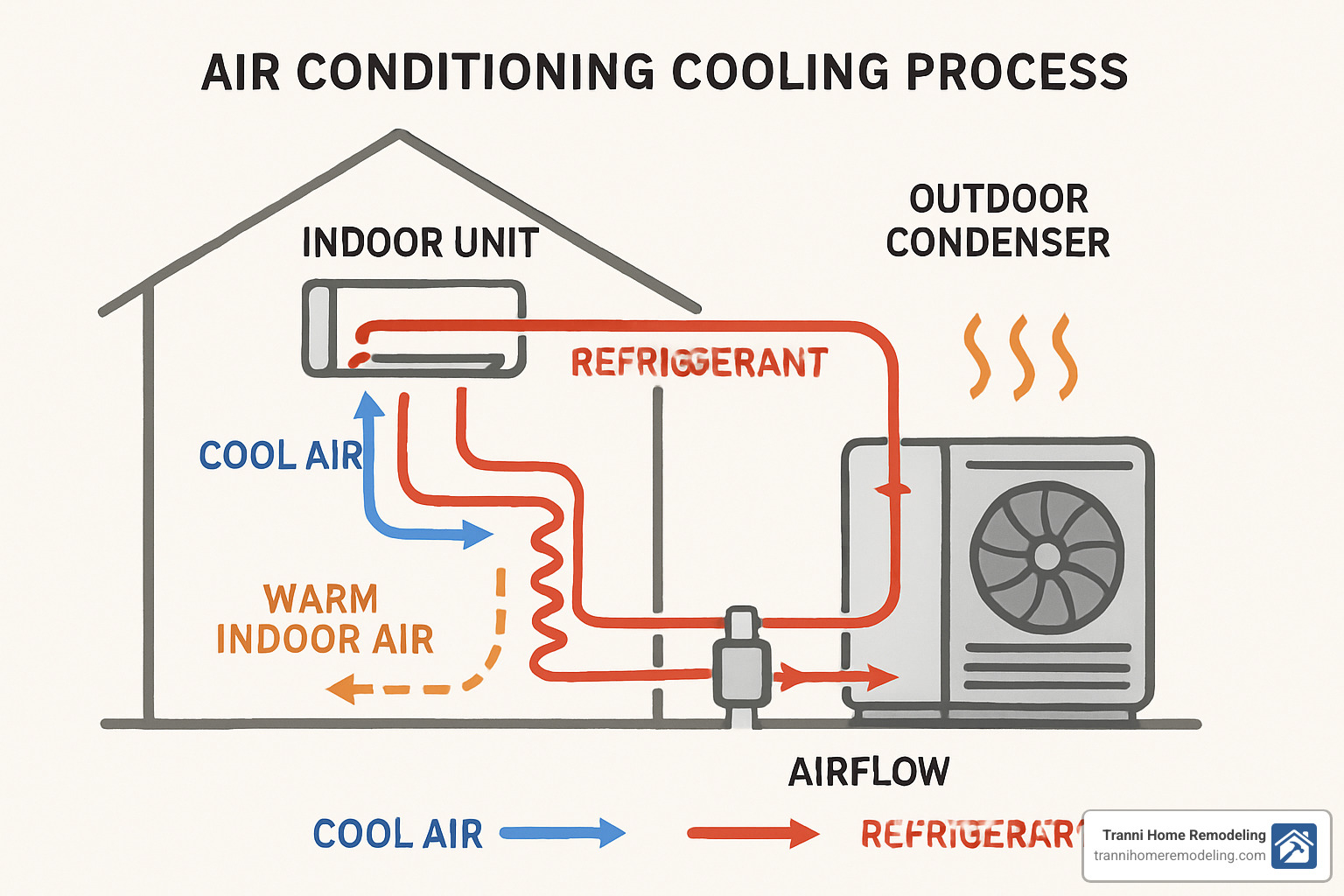
Your air conditioner doesn’t actually create cold air – it removes heat from your home and dumps it outside. The process involves refrigerant that acts like a heat sponge, absorbing warmth from your indoor air, getting compressed and heated up, then releasing that heat to the outdoor air before cooling down and starting the cycle again.
Dehumidifying – The Hidden Comfort Boost
Here’s a comfort secret: your air conditioner removes moisture from the air as it cools, and this dehumidification is just as important as the temperature drop. Air at 78°F with low humidity actually feels more comfortable than air at 75°F with high humidity. This means you can set your thermostat a few degrees higher and still feel perfectly comfortable while saving energy.
Designing and Maintaining HVAC Systems
Getting your heating ventilation and air conditioning system right from the start makes all the difference in your daily comfort and monthly energy bills. After working on countless home renovations throughout Billerica and the surrounding communities, I’ve learned that proper HVAC design isn’t just about picking the right equipment—it’s about creating a system that works perfectly with your unique home.
System Design
Every home has its own personality, and your heating ventilation and air conditioning system needs to match that personality perfectly. When we’re planning a kitchen remodel in Chelmsford or adding a family room in Bedford, we always consider how these changes will affect your home’s heating and cooling needs.
A thoughtfully designed system takes into account your home’s size and layout—that cozy cape might need a completely different approach than a sprawling colonial. We also look at insulation levels and air sealing because even the most powerful system can’t overcome poor insulation. Local climate conditions here in Massachusetts mean your system needs to handle both humid summers and bitter winter nights effectively.
Your family’s comfort preferences matter too. Some families love it toasty warm, while others prefer it cool and crisp. Finally, energy efficiency goals help determine which equipment will give you the best long-term value.
During our home remodeling projects in towns like Concord and Lexington, we often find that existing systems weren’t properly sized for the home’s current layout. This is especially true in homes that have had additions or major renovations without updating the HVAC system to match. It’s like trying to heat a mansion with a space heater—it just doesn’t work.
Maintenance
Here’s the honest truth: a well-maintained heating ventilation and air conditioning system can keep you comfortable for 15-20 years, while a neglected one might give up the ghost in just 10-12 years. Regular maintenance isn’t just about avoiding breakdowns—it’s about keeping your energy bills reasonable and your family comfortable year-round.
Think of HVAC maintenance like taking care of your car. You wouldn’t skip oil changes and expect your engine to run smoothly, and your heating and cooling system deserves the same attention.
Codes and Standards
Working in Massachusetts means following strict guidelines that protect homeowners and ensure systems work safely and efficiently.
ASHRAE Standards
The American Society of Heating, Refrigerating and Air-Conditioning Engineers might have a mouthful of a name, but they set the gold standard for heating ventilation and air conditioning design and installation. These standards ensure your system is safe, efficient, and actually does what it’s supposed to do—keep you comfortable.
Building Codes
Massachusetts building codes specify exactly what’s required for HVAC installations in our area. These codes cover everything from ductwork sizing to ventilation requirements and critical safety features. They’re not just bureaucratic red tape—they’re designed to protect your investment and your family’s safety.
When we tackle home additions or major remodels throughout our service area, we make sure all HVAC work meets or exceeds these local building codes and ASHRAE standards. It’s not just about passing inspection—it’s about doing the job right the first time.
Maintenance Tips
Taking care of your heating ventilation and air conditioning system doesn’t require a engineering degree, but knowing these basics can save you money and headaches.
Filter Replacement
This is the simplest yet most important thing you can do for your system. Change filters every 1-3 months, depending on how much you use your system and what type of filter you have. A dirty filter is like trying to breathe through a pillow—it makes your system work much harder and drives up your energy bills.
If you have pets or family members with allergies, you might need to change filters more frequently. It’s a small investment that pays big dividends in system longevity and air quality.
System Checks
Annual professional inspections are like annual physicals for your HVAC system—they catch small problems before they turn into expensive disasters. During these visits, qualified technicians will clean coils and components, check refrigerant levels, test safety controls, inspect ductwork for leaks, and calibrate thermostats.
Seasonal Preparation
Before each heating and cooling season hits, take a few minutes to inspect your system and clear debris from outdoor units. Those fallen leaves and winter debris can seriously impact your system’s efficiency. A little prevention goes a long way toward avoiding emergency service calls on the hottest or coldest days of the year.
Frequently Asked Questions about HVAC
When I’m working on home remodeling projects throughout Billerica and surrounding towns, homeowners often ask me the same questions about their heating ventilation and air conditioning systems. Let me share the answers to the most common ones I hear.
What does HVAC stand for?
HVAC stands for Heating, Ventilation, and Air Conditioning. It’s really that simple! This comprehensive term describes all the systems working together to keep your home comfortable year-round.
Think of it as your home’s climate control team – heating keeps you warm in winter, ventilation ensures fresh air circulation, and air conditioning cools things down during those hot Massachusetts summers. These three components work together, often sharing the same ductwork and controls, to maintain the perfect indoor environment.
How does an HVAC system improve indoor air quality?
Your heating ventilation and air conditioning system is like having a full-time air quality manager working in your home. It improves the air you breathe in two important ways.
Filtration is the first line of defense. Every time air circulates through your system, it passes through filters that trap dust, pollen, pet dander, and other particles floating around your home. The quality of your filter makes a big difference – basic filters catch larger particles, while high-efficiency filters can even capture tiny bacteria and some viruses.
Ventilation is equally important, especially in today’s well-sealed homes. Your system continuously brings in fresh outdoor air while pushing out stale indoor air. This constant air exchange prevents the buildup of indoor pollutants like cooking odors, cleaning chemicals, and even carbon dioxide from simply breathing.
During our remodeling projects in towns like Bedford and Lexington, I’ve seen how proper ventilation becomes even more critical when homeowners are adding rooms or finishing basements. Without adequate air exchange, these new spaces can develop moisture problems or poor air quality.
What are the benefits of energy-efficient HVAC systems?
Energy-efficient heating ventilation and air conditioning systems offer benefits that go far beyond just keeping you comfortable – though they definitely excel at that too!
Cost savings are usually the first thing homeowners notice. High-efficiency systems use significantly less energy to heat and cool your home, which translates directly to lower monthly utility bills. While the upfront investment for a quality system typically ranges from $5,000 to $15,000 or more (these are average costs based on internet data, not actual costs for Tranni Home Remodeling), many homeowners find their energy savings help offset this investment over time.
Environmental impact is another compelling reason to choose efficiency. When your system uses less energy, your home’s carbon footprint shrinks. It’s a simple way to do something good for the environment while enjoying better comfort.
Improved comfort might surprise you as a benefit of efficiency, but it’s real. Modern efficient systems provide more consistent temperatures throughout your home and better humidity control than older models. No more hot and cold spots or that clammy feeling during humid weather.
Better reliability rounds out the benefits. Newer, efficient systems typically need fewer repairs and last longer than their older counterparts. This means fewer middle-of-the-night emergency calls and more peace of mind for your family.
When we’re planning major renovations, I always encourage homeowners to consider HVAC upgrades as part of the project. It’s often the perfect time to improve efficiency while we’re already working on your home’s systems.
Conclusion
Understanding heating ventilation and air conditioning systems is like having a roadmap for your home’s comfort – it helps you steer decisions that affect your daily life and your wallet. When you know how these systems work, you’re better equipped to spot problems early, make smart upgrade choices, and ensure any home renovation actually improves your comfort rather than creating new headaches.
At Tranni Home Remodeling, we’ve learned over our decade in the business that the best home renovations happen when homeowners understand how their existing systems work. Too many times, we’ve walked into beautiful kitchen remodels or stunning basement finishing projects where the HVAC system was an afterthought – leaving families with gorgeous spaces that are too hot in summer or too cold in winter.
Our high-quality craftsmanship and outstanding service philosophy extends far beyond just making spaces look beautiful. We believe in creating homes that work as well as they look, which means considering how every renovation affects your home’s heating, cooling, and ventilation.
From our home base in Billerica, we’ve helped families throughout the area – whether they’re in Andover planning a kitchen remodel, in Woburn finishing their basement, or in Lexington adding a new room. Each project teaches us something new about how heating ventilation and air conditioning systems interact with home renovations.
Your HVAC system isn’t just mechanical equipment tucked away in your basement or attic – it’s the invisible foundation of your family’s daily comfort. Whether you’re dealing with uneven temperatures, high energy bills, or planning a renovation that might affect your current system, understanding these basics puts you in control.
The investment you make in your home’s comfort systems pays dividends every single day. When your heating ventilation and air conditioning system is properly designed, installed, and maintained, you barely notice it’s there – which is exactly how it should be. Your home just feels comfortable, your air quality stays healthy, and your energy bills stay reasonable.
Working with experienced professionals who understand both renovation and HVAC systems ensures your home improvement projects improve your comfort for years to come.