




Home wiring replacement: 5 Vital Tips for 2024
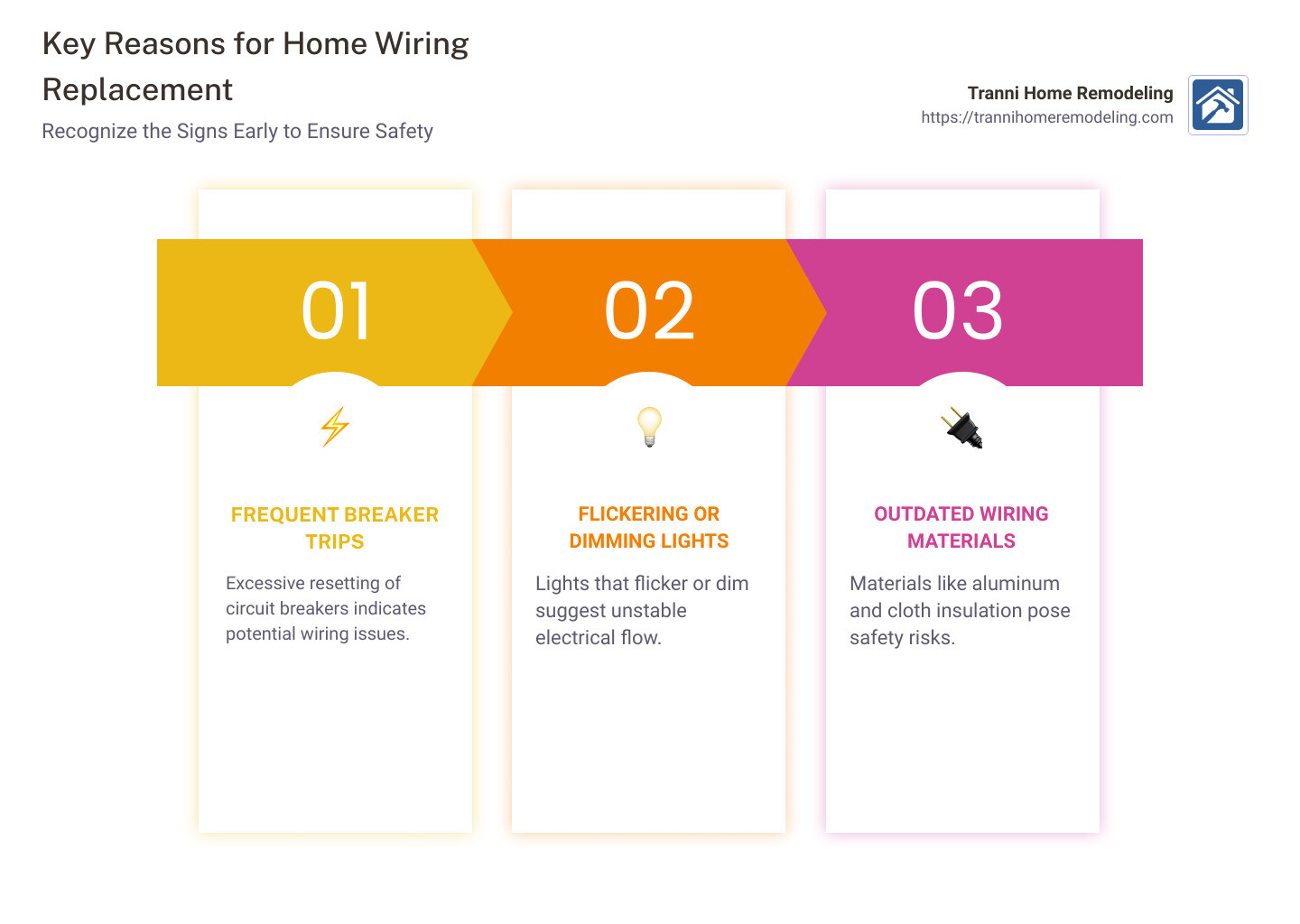
When it comes to Home wiring replacement, safety and efficiency should be top priorities. Many homeowners in Billerica, MA will encounter this critical home improvement task, possibly after noticing frequent circuit breaker trips or flickering lights. A timely home wiring upgrade is essential because it protects you from fire hazards and ensures your electrical system can handle modern appliances.
In this introduction, we’ll explore why home wiring replacement is crucial. Whether your home is over 30 years old or has outdated aluminum wiring, these signs signal a need for action. Conditions like these can pose significant dangers, including fire risks and potential electrocution due to worn or inefficient electrical systems.
I’m Tyler Tranni, owner of Tranni Home Remodeling. With years of experience changing homes and specializing in home wiring replacement projects, my mission is to ensure your home is both safe and efficient. Next, we’ll walk through how to determine when it’s time for a wiring update.
Home wiring replacement terms to remember:
– change 100 amp panel to 200 amp
– change electrical panel
– installing a new 200 amp service panel
How to Know if You Need Home Wiring Replacement
Age of Home
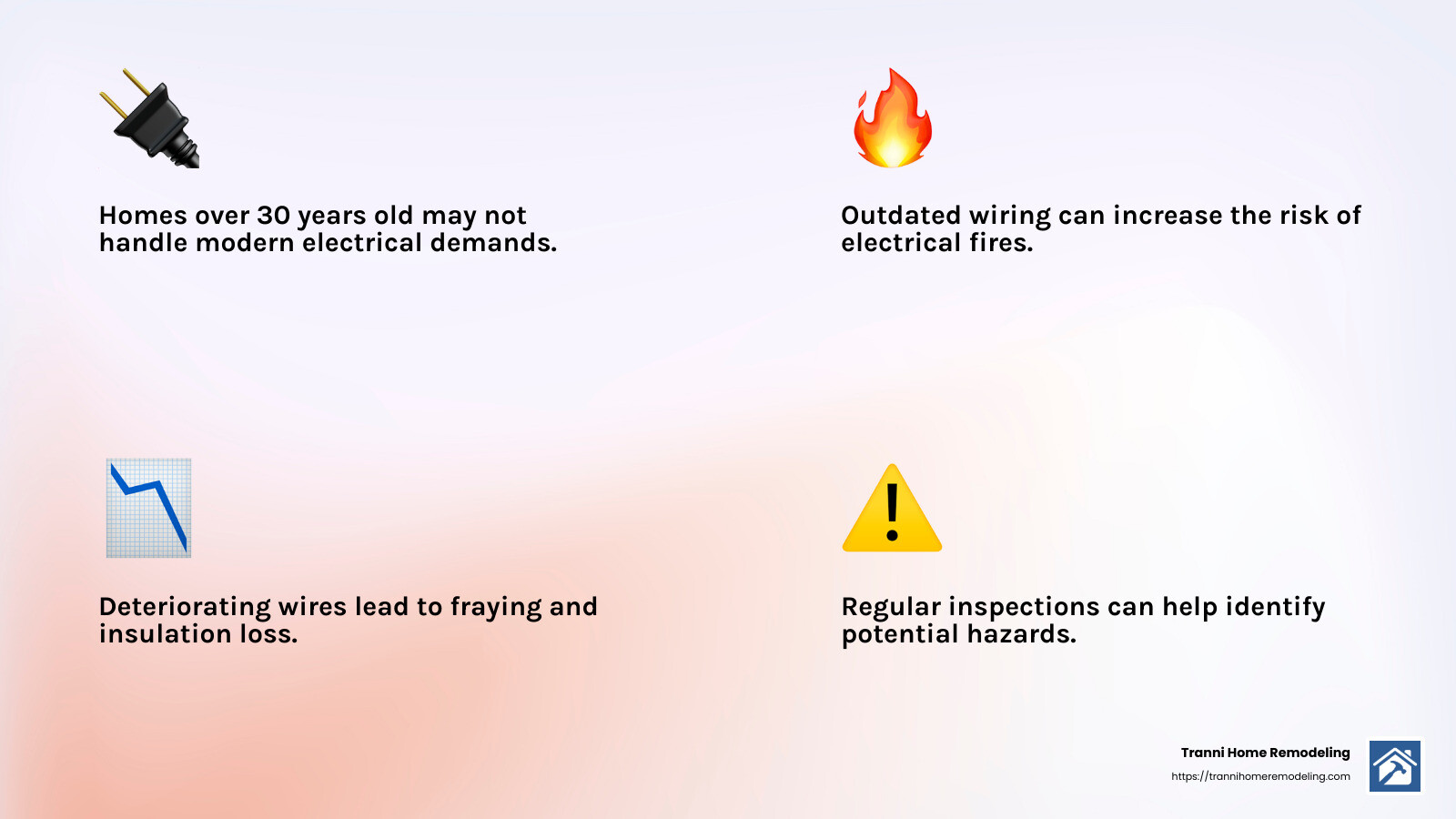
If your home is over 30 years old, it’s time to consider a wiring inspection. Older homes often have wiring systems that weren’t designed to handle today’s electrical demands. With modern appliances and gadgets consuming more power, outdated wiring can become a significant hazard. Over time, wires can deteriorate, leading to physical damage such as fraying or loss of insulation. This wear and tear can increase the risk of electrical fires and other safety issues.
Type of Wiring
The type of wiring in your home is another critical factor. Most modern homes use copper wiring, which is known for its durability and efficiency. Copper is an excellent conductor and is non-corrosive, making it a safe choice for home wiring.
However, some homes built between the 1960s and early 1980s might have aluminum wiring. While aluminum was a cheaper alternative at the time, it poses several safety risks today. Aluminum wiring is more prone to corrosion and can overheat, increasing the risk of electrical fires. If you’re uncertain about your home’s wiring type, a professional inspection is advisable.
Warning Signs
Keep an eye out for warning signs that your wiring may need replacement. Here are some red flags:
- Frequent Circuit Breaker Resets: If your circuit breaker trips often, it may be a sign that your wiring can’t handle the current electrical load. This issue could indicate outdated wiring or an overloaded circuit.
- Dimming Lights: Flickering or dimming lights can signal faulty wiring or inadequate electrical capacity. If this happens frequently, it’s time to investigate further.
- Smoke or Burning Smells: These are urgent warning signs that should never be ignored. Smoke or a burning odor indicates a serious problem, potentially leading to a fire.
- Strange Noises: Buzzing or sizzling sounds from outlets or switches can mean there’s an electrical issue. These noises often point to faulty wiring or loose connections.
If you notice any of these signs, it’s crucial to act quickly. Contact a professional to assess your home’s wiring and ensure it’s up to current safety standards.
Next, we’ll dig into the steps involved in replacing home wiring, from planning to installation.
Steps to Replace Home Wiring
Replacing home wiring is a significant project that requires careful planning, precise execution, and a solid understanding of electrical systems. Here’s a step-by-step guide to help you steer through the process.
Planning and Preparation
The first step in home wiring replacement is thorough planning and preparation. Start by crafting a detailed plan that outlines the scope of the project. This plan should consider the size of your home, the current electrical demands, and any future needs.
Professional Consultation: Engage a qualified electrician early in the process. Their expertise is invaluable for assessing your current wiring and ensuring that your new system meets all safety codes and standards. They’ll also help with crucial wiring calculations to determine the type and amount of wiring needed.
Wiring Calculations: Accurate calculations are essential to ensure your new wiring can handle the load of modern appliances and devices. This includes determining the appropriate wire gauge and circuit breaker capacity.
Removal Stage
Once your plan is in place, it’s time to move on to the removal stage.
Power Off: Safety first! Ensure the power is completely turned off at the main circuit breaker. This step is non-negotiable to prevent any risk of electrocution during the process.
Cable Removal: Carefully remove the old wiring. This process might involve accessing wires through walls, ceilings, or floors, depending on your home’s construction. Be cautious not to damage any structural elements during removal.
Recycling Old Wiring: Old wiring shouldn’t be discarded in regular trash. Instead, recycle it responsibly to prevent environmental harm. Many recycling centers accept electrical wiring and can process it properly.
New Wiring Installation
With the old wiring removed, it’s time to install the new system.
Pre-Cut Openings: Before running new wires, pre-cut openings for electrical boxes and devices. This step ensures that the new wiring aligns perfectly with outlets, switches, and fixtures.
Drilling Holes: Drill ¾ inch holes in the top or bottom plates of walls to feed the new wiring through. This task is often easier with two people—one to feed the wire and another to guide it through the wall.
Feeding Wires: Carefully feed the new wires through the drilled holes, ensuring they reach the correct outlets or switches. This process continues room by room until all wiring is properly routed.
By following these steps, you’ll ensure a smooth and efficient home wiring replacement. Up next, we’ll explore the safety issues associated with old electrical wiring and how to address them.
Safety Issues with Old Electrical Wiring
Old electrical wiring can pose significant safety risks, including fire hazards and electrocution dangers. Understanding these risks and identifying outdated wiring in your home is crucial for maintaining a safe living environment.
Identifying Old Wiring
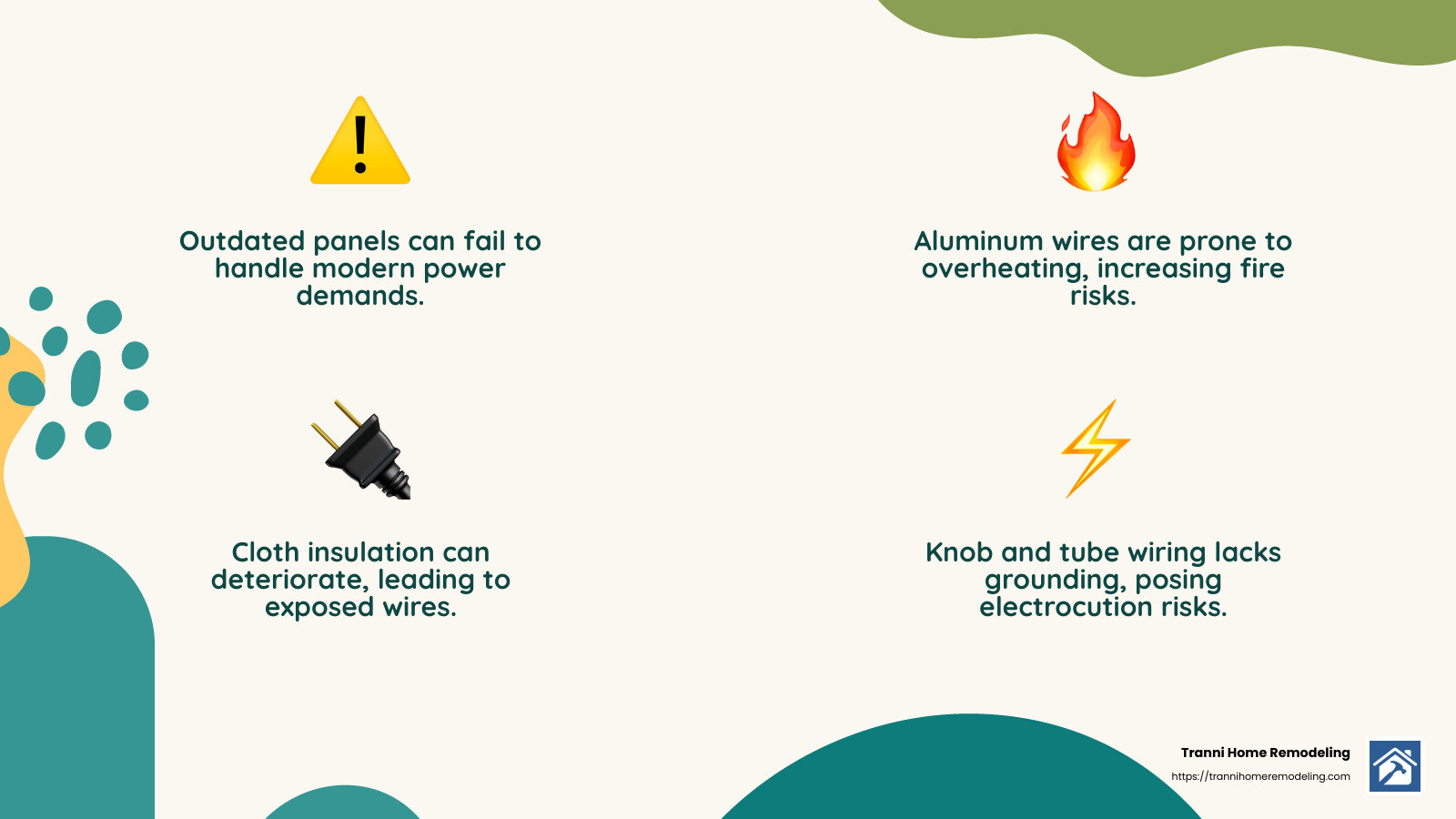
Outdated Panels: Electrical panels that frequently trip or fail might be unable to handle modern power demands. These panels are often found in older homes and can be a telltale sign that your wiring system needs an upgrade.
Aluminum Wires: Commonly used between 1960 and 1970, aluminum wiring is more prone to overheating and sparking, increasing the risk of fires. If your home has aluminum wiring, it’s advisable to replace it with safer copper wiring.
Cloth Insulation: Wiring insulated with cloth, popular in the 1950s, can deteriorate over time, leading to exposed wires and increased fire risks. If you spot cloth insulation, consider having your wiring inspected by a professional.
Knob and Tube Wiring: This early 20th-century wiring method lacks the capacity for modern electrical loads and is not grounded, posing both fire and electrocution risks. Homes with this type of wiring should be updated to meet current safety standards.
Signs of Faulty Wiring
Frequent Breaker Trips: If your circuit breakers trip often, it could indicate that your wiring is struggling to handle the electrical load, signaling the need for an upgrade.
Frayed Wiring: Exposed or damaged wires are a fire and shock hazard. If you notice frayed wiring, contact an electrician immediately.
Dimming Lights: Lights that dim unexpectedly, especially when using other appliances, might indicate that your wiring is inadequate for your home’s electrical needs.
Smoke and Strange Noises: Smoke or a burning smell is a critical warning sign of faulty wiring. Similarly, buzzing or sizzling noises from outlets or fixtures can indicate arcing, a dangerous condition where electricity jumps between connections.
Warm Outlets: Outlets that are warm to the touch can signal damaged wiring inside. This is a potential fire hazard and should be addressed without delay.
Addressing these issues promptly can prevent accidents and ensure your home is safe and up to code. Next, we’ll dig into the benefits of upgrading to copper wiring, a safer and more efficient option for modern homes.
Benefits of Upgrading to Copper Wiring
Upgrading to copper wiring offers several advantages that make it a preferred choice for home wiring replacement. Let’s explore why copper is the ideal material for your home’s electrical needs.
Ductility and Malleability
Copper is known for its excellent ductility and malleability. This means it can be stretched into thin wires without breaking, making it perfect for intricate electrical installations. Its flexibility allows electricians to bend and shape the wiring as needed, ensuring a seamless fit even in complex layouts.
Superior Conductivity
Copper stands out as one of the best conductors of electricity. It efficiently carries electrical currents, reducing energy loss and improving the overall performance of your electrical system. This superior conductivity is vital for handling modern electrical loads safely and effectively, especially as our homes become more dependent on electronic devices and appliances.
Non-Corrosive Properties
Unlike other metals, copper is non-corrosive. It resists rust and degradation, ensuring a long-lasting and reliable electrical system. This durability means that copper wiring can last for decades without needing replacement, providing peace of mind and reducing maintenance costs over time.
Safety Benefits
Switching to copper wiring significantly improves the safety of your home. Copper’s excellent conductivity and non-corrosive nature lower the risk of overheating and electrical fires. Additionally, copper connections are less likely to loosen over time, reducing the chance of arcing—a dangerous condition that can lead to fires.
Cost Efficiency
While the initial cost of copper wiring might be higher than alternatives like aluminum, its longevity and reliability make it a cost-effective choice in the long run. You save on potential repairs and replacements, and your home’s electrical system remains safe and efficient for years.
Upgrading to copper wiring is not just about meeting modern electrical demands; it’s about ensuring the safety and efficiency of your home’s electrical system. In the next section, we’ll address some frequently asked questions about home wiring replacement, helping you make informed decisions for your home improvement project.
Frequently Asked Questions about Home Wiring Replacement
How much does rewiring a house cost?
The cost of rewiring a house can vary widely. On average, homeowners might spend between $2,000 and $9,000 for a complete rewiring project. Several factors influence this range:
- Size of the Home: Larger homes require more materials and labor, increasing the cost.
- Type of Wiring: Upgrading to high-quality materials like copper will have a higher upfront cost but offer long-term savings.
- Accessibility: Homes with easy access to wiring through attics or crawl spaces may cost less than those requiring extensive wall openings.
- Local Labor Rates: Costs can vary based on your location and the going rate for electricians in your area.
Can a house be rewired without removing drywall?
Yes, it’s possible to rewire a house with minimal disruption to the drywall. Electricians often use techniques like fishing wires through existing spaces such as attics, crawl spaces, or basements. Here are some tips for a less invasive approach:
- Plan Ahead: Work with a professional to map out the most efficient routes for new wiring.
- Use Existing Openings: Leverage attics or basements to avoid cutting into walls.
- Professional Advice: Always consult with a licensed electrician to ensure the job is done safely and efficiently.
Does homeowners insurance cover rewiring?
Homeowners insurance coverage for rewiring can be complex. Here are key points to consider:
- Policy Details: Review your policy to see if it covers electrical system upgrades or just repairs for damage.
- Old Wiring: Some insurers might not cover homes with outdated wiring systems, like aluminum or knob-and-tube.
- Coverage Limitations: Insurance often covers damage caused by faulty wiring but not the upgrade itself. Attempting DIY rewiring may void any coverage, so always hire a professional.
Understanding these aspects can help you steer the financial implications of home wiring replacement, ensuring your home remains safe and efficient without unexpected costs.
Conclusion
When it comes to home wiring replacement, the safety and efficiency of your home are paramount. Old or faulty wiring can pose significant risks, including fire hazards and electrical shocks. That’s why choosing the right professionals to handle this task is crucial.
At Tranni Home Remodeling, we understand the importance of this investment. Our team is dedicated to providing high-quality craftsmanship and outstanding service, ensuring that your home wiring upgrade is handled with the utmost care and expertise. With over a decade of experience, we know that a safe home is a happy home.
Professional Help: Hiring experienced electricians is not just about getting the job done—it’s about getting it done safely and efficiently. A licensed professional can ensure that all work complies with current electrical codes and standards, reducing the risk of future issues.
Safety First: Replacing outdated wiring with modern, reliable materials like copper can dramatically improve your home’s safety. Copper wiring is known for its excellent conductivity and durability, making it a smart choice for long-term safety and performance.
Investment in Your Home: Upgrading your home’s wiring is not just about safety—it’s also an investment in your property’s value. Modern electrical systems can support today’s technology demands and may even lower your energy bills by improving efficiency.
In conclusion, if you suspect your home wiring needs an upgrade, don’t hesitate to seek professional assistance. Contact us at Tranni Home Remodeling to ensure your project is handled with precision and care, enhancing both the safety and value of your home.