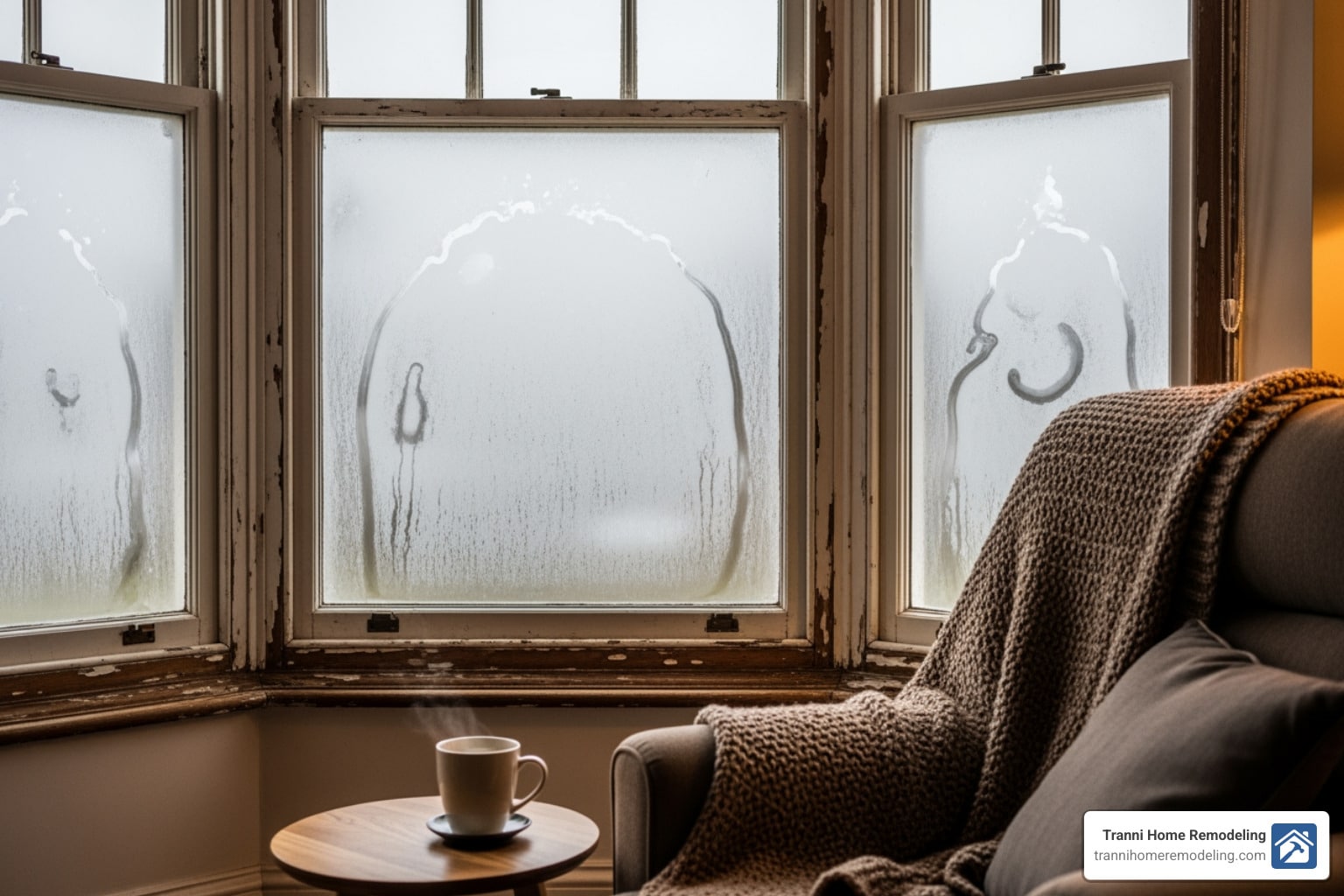





Why Bay Window Replacement Matters for Your Home
Bay window replacement services are essential when your existing windows show signs of wear, damage, or inefficiency. Whether you’re dealing with drafts, condensation, or simply want to modernize your home’s appearance, replacing your bay window can transform both the look and function of your space.
Quick Answer: What Bay Window Replacement Services Include
- Assessment – Professional evaluation of your current window’s condition and structural requirements
- Material Selection – Choosing from vinyl, wood, or fiberglass frames with energy-efficient glass options
- Custom Design – Configuring angles (30°, 45°, or 90°), window types, and finishes to match your home
- Professional Installation – Expert removal of old windows and precise installation with proper sealing and support
- Warranty Coverage – Protection for both materials and labor, often with lifetime guarantees
Bay windows are more than just openings to the outside. They’re architectural features that extend beyond your home’s exterior wall, creating a cozy nook inside while adding dramatic curb appeal outside. These three-panel windows typically feature a large picture window in the center with two smaller operable windows on each side, set at angles between 30 and 45 degrees.
But when bay windows age, they become liabilities. Drafts sneak through worn seals. Condensation fogs up between panes. Frames warp or rot. Your energy bills climb. What once added beauty now detracts from your home’s comfort and value.
Modern bay window replacement fixes all of this. Today’s windows feature double or triple-pane glass, argon gas fills, and Low-E coatings that dramatically improve energy efficiency. New frames in vinyl, wood, or fiberglass resist warping and require minimal maintenance. Professional installation ensures a weather-tight seal that keeps your home comfortable year-round.
I’m Tyler Tranni, owner of Tranni Home Remodeling, and I’ve spent over a decade helping homeowners in Billerica and Chelmsford transform their spaces through expert bay window replacement services. Throughout my career, I’ve seen how the right window replacement can completely change a home’s character while solving practical problems like drafts and high energy costs.
Handy Bay window replacement services terms:
For a general overview of how bay windows work and their role in home design, you can also review this background information on bay windows.
Signs Your Bay Window Needs Replacing
Knowing when to replace your bay window is the first step toward a more comfortable and energy-efficient home. While these windows are designed for durability, even the best materials eventually succumb to time and the elements. Here’s how to tell if it’s time for our bay window replacement services:
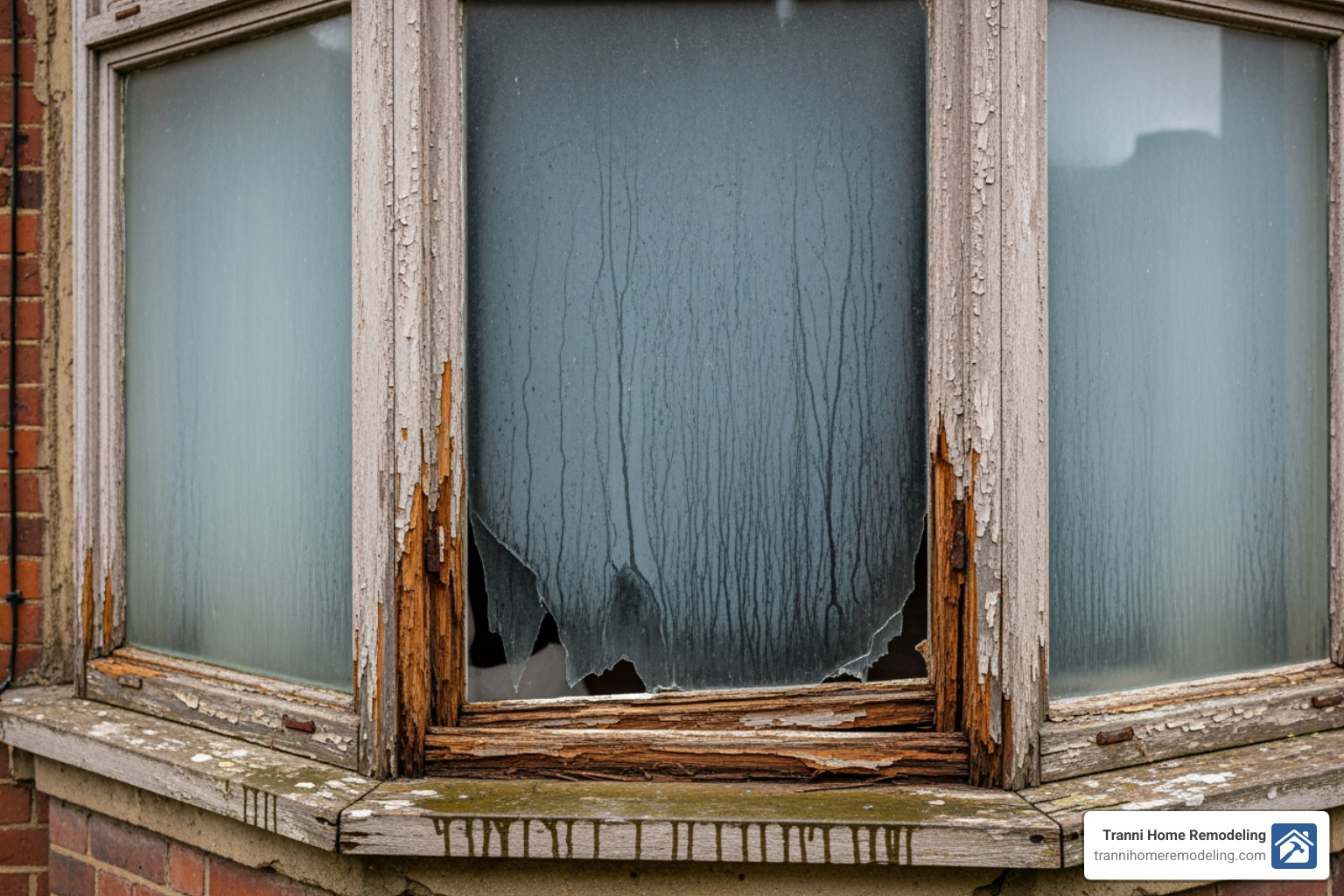
- Visible Damage: This is often the most obvious sign. Look for cracks, chips, or holes in the frame, sash, or glass. Wood frames might show signs of rot, mold, or insect damage, while vinyl frames could be warped or cracked.
- Cracks in Glass: A cracked pane not only compromises security but also drastically reduces energy efficiency. Even small cracks can expand over time, leading to more significant issues.
- Warped or Rotting Frames: Bay windows, due to their extended structure, can be more susceptible to moisture damage and structural shifting. If the frame is warped, soft to the touch, or showing signs of rot, it’s a clear indicator that the window’s integrity is compromised.
- Difficulty Opening or Closing: If your bay window sticks, won’t latch properly, or requires excessive force to operate, it could indicate issues with the frame, sash, or hardware. This can be a safety concern and a nuisance.
- Condensation Between Panes: This is a tell-tale sign of a failed seal in double or triple-pane windows. Once the seal breaks, moisture can get trapped between the glass layers, leading to fogging that can’t be cleaned. This means the insulating gas has escaped, and the window is no longer energy-efficient.
- Noticeable Drafts: Stand near your bay window on a windy day. If you feel a draft, it means air is leaking in or out. This is often due to worn weatherstripping, poor seals, or a compromised frame, and it directly impacts your home’s heating and cooling costs.
- Rising Energy Bills: If you’ve noticed a steady increase in your energy bills without a corresponding change in usage, your old bay window could be a major culprit. Inefficient windows can account for a significant portion of heat loss or gain.
- Outdated Appearance: Sometimes, the window is simply old and no longer matches your home’s aesthetic. An outdated bay window can diminish your home’s curb appeal and make it feel dated.
If you’re experiencing any of these issues, it’s worth considering a professional assessment. We can help you determine the best course of action.
For more information on general window health and replacement, check out our guide on home window installation and repair.
The Transformative Benefits of a New Bay Window
Replacing your bay window isn’t just about fixing a problem; it’s an investment in your home’s future. A new bay window brings a wealth of advantages that can significantly improve your living experience and property value.
- Increased Property Value: A well-chosen and expertly installed bay window can make your home stand out. As we saw in the infographic, new windows are a visible upgrade that can significantly boost your home’s market value. The combination of captivating design and functionality makes bay windows an attractive feature for potential buyers.
- Improved Curb Appeal: Bay windows are architectural focal points. They add character, depth, and a touch of elegance to your home’s exterior. Replacing an old, worn-out bay window with a fresh, modern one instantly lifts your home’s aesthetic.
- Improved Energy Efficiency: Modern bay windows are designed with energy efficiency in mind. Features like double- or triple-pane glass, argon gas between the panes, and Low-E coatings help keep your home comfortable year-round. This translates directly into lower utility bills, with potential savings of 25-30% on heating and cooling costs.
- Panoramic Views: With their multi-panel design, bay windows offer a wider, more expansive view of the outdoors compared to flat windows. They bring the outside in, making your rooms feel larger and more connected to your surroundings.
- Expanded Interior Space: Bay windows project outward from your home, creating a charming interior nook. This extra space can be transformed into a cozy window seat, a display area for plants, or even a small reading corner, adding functional square footage to your room.
- Increased Natural Light: The angled design of bay windows allows them to capture light from multiple directions, flooding your room with natural illumination. This can make spaces feel brighter and more inviting, reducing the need for artificial lighting during the day.
How a Replacement Boosts Energy Efficiency
When we talk about energy efficiency in bay windows, we’re really talking about smart engineering and advanced materials working together to keep your home cozy in winter and cool in summer. Here’s how our bay window replacement services dramatically improve your home’s thermal performance:
- Modern Technology: Old bay windows often feature single-pane glass or older double-pane units with seals that have long since failed. Modern replacement windows use cutting-edge technology to prevent heat transfer.
- Double or Triple-Pane Glass: Instead of just one layer of glass, new windows feature two or even three panes. The air spaces between these panes act as insulators, slowing down the transfer of heat.
- Argon Gas Fills: To further improve insulation, the spaces between the glass panes are often filled with inert gases like argon. Argon is denser than air, which means it’s an even better insulator, reducing convection and conduction of heat.
- Low-E Coatings: Low-emissivity (Low-E) coatings are microscopic, transparent layers applied to the glass. These coatings reflect radiant heat, keeping heat inside during cold months and outside during warm months, all while allowing visible light to pass through. They also block 99.5% of harmful UV rays, protecting your furniture and flooring from fading.
- Professional Sealing: Beyond the window unit itself, proper installation is paramount. Our expert installers ensure a flawless and seamless seal around the entire bay window unit, preventing air leaks and drafts that can undermine even the most advanced window technology. This meticulous attention to detail ensures optimal thermal performance.
- Lower Utility Costs: All these features combine to create a highly energy-efficient barrier against the elements. The result? A more stable indoor temperature, reduced reliance on your heating and cooling systems, and significant savings on your monthly energy bills.
To learn more about how different window materials contribute to energy efficiency, particularly vinyl, explore our insights on vinyl window replacement.
Bay vs. Bow Windows: What’s the Difference?
While often confused, bay and bow windows are distinct architectural features, each with its own unique charm and benefits. Understanding these differences is key when considering bay window replacement services for your home.
| Feature | Bay Windows | Bow Windows |
|---|---|---|
| Number of Panels | Typically three panels (one large central window and two smaller side windows). | Typically four to six panels of equal size. |
| Shape/Angle | Creates a more angular, polygonal shape, with angles usually at 30 or 45 degrees. | Forms a gentle, graceful curve. |
| Projection | Extends further from the wall, creating a deeper interior space or window seat. | Has a shallower projection, creating a more subtle curve. |
| View | Provides a wide view, but the side windows offer distinct angles. | Offers a broader, more panoramic view due to its wider arc. |
| Interior Space | Creates a distinct nook or alcove, perfect for a window seat or display shelf. | Adds a sense of openness and can make a room feel larger, but with less defined extra space. |
Introduction
A bay window is more than just a window; it’s a statement piece that adds character, light, and space to your home. However, an old, drafty, or damaged bay window can detract from your home’s beauty and efficiency. This guide covers everything you need to know, from identifying the need for a replacement to choosing and installing the perfect new bay window for your home.
Handy Bay window replacement services terms:
Signs Your Bay Window Needs Replacing
Knowing when to replace your bay window is the first step toward a more comfortable and energy-efficient home. While these windows are designed for durability, even the best materials eventually succumb to time and the elements. Here’s how to tell if it’s time for our bay window replacement services:
- Visible Damage: This is often the most obvious sign. Look for cracks, chips, or holes in the frame, sash, or glass. Wood frames might show signs of rot, mold, or insect damage, while vinyl frames could be warped or cracked.
- Cracks in Glass: A cracked pane not only compromises security but also drastically reduces energy efficiency. Even small cracks can expand over time, leading to more significant issues.
- Warped or Rotting Frames: Bay windows, due to their extended structure, can be more susceptible to moisture damage and structural shifting compared to flat windows. If the frame is warped, soft to the touch, or showing signs of rot, it’s a clear indicator that the window’s integrity is compromised. This can lead to the windowpane fitting improperly, exacerbating issues.
- Difficulty Opening or Closing: If your bay window sticks, won’t latch properly, or requires excessive force to operate, it could indicate issues with the frame, sash, or hardware. This can be a safety concern and a nuisance.
- Condensation Between Panes: This is a tell-tale sign of a failed seal in double or triple-pane windows. Once the seal breaks, moisture can get trapped between the glass layers, leading to fogging that can’t be cleaned. This means the insulating gas has escaped, and the window is no longer energy-efficient.
- Noticeable Drafts: Stand near your bay window on a windy day. If you feel a draft, it means air is leaking in or out. This is often due to worn weatherstripping, poor seals, or a compromised frame, and it directly impacts your home’s heating and cooling costs.
- Rising Energy Bills: If you’ve noticed a steady increase in your energy bills without a corresponding change in usage, your old bay window could be a major culprit. Inefficient windows can account for a significant portion of heat loss or gain.
- Outdated Appearance: Sometimes, the window is simply old and no longer matches your home’s aesthetic. An outdated bay window can diminish your home’s curb appeal and make it feel dated. Replacing it can offer a fresh, modern look to your home.
If you’re experiencing any of these issues, it’s worth considering a professional assessment. We can help you determine the best course of action.
For more information on general window health and replacement, check out our guide on home window installation and repair.
The Transformative Benefits of a New Bay Window
Replacing your bay window isn’t just about fixing a problem; it’s an investment in your home’s future. A new bay window brings a wealth of advantages that can significantly improve your living experience and property value.
- Increased Property Value: A well-chosen and expertly installed bay window can make your home stand out. As we saw in the infographic, new windows are a visible upgrade that can significantly boost your home’s market value. The combination of captivating design and functionality makes bay windows an attractive feature for potential buyers. They represent an investment that can improve your home’s overall appeal and market value.
- Improved Curb Appeal: Bay windows are architectural focal points. They add character, depth, and a touch of elegance to your home’s exterior. Replacing an old, worn-out bay window with a fresh, modern one instantly lifts your home’s aesthetic, making it look better and more inviting.
- Improved Energy Efficiency: Modern bay windows are designed with energy efficiency in mind. Features like double- or triple-pane glass, argon gas between the panes, and Low-E coatings help keep your home comfortable year-round. This translates directly into lower utility bills, with potential savings of 25-30% on heating and cooling costs, as indicated in our infographic.
- Panoramic Views: With their multi-panel design, bay windows offer a wider, more expansive view of the outdoors compared to flat windows. They bring the outside in, making your rooms feel larger and more connected to your surroundings.
- Expanded Interior Space: Bay windows project outward from your home, creating a charming interior nook. This extra space can be transformed into a cozy window seat, a display area for plants, or even a small reading corner, adding functional square footage to your room. This is one of the main advantages of bay windows, providing a main advantage of expanding interior space.
- Increased Natural Light: The angled design of bay windows allows them to capture light from multiple directions, flooding your room with natural illumination. This can make spaces feel brighter and more inviting, reducing the need for artificial lighting during the day. Bow windows, with their extra glass panels, can also offer a wider view and let in tons of natural light.
How a Replacement Boosts Energy Efficiency
When we talk about energy efficiency in bay windows, we’re really talking about smart engineering and advanced materials working together to keep your home cozy in winter and cool in summer. Here’s how our bay window replacement services dramatically improve your home’s thermal performance:
- Modern Technology: Old bay windows often feature single-pane glass or older double-pane units with seals that have long since failed. Modern replacement windows use cutting-edge technology to prevent heat transfer.
- Double or Triple-Pane Glass: Instead of just one layer of glass, new windows feature two or even three panes. The air spaces between these panes act as insulators, slowing down the transfer of heat.
- Argon Gas Fills: To further improve insulation, the spaces between the glass panes are often filled with inert gases like argon. Argon is denser than air, which means it’s an even better insulator, reducing convection and conduction of heat.
- Low-E Coatings: Low-emissivity (Low-E) coatings are microscopic, transparent layers applied to the glass. These coatings reflect radiant heat, keeping heat inside during cold months and outside during warm months, all while allowing visible light to pass through. They also block 99.5% of harmful UV rays, protecting your furniture and flooring from fading. Many of these windows meet or exceed ENERGY STAR® guidelines, ensuring you’re getting a high-performance product.
- Professional Sealing: Beyond the window unit itself, proper installation is paramount. Our expert installers ensure a flawless and seamless seal around the entire bay window unit, preventing air leaks and drafts that can undermine even the most advanced window technology. This meticulous attention to detail ensures optimal thermal performance and helps keep your home comfortable year-round.
- Lower Utility Costs: All these features combine to create a highly energy-efficient barrier against the elements. The result? A more stable indoor temperature, reduced reliance on your heating and cooling systems, and significant savings on your monthly energy bills.
To learn more about how different window materials contribute to energy efficiency, particularly vinyl, explore our insights on vinyl window replacement.
Bay vs. Bow Windows: What’s the Difference?
While often confused, bay and bow windows are distinct architectural features, each with its own unique charm and benefits. Understanding these differences is key when considering bay window replacement services for your home.
| Feature | Bay Windows | Bow Windows |
|---|---|---|
| Number of Panels | Typically three panels (one large central window and two smaller side windows). | Typically four to six panels of equal size. |
| Shape/Angle | Creates a more angular, polygonal shape, with angles usually at 30 or 45 degrees. | Forms a gentle, graceful curve. |
| Projection | Extends further from the wall, creating a deeper interior space or window seat. | Has a shallower projection, creating a more subtle curve. |
| View | Provides a wide view, but the side windows offer distinct angles. | Offers a broader, more panoramic view due to its wider arc. |
| Interior Space | Creates a distinct nook or alcove, perfect for a window seat or display shelf. | Adds a sense of openness and can make a room feel larger, but with less defined extra space. |