





Heating and Cooling: Top 10 Best Products Reviewed 2025
Why Modern Heating and Cooling Systems Matter for Your Home
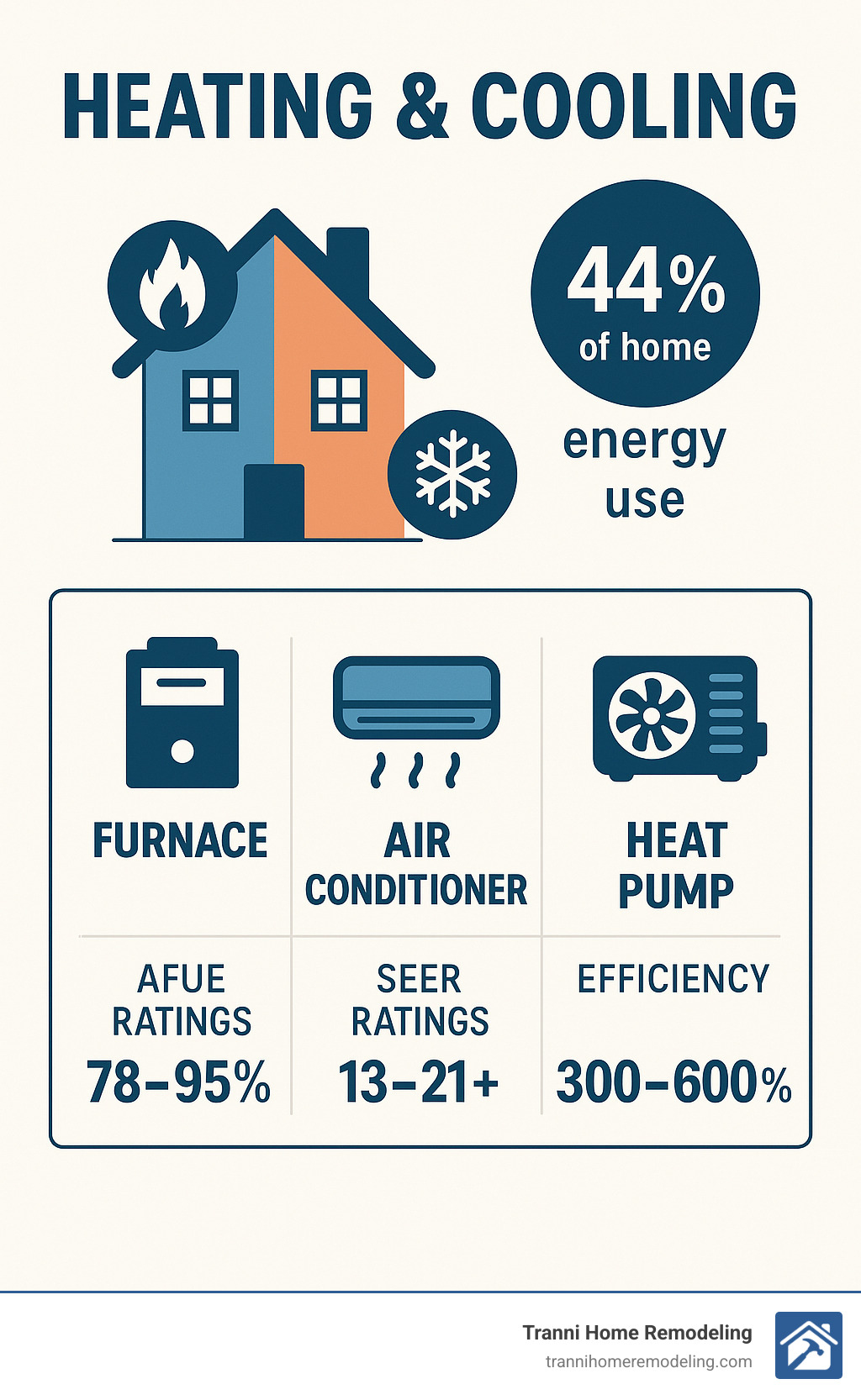
Heating and cooling systems are the backbone of home comfort, accounting for nearly 44% of your energy bills according to the U.S. Department of Energy. With so many options available—from high-efficiency furnaces and smart heat pumps to ductless mini-splits and geothermal systems—choosing the right products can feel overwhelming.
Top heating and cooling product categories to consider:
- Heating Systems: Gas furnaces (90%+ AFUE), boilers, heat pumps, wood/pellet stoves
- Cooling Solutions: Central air (14+ SEER), window units, portable ACs, evaporative coolers
- Dual-Purpose Options: Heat pumps, ductless mini-splits, geothermal systems
- Smart Controls: Programmable thermostats, zoning systems, Wi-Fi enabled units
- Efficiency Upgrades: ENERGY STAR certified equipment, proper sizing, duct sealing
The right system depends on your home size, insulation levels, local climate, and budget. Heat pumps can cut heating electricity use by 30-40%, while upgrading from a SEER 9 to SEER 14 air conditioner reduces energy consumption by over 35%.
As Tyler Tranni, owner of Tranni Home Remodeling, I’ve helped countless Billerica homeowners optimize their heating and cooling systems through kitchen, bathroom, and whole-home renovations. My experience installing ductless systems and coordinating HVAC upgrades has shown me how the right products can transform both comfort and energy costs.
Know your heating and cooling terms:
– HVAC Installation
– ac installation
– air conditioning services near me
Why a Product Roundup Matters
The heating and cooling market has evolved dramatically in recent years. With energy costs rising and climate concerns growing, homeowners in Middlesex County are looking for systems that deliver both comfort and efficiency. Since heating and cooling represent nearly half of your home’s energy consumption, choosing the right equipment can literally cut your utility bills in half when combined with proper insulation and weatherization.
Key decision factors include:
– Energy efficiency ratings (SEER, AFUE, HSPF)
– System sizing based on Manual J load calculations
– Climate compatibility for New England winters
– Installation requirements and existing ductwork
– Long-term operating costs versus upfront investment
Must-Have Heating Systems for 2024
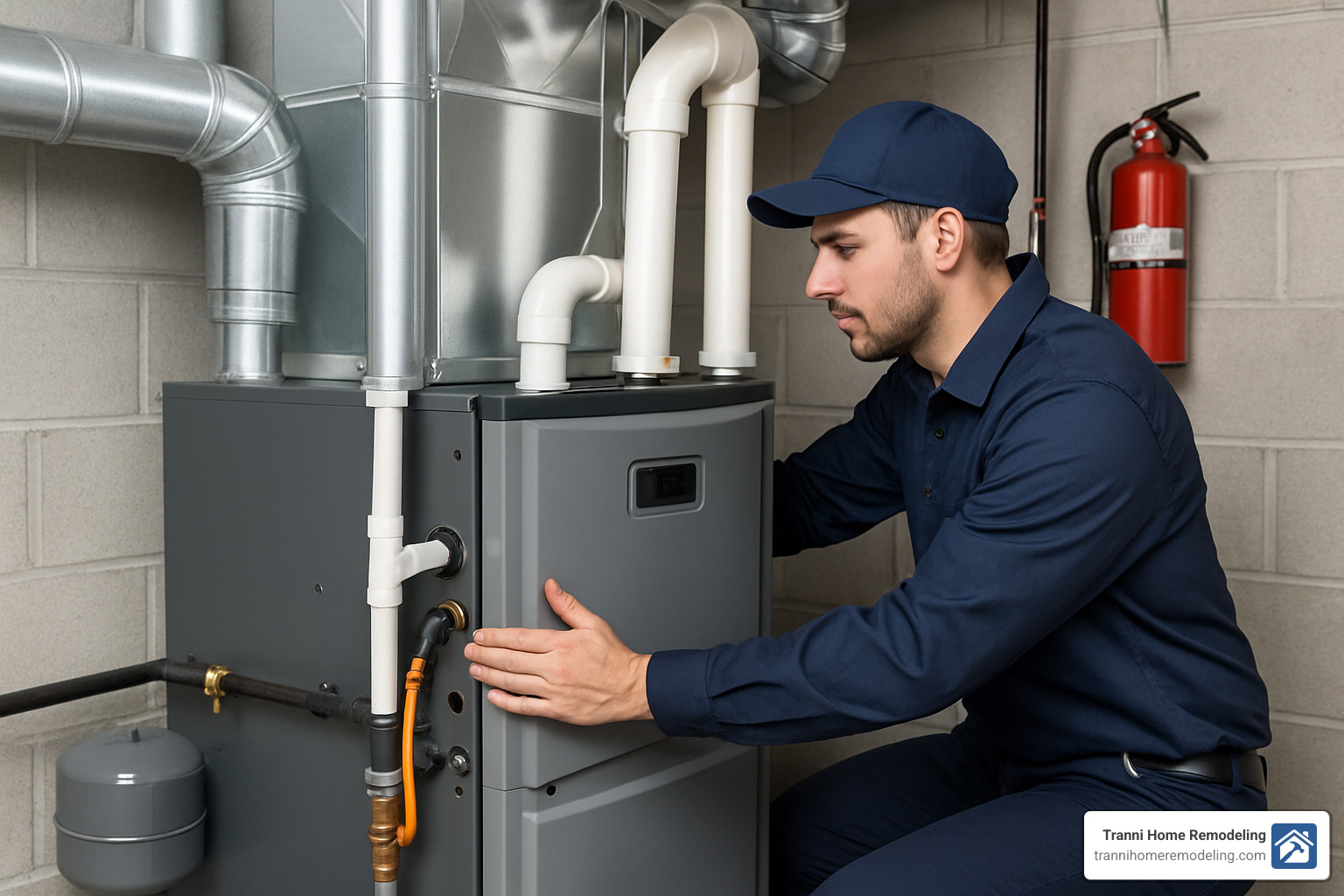
When it comes to keeping your home warm during those brutal New England winters, today’s heating and cooling systems offer incredible efficiency improvements over older equipment. I’ve seen how upgrading from an old 80% AFUE furnace to a modern 95% unit can cut heating bills by nearly 20%.
The standout options for 2024 include high-efficiency gas furnaces that achieve AFUE ratings between 90-98%, meaning they convert almost every bit of fuel into usable heat. Condensing boilers offer similar efficiency for homes with hydronic systems, while pellet stoves and high-efficiency fireplaces provide supplemental heating with a cozy ambiance.
Understanding AFUE ratings is crucial—this measures how much fuel gets converted to heat versus what goes up the chimney. A 95% AFUE furnace wastes only 5% of its fuel, compared to 20-30% for older systems.
Average installation costs range from $3,000 to $15,000 for most systems, though premium units can reach $45,000 or more depending on size, features, and installation complexity. These are average costs based on internet data and not actual costs for Tranni Home Remodeling.
High-Efficiency Furnaces Reviewed
Gas furnaces remain the most popular choice in Massachusetts, and for good reason. The newest models feature variable-speed blowers that adjust airflow based on your home’s actual heating needs. Instead of blasting hot air and then shutting off, these systems run longer at lower speeds for more even temperatures throughout your home.
Sealed combustion is another game-changer I always recommend. These furnaces pull outside air for burning fuel rather than using your heated indoor air. This design improves efficiency by 5-10% while preventing backdrafting issues that can occur with older atmospheric units.
The top-tier furnaces use modulating gas valves that can adjust their output anywhere from 40% to 100% capacity. Think of it like having a dimmer switch for your heating system—it provides just the right amount of heat without the temperature swings you get with basic on/off operation.
Boiler Upgrades You’ll Love
Hydronic heating systems have come a long way from the old cast-iron radiators your grandparents might have had. Modern condensing boilers capture heat from exhaust gases that older units simply wasted, achieving AFUE ratings above 90%.
Radiant floor heating paired with a high-efficiency boiler creates the ultimate comfort experience. There’s nothing quite like walking barefoot on warm floors during a February cold snap. These systems operate at lower water temperatures than traditional radiators, which means better efficiency and lower operating costs.
Modulation technology in boilers works similarly to furnaces, adjusting burner output based on actual demand. This prevents the system from overshooting your target temperature and extends equipment life by reducing cycling on and off.
Best-in-Class Cooling Solutions for Every Space

When Massachusetts summers heat up, having the right cooling system makes all the difference between comfort and misery. Heating and cooling solutions for summer range from budget-friendly window units starting around $300 to premium whole-house systems that can cost $3,000 to $12,000—or even $36,000+ for high-end installations with all the bells and whistles.*
The secret isn’t just buying the biggest unit you can afford. It’s about matching the right cooling capacity to your specific space while maximizing energy efficiency through high SEER ratings. A properly sized system will keep you comfortable without breaking the bank on electric bills.
Room-By-Room Cooling Picks
Sometimes you don’t need to cool your entire home—maybe it’s just that one bedroom that gets too hot, or you want to add cooling to a finished basement or home office. That’s where targeted cooling solutions shine.
Window air conditioners have come a long way from the noisy, energy-hungry units of decades past. Today’s models offer impressive efficiency in surprisingly compact packages. When shopping, look for ENERGY STAR certified models with SEER ratings of 12 or higher. Modern features like programmable timers, sleep modes, and remote controls make these units genuinely convenient to live with.
Portable air conditioners give you the ultimate flexibility—roll them wherever you need cooling most. Just remember they need proper venting through windows or doors to work effectively. While convenient for renters or temporary cooling needs, they typically use more electricity than window units because their compressors generate heat inside your living space.
For workshops, garages, or covered porches, evaporative coolers (sometimes called swamp coolers) work surprisingly well during dry spells. These clever units use water evaporation to cool air, consuming a fraction of the electricity traditional air conditioners demand.
Whole-House Comfort Choices
Nothing beats the luxury of walking into a perfectly cool home on a sweltering summer day. Split system central air delivers this comfort by pairing an outdoor condenser with an indoor evaporator coil, distributing cool air through your existing ductwork.
Modern central air systems achieve SEER ratings of 16-21 or higher, which means dramatic savings compared to older 10 SEER units. ENERGY STAR certification ensures your system meets strict efficiency standards—certified units must achieve minimum SEER ratings of 14, though the best models far exceed this baseline.
Here’s something many homeowners overlook: your ductwork plays a huge role in system performance. Even the most efficient air conditioner struggles if your ducts leak conditioned air into unconditioned spaces like attics or crawl spaces. Professional duct sealing and insulation can improve system efficiency by up to 20%, making it a smart investment alongside new equipment.
*Average costs based on public internet data; actual project pricing varies widely and may exceed high-end estimates by 3× or more.
Dual-Purpose Heat Pumps & Mini Splits: The Ultimate Heating and Cooling Answer
If you’re looking for the Swiss Army knife of heating and cooling systems, heat pumps and mini-splits are your answer. These clever systems work like magic—they don’t create heat or cold, they simply move it around. That’s why they can achieve 300-600% efficiency compared to old-school electric baseboard heaters.
Think about it this way: instead of burning fuel to make heat, these systems grab heat from outside air (yes, even when it’s cold!) and pump it into your home. In summer, they reverse the process to keep you cool. It’s like having one system that does the job of both a furnace and an air conditioner.
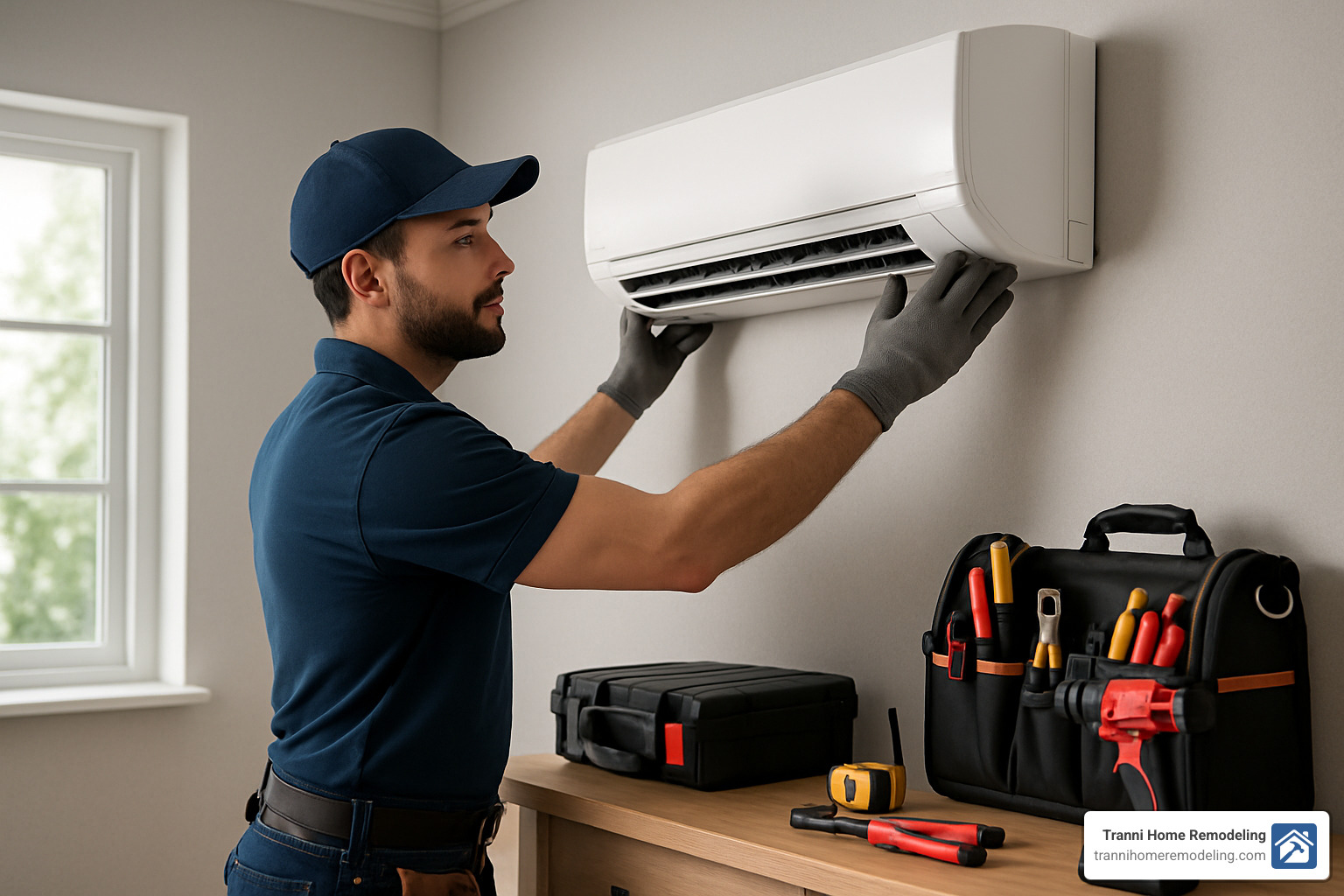
Our Ductless Heat Pump System installations have transformed comfort for homeowners throughout Middlesex County. The beauty lies in their inverter technology—these systems can ramp up or down smoothly instead of constantly turning on and off like traditional systems.
When evaluating heat pumps, you’ll encounter SEER ratings for cooling efficiency and HSPF ratings for heating performance. The higher these numbers, the more money stays in your pocket each month.
Top Mini Split Heating and Cooling Combos
Zoned comfort control is where mini-splits really shine. Imagine having a thermostat for every room—that’s essentially what you get. Each indoor unit operates independently, so you can keep the bedrooms cool while the living room stays warmer. No more battles over the thermostat!
The low-ambient heating performance of modern units has been a game-changer for New England homes. Today’s cold-climate heat pumps keep working efficiently down to -15°F or even lower. They only need backup heat during those brutal cold snaps we occasionally get in Massachusetts.
Our Mini Split AC Heat Pump installations typically feature multi-zone capability for 2-8 indoor units, giving you precise control over every space. The Wi-Fi controls let you adjust temperatures from your smartphone—perfect for warming up the house before you get home from work.
ENERGY STAR certification isn’t just a nice-to-have feature—it’s your ticket to maximum rebates and long-term savings. These certified systems meet strict efficiency standards that translate to real money in your pocket.
Geothermal & Cold-Climate Heat Pumps
Ground-source heat pumps take efficiency to the next level by tapping into the earth’s stable temperatures. About six feet underground, soil temperatures stay around 50-55°F year-round—perfect for heat pump operation. While installation costs are higher due to the ground loops required, these systems can achieve coefficient of performance ratings above 4.0.
Air-source heat pump advances have been remarkable in recent years. The new cold-climate models maintain full heating capacity at 5°F and partial capacity down to -15°F. This makes them practical alternatives to oil and propane heating throughout our region.
The environmental story gets even better. According to Scientific research on HVAC emissions, electric heat pumps powered by our increasingly clean electrical grid produce roughly one-quarter the CO2 emissions of natural gas furnaces. As our grid gets cleaner, heat pumps become even more environmentally friendly.
Rebates are another compelling reason to consider heat pumps. Federal tax credits, state incentives, and utility rebates can significantly offset installation costs, making these efficient systems more affordable than ever.
Smart Controls & Efficiency Upgrades
The beauty of modern heating and cooling systems lies not just in the equipment itself, but in how smart you can make them work for you. I’ve seen homeowners cut their energy bills by hundreds of dollars annually just by upgrading their controls and making a few strategic efficiency improvements.
Smart thermostats represent one of the best investments you can make in your home’s comfort system. A quality programmable thermostat can save about $150 annually when properly used, while more advanced models with learning capabilities and smartphone controls can save even more. The real magic happens when you combine smart controls with efficiency upgrades like duct sealing, which can boost your system’s performance by 20% or more.
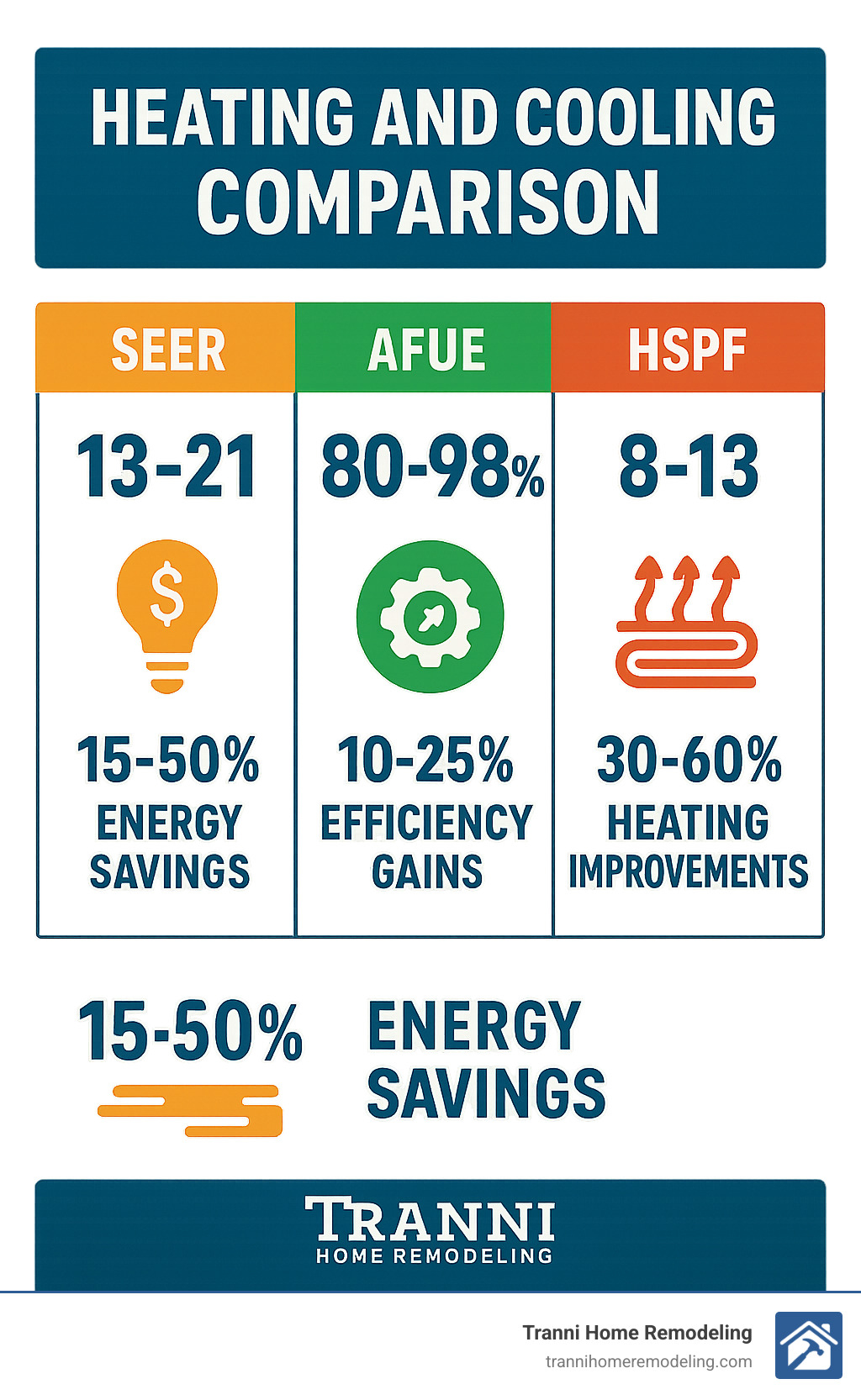
What makes these upgrades so effective is how they work together. ENERGY STAR certified equipment paired with smart controls and proper maintenance creates a system that’s far more efficient than the sum of its parts. The efficiency gains from upgrading SEER ratings, AFUE performance, and HSPF ratings compound when combined with intelligent controls that optimize operation.
Thermostat Settings That Slash Bills
Here’s where many homeowners leave money on the table without realizing it. The magic numbers for optimal comfort and savings are 68°F during winter when you’re home and 78°F during summer cooling season. I know that might sound uncomfortable at first, but most families adjust within a week or two.
Each degree you adjust your thermostat changes your operating costs by approximately 2%. That means if you typically keep your home at 72°F in winter, dropping to 68°F could cut your heating costs by 8%. Over a heating season, that’s substantial savings for such a simple change.
Setback strategies offer even bigger savings potential. When you’re away for 8 hours or more, adjusting your thermostat by 7-10 degrees can save up to 10% annually on heating and cooling costs. Smart thermostats make this effortless by learning your schedule and making adjustments automatically.
One important note for heat pump owners: older systems shouldn’t use aggressive manual setbacks because rapid temperature recovery can trigger expensive electric resistance backup heating. Newer smart thermostats designed for heat pumps include intelligent recovery features that avoid this costly mistake.
Easy DIY & Pro Maintenance Tips
The simplest thing you can do for your heating and cooling system costs nothing but 5 minutes of your time each month: change or clean your filters. During peak heating and cooling seasons, dirty filters can increase energy consumption by 5-15% while shortening your equipment’s lifespan. Set a phone reminder for the first of each month—your system will thank you.
Professional tune-ups represent the sweet spot between DIY maintenance and major repairs. Annual professional maintenance typically pays for itself by cutting heating and cooling costs by 5-10% while catching small problems before they become expensive failures. When we handle HVAC Installation projects, we always include maintenance planning to keep systems running at peak performance.
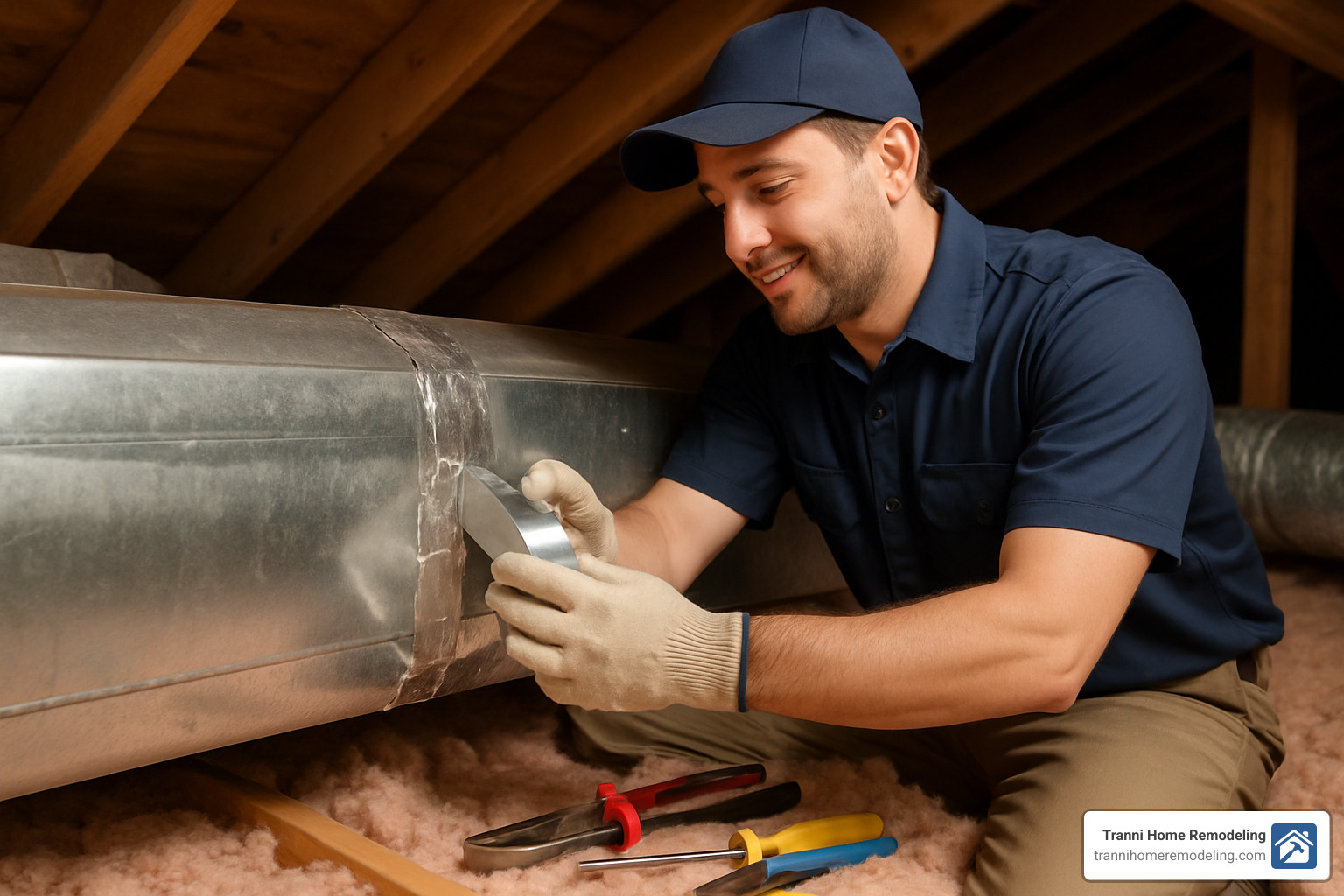
Duct sealing offers some of the biggest efficiency gains you can achieve. Many homes lose 20-30% of their conditioned air through leaky ductwork, especially in attics, basements, and crawl spaces. Sealing connections with mastic or metal-backed tape, then adding insulation, can improve your system’s efficiency by up to 20%. Focus on the areas you can access safely—the visible connections often represent the biggest leaks.
The combination of smart controls and proper maintenance transforms any heating and cooling system from a simple appliance into an intelligent comfort system that adapts to your lifestyle while minimizing energy waste.
Installation, Sizing & Maintenance Best Practices in Middlesex County MA
Proper installation makes the difference between mediocre and exceptional heating and cooling performance. In our climate zone 5 region, systems must handle both humid summers and cold winters while maintaining efficiency year-round.
Manual J Load Calculations
Accurate sizing requires Manual J load calculations considering:
– Home square footage and ceiling heights
– Insulation levels in walls, attic, and basement
– Window efficiency and solar orientation
– Air sealing and infiltration rates
– Occupancy patterns and internal heat gains
Average costs for professional installation range from $5,000 to $25,000, with complex systems potentially exceeding $30,000 or more depending on home size and equipment selection.
Avoid These Heating and Cooling Mistakes
Oversizing Equipment
Bigger isn’t better with HVAC systems. Oversized equipment cycles on and off frequently, reducing efficiency and comfort while increasing wear. Proper sizing based on actual loads ensures optimal performance.
Thermostat “Blast” Myth
Setting your thermostat to extreme temperatures doesn’t heat or cool your home faster—it just wastes energy. Systems operate at fixed capacity regardless of setpoint.
Ignoring Duct Leaks
Even efficient equipment can’t overcome leaky ductwork. Sealing ducts should be a priority before replacing equipment, as it can improve performance by 20% or more.
Incentives & Rebates You Should Know
Federal Tax Credits
Current federal tax credits cover 30% of qualifying heat pump and geothermal installations through 2032, with no maximum dollar limit for geothermal systems.
Mass Save Rebates
Massachusetts residents can access rebates for ENERGY STAR certified equipment, duct sealing, and insulation upgrades through the Mass Save program.
ENERGY STAR Offers
ENERGY STAR certified equipment often qualifies for utility rebates and manufacturer incentives, reducing upfront costs while ensuring long-term savings.
Frequently Asked Questions about Heating and Cooling Products
When you’re considering new heating and cooling equipment for your home, the same questions come up again and again. After helping Middlesex County homeowners with HVAC upgrades during kitchen and bathroom renovations for over a decade, I’ve learned that getting the right answers upfront saves both money and headaches down the road.
What size HVAC system does my home need?
Here’s the thing about system sizing—it’s way more complicated than just measuring your square footage and calling it a day. I’ve seen too many homeowners end up with oversized systems that cycle on and off constantly, wasting energy and never quite delivering the comfort they expected.
A proper Manual J load calculation considers your home’s insulation levels, window efficiency, air sealing quality, and our specific New England climate. Well-insulated homes might only need one ton of cooling capacity for every 800-1,000 square feet, while older homes with minimal insulation could require one ton per 400-500 square feet.
The difference is huge. Your home’s orientation, ceiling height, and even how many people live there all factor into the equation. That’s why professional sizing matters—it ensures your new heating and cooling system runs efficiently without short-cycling or struggling to maintain comfortable temperatures.
How often should filters be replaced?
This is probably the most common maintenance question I get, and the answer depends on your specific situation. The general rule is to check your filters monthly during peak heating and cooling seasons, then replace them when they look dirty—typically every 1-3 months.
High-efficiency filters with higher MERV ratings catch more particles but may need changing more frequently since they fill up faster. Basic fiberglass filters usually require monthly replacement, especially if you have pets or live on a dusty road.
Here’s why it matters: dirty filters can increase your energy consumption by 5-15% while putting extra strain on your equipment. When I’m working on home renovations, I always remind clients that this simple maintenance task can literally pay for itself through lower utility bills.
Are heat pumps worth it in New England winters?
This question comes up constantly, and I understand why. For years, heat pumps had a reputation for being ineffective in cold climates. But modern cold-climate heat pumps have completely changed the game.
Today’s units maintain their heating capacity down to -15°F or even lower, making them perfectly viable for our Massachusetts winters. They work most efficiently as your primary heating source, with a backup system kicking in only during those brutal cold snaps we occasionally get.
The numbers speak for themselves—heat pumps can reduce your heating costs by 30-40% compared to electric resistance heating, and they’re often more efficient than oil or propane systems too. Plus, they provide cooling in summer, giving you year-round comfort from a single system.
When I install ductless mini-splits during bathroom or kitchen remodels, homeowners are often amazed at how well they heat even during January and February. The technology has come so far that heat pumps are now a smart choice for most New England homes.
Conclusion
Finding the perfect heating and cooling system for your home doesn’t have to feel overwhelming. Whether you’re considering a high-efficiency furnace for reliable winter warmth, a ductless mini-split for year-round comfort, or a cutting-edge heat pump that does it all, the secret lies in matching the right equipment to your specific needs.
Throughout my years helping homeowners in Billerica, Burlington, Chelmsford, and across Middlesex County, I’ve learned that the best heating and cooling upgrades often happen during larger renovation projects. When we’re already opening walls for a kitchen remodel or finishing a basement, it’s the perfect time to upgrade ductwork, add zoned mini-splits, or install that smart thermostat you’ve been wanting.
The numbers don’t lie—heating and cooling represents nearly half your energy bills, so getting it right pays dividends for decades. I’ve seen families cut their monthly utility costs by 30-40% with the right heat pump installation, while others have gained incredible comfort and convenience with ductless systems that let everyone control their own space.
At Tranni Home Remodeling, we approach every project with the same commitment to quality craftsmanship that’s built our reputation over the past decade. From our home base in Billerica, we serve communities throughout Andover, Bedford, Carlisle, Concord, Lexington, Reading, Winchester, and beyond. Our experience integrating HVAC upgrades with kitchen remodels, bathroom renovations, and whole-home improvements means your new systems work seamlessly with your lifestyle.
Ready to transform your home’s comfort and slash those energy bills? Let’s talk about how modern heating and cooling solutions can improve your next renovation project. For detailed information about our services, check out our More info about Ductless Heating and Cooling Systems page.
*Average costs based on public internet data; actual project pricing varies widely and may exceed high-end estimates by 3× or more.
