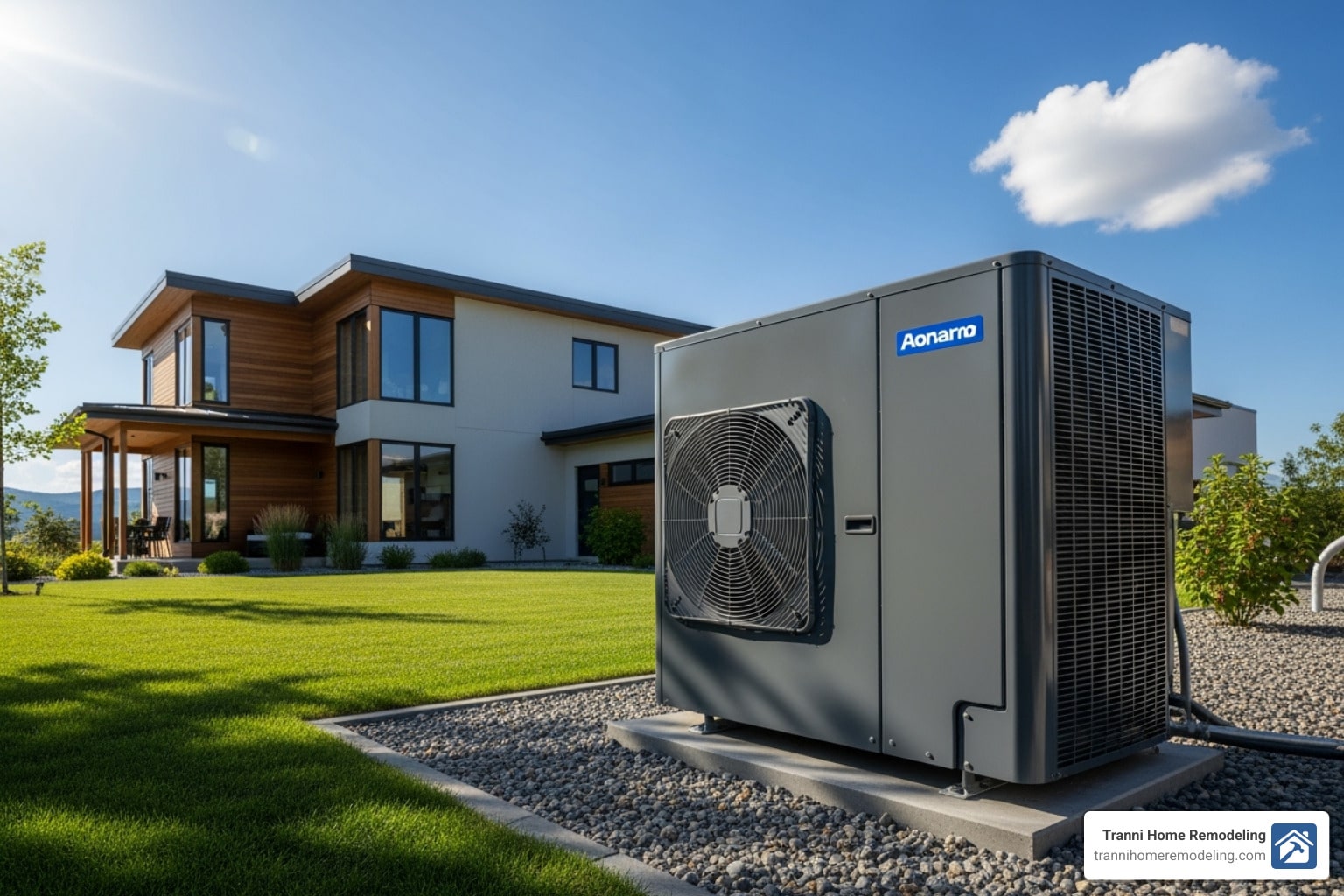





HVAC 101: Ultimate Guide to Comfort & Safety
What HVAC Really Means for Your Home
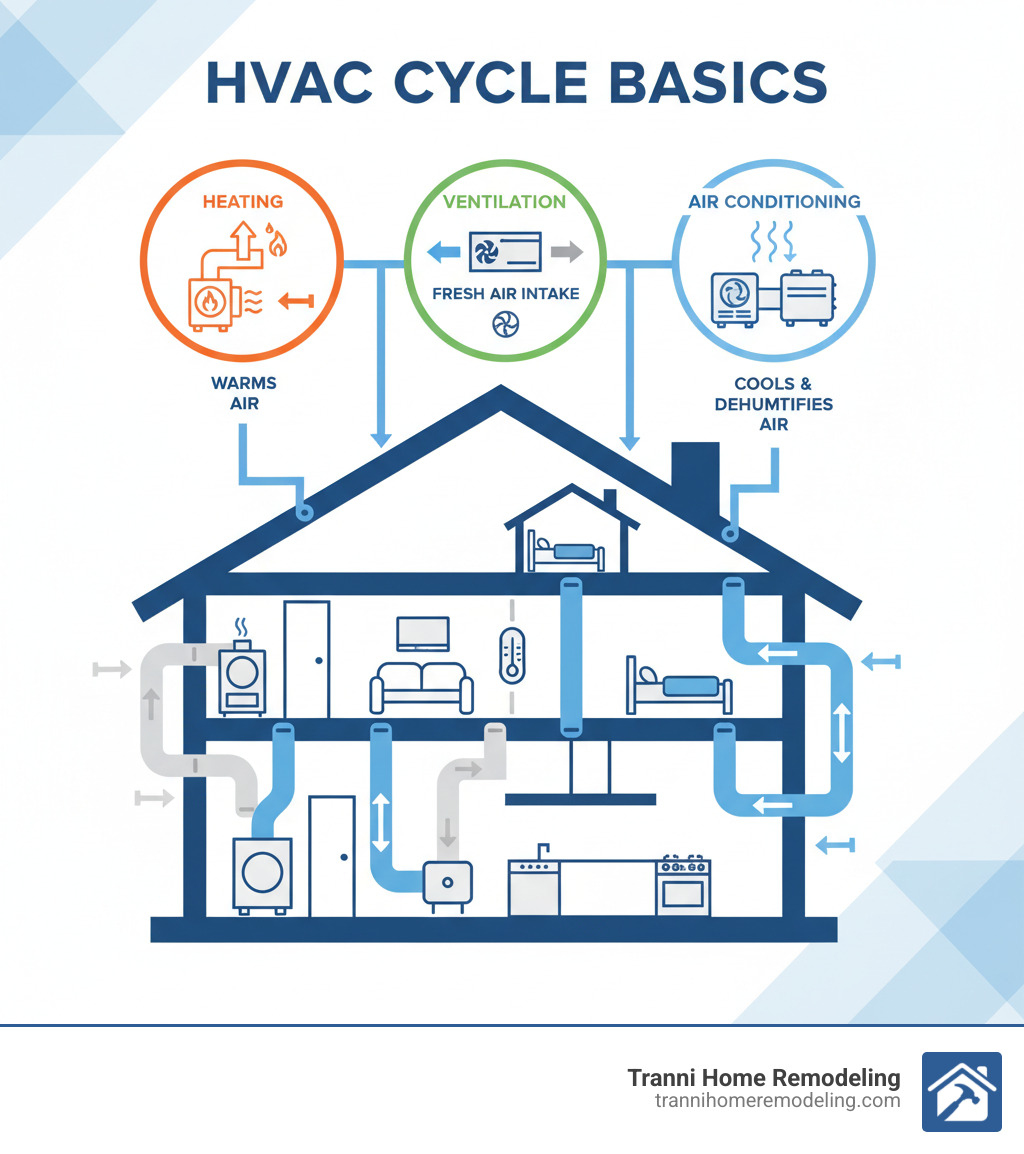
HVAC stands for Heating, Ventilation, and Air Conditioning. These three systems work together to control your home’s temperature, humidity, and air quality, keeping you comfortable year-round. Here’s a quick breakdown:
- Heating: Warms your home with furnaces, boilers, or heat pumps.
- Ventilation: Circulates fresh air and removes stale air to maintain healthy indoor air quality.
- Air Conditioning: Cools and dehumidifies your home during hot weather.
Understanding your HVAC system is key to solving common issues like high energy bills or stuffy rooms. A well-designed system protects your health, saves money, and can increase your home’s value. While the concept of air conditioning dates back to 1902, today’s systems are far more advanced, offering automatic adjustments and remote control from your smartphone.
Whether you’re considering a replacement, planning a home addition, or are just curious about the vents in your walls, this guide has you covered.
I’m Tyler Tranni, owner of Tranni Home Remodeling. I’ve helped many homeowners in Billerica and surrounding areas upgrade their HVAC systems during remodeling projects. Integrating these systems with your home’s design is crucial for creating comfortable, energy-efficient living spaces.
Quick hvac terms:
The Core Components of an HVAC System
An HVAC system works through a continuous cycle of air movement and conditioning. It draws in air, filters it, and then heats or cools it based on your thermostat setting. For cooling, the refrigeration cycle uses a refrigerant to absorb heat from inside your home and release it outdoors. The air handling unit manages this process, using heat transfer to maintain your desired temperature.
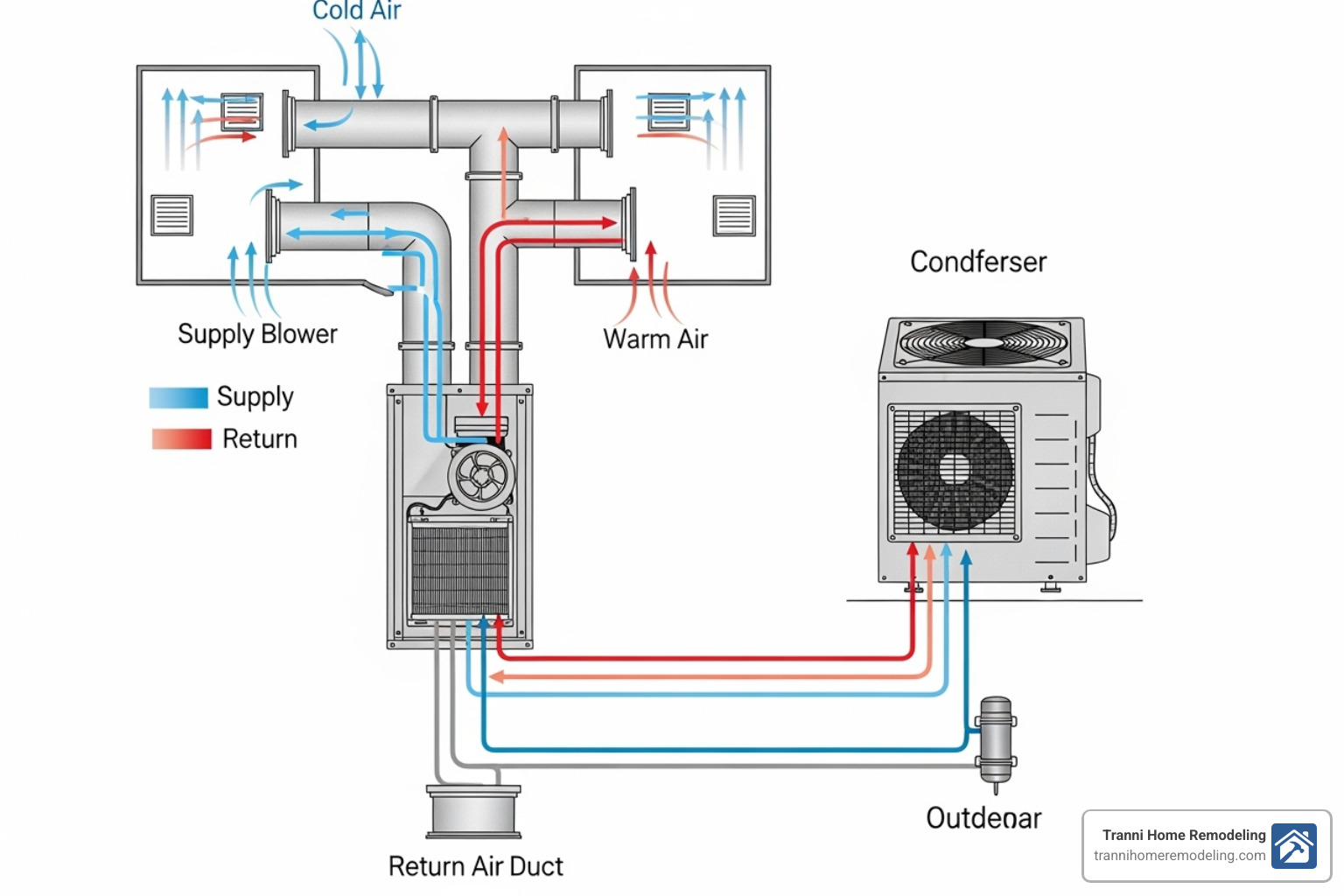
Heating and Cooling Sources
The heart of any HVAC system is how it creates warm or cool air. Here are the main options for Heating and Cooling.
- Furnaces are a common heating solution, burning fuel like natural gas to create heat that’s pushed through ductwork. They are reliable, especially in New England winters.
- Air conditioners remove heat and humidity from your indoor air. If your unit is struggling, our Air Conditioning Services Near Me can help you find an efficient, modern replacement.
- Heat pumps are highly efficient systems that move heat. In summer, they move heat outdoors, and in winter, they extract heat from the outside air and bring it inside. A Ductless Heat Pump System is a great option for additions or homes without ducts.
- Boilers heat water to create steam or hot water that circulates through radiators or radiant flooring, providing even, comfortable heat.
Air Distribution and Quality
Once air is conditioned, it must be distributed throughout your home.
- Ductwork acts as a highway for air, carrying it to and from your central unit. Properly sealed ducts are crucial for efficiency.
- Vents and registers are the grilles where conditioned air enters your rooms.
- Air filters are your first line of defense against dust, pollen, and other allergens.
- Humidifiers and dehumidifiers manage moisture levels for optimal comfort, preventing dry winter air or sticky summer humidity.
- Ventilation is the process of bringing in fresh outdoor air and removing stale indoor air, which eliminates odors and pollutants. The Air Changes Per Hour (ACH) rate, guided by standards like the CDC ventilation guidelines, ensures your air stays healthy.
Control Systems
Your thermostat is the command center for your HVAC system.
- Smart thermostats connect to Wi-Fi, allowing you to control your home’s temperature from a smartphone. They can create programmable schedules to save energy while you’re away and ensure comfort when you’re home.
- Zoning systems offer next-level control by allowing you to set different temperatures for different areas of your home, maximizing both comfort and efficiency.
- Remote access means you’re always in control, no matter where you are. Modern systems can learn your preferences and integrate with other smart home devices.

Common Types of HVAC Systems
Choosing the right HVAC system depends on your home’s layout, size, age, and local climate. There’s no one-size-fits-all solution, but several excellent options are available. Let’s explore the most common types to help you make an informed decision.
Central HVAC and Split Systems
Central HVAC systems are the workhorses of residential climate control. These forced-air systems use a central unit to condition air and distribute it through a network of ducts. The term “split” refers to the components being divided between an outdoor unit (compressor and condenser) and an indoor unit (evaporator coil and air handler). This setup provides consistent temperature and air quality throughout your home, making it an effective solution for Heating and Air Conditioning an entire house.
Ductless Mini-Split Systems
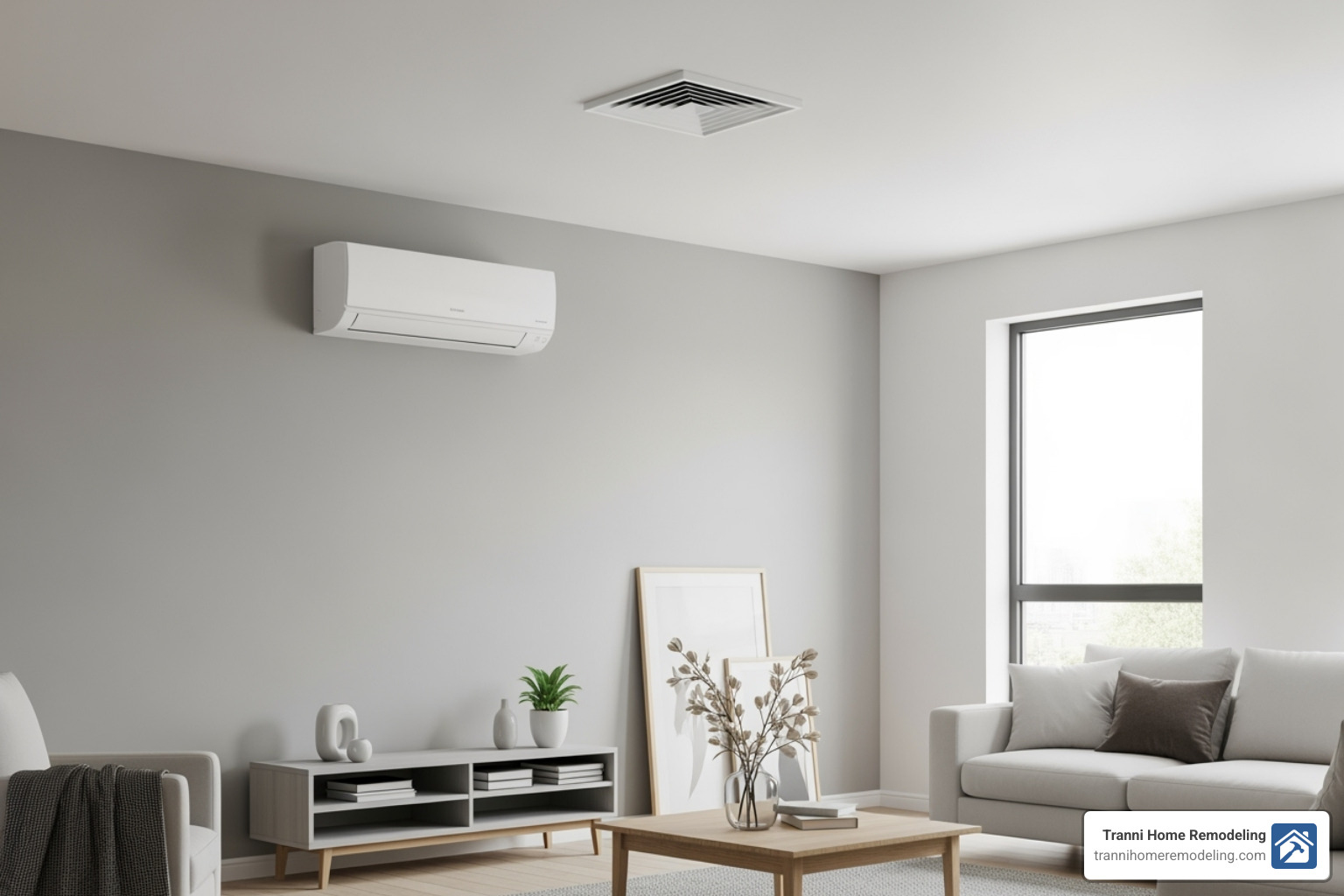
Ductless mini-split systems deliver targeted comfort without requiring extensive ductwork. They consist of an outdoor compressor connected to one or more indoor air handlers, each controlling the climate of an individual room or zone. Their versatility makes them ideal for home additions, basement conversions, or older homes. A Ductless Air Conditioner is an efficient and minimally disruptive option. We specialize in Mini Split AC Installation and HVAC Installation for Older Homes that lack existing ductwork.
Other System Types
Several other systems meet specific needs:
- Packaged Systems: These contain all components in a single outdoor cabinet, often used where indoor space is limited.
- Geothermal Systems: Using the stable temperature of the earth, these systems transfer heat via underground pipes for highly efficient, year-round heating and cooling. The Department of Energy offers more geothermal heat pumps info.
- Radiant Heating: This approach warms surfaces like floors or walls directly, providing a gentle, even heat.
- Hybrid (Dual-Fuel) Systems: These combine an electric heat pump with a gas furnace, automatically switching between them to optimize for efficiency and comfort based on outdoor temperatures.
Understanding HVAC Efficiency, Safety, and Standards
Investing in an HVAC system impacts your energy bills, safety, and home value for years. Understanding efficiency ratings, safety, and industry standards is key to making a smart choice. An efficient system can save you hundreds of dollars annually compared to an inefficient one.
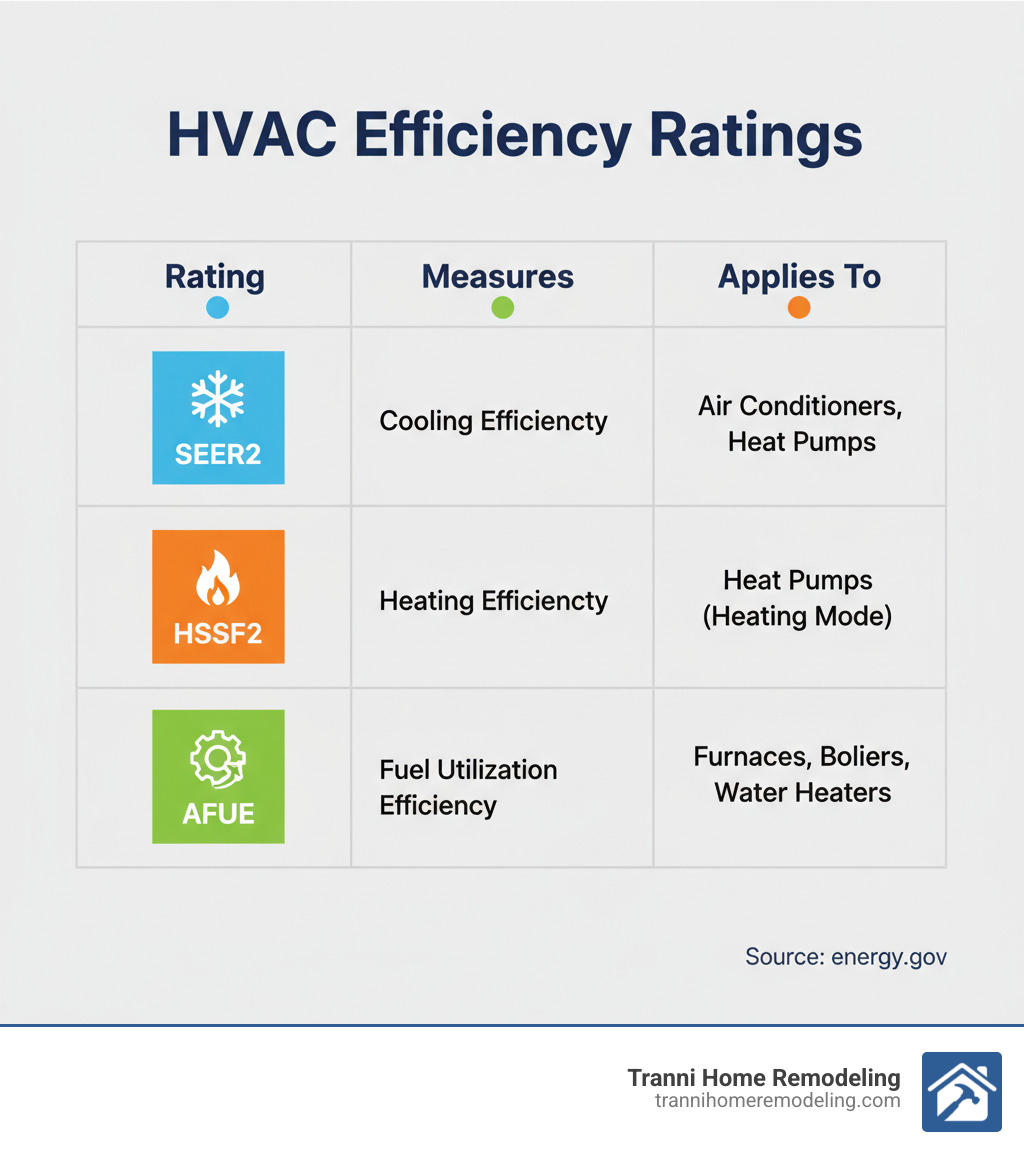
Key Energy Efficiency Ratings for your HVAC
Efficiency ratings tell you how well a system converts energy into comfort. Higher ratings mean lower utility bills.
- SEER2 (Seasonal Energy Efficiency Ratio): Measures an air conditioner’s or heat pump’s cooling efficiency over a whole season. Higher is better.
- HSPF2 (Heating Seasonal Performance Factor): Measures a heat pump’s heating efficiency.
- AFUE (Annual Fuel Utilization Efficiency): Shows the percentage of fuel a furnace or boiler converts into heat. A 95% AFUE rating means 95% of the fuel heats your home.
- EER2 (Energy Efficiency Ratio): Measures cooling efficiency at a peak temperature of 95°F.
- ENERGY STAR® certification: Indicates products that meet strict EPA efficiency guidelines.
- BTU (British Thermal Unit): Measures the system’s heating or cooling capacity. Proper sizing is crucial.
- Decibels (dB): Indicates the operational noise level. Lower is quieter.
Safety Hazards and Precautions
Modern HVAC systems are safe, but awareness of potential hazards is important. Most issues are preventable with proper maintenance.
- Carbon Monoxide: A risk with fuel-burning equipment. This odorless, colorless gas can be deadly. Install CO detectors and schedule annual professional inspections to check for cracks or venting issues. You can find more information on carbon monoxide poisoning.
- Refrigerant Leaks: These pose environmental and health risks. Only EPA-certified technicians should handle refrigerants.
- Electrical Hazards: HVAC systems use high-voltage components. Faulty wiring is a fire risk. Always hire a professional.
Regular maintenance and professional inspection are your best defense against these hazards.
Important Codes and Standards for HVAC
The HVAC industry is governed by codes and standards to ensure safety and quality.
- ASHRAE and ACCA set technical and quality installation standards.
- IRC (International Residential Code) provides building regulations for safe installation.
- The EPA regulates refrigerants, requiring technicians to have EPA refrigerant certification.
- Local building codes add specific requirements for your area. A qualified contractor will be familiar with these and handle all necessary permits.
Planning Your HVAC Installation or Replacement
Deciding to install or replace your HVAC system can feel overwhelming, but thoughtful planning makes the process smooth. A careful approach to sizing, budgeting, and contractor selection ensures you get a system that serves you well for years. Our HVAC Installation Services are designed to guide you through this journey.
Factors Influencing Cost
HVAC system costs vary widely. Based on internet research, a replacement can range from $3,000 to $15,000 or more, with some premium systems and complex installations reaching $25,000 to $45,000. Please note, these are average costs based on internet data and not actual costs for Tranni Home Remodeling. Key factors include:
- System type and size: A large, complex system costs more than a basic one.
- Efficiency ratings: Higher SEER2 and AFUE ratings have a higher upfront cost but provide long-term energy savings.
- Brand and labor rates: Costs vary by manufacturer and location. However, installation quality is more important than brand name.
- Ductwork modifications: Altering or replacing ductwork can add significantly to the cost.
- Extras: Smart thermostats, zoning, and air purifiers add to the final price.
- Upgrades: Older homes may need electrical upgrades to support modern equipment.
We provide Affordable HVAC Installation Services focused on quality and long-term value.
Choosing the Right System for Your Home
Picking the right HVAC system requires matching it to your home and needs.
- Home size and layout: These determine the required capacity (BTUs) and whether a ducted or ductless system is best.
- Local climate: In Massachusetts, a heat pump or a dual-fuel system that combines a heat pump with a furnace is a smart, efficient choice for our four-season climate.
- Insulation and window quality: A well-insulated home requires a smaller, less expensive system. Upgrading insulation can be a cost-effective first step.
- Budget and efficiency goals: Balance upfront costs with long-term savings from a high-efficiency unit.
- Indoor air quality needs: If allergies or respiratory issues are a concern, consider systems with advanced filtration and humidity control.
Finding a Qualified Professional
The quality of the installation is more important than the equipment itself. A poor installation will lead to inefficiency and frustration. When hiring a professional, look for:
- Licensing and Insurance: Ensure they are licensed for HVAC work in Massachusetts and fully insured.
- Certifications: Look for credentials like NATE or the legally required EPA refrigerant certification.
- Reputation: Check online reviews, ask for recommendations, and see their Better Business Bureau profile.
- Written Estimates: Always get a detailed, written quote outlining all costs and work.
- Experience: Choose a contractor with experience in your specific type of project.
As you search for an HVAC Installer Near Me, know that our team at Tranni Home Remodeling has built its reputation on quality craftsmanship.
Frequently Asked Questions about HVAC
As a remodeler who frequently works with HVAC systems in the Billerica area, I often hear the same questions from homeowners. Here are the answers to some of the most common ones.
How often should I service my HVAC system?
Preventative maintenance is the best way to ensure your system’s longevity and prevent costly breakdowns. We recommend scheduling professional inspections twice a year: once in the spring for your cooling system and once in the fall for your heating system. A technician will clean components, check refrigerant levels, and inspect electrical connections. Between visits, be sure to perform regular filter changes (every 1-3 months) to keep your system running efficiently.
Can I install an HVAC system myself?
While DIY projects can be rewarding, HVAC installation is a job for professionals. The DIY risks are significant, including high-voltage electrical hazards, illegal refrigerant handling, and the potential for dangerous carbon monoxide leaks. A professional installation ensures your system runs efficiently, and it’s typically required to keep your manufacturer’s warranty valid. Professionals also ensure code compliance and handle all necessary permits and inspections.
How long does an HVAC system last?
The average lifespan of an HVAC system depends on the type and how well it’s maintained.
- Furnaces: 15-20 years
- Air conditioners and heat pumps: 10-15 years
Consistent maintenance can dramatically extend these timelines. It’s time to consider a replacement when you notice these signs:
- Frequent or costly breakdowns
- A sudden increase in energy bills
- Uneven heating or cooling
- Strange noises
When it’s time for a replacement, you’ll benefit from the significant efficiency improvements in modern systems.
Conclusion
Understanding your HVAC system is key to ensuring your home’s comfort, safety, and efficiency. From efficiency ratings to choosing the right professional, making informed decisions will serve your family for years to come. A well-functioning system is the foundation of a comfortable home, whether you’re sleeping on a hot summer night or enjoying a warm kitchen in the winter.
At Tranni Home Remodeling, we’ve seen how the right HVAC solution transforms a home. We often integrate new systems during kitchen renovations or install ductless units to make newly finished basements comfortable year-round. Your home deserves a system that provides optimal comfort and efficiency.
Whether you’re planning a renovation, dealing with an aging system, or exploring modern options, we’re here to help guide your decisions. The right HVAC technology can make your home more comfortable and efficient than ever before.
Ready to take the next step? Explore our Mini-Split AC Heat Pump solutions and find what’s possible for your home.