




Air Conditioner Installer Near Me: 10 Best Trusted Picks 2025
Finding Your Perfect Air Conditioner Installer: A Local Guide
If you’re searching for an “air conditioner installer near me,” here’s how to find the best professional quickly:
- Check licensing and insurance – Verify EPA 608 certification and proper insurance
- Read reviews – Look for 4.5+ star ratings and detailed feedback
- Compare at least 3 quotes – Request itemized estimates
- Ask about experience – Look for installers with 5+ years of experience
- Verify warranty coverage – Both for parts and labor
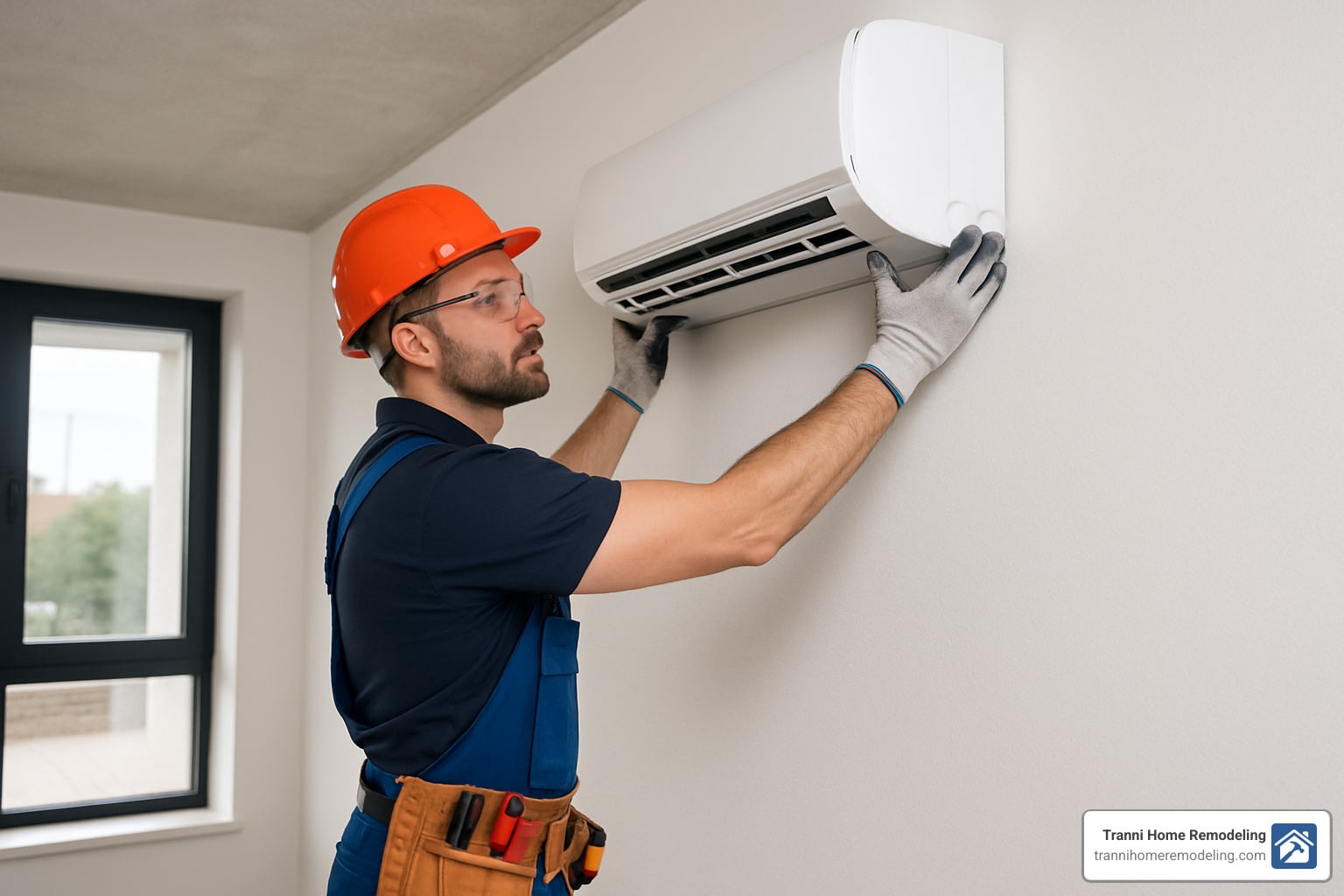
When summer temperatures rise, finding a reliable air conditioner installer near me becomes a top priority for homeowners seeking comfort and safety. Whether you’re replacing an aging unit, installing a brand-new system, or setting up a window air conditioner, working with a qualified professional ensures proper installation, optimal performance, and energy efficiency.
The search for the right installer can feel overwhelming, especially when you’re already uncomfortable in the heat. According to industry data, the average cost to install a new HVAC system is around $7,000, though prices can vary significantly based on your home’s size, the system type, and your location. Most importantly, proper installation by a licensed professional is crucial for both safety and efficiency.
Professional installation also helps avoid common pitfalls that DIY enthusiasts often encounter. A properly sized and installed air conditioning system can provide years of reliable service while minimizing energy costs. In contrast, improper installation can void warranties, create safety hazards, and lead to expensive repairs down the road.
My name is Tyler Tranni, owner of Tranni Home Remodeling, and I’ve helped countless homeowners connect with trusted air conditioner installer near me professionals to ensure their cooling systems are properly sized and installed for maximum comfort and efficiency.
Find more about air conditioner installer near me:
– HVAC Installation
– ac installation
How to Find a Reliable Air Conditioner Installer Near Me
When summer heat strikes, finding a trustworthy air conditioner installer near me becomes a priority. I understand that researching professionals might feel overwhelming when you’re already sweating in your home, but the effort pays off with years of cool comfort.
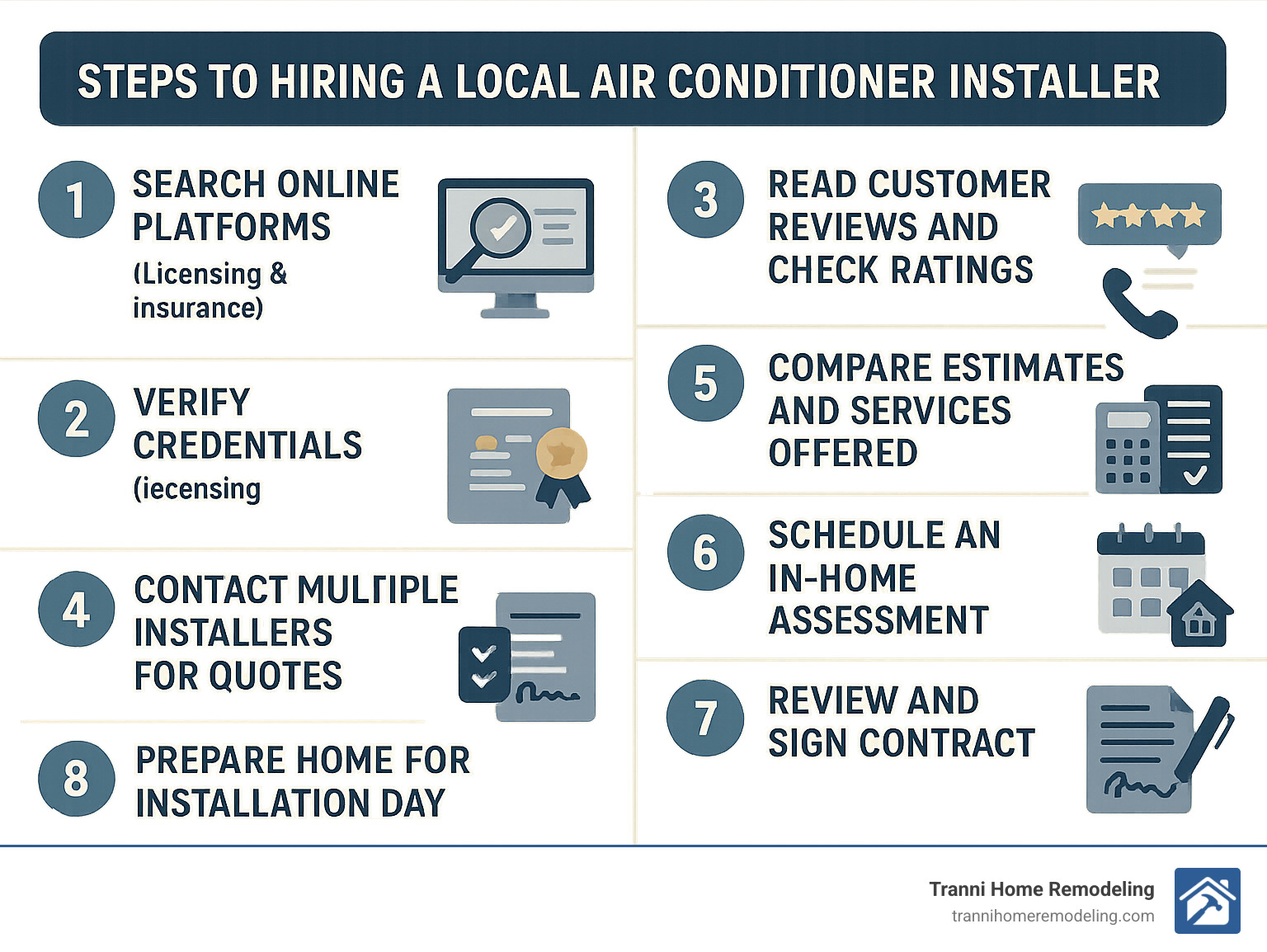
Start your search on platforms like Google Business, Yelp, and Thumbtack. These sites offer a treasure trove of information through customer experiences and ratings. The numbers speak volumes – Taskrabbit reports completing over 3.4 million home service tasks with air conditioning installations averaging an impressive 4.5-star rating. Their top installers have each completed more than 1,000 installations, showcasing the kind of experience you want working on your home.
During those scorching summer days when your AC suddenly quits, look for companies offering same-day service options. Many quality installers understand the urgency and make room in their schedules for emergency situations – because nobody should have to sleep through a Massachusetts heatwave!
Licensing & Insurance Requirements for an Air Conditioner Installer Near Me
Before inviting anyone to install your cooling system, verify their credentials thoroughly. A legitimate air conditioner installer near me should have several essential qualifications.
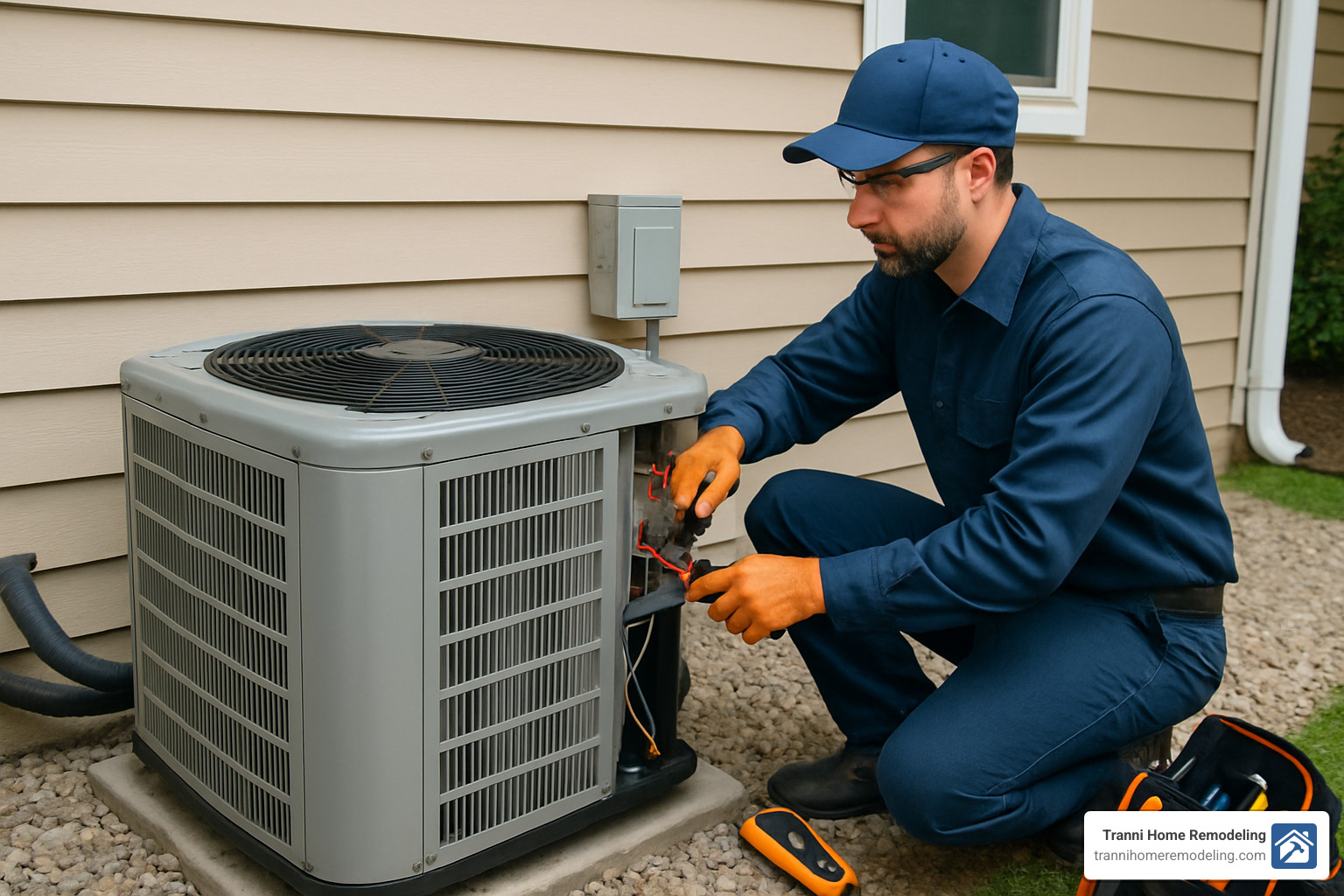
First, check for proper state licensing. Massachusetts has specific requirements for HVAC professionals, and working with a licensed installer ensures they’ve met industry standards. They should also possess EPA 608 certification, which is federally required for handling refrigerants safely – something you definitely want done correctly in your home.
Don’t overlook insurance coverage! Your installer needs liability insurance to protect your property if something goes wrong during installation. They should also carry workers’ compensation to cover their technicians if injuries occur on your property. Without these protections, you could be financially responsible for accidents.
A reputable professional will also handle all permit applications required by local building codes. When they mention this service without prompting, it’s often a good sign they’re thorough and experienced. They should know exactly which permits your installation requires and manage that paperwork seamlessly.
Reading Reviews & Comparing Quotes for an Air Conditioner Installer Near Me
Customer reviews reveal the true nature of an installer’s service. When evaluating air conditioner installer near me options, look for professionals with high star ratings – aim for 4.5 stars or better across multiple platforms. This consistency indicates reliable service.
Pay attention to listings with verified photos showing before-and-after installations. These visual proofs demonstrate real work quality and attention to detail. Also, take time to read the detailed feedback customers leave. Comments about timeliness, cleanliness, and problem-solving abilities tell you much more than a simple star rating.
When collecting quotes, insist on itemized breakdowns that include equipment costs, labor charges, permit fees, old equipment disposal, and warranty information. This transparency helps prevent surprise charges later. Always gather at least three quotes to make meaningful comparisons. Be cautious of estimates significantly lower than others – they often signal cut corners or hidden fees that appear after work begins.
11 Smart Questions to Ask Before You Sign
Before hiring your air conditioner installer near me, arm yourself with these essential questions:
- How long have you been installing air conditioning systems? Experience matters – look for at least 5 years in the business.
- What brands are you certified to install? Proper certification for your chosen brand ensures warranty protection and proper installation.
- What is your estimated timeline from contract to completion? Clear scheduling helps you plan accordingly.
- Will you dispose of my old unit? This service should be included in most installation packages.
- What warranties do you offer on parts and labor? Industry standard is typically 1-2 years on labor and 5-10 years on parts.
- Do you provide post-installation support? Know who to call if issues arise after installation.
- Will you perform load calculations to ensure proper sizing? This critical step prevents inefficiency and premature system failure.
- What is your policy if I’m not satisfied with the installation? A quality installer stands behind their work.
- Do you offer maintenance plans? Regular service extends system life and maintains efficiency.
- Will you handle all permit requirements? This should be part of their professional service.
- What is your average response time for emergency service calls? This information helps you gauge future support.
Taking time to thoroughly research your air conditioner installer near me options pays dividends in comfort, efficiency, and peace of mind for years to come. The lowest price rarely delivers the best value when it comes to keeping your home comfortable through those hot Massachusetts summers.
Choosing the Right Air Conditioning System for Your Home
When summer heat waves hit Massachusetts, finding the perfect cooling solution for your home becomes a top priority. As you search for an air conditioner installer near me, understanding which system best suits your home is just as crucial as finding a qualified professional to install it.
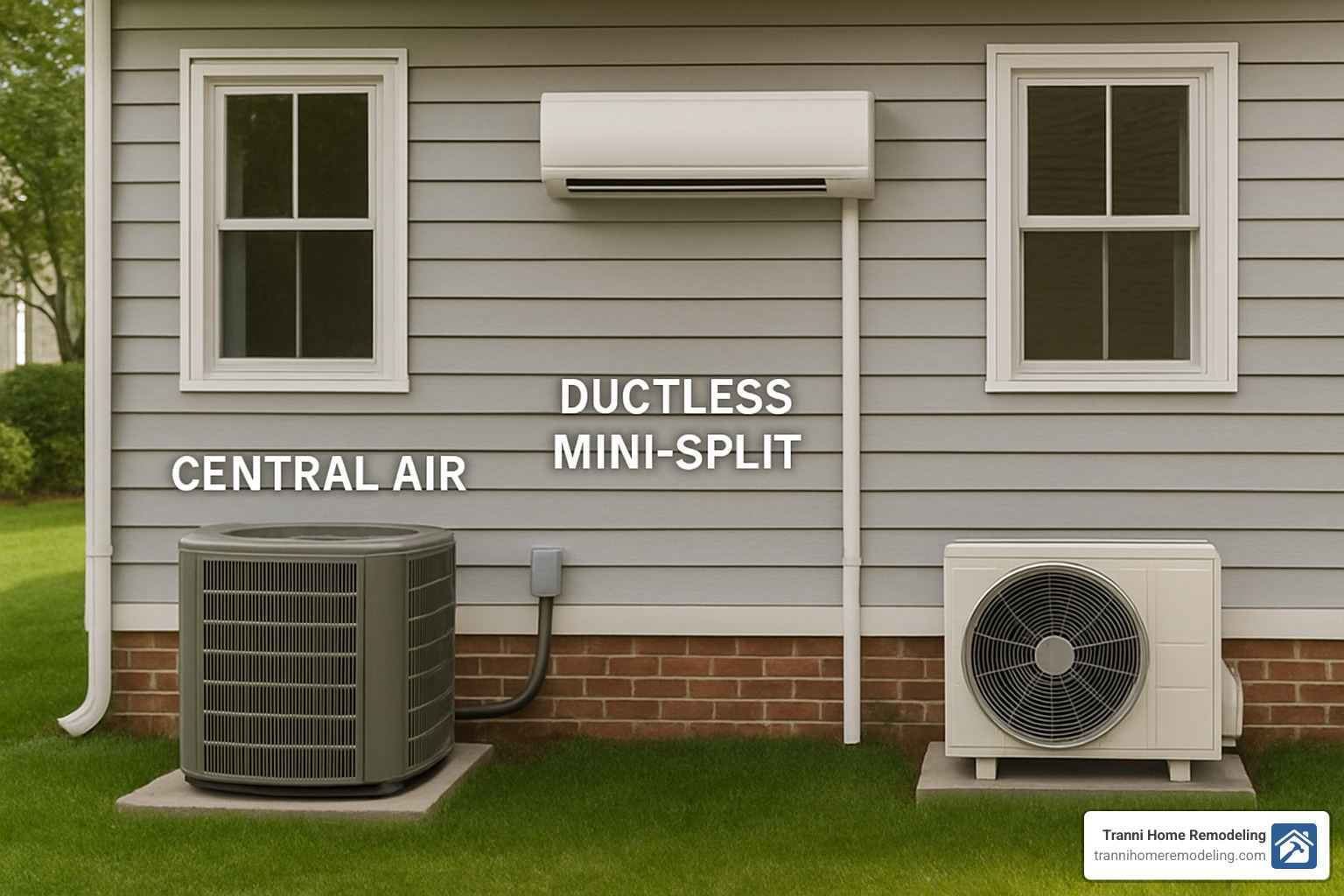
Every home has unique cooling needs based on its layout, size, and your personal preferences. Let’s walk through your options to help you make an informed decision before you call that air conditioner installer near me.
Central air conditioning systems deliver cool air throughout your entire home via ductwork. They’re perfect if you want consistent cooling in every room and already have ducts in place. The main unit sits outside your home, quietly doing its job while you enjoy comfortable temperatures indoors.
If your home lacks ductwork, ductless mini-split systems offer an excellent alternative. These systems feature an outdoor compressor connected to one or more indoor air handlers, allowing you to create customized temperature zones throughout your home. They’re also a fantastic option for room additions where extending existing ductwork might be impractical or too expensive.
Looking for year-round comfort? Heat pumps pull double duty by providing both cooling in summer and heating in winter. They’re incredibly energy-efficient, potentially saving you money on utility bills throughout the year.
For budget-conscious homeowners or those needing to cool just one room, window units remain a popular choice. They’re relatively inexpensive and easy to install, though they do block part of your window and can be noisier than other options.
Need flexibility? Portable air conditioners can move from room to room as needed, though they typically offer less cooling power than permanent installations and require venting through a window or wall.
Sizing Basics: Getting the BTUs Right
Choosing the right size air conditioner is like finding the perfect pair of shoes – too small and you’ll be uncomfortable; too large and you’ll waste money while creating new problems.
A properly sized system starts with a basic calculation: you’ll need approximately 20 BTU per square foot of living space. But this is just the beginning. If your home gets lots of direct sunlight, add about 10% more capacity. Got shade? You might need 10% less.
Family size matters too. Add about 600 BTU for each person beyond two occupants, and if you’re cooling a kitchen, add an extra 4,000 BTU to account for heat-generating appliances.
For example, a 1,000 square foot home would need roughly 20,000 BTU, but if it has large windows facing west with afternoon sun exposure, you might need 22,000 BTU instead.
While these rules of thumb are helpful, nothing beats a professional assessment. When you contact an air conditioner installer near me, they should perform a Manual J load calculation that considers your home’s specific characteristics including insulation quality, window placement, and our unique Massachusetts climate conditions.
Energy Efficiency & SEER: Why It Matters
When shopping for a new air conditioner, you’ll encounter the term “SEER” – Seasonal Energy Efficiency Ratio. Think of SEER like miles-per-gallon for your car – the higher the number, the less energy your system consumes to keep you cool.
Federal regulations now require new central air conditioners to have a minimum SEER rating of 13 or 14, depending on your region. But aiming higher often makes good financial sense:
13-14 SEER systems meet the minimum requirements but offer basic efficiency.
15-18 SEER units provide good efficiency and a nice balance between upfront costs and long-term savings.
19+ SEER systems deliver excellent efficiency that can significantly reduce your monthly utility bills.
While higher SEER units cost more initially, they can save you substantial money over their lifespan. In our Massachusetts summers, which can be both hot and humid, the investment in a more efficient unit typically pays dividends through lower energy bills year after year.
When Ductless Makes Sense
I’ve seen ductless mini-split systems transform comfort levels in many Massachusetts homes, especially in situations where traditional central air just isn’t practical. These versatile systems are perfect when:
Your home has no existing ductwork, and adding it would be prohibitively expensive or disruptive.
You’ve built a beautiful new addition and want to avoid the hassle of extending your current ductwork.
You dream of creating independent temperature zones so everyone in your family can enjoy their ideal comfort level.
You own a charming historic home where installing ductwork would compromise its architectural integrity.
You need a quick cooling solution without major construction disruption.
Ductless systems are remarkably efficient, with many models boasting SEER ratings of 20 or higher. They provide both heating and cooling capabilities, making them valuable year-round. Plus, their installation is typically less invasive than adding central air to a home without existing ductwork.
To learn more about these flexible systems, check out our detailed guide to Ductless Heating and Cooling Systems or explore our information about Mini Split AC Heat Pump options.
Finding the right cooling system for your home is a significant decision. When you’re ready to move forward, a qualified air conditioner installer near me can help assess your specific needs and recommend the perfect solution for your home’s layout and your family’s comfort preferences.
Costs, Rebates & Financing: What to Budget
Let’s talk money because your comfort shouldn’t come with financial stress. When planning for a new air conditioning system, understanding the full financial picture helps you make smart decisions that balance comfort with your budget.
Based on industry data, the cost to bring cool air into your home varies widely across the country:
- Window unit installation: $150-$600
- Portable unit setup: $100-$400
- Ductless mini-split installation: $3,000-$12,000
- Central air conditioning: $5,000-$15,000
- Full HVAC system replacement: $7,000-$21,000
These are average costs based on internet data and not actual costs for Tranni Home Remodeling services.
Beyond the system itself, your budget might need to accommodate extras like ductwork installation or repairs ($1,000-$5,000), electrical upgrades ($500-$2,500), permits ($100-$500), and removal of your old equipment ($50-$300). Think of these as investments in your home’s comfort infrastructure that pay dividends in everyday living.
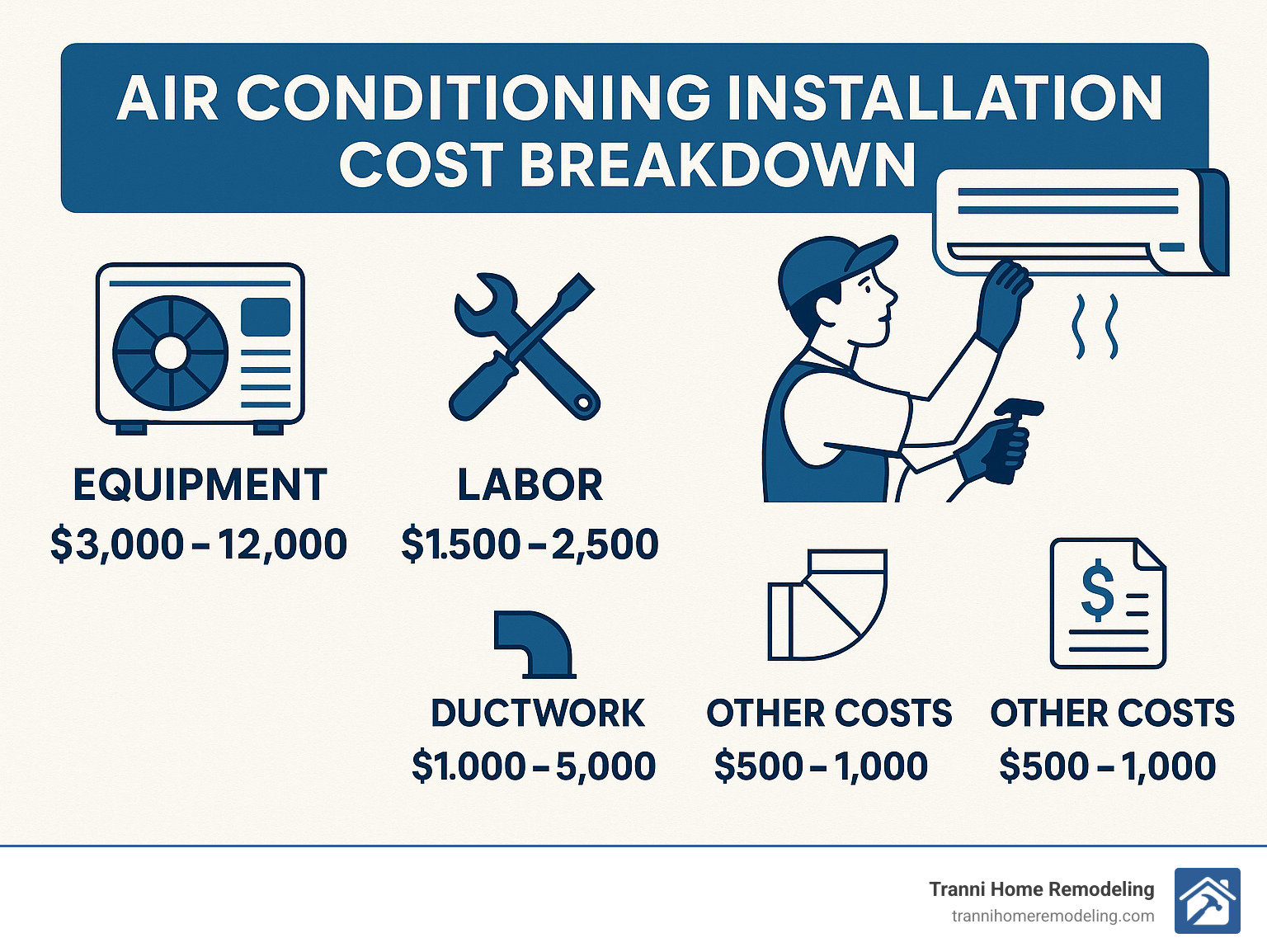
Key Factors That Affect Price
When your air conditioner installer near me provides a quote, several elements will influence that bottom-line number. Understanding these helps you spot a fair deal:
Your system’s size and capacity matters tremendously cooling a cozy cottage costs less than a sprawling colonial. The energy efficiency rating (SEER) you choose affects both initial cost and long-term savings think of it as paying a premium upfront for smaller utility bills later.
Your home’s layout and complexity plays a big role too. Multi-story homes or tricky installation spots can increase labor costs, while electrical system upgrades might be necessary in older homes that weren’t built with modern cooling in mind.
The brand and quality you select reflects in the price tag premium brands typically cost more but often deliver better reliability and longer warranties. And timing matters seasonal demand can drive prices up during the sweltering summer months when everyone wants cooling yesterday.
Here in Massachusetts, our unique climate considerations and local labor rates might mean your costs differ somewhat from national averages another reason to get multiple quotes from local professionals.
Free Money: Rebates, Grants & Low-Income Aid
Before you reach for your wallet, check if someone else might help foot the bill! There’s potentially “free money” available that many homeowners overlook.
Utility rebates can significantly offset your costs many local utility companies offer cash back for energy-efficient installations. Manufacturer rebates frequently pop up as seasonal promotions, sometimes saving you hundreds.
Don’t forget about federal tax credits for energy-efficient systems, along with Massachusetts state programs designed to encourage greener home improvements.
For households needing extra assistance, programs like the Home Energy Assistance Program (HEAP) provide cooling assistance benefits worth up to $800 for window or portable air conditioners, and up to $1,000 for wall sleeve units. These programs typically cover not just equipment but also labor, materials, removal of old units, and minor repairs.
The catch? Many assistance programs operate on a first-come, first-served basis. Early application is key when summer’s heat waves hit, these funds often dry up quickly.
For more information about federal tax credits for energy-efficient home improvements, visit the ENERGY STAR website for current details.
Paying for Your New A/C
If you’re not paying cash, several financing paths can make your cool home a reality:
Many air conditioner installer near me professionals offer their own financing plans, sometimes featuring attractive 0% APR promotional periods that let you spread payments without extra cost. Your home’s equity might be another source of funding, with home equity loans or lines of credit typically offering lower interest rates than credit cards.
Credit cards provide convenience but usually come with higher interest rates unless you qualify for a special promotion. Personal loans offer another option with fixed repayment terms and relatively quick approval.
A smart approach? Compare your expected monthly payment against potential energy savings. A more efficient system might cost more initially but could reduce your utility bills enough to offset higher payments making that premium system more affordable than it first appears.
When exploring these options, cooling isn’t just about comfort it’s an investment in your home’s value and your family’s wellbeing during Massachusetts’ increasingly warm summers.
What to Expect on Installation Day & Beyond
Installation day is exciting—it’s when your comfort dreams become reality! Understanding what happens when your air conditioner installer near me arrives helps ensure everything goes smoothly. Here’s what you can expect:
Your installation team will begin by carefully protecting your floors, furniture, and valuables. This preparation step is crucial but often overlooked. They’ll lay down drop cloths and create pathways to work efficiently while respecting your home.
If you’re replacing an existing system, they’ll safely disconnect and remove your old equipment. Don’t worry about disposal—professional installers handle this for you, following proper environmental guidelines for refrigerant recovery and metal recycling.
The installation itself involves positioning your new equipment, making all necessary connections, and securing everything properly. For central air systems, technicians will flush the refrigerant lines to remove any contaminants and ensure your system runs cleanly from day one. Window units require special attention to mounting brackets and proper sealing to prevent air leaks and ensure safety.
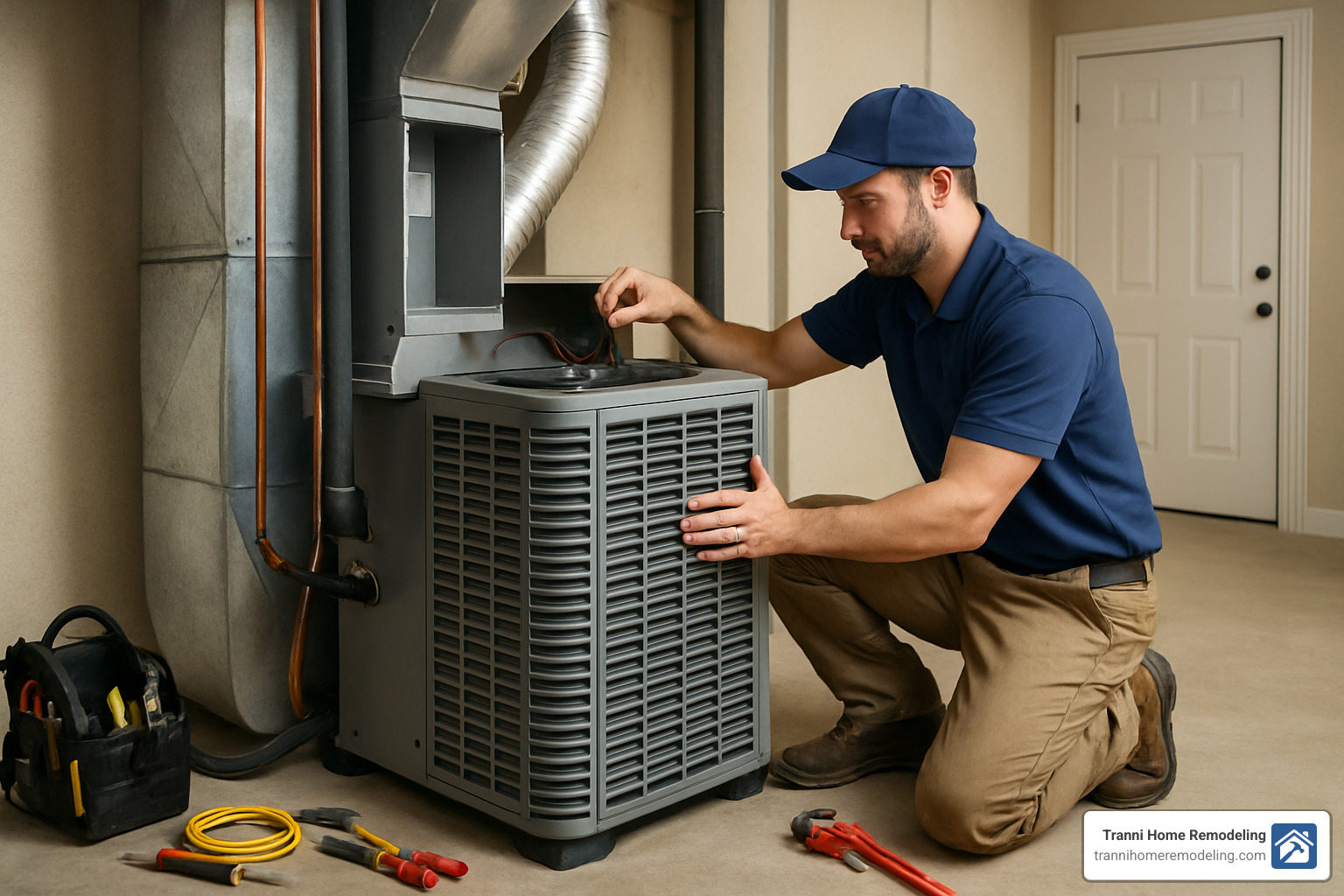
Once everything is connected, your air conditioner installer near me will run comprehensive tests to verify proper operation. They’ll check refrigerant levels, airflow, electrical connections, and thermostat function. This testing phase is critical—it catches any potential issues before they become problems.
Before leaving, the team will clean up all packaging, debris, and work materials. A quality installer leaves your home as clean—or cleaner—than they found it. Finally, they’ll walk you through operating your new system, explaining maintenance requirements and answering any questions you might have.
Typical Installation Timeline
Wondering how long you’ll need to set aside for your installation? The timeline varies based on what you’re having installed:
Window units typically take just 1-2 hours per unit, while portable units can be set up in about 30 minutes. Ductless mini-splits require 4-8 hours for a single-zone system, and central air conditioning installations may take 1-3 days, especially if ductwork modifications are needed. A complete HVAC system replacement generally requires 2-5 days to complete properly.
On the actual installation day, your air conditioner installer near me should provide a specific arrival window. Once they’re on site, the process typically follows this pattern: initial preparation takes about 30 minutes, the main installation requires 2-6 hours (depending on complexity), system testing takes approximately 30 minutes, and the final paperwork and walkthrough will need about 15 minutes of your time.
Safety & Code Compliance
Professional installation isn’t just about comfort—it’s about safety. Qualified installers ensure your new system meets all relevant building codes and safety requirements.
This includes performing proper load calculations to confirm your electrical system can handle the new equipment without overloading. They’ll install appropriate breaker sizes to prevent electrical hazards and use GFCI outlets for outdoor units as required by most local codes.
For window units, safety brackets and proper mounting are essential, especially in homes with children, to prevent fall hazards. And all refrigerant handling must comply with strict EPA regulations for both environmental protection and your family’s safety.
Many municipalities require a final inspection after installation to verify code compliance. Your air conditioner installer near me should coordinate this process and address any concerns identified by inspectors. This step might seem like red tape, but it’s actually an important safety check that protects your home and family.
Should You Tip Your Installer?
Tipping isn’t required for air conditioner installation, but it’s certainly appreciated when service goes above and beyond. If your installation team works through challenging conditions—like a sweltering attic in July or difficult access points—a small token of appreciation makes a big difference.
Industry norms suggest $10-$20 per technician is appropriate for exceptional service. For installations involving heavy lifting or extreme weather conditions, you might consider a bit more. These professionals are performing skilled labor, often in uncomfortable conditions, to make your home comfortable.
If cash doesn’t feel right, cold drinks and snacks during a hot weather installation are always welcome alternatives. Even a simple “thank you” and positive online review can mean a lot to your installation team and their company.
The relationship you build with your air conditioner installer near me might extend beyond installation day if you need future maintenance or service, so establishing goodwill from the start is always worthwhile.
Maintenance, Troubleshooting & Lifespan Tips
Taking care of your air conditioner isn’t just about fixing it when it breaks – it’s about preventing problems before they happen. With proper maintenance, your cooling system will reward you with years of reliable service and lower energy bills.
“An ounce of prevention is worth a pound of cure” truly applies to air conditioning systems. Annual professional tune-ups scheduled in spring prepare your system for the demanding summer months ahead. These check-ups typically cost $75-150 but can save you thousands in premature replacement costs.
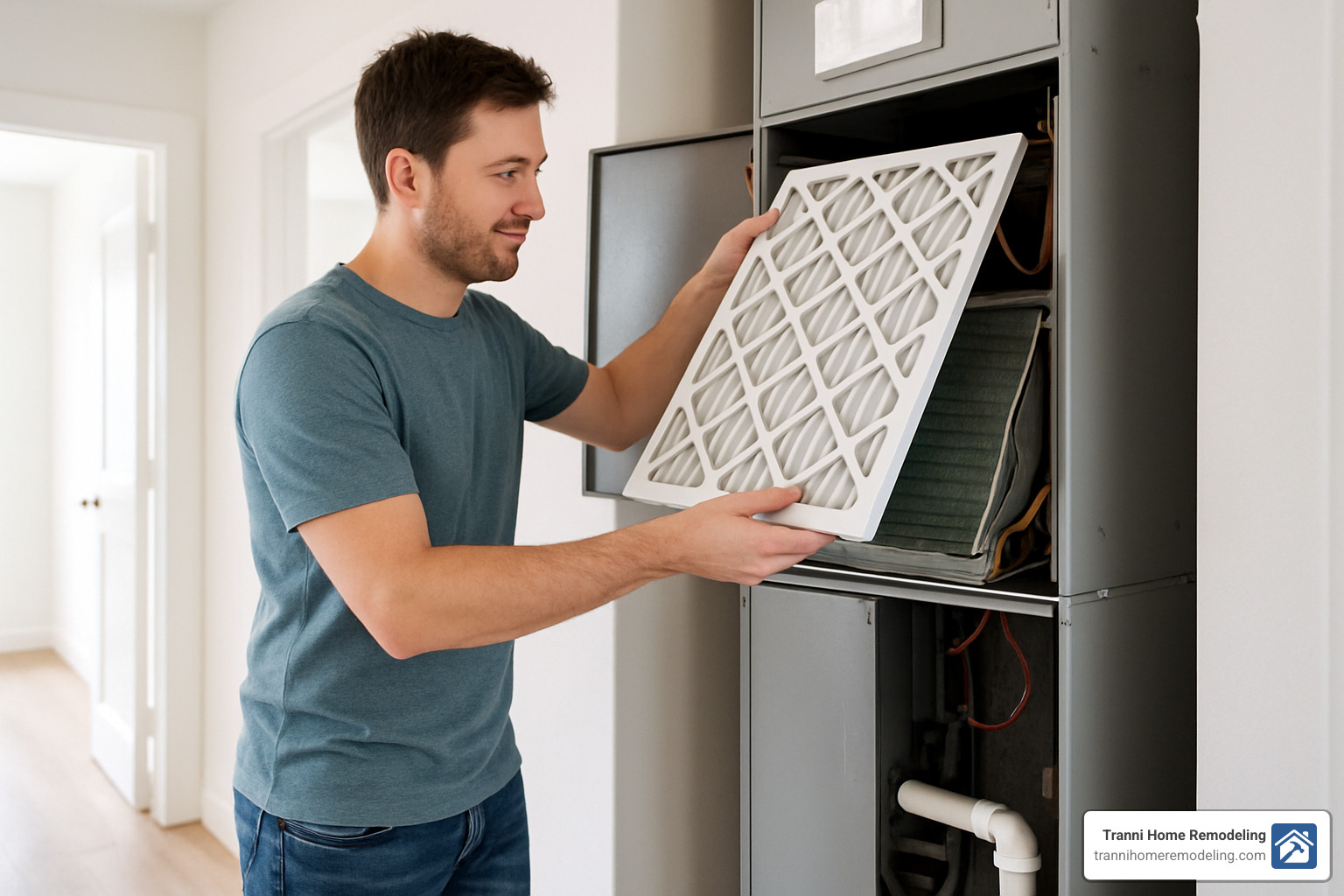
Regular filter changes are perhaps the simplest yet most impactful maintenance task. A clean filter improves air quality and helps your system breathe easily – much like how we perform better when we’re not congested! Depending on your household (pets, allergies, etc.), plan to replace filters every 1-3 months.
Your outdoor condenser unit needs some attention too. Keep at least two feet of clearance around it – your air conditioner needs space to breathe just like you do! And don’t forget about those condenser coils. When they’re caked with dirt and debris, your system works harder and costs more to run.
Many homeowners overlook thermostat checks, but this simple device controls your entire system. Consider upgrading to a programmable model if you haven’t already – it can cut your cooling costs by up to 10% annually.
Simple DIY Tasks That Save Money
You don’t need to be a certified air conditioner installer near me professional to handle some basic maintenance. Replacing air filters is the maintenance equivalent of brushing your teeth – simple but incredibly effective. Most filters slide right out, and replacement takes less than five minutes but delivers significant benefits.
Cleaning your outdoor condenser unit can be surprisingly satisfying. On a nice day, simply turn off power to the unit, then use your garden hose (not a pressure washer – too much pressure can damage the delicate fins) to gently rinse away accumulated debris. Your system will thank you with improved efficiency.
That condensate drain line – the small pipe that carries moisture away from your indoor unit – can become a breeding ground for algae and mold. A quarterly flush with white vinegar keeps it flowing freely and prevents water damage to your home.
Don’t forget about your vents! Dusty supply and return registers restrict airflow, making your system work harder than necessary. A quick vacuum with a brush attachment keeps air flowing freely throughout your home.
When to Call the Pros
While DIY maintenance is great, some situations call for professional expertise. If warm air is blowing from your vents when the system is set to cool, you might have refrigerant issues. Only certified air conditioner installer near me professionals should handle refrigerant – it’s both a legal requirement and a safety issue.
Short cycling – when your system turns on and off frequently – isn’t just annoying; it’s hard on your equipment and drives up energy bills. This complex issue could stem from improper sizing, sensor problems, or electrical issues requiring professional diagnosis.
Water leaks around your indoor unit often indicate a clogged condensate line or frozen evaporator coils. While you might be able to clear a simple clog, persistent leaks can cause significant water damage and should be addressed by a professional.
Listen to your system – it often tells you when something’s wrong. Grinding suggests metal-on-metal contact, squealing indicates belt issues, and banging might mean a loose or broken part. These sounds are your system’s way of calling for help before a small problem becomes a major repair.
If your energy bills are climbing without explanation, your system is likely losing efficiency. A professional can perform diagnostic tests to identify the culprit and restore your system’s performance.
Extending System Life
Think of your air conditioner as a marathon runner rather than a sprinter. It performs best with consistent, balanced operation. Keep vents open throughout your home to maintain proper airflow and pressure balance – closing vents in unused rooms actually makes your system work harder.
Smart thermostats do more than offer convenience; they optimize your system’s runtime and prevent the temperature swings that stress components. Many utility companies even offer rebates that make these devices incredibly affordable.
Your air conditioner works only as well as your home’s envelope allows. Proper weatherization – sealing leaks around windows, doors, and ductwork – means your cool air stays where it belongs instead of escaping outdoors.
For seasonal systems like window units or in vacation homes, proper shutdown and storage during off-seasons significantly extends equipment life. Clean the unit thoroughly, allow it to dry completely, and store it in a climate-controlled area if possible.
With attentive care, central air conditioning systems typically reward you with 15-20 years of service, while window units generally last 8-10 years. The difference between getting the minimum or maximum lifespan often comes down to how well you maintain your equipment.
For more comprehensive information about maintaining your HVAC system or to schedule professional service, visit our HVAC Installation page.
Frequently Asked Questions about Local A/C Installation
How long does installation usually take?
When you’re sweating through a summer heatwave, waiting for your new cooling system can feel like an eternity. Realistically, installation timelines vary depending on what you’re having installed.
Window units are the quickest fix, typically taking just 1-2 hours per unit. If you’re going with a ductless mini-split, plan for about 4-8 hours for a single-zone system. For central air conditioning, you’ll need more patience—installation usually takes 1-3 days, especially if your home needs ductwork modifications. A complete HVAC system replacement is the most comprehensive job, often requiring 2-5 days to finish properly.
That Mother Nature doesn’t always cooperate! Rainy weather, difficult access to your home, or unexpected complications behind walls can extend these timeframes. A good air conditioner installer near me will provide a realistic timeline custom to your specific situation and keep you updated if anything changes.
Can I install a central air system myself?
While those DIY videos might make central air installation look straightforward, this is definitely a job best left to the professionals. Here’s why tackling this yourself is usually not a good idea:
Handling refrigerant isn’t just tricky—it’s actually illegal without proper EPA 608 certification. The electrical work involved carries serious safety risks if not done correctly. Plus, professional installers use complex load calculations to ensure your system is properly sized for your home—get this wrong, and you’ll face years of inefficiency and comfort issues.
Perhaps most importantly, DIY installation typically voids manufacturer warranties. When something goes wrong (and it likely will without professional installation), you’ll be paying for repairs entirely out of pocket. Most local building departments also require permits and inspections for HVAC work, which can be challenging to steer without professional experience.
The initial savings from DIY might seem tempting, but the long-term costs of mistakes—both financial and comfort-related—almost always outweigh any short-term benefits.
Does a new air conditioner add value to my home?
Yes, a new air conditioner absolutely adds value to your home—both in terms of dollars and marketability. Real estate data shows that approximately 20% of realtors recommend replacing outdated HVAC systems before selling, and 7% report that doing so directly helped close a sale.
This is particularly true in Massachusetts, where our summers can be surprisingly hot and humid. Today’s homebuyers increasingly view central air as a necessity rather than a luxury, especially in mid-to-higher-priced homes. When house-hunting in July or August, a home without proper cooling can quickly move to the bottom of a buyer’s list.
Beyond just the financial return, a new cooling system offers several attractive benefits to potential buyers:
Energy efficiency is a major selling point, with newer systems using significantly less electricity than models from even 10 years ago. Buyers also appreciate the comfort assurance of knowing they won’t need to budget for an immediate replacement. Many health-conscious buyers value the improved air filtration and humidity control of modern systems. And the transferable warranty that comes with a new system provides valuable peace of mind.
If you’re planning to sell your home in the next few years, investing in a quality air conditioning system installed by a reputable air conditioner installer near me could be one of the smartest pre-sale improvements you can make. For specific advice about the return on investment in your neighborhood, consider consulting with a local real estate professional.
Conclusion
Finding the right air conditioner installer near me isn’t just about solving an immediate cooling problem—it’s about investing in your home’s comfort, efficiency, and value for years to come. Throughout this guide, we’ve walked through the essential steps to connect with qualified professionals who can transform your hot, uncomfortable living space into a cool sanctuary during Massachusetts summers.
Proper installation is just as important as choosing the right cooling system. Even the most efficient, top-of-the-line air conditioner will underperform if not correctly sized and installed by experienced professionals. By taking the time to verify credentials, read customer reviews, compare detailed quotes, and ask thoughtful questions, you’re setting yourself up for cooling success.
Your new air conditioning system represents more than just comfort—it’s a significant investment that can reduce energy costs, improve indoor air quality, and potentially increase your home’s market value. The peace of mind that comes from working with a licensed, insured professional simply can’t be overstated, especially when dealing with complex systems involving electrical work and refrigerant handling.
At Tranni Home Remodeling, we understand that cooling is just one piece of your home comfort puzzle. As Middlesex County’s trusted home improvement experts, we take pride in helping homeowners steer the sometimes overwhelming process of home upgrades. Whether you’re considering a ductless mini-split for a newly finished basement or central air as part of a larger renovation, our team brings the same attention to detail and commitment to quality to every project.
For those interested in exploring energy-efficient cooling options that can provide year-round comfort, our Mini Split AC Heat Pump solutions offer remarkable flexibility and performance. These systems have become increasingly popular for their zone-based approach to temperature control and relatively straightforward installation process.
Don’t let another summer pass while you and your family swelter in discomfort. With professional installation from trusted local experts, you can enjoy the perfect indoor temperature regardless of what Mother Nature throws at us here in Massachusetts. Your comfortable, energy-efficient home awaits!