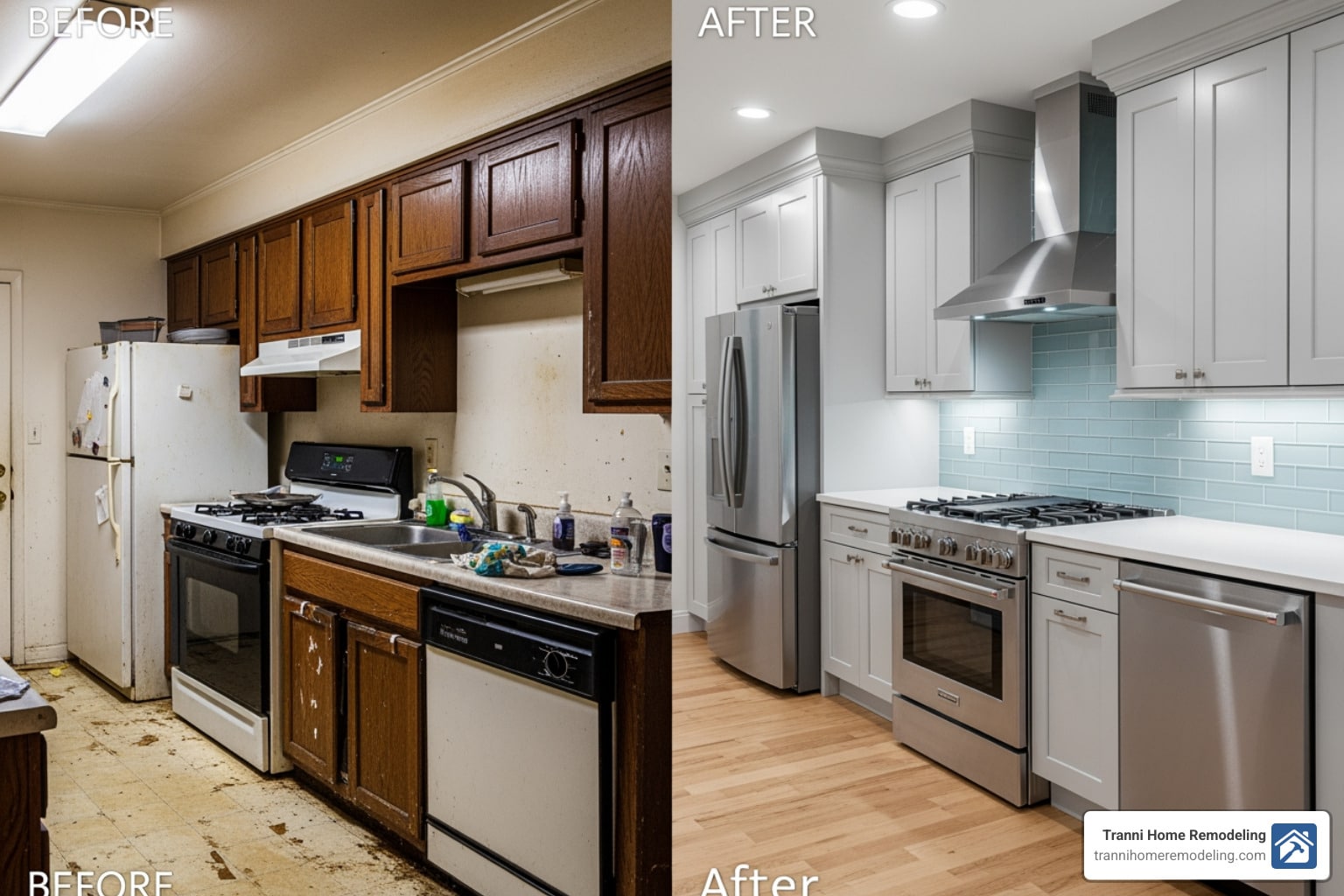





Why Before and After Kitchen Remodels Matter
A before and after kitchen remodel showcases the dramatic change your kitchen can achieve—from outdated and inefficient to modern, functional, and beautiful. These changes demonstrate the power of thoughtful design, quality materials, and expert craftsmanship to turn your kitchen from a pain point into the heart of your home.
Key elements that make kitchen remodels successful:
- Layout improvements – Opening walls, adding islands, and optimizing the work triangle
- Updated materials – Modern cabinets, durable countertops, and stylish backsplashes
- Better lighting – Natural light, task lighting, and ambient fixtures
- Increased storage – Custom cabinetry, pantry solutions, and smart organization
- Improved flow – Open-concept designs that connect kitchen to living spaces
- Quality finishes – Durable, timeless materials that add long-term value
The kitchen is the most-loved and hard-working room in your home. It’s where meals are prepped, where guests gather, and where family life happens. But if you’re not fully in love with your cook space, you’re not realizing its full potential. Whether you’re dealing with cramped quarters, dated finishes, or an awkward layout, a kitchen remodel can address these issues and create a space that truly works for your lifestyle.
The good news? Kitchen changes are achievable regardless of budget. From simple cosmetic updates like painting cabinets and upgrading hardware to complete overhauls involving structural changes and custom elements, there are options for every homeowner. The average kitchen remodel ranges from $15,000 to $30,000, with high-end renovations reaching $50,000 or more. Homeowners typically recoup about 50-70% of their investment when selling.
I’m Tyler Tranni, owner of Tranni Home Remodeling in Billerica, MA. Over the years, I’ve helped countless homeowners transform their kitchens through before and after kitchen remodels that blend functionality with beautiful design. Let me walk you through what makes these changes so impactful.
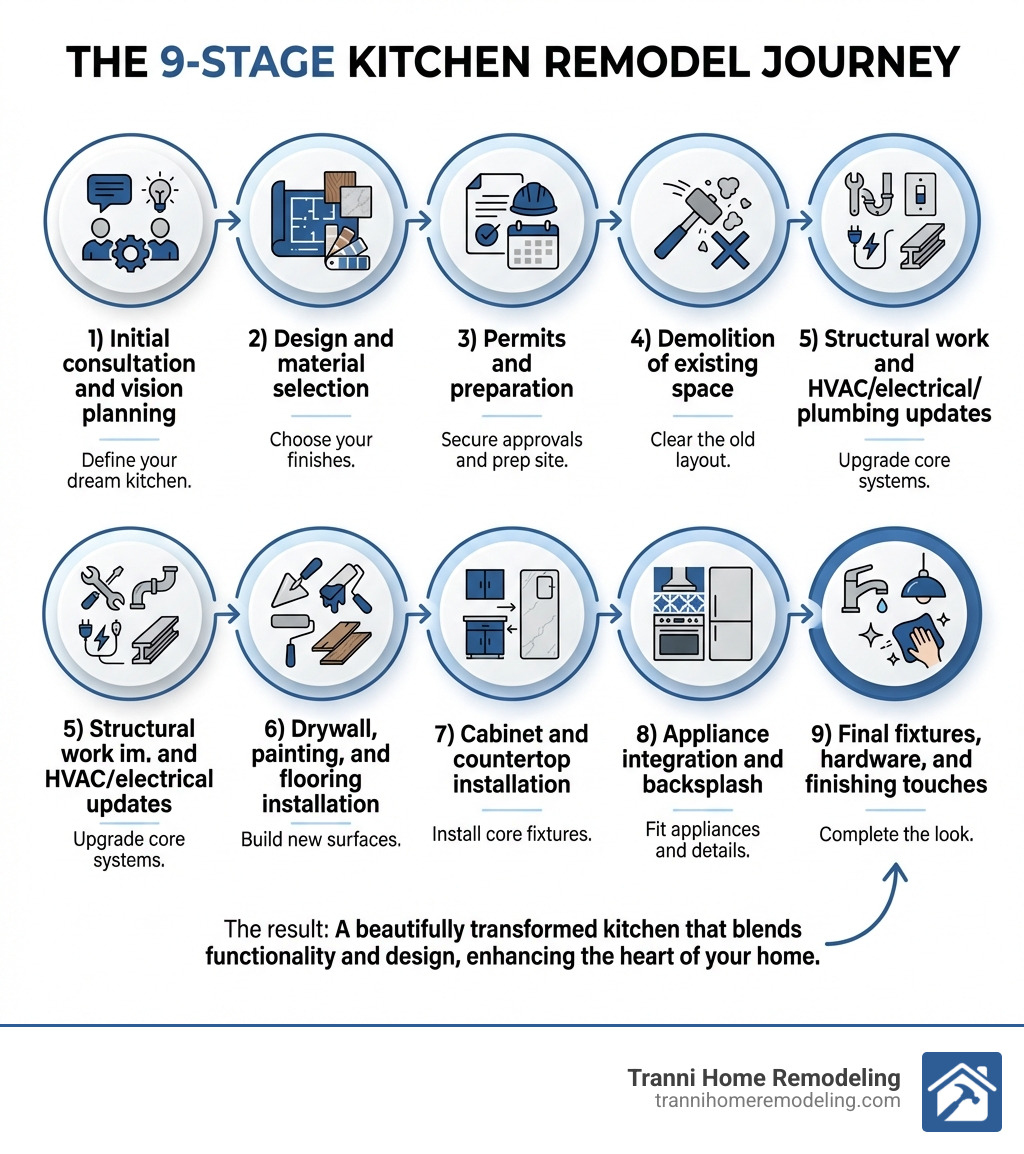
Common Kitchen Woes: The “Before” Scenarios
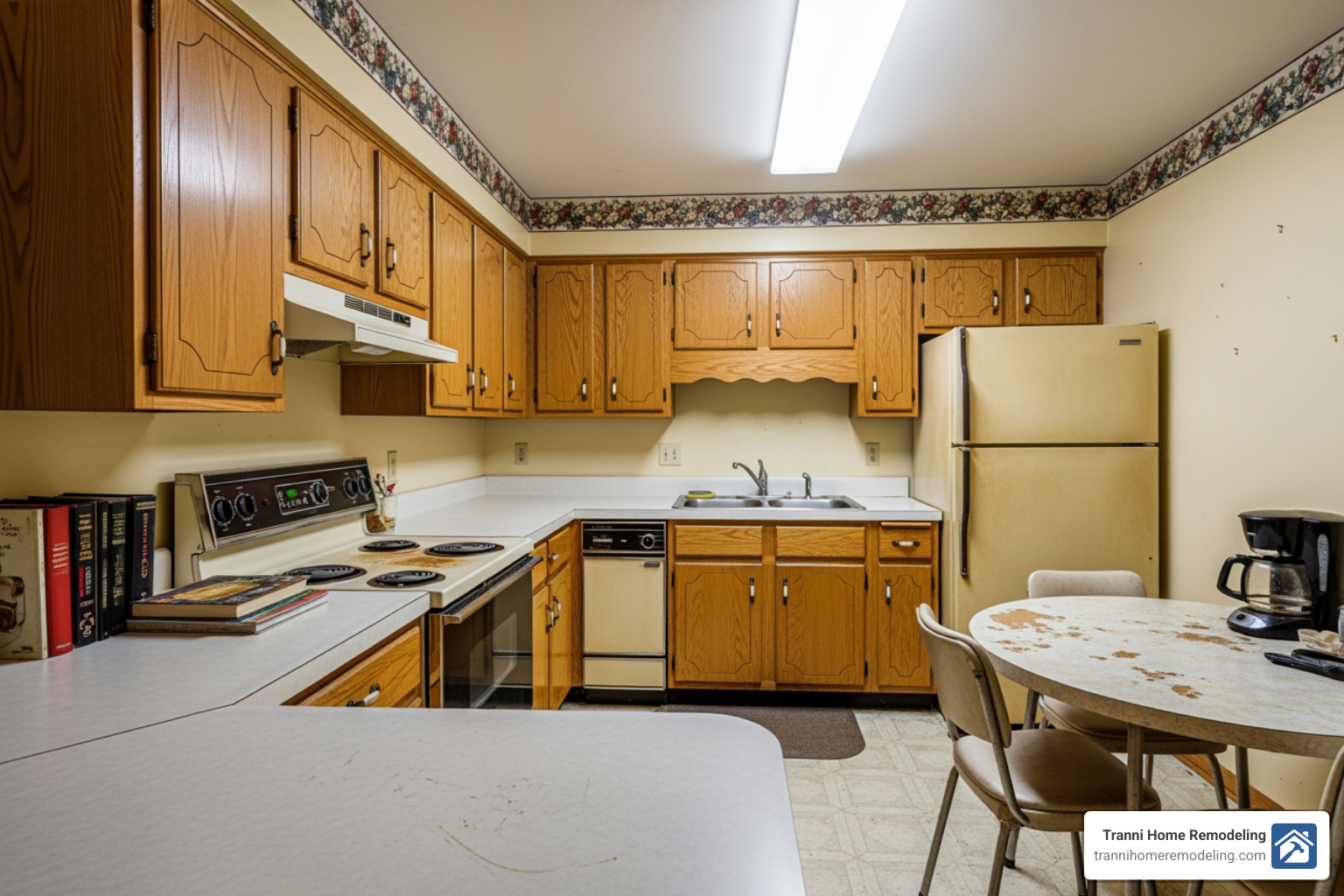
Many homeowners dream of a kitchen renovation because their current space simply isn’t working for them. What are the most common challenges we encounter that necessitate a remodel? Often, it starts with a kitchen that “completely lacked character and felt very builder-grade,” as one designer noted. Such spaces typically come with finishes that don’t reflect the homeowner’s vision for their home’s overall direction.
Here are the typical pain points we see in existing kitchens:
- Inefficient Layouts: Many older kitchens, or even newer builder-grade ones, suffer from poor planning. The “work triangle” (the path between the refrigerator, sink, and stove) might be disjointed, leading to wasted steps and frustration during meal prep. Or perhaps, as one designer described, the kitchen is “inefficient in flow and function,” making it a “postage stamp kitchen” that’s hard to work in.
- Lack of Counter Space: This is a perennial complaint. Homeowners often find themselves struggling to chop vegetables or set down groceries due to limited or awkwardly shaped countertop areas.
- Insufficient Storage: Cabinets might be plentiful but poorly designed, making it hard to store pots, pans, and pantry staples efficiently. “Very little storage and functionality,” as one client experienced, can quickly turn a kitchen into a chaotic mess.
- Dated Finishes: This is perhaps the most obvious sign a remodel is needed. Think shiny, builder-grade ceilings, black granite countertops, beadboard detailing, or dark, heavy cabinetry that scream “a pastiche of builder-grade Americana.” These elements don’t just look old; they can make the entire home feel less inviting.
- Poor Lighting: A dark kitchen is a dreary kitchen. Whether due to small windows, inadequate artificial lighting, or dark materials, a lack of brightness can make a space feel cramped and unwelcoming. One homeowner mentioned their kitchen was so dark it “took a toll on your moods.”
- Builder-Grade Quality: These kitchens are often designed for mass appeal and budget, not durability or style. They might have “finishes that didn’t reflect the client’s vision” or feel “more decorative than functional.”
- Cramped Quarters: Many older homes in our service areas like Lexington or Concord have kitchens that were originally designed for a different era, often small and “isolated from the dining room and other key living spaces.” This creates a disconnect in the home, especially for families or those who love to entertain. A kitchen described as “unusually tight for the scale of the house” makes entertaining a logistical nightmare.
These challenges highlight why a before and after kitchen remodel isn’t just about aesthetics; it’s about fundamentally improving how you live and interact with your home. For more insights into comprehensive home renovations, you can explore our services for More info about home remodeling services.
The Anatomy of a Stunning Kitchen Change
A successful kitchen remodel hinges on addressing the core issues of the “before” and reimagining the space for optimal functionality and aesthetic appeal. We focus on key elements that make the most significant impact.
From Cramped & Closed-Off to Open & Airy
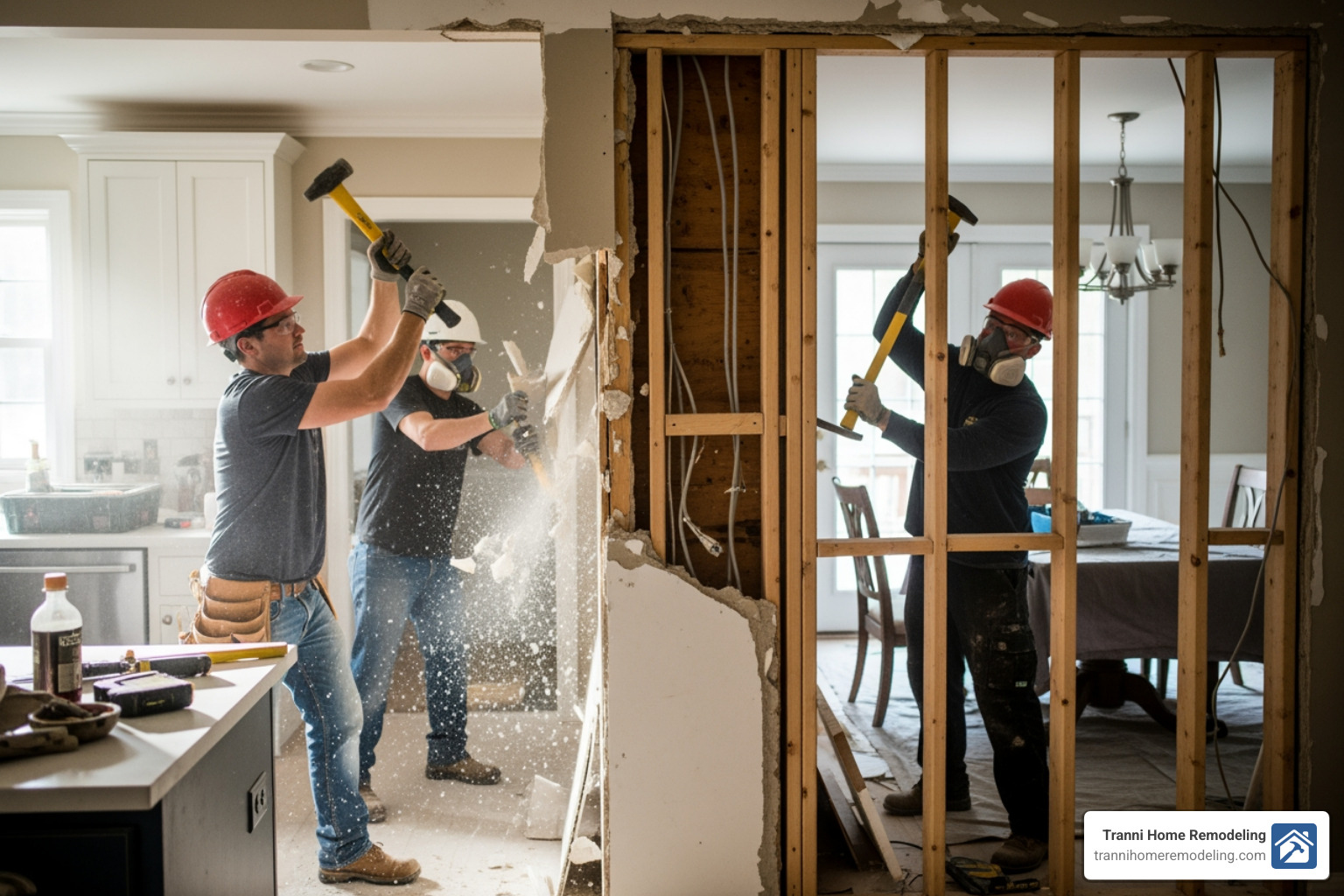
One of the most dramatic changes in a before and after kitchen remodel involves altering the layout to create a more open and airy feel. Many older homes in areas like Lexington or Bedford have kitchens that feel cramped and disconnected. Imagine a “cramped kitchen, isolated from the dining room and other key living spaces,” as architect Nadia Palacios’s clients experienced. Her solution? Removing a solid brick wall to open up the layout. We’ve seen similar changes where removing a wall between the kitchen and dining room allows “much more natural light into the kitchen and creates space for a larger island.”
The benefits of opening up kitchen layouts are immense:
- Improved Functionality and Flow: An open concept allows for better movement between kitchen zones and adjacent living areas. It eliminates bottlenecks and creates a more intuitive pathway for cooking, serving, and socializing.
- Improved Entertaining: No longer is the cook isolated. Guests can gather around a new island, chat with the chef, and feel more connected to the heart of the home. This creates a “more supportive layout for gathering” and makes entertaining “seamless.”
- Better Sightlines: Opening up walls can provide “better sight lines and easier access to the outside,” connecting indoor and outdoor living.
- Increased Natural Light: Removing physical barriers allows light to flood deeper into the home, making previously dark spaces feel brighter and more inviting.
- Peninsula vs. Island: Often, old, inefficient peninsulas are replaced with spacious islands. An island can provide generous countertop space, integrate sinks and dishwashers, and offer comfortable seating, all without feeling bulky. We’ve seen projects where removing a bar wall allowed for a “10-by-10-foot island with storage, a sink, and a dishwasher.”
These structural changes can revolutionize how you use your home, making it feel larger and more cohesive. If you’re considering expanding your living space, learn more about our More info about home additions services.
A Modern before and after kitchen remodel
The impact of color, materials, and subtle layout adjustments is powerfully demonstrated in many before and after kitchen remodel projects. Even without knocking down walls, significant improvements can be achieved.
Consider these key design elements:
- Cabinet Painting: A fresh coat of paint on existing cabinets is one of the most budget-friendly ways to achieve a dramatic change. We’ve seen dark oak cabinets painted crisp white or light blue-gray to brighten a room. Two-tone cabinets, like white uppers and charcoal lowers, can visually break up space and add modern contrast.
- New Hardware: Swapping out old or dated hardware for natural brass, black, or nickel options can instantly lift the look of your cabinets and tie into a new aesthetic. It’s the “jewelry” that completes the look.
- Quartz Countertops: Replacing dark, busy granite with lighter, simpler patterns like white quartz can lighten a room’s visual weight and offer a practical, modern feel. Quartz is durable and easy to maintain, balancing style and practicality.
- Updated Appliances: While a significant investment, modern, energy-efficient appliances can dramatically improve functionality and aesthetics. Integrating paneled appliances or using counter-depth refrigerators creates a sleek, built-in appearance.
- Backsplash Impact: The backsplash is a focal point and an opportunity for personality. Moroccan tiles can add a bold dose of pattern, while subway tiles in unique colors like seafoam green can add a pop of color and freshness. Running tile to the ceiling can even add a sense of height.
These thoughtful selections demonstrate how “a different color scheme that works with natural light” can be introduced, and how “materials that age well” contribute to a quiet confidence. For expert painting services that can transform your kitchen, visit our More info about plastering and painting services page.
From Builder-Grade Basic to Custom & Character-Filled
Changing a basic, characterless kitchen into a custom, personality-filled space is where our craftsmanship truly shines. Many homes in areas like Dracut or Tewksbury start with what designer Christopher Boutlier called “builder-grade Americana,” with elements that felt “more decorative than functional.” Our goal is to create something more custom and grounded in craftsmanship.
Key design elements for this kind of change include:
- Custom Cabinetry: Instead of standard boxes, we design cabinetry that “reads as architecture, not furniture,” integrating seamlessly into the space. This can include custom sizes and smart accessories to maximize storage potential, even in small spaces.
- Furniture-Style Islands: A custom island can be a centerpiece, offering not just generous countertop space but also unique design elements like turned legs or built-in shelving for cookbooks and display items.
- High-End Materials: Investing in materials that age well, such as wide-plank pine floors, honed marble, or unlacquered brass fixtures, adds lasting character and a sense of luxury. These choices balance style with durability.
- Personalized Touches: Homeowners can incorporate unique features that reflect their personality. This might be a custom wood range hood, a bold backsplash with custom-colored grout, or specific lighting fixtures that tie the room together. For example, one project was inspired by “cobalt blue cooktop knobs” to select complementary countertops and pendant lighting.
- Designer Insights: As designers often state, the goal is to infuse “warmth, texture, and contrast” to create a luxurious and personal feel. This involves selecting pieces that complement each other and are durable enough for daily life, often leading to a “lived-in and cozy feel” through layered patterns and textures.
Our fine interior carpentry services can bring these custom visions to life. Explore how we can craft unique elements for your home on our More info about fine interior carpentry page.
High-Impact Changes for Your Before and After Kitchen Remodel
Regardless of your budget, certain changes can profoundly impact your kitchen’s functionality and aesthetic appeal.
Rethinking the Layout for Maximum Flow
Improving functionality and flow is often the primary driver for a kitchen remodel. An efficient layout can shave minutes off meal prep and make entertaining a breeze.
- The Kitchen Work Triangle: We prioritize optimizing the traditional work triangle between the sink, refrigerator, and stove. This ensures that the most frequently used areas are easily accessible, minimizing unnecessary movement.
- L-shape and U-shape Layouts: These layouts are excellent for maximizing counter space and creating efficient workflows. An L-shape with a spacious island, for instance, offers ample room to entertain, gather, and cook.
- Galley Kitchen Improvements: Even narrow galley kitchens can be made more practical. Removing a wall, even just ten inches, can significantly open up the space and allow for more functional elements like a peninsula.
- Adding an Island or Peninsula: This is one of the most impactful changes. An island can provide additional prep space, seating, and storage. Replacing an old peninsula with a slim, sized-right island can improve traffic flow and make the kitchen feel more open. We’ve seen islands outfitted with seating and storage bring “high function” to a home.
- Improving Traffic Flow: Beyond the work triangle, we consider how people move through the kitchen. Shifting appliance placements or doorways can create a more efficient work core and prevent bottlenecks, especially in busy family kitchens.
These layout adjustments are crucial for creating a space that functions at its best. If you’re in Billerica, MA, and ready to rethink your kitchen’s layout, learn more about our local services: More info about kitchen remodeling in Billerica MA.
The Transformative Power of Color and Materials
The right combination of colors and materials can dramatically alter the perception of space, light, and style in a before and after kitchen remodel.
- Color Psychology: Light colors, particularly whites and pale grays, can make a small kitchen feel larger and brighter. Darker colors, used strategically, can add depth and sophistication. We often use a “simple gray-and-white color palette [to brighten] a room” or introduce “soft sage tile backsplash” for a complementary accent.
- Light vs. Dark: Dark wood floors, for example, can contrast beautifully with bright white cabinets, giving a kitchen presence. Conversely, dark, heavy cabinets and countertops can make a kitchen feel cave-like and dreary, highlighting the need for lighter choices.
- Material Durability: Beyond aesthetics, material selection is about practicality. Quartz countertops are popular for their durability and low maintenance, while granite offers robust, long-lasting appeal. For flooring, options like hardwood or luxury vinyl plank (LVP) offer different benefits in terms of wear and tear, and ease of cleaning.
- Backsplash Impact: The backsplash is a critical design element that draws the eye. We’ve seen everything from classic subway tile to bold Moroccan patterns and floor-to-ceiling marble. A “colorful yet subtle backsplash adds personality and charm,” making a significant visual statement.
- Blending Styles: Mixing and matching wood and white cabinets can create an “updated-over-time illusion” and keep a space bright. Reclaimed materials, like wood floors or beams, can add warmth and character, grounding a modern design in history.
Maximizing Light for a Brighter Space
Natural light is a game-changer in any kitchen remodel, influencing mood, perceived size, and overall ambiance.
- Natural Light: Maximizing natural light is paramount. Homeowners often complain about kitchens that are “dark and lacked personality,” making them feel “cramped.”
- Adding Windows and Skylights: One of the most effective ways to boost natural light is by adding or enlarging windows. We’ve seen changes where replacing one window with two brings significantly more light into a room. Knocking down a wall of cabinets and adding skylights can flood a remodeled kitchen with brightness, especially in previously closed-off spaces.
- Under-Cabinet and Pendant Lighting: Strategic artificial lighting complements natural light. Under-cabinet lighting illuminates task areas, while pendant lights over an island or sink add both function and decorative flair.
- Removing Upper Cabinets: In some cases, removing upper cabinets, especially on exterior walls, can open up the space and allow more light to flow through. They can be replaced with open shelving for display.
- Reflective Surfaces: Light-colored cabinets, countertops, and reflective surfaces like stainless steel appliances or mirrored backsplashes can help bounce light around the room, making it feel larger and brighter. Using “white cabinets, countertops, and backsplash make a narrow room seem bigger.”
Optimizing natural light is a key factor in creating a welcoming and functional kitchen. If you’re considering new windows or doors to brighten your kitchen, visit our More info about windows & doors page.
Smart Strategies: Balancing Budget, Style, and Practicality
A kitchen remodel is a significant investment, and balancing your dream aesthetic with a practical budget is crucial. We understand that homeowners want a “high-end look at a home improvement store price” or need to achieve a “dramatic kitchen change” without breaking the bank.
Here are some smart strategies we recommend:
- Budget-Friendly Tips:
- Paint Your Cabinets: If your existing cabinets are in good structural condition, painting them (or walls) can significantly change the look of a kitchen for a low cost. You can even use different colors on uppers and lowers for contrast.
- Upgrade Hardware: New knobs, pulls, and faucets are relatively inexpensive but can dramatically refresh the style of your kitchen.
- DIY Where Possible (Carefully!): While we handle the heavy lifting, some homeowners choose to DIY smaller projects like painting or installing a basic backsplash to save costs. However, for structural, electrical, or plumbing work, always rely on professionals.
- Keep Existing Layout: If your current layout is functional, keeping the range, sink, and dishwasher in their original locations can save considerably on plumbing and electrical relocation costs.
- The ‘Pull and Replace’ Method: Designer Stephanie Kraus successfully managed budgets by using a “pull and replace” method. This involves keeping existing electrical, plumbing, and structural elements right where they are, allowing the budget to be spent on materials that lift the look, such as high-quality cabinetry and countertops.
- Painting vs. Replacing Cabinets: Replacing all cabinetry is a major expense. If your cabinet boxes are solid, painting can give them a fresh, modern look for a fraction of the cost. However, if the cabinets are dated, damaged, or the layout is truly inefficient, new custom or semi-custom cabinetry is often the best investment for long-term satisfaction.
- Return on Investment (ROI): A kitchen renovation is one of the biggest investments a homeowner can make, and a successful change significantly adds to a home’s value. Homeowners can expect to recoup about 50-70% of their kitchen remodel investment upon selling their home. This makes a kitchen remodel a smart financial decision, not just a lifestyle upgrade.
- Average Cost Range: The average kitchen remodel cost can range from $15,000 to $30,000. However, high-end renovations, especially those involving structural changes, custom cabinetry, and premium materials, can potentially reach $50,000 or more. These are national average costs based on internet data and not actual costs for Tranni Home Remodeling, as every project is unique.
By thoughtfully planning and making strategic choices, you can achieve a stunning before and after kitchen remodel that balances your desires with your budget.
Frequently Asked Questions about Kitchen Remodels
We often hear similar questions from homeowners starting on their kitchen change journey. Here are some of the most common ones:
How much does a kitchen remodel cost?
The cost of a kitchen remodel can vary significantly based on the size of your kitchen, the scope of the work, and the materials you choose. Based on national internet data, the average kitchen remodel cost can range from $15,000 to $30,000. For high-end renovations involving structural changes, custom cabinetry, and premium finishes, costs can potentially reach $50,000 or more. Please remember, these are average costs based on internet data and not actual costs for Tranni Home Remodeling, as every project is unique and custom to individual needs and specifications.
How long does a kitchen remodel take?
The timeline for a kitchen remodel largely depends on its complexity. A minor cosmetic update, like painting cabinets and replacing hardware, might take a few weeks. However, a full remodel involving layout changes, new plumbing, electrical work, and custom cabinetry can take from three weeks to six months. Factors such as permitting, material availability, and the extent of structural changes all play a role in the overall duration. We work diligently to keep your project on schedule while maintaining our high standards of quality.
What changes add the most value to a kitchen?
To maximize your return on investment (ROI), focus on changes that significantly improve functionality, aesthetics, and appeal to a broad range of buyers. The most impactful changes include:
- Improved Layout: Creating an efficient work triangle, opening up the space, or adding a functional island.
- Quality Cabinetry: Well-designed, durable cabinets that offer ample storage and a timeless look.
- Durable Countertops: Materials like quartz or granite are highly desirable for their longevity and aesthetic appeal.
- Modern Appliances: Energy-efficient, high-performance appliances can be a major selling point.
Homeowners can expect to recoup about 50-70% of their kitchen remodel investment upon selling their home, making these upgrades a smart choice for both current enjoyment and future value.
Your Kitchen’s Next Chapter
The journey from a drab, inefficient kitchen to a fabulous, functional, and beautiful space is one of the most rewarding home changes. A before and after kitchen remodel isn’t just about new cabinets or countertops; it’s about reimagining the heart of your home to better suit your lifestyle, improve your daily living, and increase your home’s value.
We take immense pride in our high-quality craftsmanship and outstanding service, ensuring that every detail, from the initial design to the final touches, exceeds your expectations. Our team is dedicated to creating spaces that are not only stunning but also perfectly custom to your needs.
If you’re ready to start on your own kitchen’s incredible journey, we’re here to help. Tranni Home Remodeling proudly serves Billerica, MA, and surrounding towns including Woburn, Wilmington, Andover, Bedford, Burlington, Carlisle, Chelmsford, Concord, Dracut, Lexington, Lincoln, Lynnfield, North Andover, North Reading, Reading, Stoneham, and Tewksbury.
Let us help you create a kitchen that you’ll love for years to come. Start planning your kitchen remodeling project with us today!
Like us on Facebook!