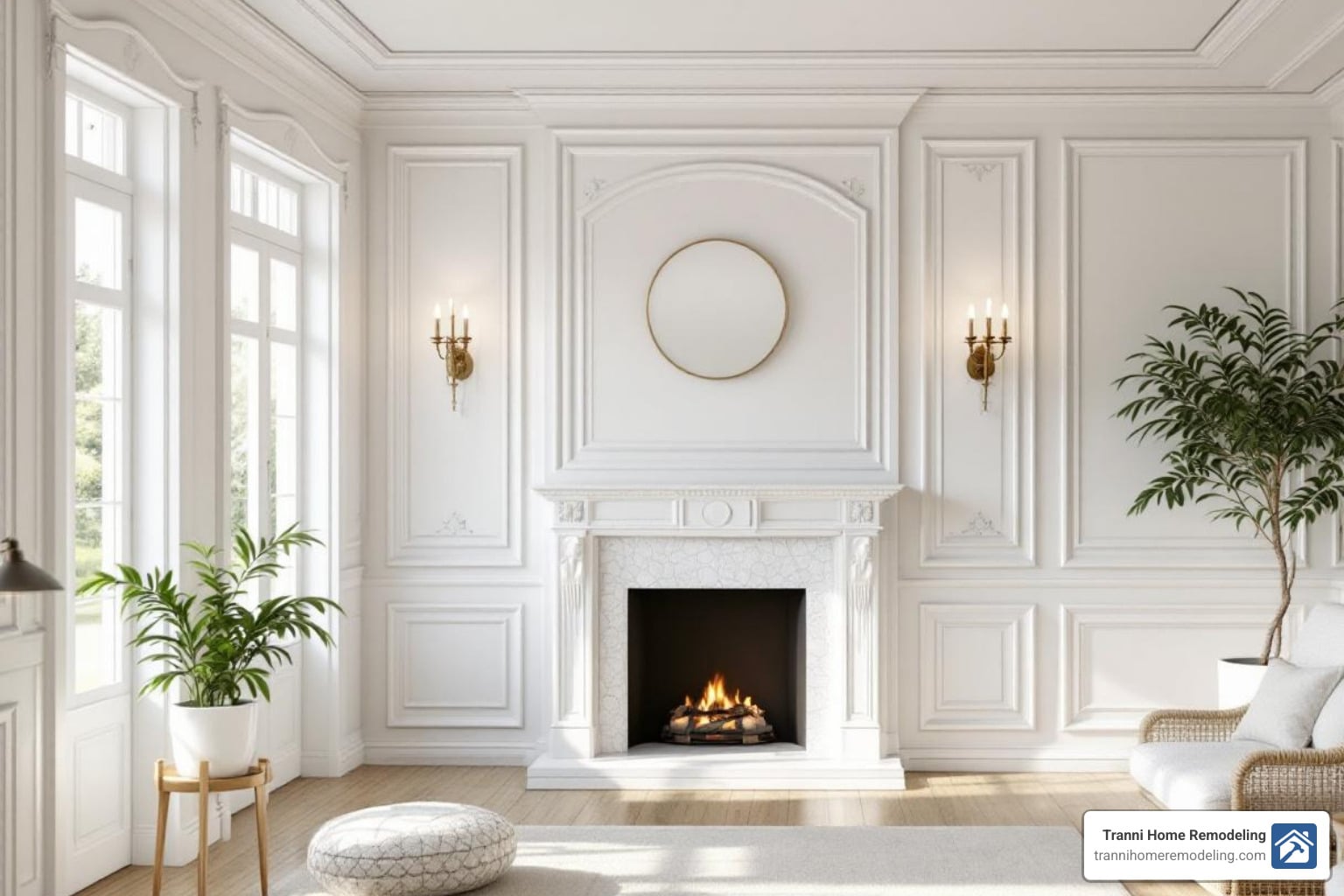





What Finish Custom Carpentry Really Means for Your Home
Finish custom carpentry is the specialized interior woodwork that transforms a construction project into a polished, beautiful living space. It includes the installation of trim, molding, cabinetry, and built-ins that define your home’s character and style.
Quick Overview:
- Definition: The final phase of carpentry that adds decorative and functional interior elements after framing and drywall
- Key Components: Baseboards, crown molding, door casings, window trim, custom cabinetry, built-ins, and stair railings
- Purpose: Improves aesthetics, protects surfaces, increases property value, and ties together your home’s design
- Timeline: A standard 2,000 sq. ft. home typically requires 5-10 days for finish carpentry work
- Investment: Well-executed finish carpentry lifts your home’s perceived value and adds lasting beauty
Think of finish carpentry as the difference between a house and a home. After the walls go up, it’s the carefully measured baseboards, perfectly mitered crown molding, and custom-built shelving that make your space feel complete.
As one company noted, “The bitterness of poor quality remains long after the sweetness of low price is forgotten.” This captures why precision matters. Poor miter cuts or inconsistent trim stick out, while quality work creates a visual harmony that lifts the entire space.
The core purpose is threefold: finish carpentry improves your home’s visual appeal, protects vulnerable surfaces like wall corners from daily wear, and increases your property’s market value through high-quality details.
I’m Tyler Tranni, owner and operator of Tranni Home Remodeling in Billerica, MA, and I’ve spent years perfecting the art of finish custom carpentry across kitchens, bathrooms, and custom built-in projects. My team and I understand that these final details are what transform a remodeling project from functional to exceptional.
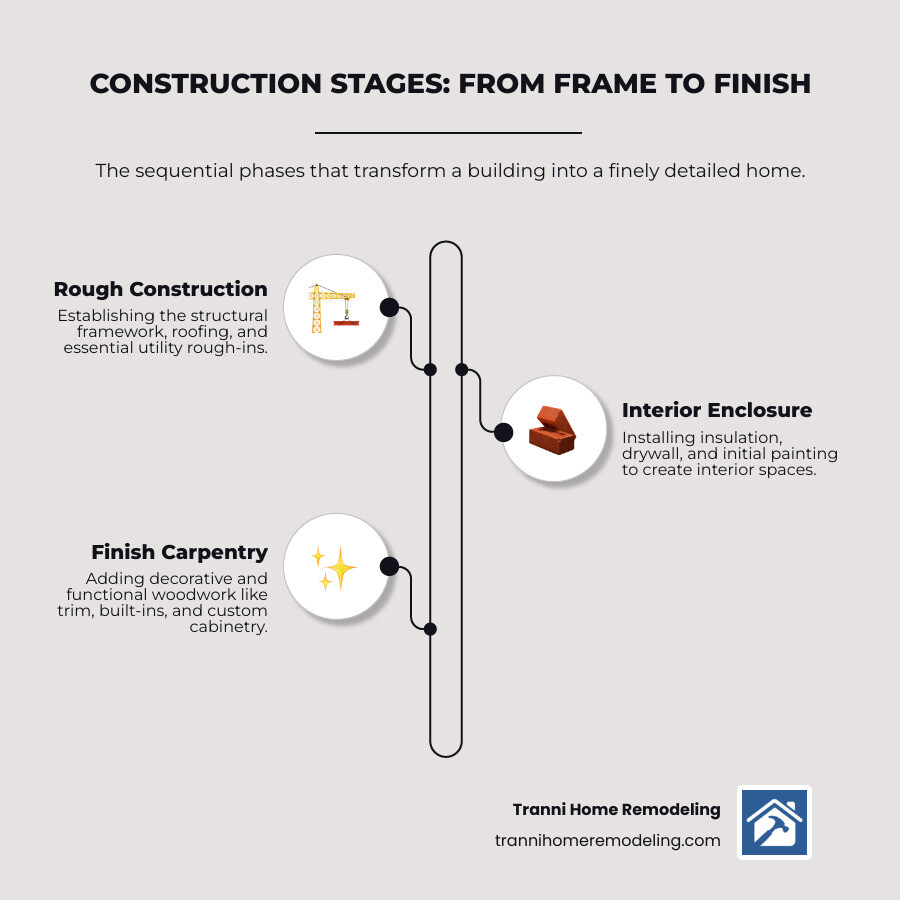
Finish custom carpentry terms to know:
The Essence of Finish Carpentry: Defining the Details
At its heart, finish custom carpentry is about the meticulous installation of interior elements that are both functional and decorative. It’s the final layer of woodwork that brings a home’s design vision to life, creating a sense of polish and character that rough carpentry simply cannot. While rough carpentry focuses on the bones of a building, finish carpentry adds the beauty and refinement.
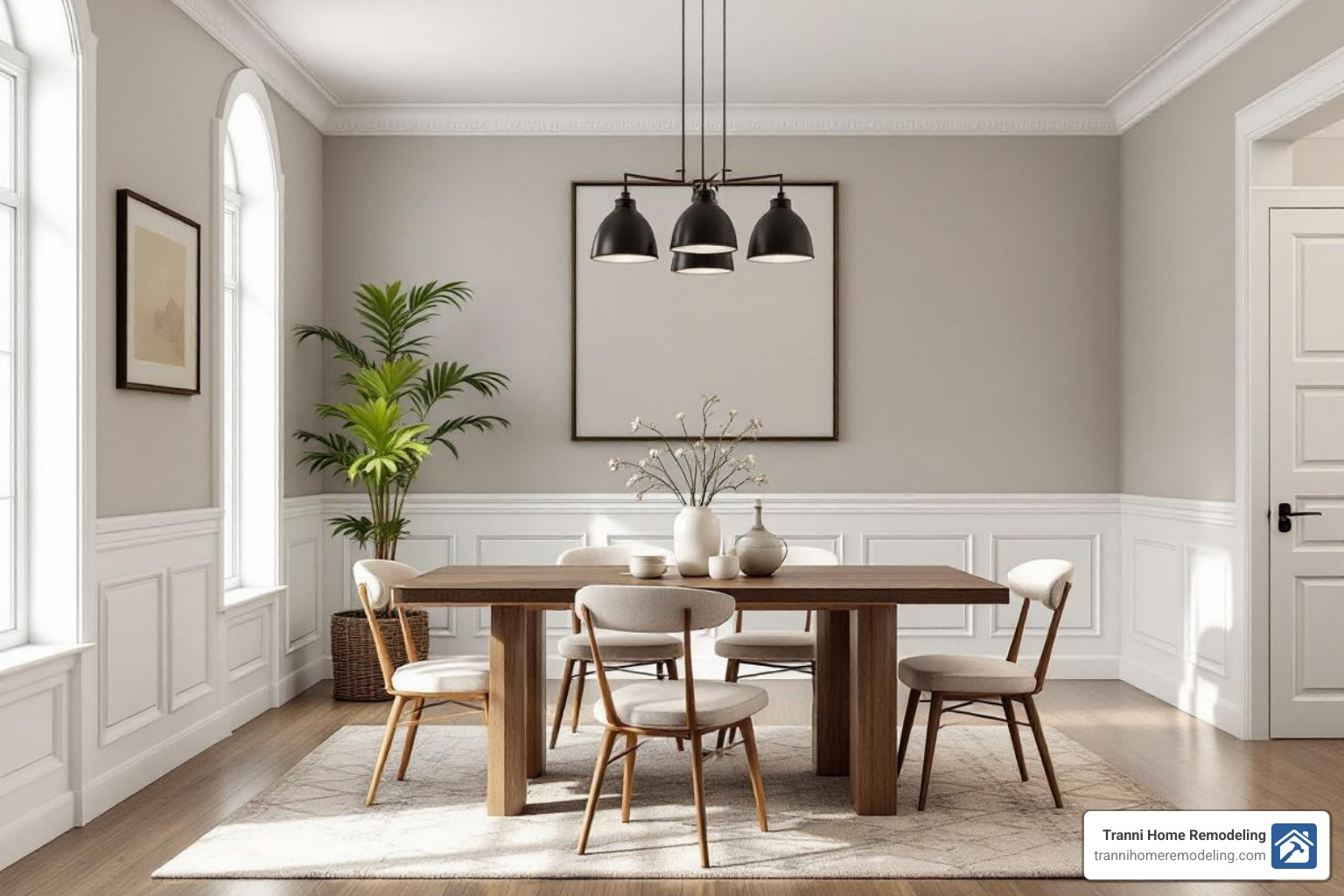
Interior trim and millwork sculpt the aesthetic of every room. These elements aren’t just pretty additions; they create visual harmony, add architectural interest, and define the unique look of your home.
Let’s clarify the distinction between the two main types of carpentry:
| Feature | Rough Carpentry | Finish Carpentry |
|---|---|---|
| Purpose | Structural, foundational, hidden | Aesthetic, decorative, visible |
| Focus | Framing, subflooring, roof trusses | Trim, molding, cabinetry, built-ins, doors |
| Precision | Generally less critical (covered by other layers) | Highly critical (visible, impacts final appearance) |
| Tools | Saws, hammers, nail guns, drills | Miter saws, routers, chisels, nailers, levels |
| Materials | Untreated lumber (e.g., 2x4s, plywood) | Fine woods, MDF, pre-finished materials |
| Timing | Early construction phase | Final construction phase, after drywall/painting |
| Goal | Stability, structural integrity | Visual appeal, functionality, detailed craftsmanship |
Key Components of Finish Custom Carpentry
The scope of finish custom carpentry is broad. These are the details our team at Tranni Home Remodeling specializes in, ensuring every piece contributes to your home’s charm and functionality:
- Baseboards: Trim that covers the joint between the wall and floor, protecting walls from scuffs.
- Crown Molding: Decorative trim where walls meet the ceiling, adding elegance.
- Door and Window Casings: Trim that frames windows and doors, concealing gaps and adding architectural detail.
- Custom cabinetry and millwork: Built-in storage or decorative wood elements crafted for your space, maximizing utility and style.
- Built-ins: Permanently installed units like bookshelves, entertainment centers, or window seats.
- Stair Railings and Balusters: Essential for safety and key decorative elements.
- Mantels: The decorative shelf and surround for a fireplace, often a room’s focal point.
- Wall Paneling (Shiplap, Wainscoting, Board & Batten): Decorative wood panels that add texture and character.
Why It’s More Than Just Trim
While often seen as decoration, finish custom carpentry holds significant importance:
- Aesthetic Impact: It defines your home’s architectural language. Adding baseboards, crown molding, and casings creates the clean lines and polished appearance that make a space feel complete. Well-executed details create an immediate impression of quality.
- Increased Property Value: High-quality finish work can significantly lift a home’s value. Custom cabinetry and built-ins are luxury upgrades that attract buyers. The custom cabinetry market was valued at USD 15.5 billion in 2022 and is projected to grow, underscoring the demand for personalized elements.
- Surface Protection: Baseboards protect walls from vacuums and foot traffic, while door and window casings shield drywall edges from wear. These components absorb daily impacts that could otherwise damage your home.
- Defining Architectural Style: From sleek modern to ornate traditional, finish carpentry is crucial for establishing a specific architectural style and ensuring design cohesion.
- Functionality: Built-ins and custom cabinetry marry form and function, providing custom storage solutions that make your home more organized and enjoyable.
At Tranni Home Remodeling, we strongly believe in The Value of Craftsmanship. It’s not just about installing wood; it’s about creating lasting beauty and functionality.
The Art and Science of Finish Custom Carpentry
Finish custom carpentry is a delicate balance of artistic vision and scientific precision. It demands an understanding of aesthetics, an eye for detail, and the ability to solve complex problems. As one expert source highlights, good finish carpenters transform construction sites into attractive living spaces, and this is truly an art form.
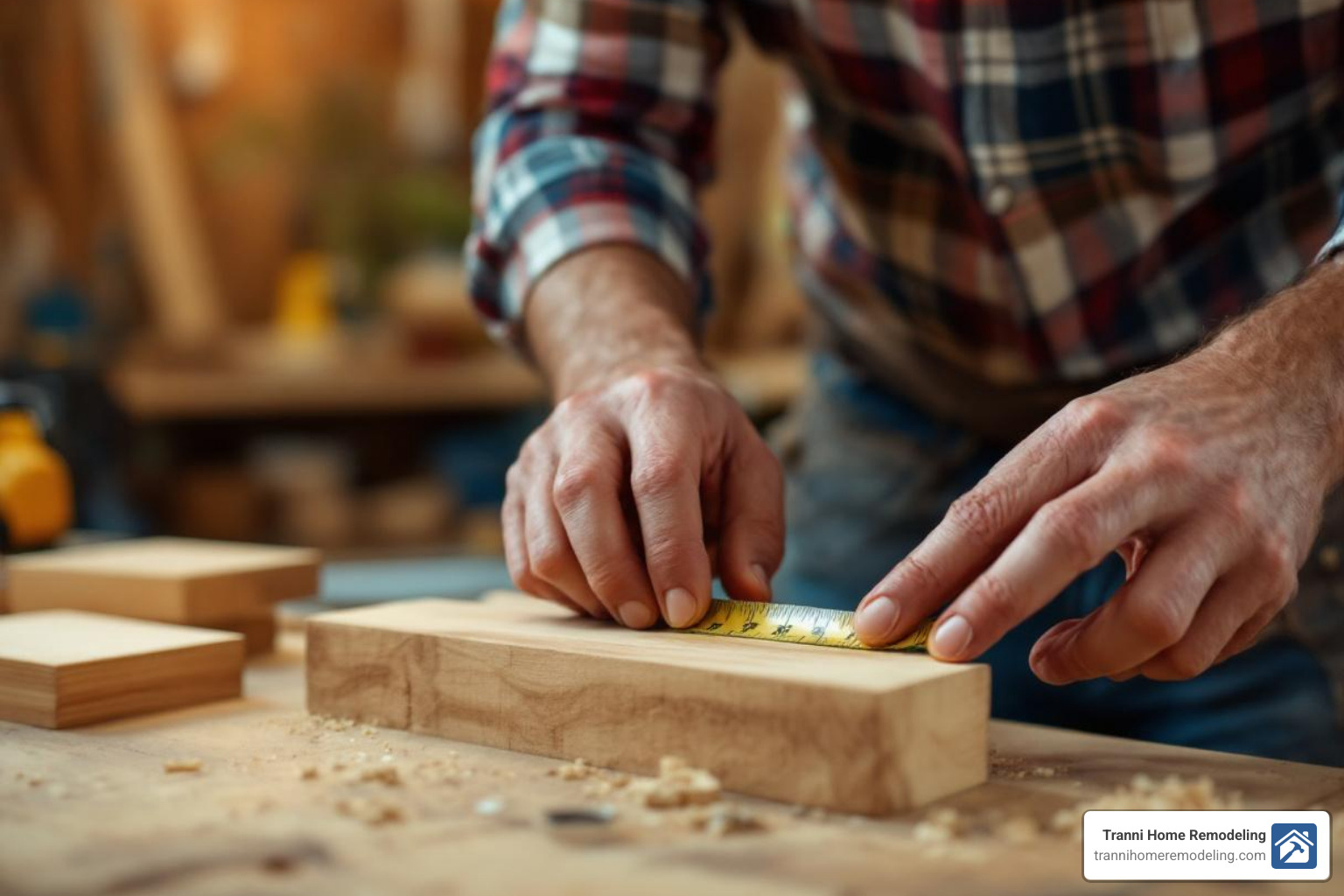
Our work often involves concealing a house’s natural imperfections—uneven walls, crooked corners—to create an illusion of perfection. This requires patience, meticulous measuring, and skill to achieve seamless joints. We’re not just cutting and nailing; we’re sculpting and refining.
Essential Skills and Tools of the Trade
The tools and skills a finish custom carpenter employs are a testament to the precision required. Key skills include mathematical accuracy, a keen eye for detail, problem-solving, and material knowledge.
Our toolbox is equipped with specialized instruments for fine work:
- Miter Saws: For precise angle cuts, crucial for perfect trim joints.
- Table Saws: For ripping boards to exact widths.
- Routers: To shape edges and create decorative profiles.
- Nail Guns (Pin and Finish Nailers): For discreetly fastening trim with minimal holes.
- Chisels: For fine-tuning joints and creating precise mortises.
- Levels and Squares: To ensure everything is perfectly plumb, level, and square.
- Scribing Tools: For fitting wood tightly against uneven surfaces.
- Sanders and Brushes: For preparing surfaces and applying flawless finishes.
Common Materials and Their Characteristics
The choice of material is fundamental to any finish custom carpentry project. Our team selects the best fit for your design, budget, and desired finish.
- MDF (Medium-Density Fiberboard): Cost-effective and stable with a smooth surface ideal for painting. It’s heavy and can be damaged by moisture if not sealed.
- Pine: An affordable, lightweight wood that’s easy to work with and suits rustic styles. It’s soft, so it can dent, and knots may require special priming.
- Poplar: A relatively inexpensive hardwood that paints exceptionally well due to its smooth grain. It’s not typically stained due to its greenish hue.
- Oak: Very durable and strong with a distinctive grain pattern. It’s a traditional choice that can be more expensive and harder to work with.
- Maple: A hard, durable wood with a fine, even grain that provides a sleek finish. It can be more expensive and challenging to stain evenly.
- Walnut: A luxurious, durable wood with a rich, dark grain. It’s an excellent choice for high-end projects but is the most expensive option.
- Exotic Woods (e.g., Cherry, Mahogany): Offer unique beauty and durability but are very expensive and may require specialized expertise.
Current Trends in Interior Woodworking
Interior design is always evolving, and finish custom carpentry trends reflect these changes. We stay up-to-date to offer you the most current and timeless options:
- Minimalist Trim: Simpler, cleaner profiles for baseboards and casings create a sleek, contemporary look. Some designs feature “trim-less” details with shadow gaps.
- Natural Wood Finishes: A trend towards showcasing the natural beauty of wood, like light oak and walnut, with clear coats or subtle stains that highlight the grain.
- Geometric Accent Walls: Using wood paneling in geometric patterns, like vertical shiplap or board and batten, to create dynamic focal points.
- Integrated Built-ins: Custom built-ins remain popular for seamless storage, including window seats, media walls, and home office setups.
- Bold and Dark Colors: While white trim is classic, painting trim in bold or dark hues creates dramatic contrast or a cozier feel.
- Shaker Style: A perennial favorite in cabinetry, its clean lines and framed look are highly versatile.
- Reclaimed Wood: Using reclaimed wood for mantels and accent walls adds a unique touch of history and sustainability.
From Blueprint to Reality: The Process and Possibilities
Bringing a vision for finish custom carpentry to life is an exciting journey that begins long before the first cut is made. Whether it’s a new build or a renovation, our process ensures every detail aligns with your dreams.
In new construction, we start with a clean slate, allowing us to integrate custom elements seamlessly from the ground up. We work with builders and designers to ensure every detail aligns with the architectural vision. Remodeling projects are more intricate, as we must consider existing structures and styles. This requires careful problem-solving, whether we’re matching new crown molding to existing trim or undertaking a complete fine interior carpentry upgrade. Our goal is to make new work look like it was always part of the home.
Custom Projects that Lift Your Home
The beauty of finish custom carpentry lies in its ability to create unique, personalized spaces that improve both aesthetics and functionality. Here are some custom projects that showcase high-quality craftsmanship:
- Built-in Window Seats: Add cozy charm, extra seating, and hidden storage.
- Home Office Shelving and Desks: Custom-built to keep your workspace organized and efficient.
- Mudroom Benches and Cubbies: Create an organized entry point and reduce clutter.
- Custom Fireplace Surrounds: Lift a fireplace to a grand architectural focal point.
- Entertainment Centers: Seamlessly integrate media equipment into a cohesive unit.
- Kitchen remodeling Cabinetry: Designed to fit your exact space, maximizing storage and reflecting your personal style.
- Bathroom remodeling Vanities: Offer optimized storage and design flexibility to suit your bathroom’s layout.
These examples illustrate how finish custom carpentry provides bespoke elements that fit your lifestyle and home perfectly.
Defining Architectural Styles with Carpentry
Finish custom carpentry is pivotal in establishing a home’s architectural style. The choice of trim, molding, and built-ins can dramatically influence the character of a space.
- Modern: Favors clean lines, minimal ornamentation, and simple trim profiles. “Trim-less” designs with shadow lines are common, focusing on an uncluttered aesthetic.
- Traditional: Features ornate moldings, detailed casings, and intricate millwork for a look of classic elegance and historical richness.
- Craftsman: Emphasizes natural wood, exposed joinery, and built-in elements like bookshelves and window seats, celebrating craftsmanship.
- Farmhouse: Incorporates shiplap, simple baseboards, and rustic wood features to create a cozy, comfortable aesthetic.
Understanding these distinctions is key to a cohesive design. Our team at Tranni Home Remodeling can help you select the perfect carpentry elements to embody your desired style. For more insights, you might find this Trim and Molding Buying Guide helpful.
Investing in Quality: Costs, Timelines, and Hiring a Pro
Investing in finish custom carpentry is a decision to improve your home’s beauty and value. Understanding the factors that influence costs and timelines, as well as how to choose the right professional, is crucial for a successful outcome.
Project complexity, materials, and required skill all influence the investment. Finish carpenters often earn more than general carpenters, reflecting the precision and artistry required. This demand for quality is clear in market trends, with the custom cabinetry market valued at USD 15.5 billion in 2022 and projected to grow at a 5.8% CAGR from 2023 to 2030, highlighting a preference for bespoke solutions.
What to Expect for Timelines and Costs
When planning your finish custom carpentry project, it’s natural to wonder about the duration and financial commitment.
- Timelines: The duration depends on scope and complexity. For a standard 2,000 sq. ft. home, finish carpentry might take 5 to 10 days. Intricate custom trim or extensive built-ins will take longer. We provide a detailed project schedule during our consultation.
- Cost Factors: Several elements influence the cost:
- Project Scope: The amount of work involved.
- Material Costs: The type of wood or composite chosen (e.g., MDF vs. solid walnut).
- Complexity of Design: Intricate profiles and custom built-ins require more labor.
- Labor Rates: The specialized skills of finish carpenters command higher rates.
- Average Cost Estimates: Based on internet data, the average cost for finish custom carpentry projects can range from $1,000 to $20,000+. Highly custom or extensive projects, like a full custom kitchen or complex built-ins, can easily exceed $60,000 or more. Please remember, these are general averages and not actual pricing for Tranni Home Remodeling services. We provide detailed, personalized estimates for every project.
How to Choose the Right Finish Carpenter
Selecting the right professional is paramount. Here’s what we recommend looking for:
- Portfolio Review: Review their portfolio for attention to detail and seamless joints. Our team at Tranni Home Remodeling is proud of our diverse portfolio of projects in Middlesex County, MA, including Billerica, Wilmington, and Lexington.
- References and Testimonials: Speak to past clients about their experience with the carpenter’s communication, professionalism, and timelines.
- Licensing and Insurance: Ensure the carpenter is properly licensed and insured to protect everyone involved.
- Communication Skills: A great finish carpenter listens, provides clear explanations, and keeps you informed throughout the process.
- Detailed Quotes: A reputable carpenter will provide a comprehensive, itemized quote. Be wary of vague estimates.
- Understanding Your Vision: The best carpenters collaborate, offering insights to improve your initial ideas and ensure the final product matches your needs.
When you choose Tranni Home Remodeling, you’re partnering with a team that brings over a decade of experience and high-quality craftsmanship to every project in communities like Billerica, Acton, Bedford, Burlington, Carlisle, Chelmsford, and beyond.
Frequently Asked Questions about Finish Carpentry
We often hear similar questions from homeowners considering finish custom carpentry. Here are some common inquiries and our expert answers:
What is the difference between custom and pre-fabricated cabinetry?
Custom cabinetry is built to your exact specifications for space, style, and needs, using high-quality materials for a unique result. Pre-fabricated cabinets are mass-produced in standard sizes, offering less flexibility but a lower initial cost. The choice depends on your budget, aesthetic, and desire for personalization.
How does finish carpentry protect my home?
Finish custom carpentry offers significant protection. Baseboards shield walls from scuffs and vacuums, while door and window casings protect drywall edges from chipping. Stair railings are crucial for safety. These elements absorb daily impacts, preserving your home’s interior and reducing maintenance needs.
Can I mix different wood styles in my home?
Absolutely! Mixing wood styles can create a rich, layered look. The key is careful planning to ensure the elements complement each other. For instance, you could pair light oak floors with dark walnut cabinets. A skilled carpenter can help you blend tones and grains for a cohesive design that reflects your personal style.
Conclusion: The Lasting Value of Masterful Craftsmanship
As we’ve explored, finish custom carpentry is far more than just an aesthetic improvement; it’s a critical element that defines your home’s character, lifts its value, and provides practical protection. From the subtle elegance of crown molding to the custom functionality of custom built-ins, these carefully crafted details are what transform a house into a truly personalized and inviting home.
The precision, artistry, and material knowledge required for high-quality finish custom carpentry are what set it apart. It’s an investment in the long-term beauty and functionality of your living space, ensuring that every corner, every edge, and every built-in piece contributes to a cohesive and stunning interior.
At Tranni Home Remodeling, we pride ourselves on our ability to bring your vision to life with exceptional craftsmanship and unwavering attention to detail. We understand that communicating your vision effectively is the first step towards changing your space into everything you’ve dreamed of. We’re here to listen, advise, and execute, changing your ideas into tangible, beautiful results. For expert fine interior carpentry that stands the test of time, we invite you to contact us today. Let’s create something extraordinary together.