





Replace Electrical Panel: Top Guide to Safe Upgrade 2025
Replace electrical panel is an essential task for homeowners who want to ensure both safety and efficiency in their homes. If you’re wondering whether it’s time for an upgrade, here are quick points to consider:
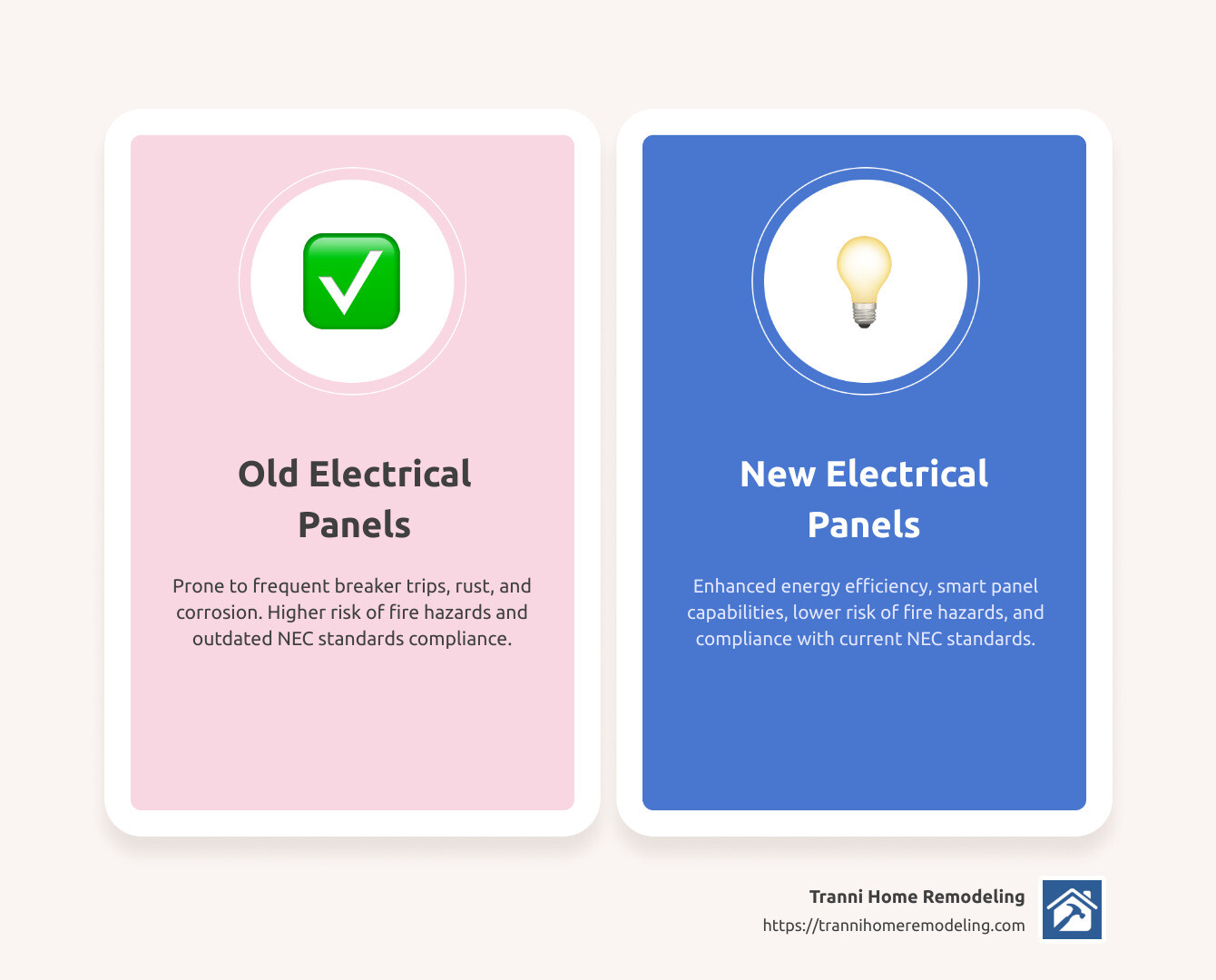
- Frequent breaker trips and unusual noises can indicate a need for replacement.
- Rust and corrosion on the panel are red flags.
- Upgrading to modern panels can significantly improve energy efficiency and home safety.
Electrical panels play a crucial role in distributing electricity safely and efficiently throughout your home. As the backbone of your home’s electrical system, they safeguard against overload and ensure circuit efficiency. With older panels, issues like unexpected power loss or increased electric bills can surface. This not only puts your household at risk but also impacts your energy costs.
At Tranni Home Remodeling, we recognize the importance of maintaining a safe and efficient home. By upgrading your electrical panel, you’re investing in peace of mind and contributing to increased property value.
I’m Tyler Tranni, owner and operator of Tranni Home Remodeling. With years of experience in changing homes, I bring expert knowledge in safe and efficient electrical upgrades. Replace electrical panel is not just a service we offer; it’s a crucial step towards a safer and more efficient home.
Know your replace electrical panel terms:
– change electrical panel
– cost to change electrical panel
– installing a new 200 amp service panel
Understanding Electrical Panels
Electrical panels are the central control centers of your home’s electrical system. Think of them as the traffic directors of electricity, ensuring power flows smoothly and safely to various parts of your home. Without them, your appliances, lights, and devices wouldn’t work efficiently or safely.
What is an Electrical Panel?
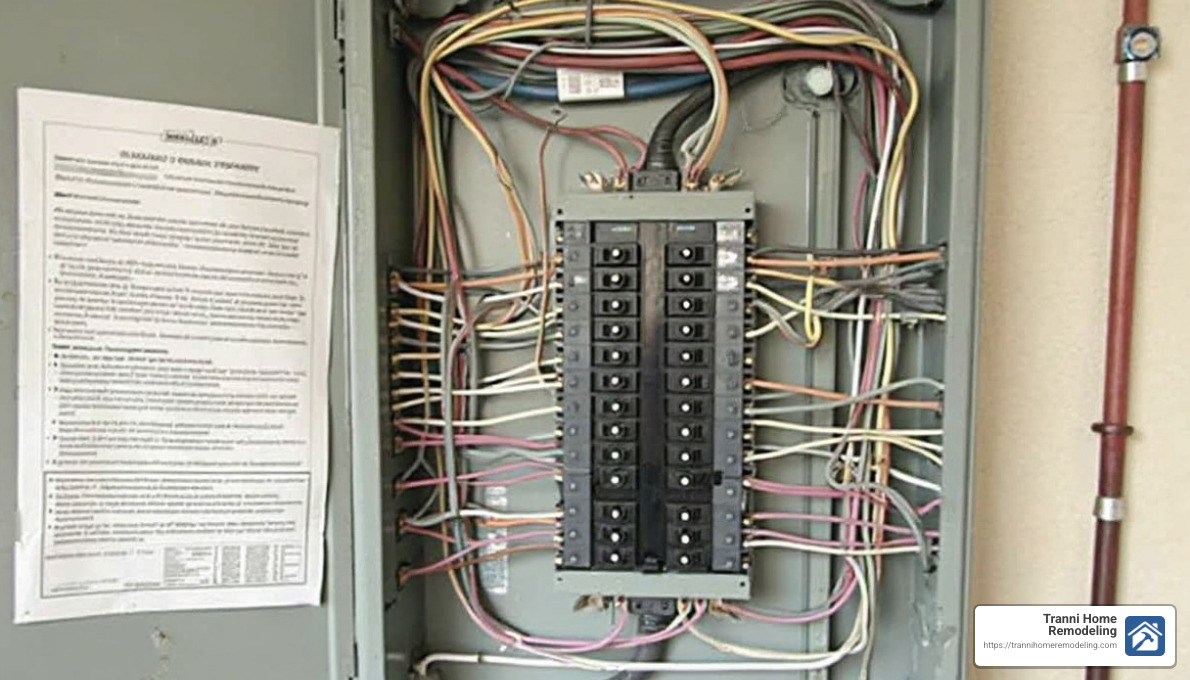
An electrical panel, also known as a breaker box, is where the electricity from the utility company enters your home. It distributes power to different circuits, each protected by a circuit breaker. These breakers are essential because they prevent overloads by cutting off power when a circuit draws too much current. This feature helps to avoid potential hazards like electrical fires.
Why Electrical Panels Matter
Safety is a top priority when it comes to electrical panels. They protect your home from electrical hazards by managing and controlling the flow of electricity. Modern panels use circuit breakers instead of fuses, which are more reliable and easier to reset. In the event of an overload, the breaker trips, cutting off power and preventing damage.
Beyond safety, electrical panels are vital for energy management. They ensure that power is distributed efficiently, helping reduce unnecessary energy consumption. This efficiency can lead to lower electricity bills and a more sustainable home.
Maintenance of your electrical panel is crucial. Regular inspections by a licensed electrician can help identify issues like rust or corrosion, which can compromise safety. According to experts, a well-maintained panel will have properly labeled breakers and secure connections, ensuring optimal performance.
At Tranni Home Remodeling, we emphasize the importance of having a reliable electrical panel. Upgrading to a modern panel can not only improve safety but also future-proof your home for additional electrification projects, like adding an electric vehicle charger or more energy-efficient appliances.
In the next section, we’ll explore the signs that indicate it might be time to replace your electrical panel, helping you make informed decisions for your home’s safety and efficiency.
Signs You Need to Replace Your Electrical Panel
Your home’s electrical panel is like the heart of your electrical system. It distributes power where you need it and keeps everything running smoothly. But just like any part of your home, it can wear out or become outdated. Here’s how to tell if it’s time to replace your electrical panel.
Common Electrical Issues
Electrical problems are often the first sign that your panel needs attention. If you experience frequent breaker trips, it could mean your panel is struggling to handle your home’s electrical load. This is not just annoying; it can also be dangerous.
Other warning signs include unusual noises like buzzing or crackling coming from the panel. These noises can indicate loose connections or damaged components. Additionally, visible rust and corrosion on the panel are red flags. These issues can lead to poor connections and increase the risk of electrical fires.
Safety Concerns
Safety should always be a top priority. Older panels might not meet modern safety standards, such as those set by the National Electric Code (NEC). This can pose significant fire hazards. Each year, electrical issues cause over 51,000 fires in homes. Often, these fires result from wire housing overheating, leading to dangerous arcing.
If your panel is outdated, it might not have the necessary safety features to protect your home. Upgrading to a new panel can prevent these risks and ensure your home meets current NEC standards, which is crucial for both safety and compliance.
Energy Efficiency
An outdated electrical panel can also affect your home’s energy efficiency. Older panels might not effectively limit the power a circuit draws, leading to higher consumption and, consequently, higher electricity bills. This inefficiency can cause wear and tear on your system.
Switching to a modern panel, especially a smart panel, can improve energy savings. Smart panels offer better energy management, allowing you to monitor and optimize your home’s power usage. This not only saves money but also supports a more sustainable lifestyle.
Recognizing these signs early can help you avoid costly repairs and improve your home’s safety and efficiency. In the next section, we’ll dig into the costs associated with replacing an electrical panel and explore various factors that can influence these expenses.
Cost of Replacing an Electrical Panel
Replacing an electrical panel is a significant investment, but it’s essential for the safety and efficiency of your home. Let’s break down the costs involved and explore ways to manage these expenses.
Average Cost Breakdown
On average, homeowners spend between $550 and $3,000 to replace an electrical panel, with most paying around $1,300. These costs vary widely due to several factors:
- Panel Cost: The price of the panel itself can range significantly based on its capacity and features. A basic circuit breaker switch might cost between $5 and $20, while a subpanel could set you back anywhere from $400 to $2,000.
- Labor Charges: Hiring a licensed electrician is crucial for this job. Labor typically costs $50 to $150 per hour, and installations can take between four to eight hours. This makes labor one of the most expensive parts of the replacement.
- Additional Upgrades: If your home’s existing wiring is outdated or damaged, you might need to update it during the panel replacement, adding to the overall cost.
Factors Affecting Cost
Several elements can impact the total cost of replacing an electrical panel:
- Panel Size: Larger panels with higher amperage are generally more expensive but may be necessary for homes with greater electrical demands.
- Complexity: If your panel needs to be relocated, expect additional costs ranging from $1,000 to $3,000. This depends on the complexity and number of circuits involved.
- Local Market Rates: Prices can also vary based on where you live. Areas with a higher cost of living, like Middlesex County, MA, may have higher labor and material costs.
Financing and Rebates
Upgrading your electrical panel doesn’t have to break the bank. Here are a few ways to manage the costs:
- Home Improvement Loans: Consider a personal loan or a home equity line of credit to finance the panel replacement.
- Energy Efficient Home Improvement Credit: This credit can save you up to 30% of the project’s cost, with a limit of $600, making it a valuable option for those looking to upgrade to a more efficient panel.
- Utility Rebates: Some utility companies offer rebates or incentives for upgrading your electrical panel, especially if it supports energy efficiency improvements.
By understanding the costs and exploring financing options, you can make informed decisions about replacing your electrical panel. This ensures your home remains safe and energy-efficient, paving the way for future electrification projects. Next, we’ll discuss whether you should tackle this project on your own or hire a professional.
Can You Replace Your Electrical Panel Yourself?
Replacing an electrical panel is a task that seems tempting to tackle yourself, especially if you’re looking to save money. However, the risks often outweigh the benefits. Let’s break down why it’s usually best to leave this job to the pros.
Risks of DIY Replacement
Electrocution: Working with electrical panels is dangerous. Even a small mistake can result in serious injury or even death. The risk of electrocution is high if you don’t have the proper training.
Improper Installation: Installing an electrical panel involves complex tasks like connecting wires and ensuring everything is up to code. Mistakes can lead to faulty installations, which may cause electrical fires or damage to your home’s wiring.
Code Violations: Electrical work must comply with local codes and regulations. DIY installations often fail to meet these standards, leading to costly fines or the need for rework by a professional.
Benefits of Hiring a Professional
Licensed Electricians: Professionals are trained and licensed to handle electrical work. They understand the intricacies of electrical systems and can ensure that your panel is installed correctly and safely.
Quality Work: Hiring a professional ensures the job is done right the first time. This reduces the risk of future problems and can save you money in the long run by avoiding costly repairs.
Safety Assurance: A licensed electrician will follow all safety protocols, minimizing the risk of accidents. They also know how to handle unexpected issues that may arise during the installation process.
While the DIY route might seem appealing, the risks involved with replacing an electrical panel are significant. Hiring a professional not only ensures the safety of your home but also provides peace of mind knowing the job is done correctly. Up next, we’ll explore how to choose the right electrical panel for your needs.
How to Choose the Right Electrical Panel
Choosing the right electrical panel is crucial for ensuring your home meets its current and future energy needs. Let’s explore what you need to know about panel size, future-proofing, and smart panels.
Determining Your Panel Size
When deciding on the panel size, it’s important to consider both your current needs and potential future expansions. The National Electric Code (NEC) recommends a minimum capacity of 100 amps, but many homes are upgrading to 200-amp panels. Why? Because a larger panel offers more flexibility to accommodate modern appliances and future electrification projects, like electric vehicle charging or adding a home office.
100 Amp vs. 200 Amp Panels:
- 100 Amp Panel: Suitable for smaller homes with minimal electrical needs. It can handle basic lighting, outlets, and a few major appliances.
- 200 Amp Panel: Ideal for larger homes or those planning expansions. It supports multiple high-demand appliances and future-proofing for additional electrification needs.
Future-Proofing Your Home
Future-proofing your home means preparing your electrical system to handle increased power demands as technology evolves. Upgrading to a higher amperage panel ensures you won’t need costly upgrades when you decide to add more gadgets or appliances.
- Flexibility: A 200-amp panel provides the capacity to add new circuits without overloading the system.
- Additional Electrification Projects: As more homes move toward full electrification, having a panel that can support these changes is key. This includes adding solar panels or installing electric vehicle chargers.
Smart Panels
Smart panels are the future of energy management. They allow for remote monitoring and improved efficiency, making your home’s electrical system more responsive and adaptable.
- Energy Management: Smart panels can optimize energy use, reducing waste and potentially lowering your utility bills.
- Remote Monitoring: With smart technology, you can track your energy consumption in real-time from your smartphone, helping you make informed decisions about your power usage.
- Efficiency: By automatically distributing power where it’s needed, smart panels ensure your home operates at peak efficiency.
Choosing the right electrical panel involves looking at your current needs, planning for future growth, and considering the benefits of smart technology. Up next, we’ll answer some frequently asked questions about replacing electrical panels.
Frequently Asked Questions about Replacing Electrical Panels
How much should it cost to replace an electrical panel?
The cost to replace an electrical panel can vary widely, depending on several factors. On average, you might expect to pay anywhere from $2,000 to $4,000 for a panel upgrade, including labor and materials. However, if your situation requires additional electrical work, such as a service upgrade or transformer replacement, costs can soar to between $5,000 and $25,000. These figures are based on national averages and may differ in areas like Andover, MA, or Woburn, MA, due to local market rates.
Factors that affect the cost include:
- Panel Size: Larger panels, like a 200-amp panel, often cost more than smaller ones.
- Complexity of Installation: If the installation is intricate or requires rewiring, expect higher labor costs.
- Local Market Rates: Prices can fluctuate based on the availability of electricians and regional pricing standards.
When budgeting for a panel replacement, it’s a good idea to get multiple quotes from electricians to find the best price available.
Can I replace my home electrical panel myself?
While the idea of saving money by replacing your electrical panel yourself might be tempting, it’s generally not recommended. Working with electrical systems can be dangerous, and the risks of DIY replacement are significant:
- Electrocution: Without proper training, there’s a high risk of electrical shock.
- Improper Installation: Mistakes can lead to fire hazards or damage to your home’s electrical system.
- Code Violations: Failing to meet NEC and local code requirements can result in fines and necessitate further costly repairs.
Hiring a professional electrician ensures the job is done safely and correctly. They have the expertise to handle complex installations and know how to obtain the necessary permits. Plus, their work is typically insured, offering you peace of mind.
Can you upgrade an electrical panel without rewiring the house?
Yes, in many cases, you can upgrade your electrical panel without needing to rewire your entire house. If your current wiring is in good condition and meets modern standards, an electrician can often replace the panel alone. However, if your home has outdated or unsafe wiring, additional updates might be necessary to ensure safety and compliance with current codes.
Consulting with a professional electrician is crucial. They can assess your existing system and provide advice on whether rewiring is needed alongside a panel upgrade. This approach not only ensures safety but also optimizes the efficiency of your home’s electrical system.
Next, we’ll explore the importance of professional services when it comes to replacing electrical panels.
Conclusion
When it comes to replacing an electrical panel, the importance of professional services cannot be overstated. Electrical panels are the heart of your home’s electrical system, and ensuring they function safely and efficiently is crucial.
Safety and Expertise
Hiring a professional ensures that your electrical panel is replaced safely and correctly. Licensed electricians have the training and experience to handle complex electrical work, minimizing risks such as electrocution and fire hazards. They are familiar with local codes and regulations, ensuring that all work complies with the National Electric Code (NEC) and local standards. This compliance not only keeps your home safe but also protects you from potential fines or costly repairs due to code violations.
Efficiency and Peace of Mind
A professional electrician can optimize your panel for efficiency, potentially reducing energy consumption and lowering your utility bills. They can offer insights into future-proofing your home, recommending panel sizes and types that will accommodate future electrical needs, such as electric vehicle charging or additional home renovations. This foresight can save you money and hassle in the long run.
At Tranni Home Remodeling, we pride ourselves on delivering high-quality craftsmanship and outstanding service. Our team, based in Billerica, MA, is committed to ensuring your electrical panel replacement is done right the first time. We understand the unique needs of homes in Middlesex County and offer personalized solutions that meet both your current and future electrical demands.
Ready to upgrade your home’s electrical panel? Contact us today to schedule a consultation and ensure your home is safe, efficient, and ready for whatever the future holds.
