




Best Way to Find a Contractor for Bathroom Remodeling: Top Tips 2025
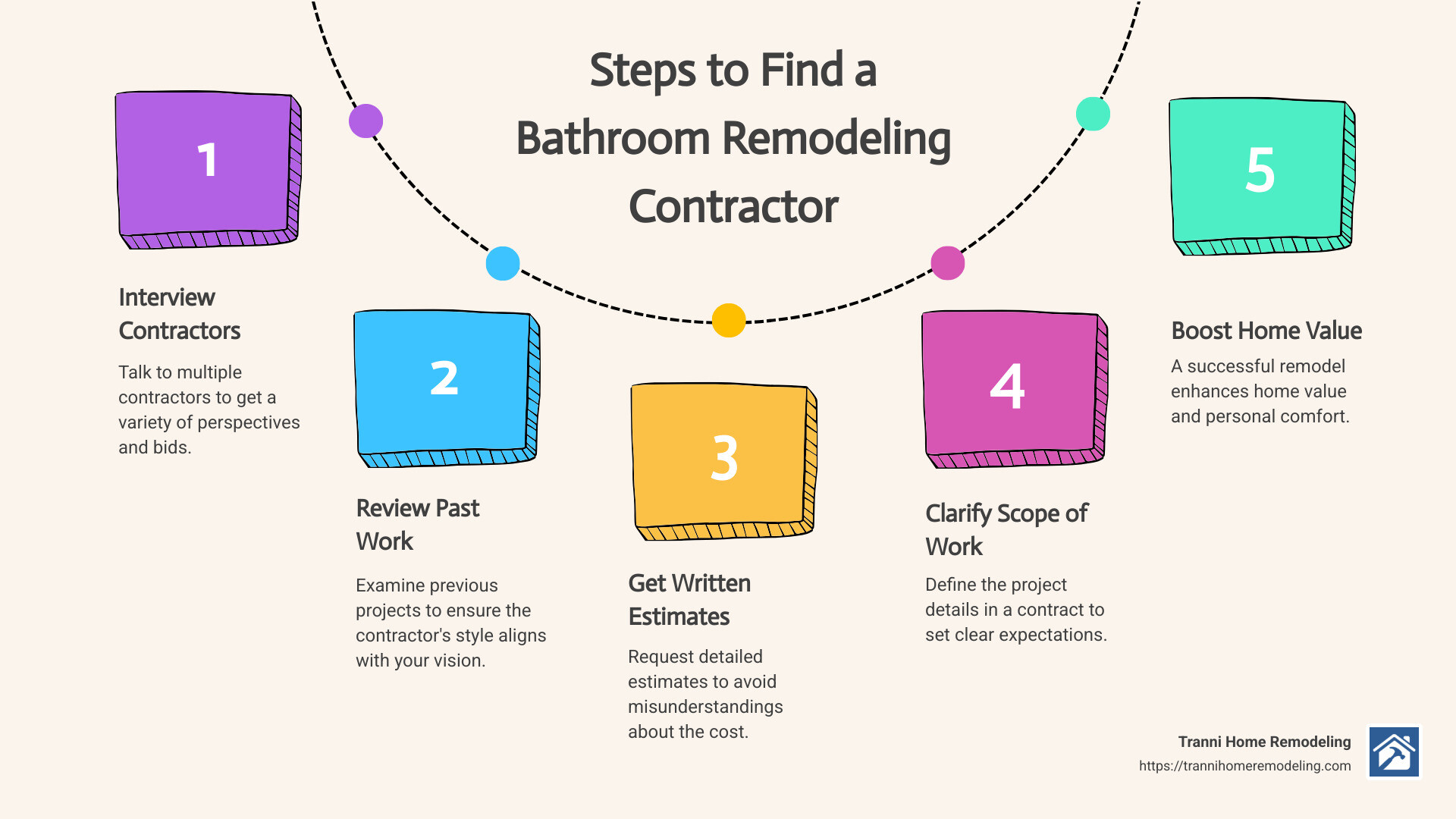
The best way to find a contractor for bathroom remodeling is straightforward. Follow these steps to save time and stress:
- Interview multiple contractors to get a range of perspectives and competitive bids.
- Review their past work to ensure their style matches your vision.
- Get written estimates to avoid misunderstandings about costs.
- Clarify the scope of work in a detailed contract to set clear expectations.
Hiring a bathroom remodeling contractor is one of the most crucial decisions when upgrading your home. A well-executed bathroom remodel not only improves your daily living experience but also significantly boosts your home’s value. With the right contractor, you can transform your bathroom into a functional and beautiful space custom to your needs and style.
I’m Tyler Tranni, the owner of Tranni Home Remodeling. With years of experience in home renovation, I specialize in changing bathrooms and kitchens, ensuring that you receive high-quality craftsmanship and a smooth remodeling process. My expertise will guide you in finding the best way to find a contractor for bathroom remodeling, ensuring that your remodel is both stress-free and successful.
Best way to find a contractor for bathroom remodeling terms explained:
– how to hire a bathroom remodeling contractor
– what to ask a contractor when remodeling a bathroom
– best bathroom contractors
Start With a Clear Plan
Before diving into your bathroom remodel, start with a clear plan. This foundation will guide every decision you make, from selecting materials to choosing the right contractor.
Determine Your Budget and Timeline
First, set a realistic budget. This includes not only the cost of materials and labor but also a contingency fund for unexpected expenses. A good rule of thumb is to allocate 10-15% of your budget for surprises. Labor costs typically account for 20-35% of the total project budget.
Next, establish a timeline. Decide when you want the project to start and how long you’re willing to live with the disruption. Be clear about any deadlines, such as special events or holidays, that might affect your schedule.
Gather Your Ideas
With your budget and timeline in place, it’s time to gather ideas for your remodel. Start by defining your goals. Do you want more storage? Better lighting? A spa-like retreat? Knowing what you want will help you make informed decisions.
Design features are key. Consider elements like the layout, fixtures, and finishes. Think about how you use the space and what improvements will improve your daily routine. For instance, if you love long showers, a rain showerhead might be a priority.
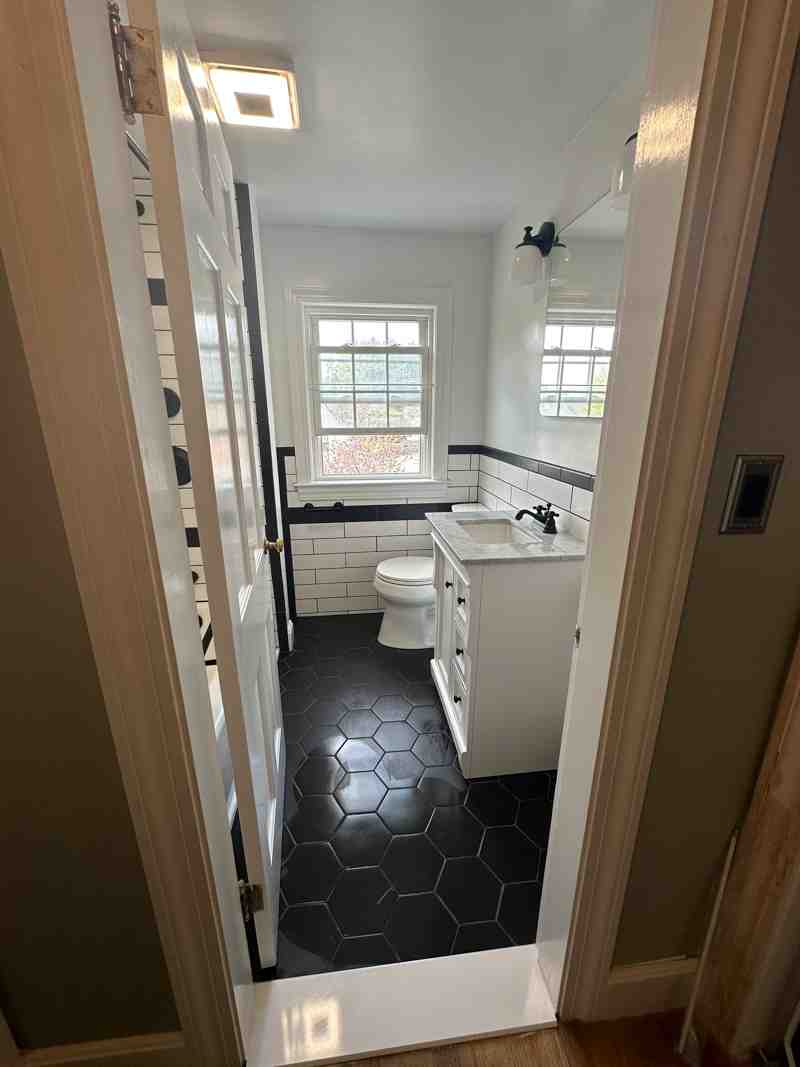
Inspiration sources are everywhere. Browse magazines, websites like Houzz, or visit showrooms to see the latest trends. Save images and notes of what you like to share with your contractor. This will help convey your vision clearly.
By starting with a clear plan, you’re setting the stage for a successful remodel. This preparation will make it easier to communicate with your contractor and ensure your project stays on track and within budget.
How to Find Excellent Bathroom Remodeling Contractors
Finding the right contractor is crucial for a successful bathroom remodel. Here are some effective ways to find top-notch professionals:
Personal Referrals
Start by seeking personal referrals from friends, family, and colleagues. People you trust can provide honest feedback about their experiences. For instance, if your neighbor recently completed a bathroom remodel, ask about their contractor’s professionalism and quality of work. Personal referrals often lead to reliable contractors who have proven their skills.
Online Platforms and Websites
The internet is a great resource for finding contractors. Contractor-matching sites like HomeAdvisor and Thumbtack can connect you with local professionals. These platforms allow you to read reviews, compare quotes, and evaluate contractors based on past performance. Review sites such as Yelp and Google Reviews offer insights into customer satisfaction. Look for contractors with high ratings and positive feedback.
Professional Organizations
Consider contractors who are members of professional organizations like the National Kitchen & Bath Association (NKBA) and the National Association of the Remodeling Industry (NARI). Membership in these organizations indicates a commitment to quality and professionalism. These groups often provide training and certifications, ensuring their members are up-to-date with industry standards.
By leveraging personal referrals, exploring online platforms, and considering professional affiliations, you’re well on your way to finding an excellent contractor for your bathroom remodel.
Conduct Phone Interviews
Once you’ve identified potential contractors, it’s time to conduct phone interviews. This step helps you narrow down your list to the best candidates.
Questions to Ask During Phone Interviews
1. Start with at Least Three Contractors
Begin by contacting a minimum of three contractors. This gives you a range of options to compare. More conversations mean more data to help you make an informed choice.
2. Ask Basic Questions
Kick off the interview with some basic questions. Ask about their availability, experience with similar projects, and whether they can work within your timeline. This sets the stage for deeper inquiries.
3. Schedule a Site Visit
During the call, discuss scheduling a site visit. Seeing the space in person helps contractors provide more accurate estimates and allows you to gauge their professionalism.
4. Inquire About References
Request references from past clients. A reputable contractor should have no problem providing these. Follow up with the references to ask about project completion, satisfaction, and any issues encountered.
5. Employees vs. Subcontractors
Find out if the contractor uses employees or subcontractors. This can affect the quality of work and the ease of communication. Contractors with their own team may have better control over the project’s outcome.
6. Verify Certifications and Licenses
Ask about their certifications and licenses. This ensures they meet industry standards and are qualified to handle your remodel. Verify these credentials with the relevant state licensing board.
7. Check Insurance
Ensure the contractor has adequate insurance coverage. This includes general liability and workers’ compensation. It’s a crucial step to protect you from potential liabilities.
8. Discuss Payment Expectations
Clarify payment expectations. Discuss the payment schedule and any deposit requirements. Be wary of contractors who demand large upfront payments.
By asking these questions, you can identify the most qualified and reliable contractors for your bathroom remodel. This process helps ensure you choose a professional who will deliver quality work within your budget and timeline.
Vet Your Top Prospects
Once you’ve narrowed down your list of potential contractors through phone interviews, it’s time to vet your top prospects. This step is crucial to ensure you hire a reliable and professional contractor for your bathroom remodel.
Verify Licenses and Insurance
Start by verifying that each contractor holds the necessary licenses and insurance. This is non-negotiable. A valid license means they meet the required standards set by the state. You can check their licensing status through your state’s licensing board.
Insurance is equally important. Ensure the contractor has general liability insurance and workers’ compensation. This protects you from being held liable for any accidents or damages during the project. You can confirm their insurance coverage by contacting their insurance carrier directly.
Contact References
Next, reach out to the references provided by the contractors. This gives you insights into their past work and client satisfaction. Here are some key questions to ask references:
- When was your project completed? This helps determine if the contractor has recent experience.
- Were you satisfied with their work? Satisfaction levels can indicate the quality of the contractor’s work.
- How much did your project run over budget? Consistent budget overruns could be a red flag.
- Were the contractor and any subcontractors professional and courteous? Professionalism is crucial for a smooth project.
- Would you hire them again? This question can reveal the overall experience with the contractor.
By verifying licenses and insurance and contacting references, you ensure that the contractor you choose is qualified, reliable, and professional. This diligence helps you avoid potential pitfalls and ensures your bathroom remodel is in good hands.
Conduct Thorough Site Visits
Once you’ve vetted your top contractor prospects, the next step is to conduct thorough site visits. This is your opportunity to dive deep into the specifics of your bathroom remodel and ensure that both you and the contractor are aligned on every detail.
Provide Detailed Project Information
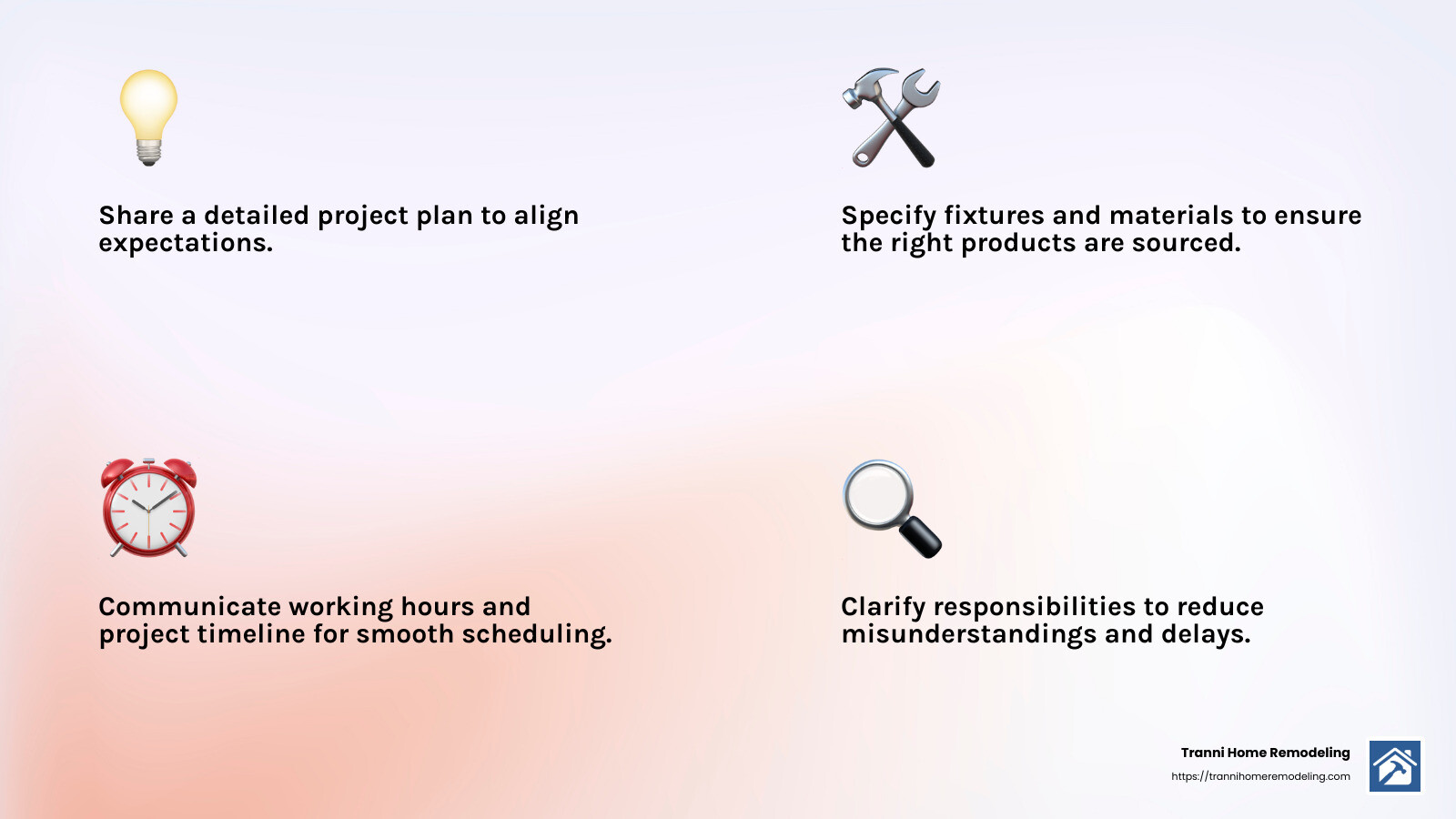
Start by sharing a detailed project plan with each contractor. This plan should cover all aspects of your remodel, including:
- Budget: Clearly outline your financial limits. This helps avoid misunderstandings about what can be achieved within your budget.
- Design and Aesthetic: Share your vision for the bathroom, including any specific design elements or themes you want to incorporate.
- Fixtures and Materials: Specify the types of fixtures you want, such as sinks, bathtubs, and toilets. Also, indicate your choices for materials like tile, countertops, and flooring. This ensures that the contractor understands your preferences and can source the right products.
- Electrical Components: Discuss the placement of lighting, outlets, and other electrical elements. This is crucial for planning any necessary wiring or electrical work.
- Working Hours and Project Timeline: Communicate acceptable working hours and your desired project timeline. This helps set expectations for both parties and ensures the project fits into your schedule.
Discuss Responsibilities
Next, clarify who is responsible for each part of the project. This includes:
- Material Sourcing: Decide if the contractor will source all materials or if you will supply some or all of them. If you plan to reuse certain fixtures, make sure this is communicated and agreed upon.
- Task Lists and Schedules: Contractors work best with clear task lists and schedules. Discuss the sequence of work and any specific deadlines. This helps keep the project organized and on track.
By providing detailed project information and discussing responsibilities upfront, you lay the groundwork for a successful bathroom remodel. Clear communication ensures that both you and the contractor are on the same page, minimizing the chances of misunderstandings or delays.
Next, we’ll explore how to get estimates in writing and what to include in a comprehensive contract.
Get Estimates in Writing
Once you’ve conducted thorough site visits and shared your detailed project plan, the next step is to get estimates in writing. This is a crucial part of the process, as it helps you compare different contractors and ensures you know exactly what you’re getting into.
What to Include in the Contract
When reviewing estimates, make sure the contract includes the following essential elements to protect both you and the contractor:
- Detailed Quotes: The estimate should break down costs for materials, labor, and any additional fees. This transparency helps you understand where your money is going and allows for fair comparisons between contractors.
- Project Description: Ensure the contract includes a thorough description of the project. This should reflect the discussions from your site visits, including all design details, materials, and fixtures.
- Total Price: The contract should clearly state the total project cost. This helps avoid surprises later on and ensures both parties agree on the financial scope of the project.
- Payment Schedule: Outline when payments are due. A typical schedule might include an initial deposit, progress payments tied to milestones, and a final payment upon completion. This helps manage your budget and keeps the project on track.
- Scope of Work: Clearly define what the contractor will and will not do. This includes demolition, installation, and any additional tasks. A well-defined scope prevents misunderstandings and ensures both parties are aligned.
- Site Plan and Construction Tasks: Include a site plan and a schedule of primary construction tasks. This ensures the contractor knows exactly what needs to be done and when.
- Change Order Clause: A change order clause outlines how changes to the project will be handled. This is crucial for addressing any unexpected issues or changes in your plans.
- Warranty: A warranty protects you from future issues with the work performed. Make sure the contract specifies the length and coverage of the warranty, including materials and labor.
- Dispute Resolution Clause: This clause outlines how disputes will be handled. It’s an important safeguard that can save time and money if disagreements arise.
- Lien Waiver: A lien waiver ensures that subcontractors and suppliers are paid. This protects you from liens being placed on your property if the contractor fails to pay their workers.
By ensuring these elements are included in your contract, you set a solid foundation for a successful bathroom remodel. Clear, written agreements help prevent misunderstandings and provide a reference point if issues arise.
Next, we’ll address some frequently asked questions about finding a bathroom remodeling contractor to help you make informed decisions.
Frequently Asked Questions about Finding a Bathroom Remodeling Contractor
How many quotes should I get for a bathroom remodel?
When planning a bathroom remodel, it’s wise to obtain three to four estimates from different contractors. This approach gives you a broad perspective on pricing and helps ensure competitive pricing. By comparing multiple quotes, you can identify any outliers—whether they’re too high or suspiciously low. The goal is to find a balance between cost and quality.
How much profit should a contractor make from a bathroom remodel?
Understanding a contractor’s profit margin can help you gauge the fairness of their pricing. Typically, a contractor’s gross profit margin for a bathroom remodel should be between 35% to 38%. This margin covers their overhead costs, such as labor, materials, and business expenses, while allowing them to earn a reasonable profit. If you notice a margin significantly outside this range, it might be worth asking questions or seeking additional quotes.
How do I get the most value out of my bathroom renovation?
To maximize the value of your bathroom renovation, consider focusing on cosmetic upgrades rather than major structural changes. Simple improvements like updating fixtures, refreshing paint, and adding stylish accessories can make a big impact without breaking the bank.
Avoiding layout changes is another way to keep costs down. Moving plumbing or electrical components can significantly increase expenses, so try to work within the existing layout whenever possible.
Finally, think about storage solutions. Adding cabinets or shelving can improve functionality and appeal, making your bathroom more practical and attractive. By focusing on these elements, you can achieve a beautiful and cost-effective renovation.
With these tips in mind, you’re well on your way to finding the right contractor and achieving a successful bathroom remodel.
Conclusion
Finding the right contractor for your bathroom remodel is crucial. It’s not just about getting the best price, but ensuring that the work is high-quality and durable. At Tranni Home Remodeling, we understand the importance of this decision. With over a decade of experience in Middlesex County, Massachusetts, we pride ourselves on delivering exceptional craftsmanship and outstanding service.
Thorough vetting is key. By carefully evaluating potential contractors, you can ensure that your project is in good hands. Start with personal referrals from friends and family, and then explore online platforms and professional organizations for more options. When you’ve narrowed down your choices, conduct interviews and site visits to see their work firsthand.
A detailed contract is your best protection. Ensure it covers the total cost, payment schedule, scope of work, and other essential details. This document will safeguard your interests and provide a clear roadmap for the project.
Final Tips:
- Trust your instincts. Choose a contractor you feel comfortable with and who listens to your needs.
- Communicate openly. Keep the lines of communication open throughout the project to ensure everything stays on track.
- Focus on value. Prioritize upgrades that improve both the aesthetics and functionality of your bathroom.
By following these steps, you can confidently steer the remodeling process and enjoy the bathroom of your dreams. For more information on how we can help, visit our Tranni Home Remodeling service page. We’re here to turn your vision into reality.