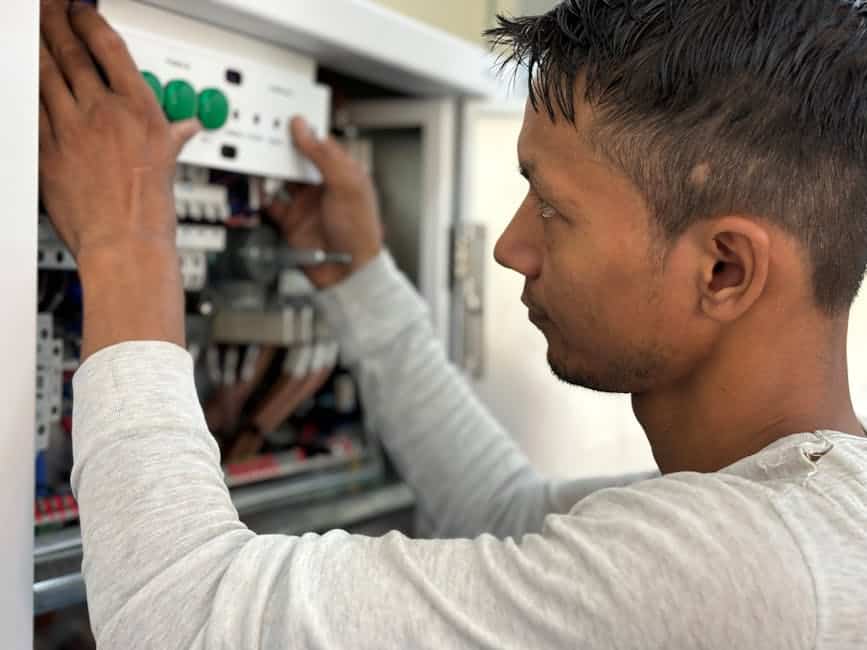





Change Breaker Panel: Top 7 Crucial Safety Tips 2024
If you’re considering a change breaker panel, here’s what you need to know for safety and efficiency:
- Ensure Compatibility: Identify the brand and type of the new breaker panel before purchasing.
- Safety First: Always turn off the main power and use insulated tools.
- Professional Help: Consider hiring a licensed electrician for complex installations.
Changing a breaker panel is a necessary task when upgrading your home’s electrical system, particularly if you’re experiencing frequent power outages or if your current panel cannot accommodate new electrical demands. A safe and effective installation is crucial to prevent future issues and ensure your home runs smoothly.
My name is Tyler Tranni, owner of Tranni Home Remodeling in Billerica, MA. With experience in home renovations, I specialize in guiding homeowners through projects like a change breaker panel, ensuring high-quality craftsmanship and safety. Now, let’s dive into the details.
Quick change breaker panel definitions:
– change electrical panel
– cost to change electrical panel
– installing a new 200 amp service panel
Signs You Need to Change Your Breaker Panel
Recognizing the signs that you need to change your breaker panel is crucial for maintaining a safe and efficient home. Here are some key indicators to watch out for:
Tripping Breakers
If your circuit breakers trip frequently, it might be time for a panel upgrade. This is often a sign that the panel is overloaded or that there’s a faulty breaker. Frequent tripping can disrupt your daily activities and may indicate a more serious electrical issue.
Buzzing Sounds
A buzzing sound coming from your breaker panel is a red flag. This noise often suggests a loose wire or an electrical arc, both of which can be dangerous. It’s a clear sign that the panel needs immediate attention.
Flickering Lights
Do the lights in your home flicker or dim unexpectedly? This can be caused by an inadequate power supply from an outdated panel. Flickering lights are not only annoying but can also signal that your panel is struggling to meet your home’s electrical demands.
Burning Odors
If you notice a burning smell near your breaker panel, act quickly. This odor can indicate overheating or a potential fire hazard. It’s essential to address this issue immediately to prevent further damage or danger.
Hot Outlets
Outlets that feel hot to the touch are another warning sign. This can occur when the panel is unable to handle the electrical load, causing wires to overheat. If you experience this, it’s time to consider a panel replacement.
Old Panels
Breaker panels have a lifespan, and if yours is over 25 years old, it might be due for an upgrade. Older panels are more prone to failures and may not comply with current safety standards.
Increased Amperage Needs
With the rise of modern appliances and gadgets, your home may require more power than your current panel can supply. If you’re planning major upgrades like electric vehicle chargers or new kitchen appliances, it may be necessary to install a panel with a higher amperage capacity.
By identifying these signs early, you can prevent potential hazards and ensure your home’s electrical system operates safely and efficiently. If you notice any of these issues, consider consulting a professional to assess whether it’s time to change your breaker panel.
Next, we’ll explore the tools and materials you’ll need for a successful breaker panel replacement.
Tools and Materials Needed
Before you begin the process to change your breaker panel, gather the right tools and materials. This ensures a smooth and safe replacement process. Here’s what you’ll need:
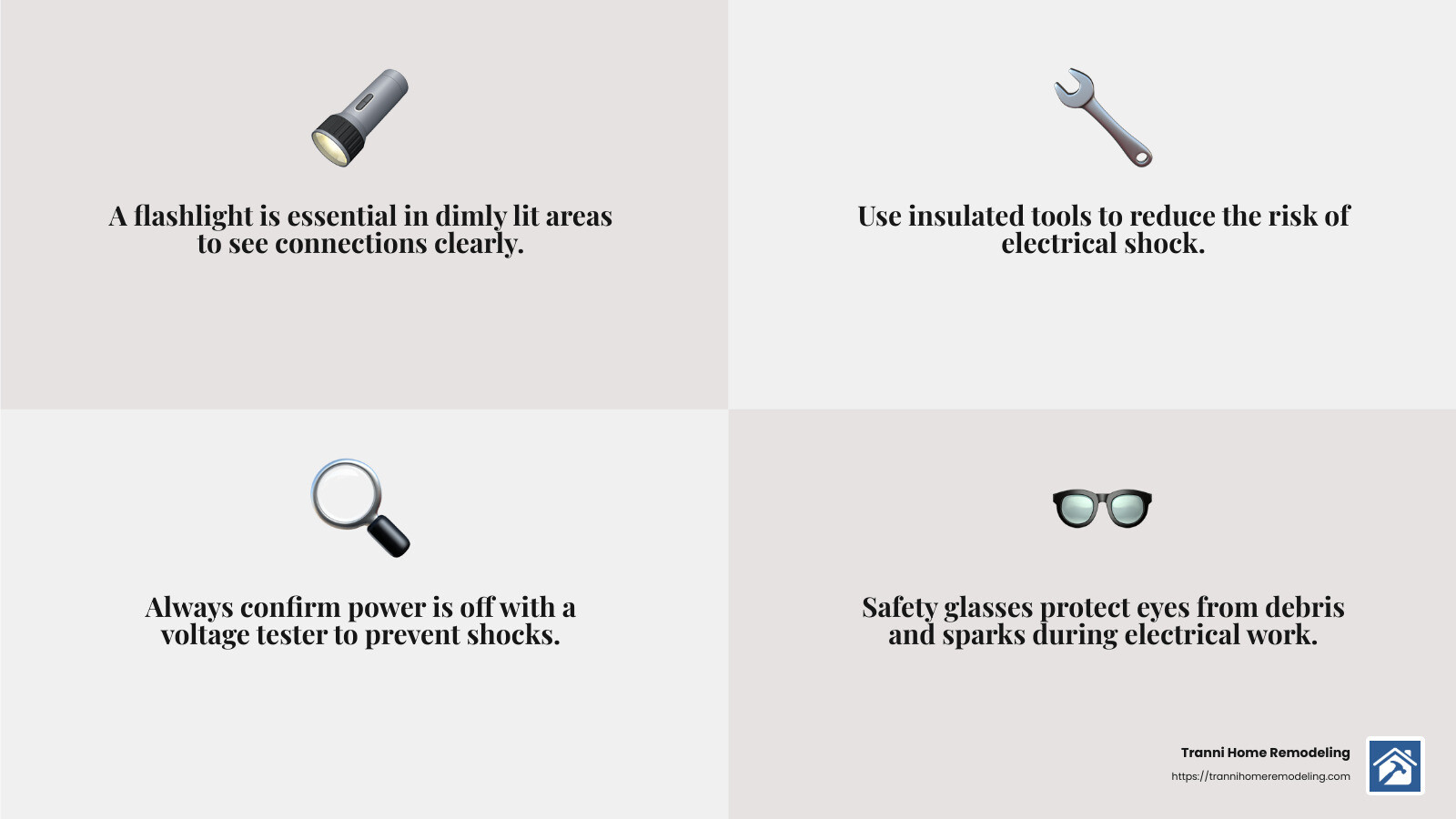
Flashlight
A flashlight is crucial, especially if you’re working in a dimly lit area. It helps you see clearly inside the panel box, ensuring you don’t miss any connections or wires.
Screwdrivers
You’ll need both flathead and Phillips screwdrivers. These are necessary for removing and securing the panel cover, as well as loosening and tightening screws on the breakers.
Safety Glasses
Safety glasses protect your eyes from flying debris and dust. Electrical work can sometimes produce sparks, so keep your eyes safe.
Voltage Tester
A voltage tester is a must-have for ensuring your safety. Before touching any wires, use the tester to confirm that the power is off. This helps prevent accidental shocks.
New Circuit Breaker
Make sure you have a compatible new circuit breaker that matches the specifications of your old one. This includes the right amperage and type for your panel.
Insulated Tools
Always use insulated tools when working with electrical systems. These tools have a protective coating that reduces the risk of electrical shock, keeping you safe during the replacement process.
Having these tools and materials ready will make the process of changing your breaker panel more efficient and safe. Preparation is key to ensuring everything goes smoothly.
In the next section, we’ll guide you through the step-by-step process of changing your breaker panel, starting with turning off the main power.
Step-by-Step Guide to Change Breaker Panel
Replacing a breaker panel might seem daunting, but with the right preparation and safety measures, you can do it safely. Let’s walk through the process step-by-step.
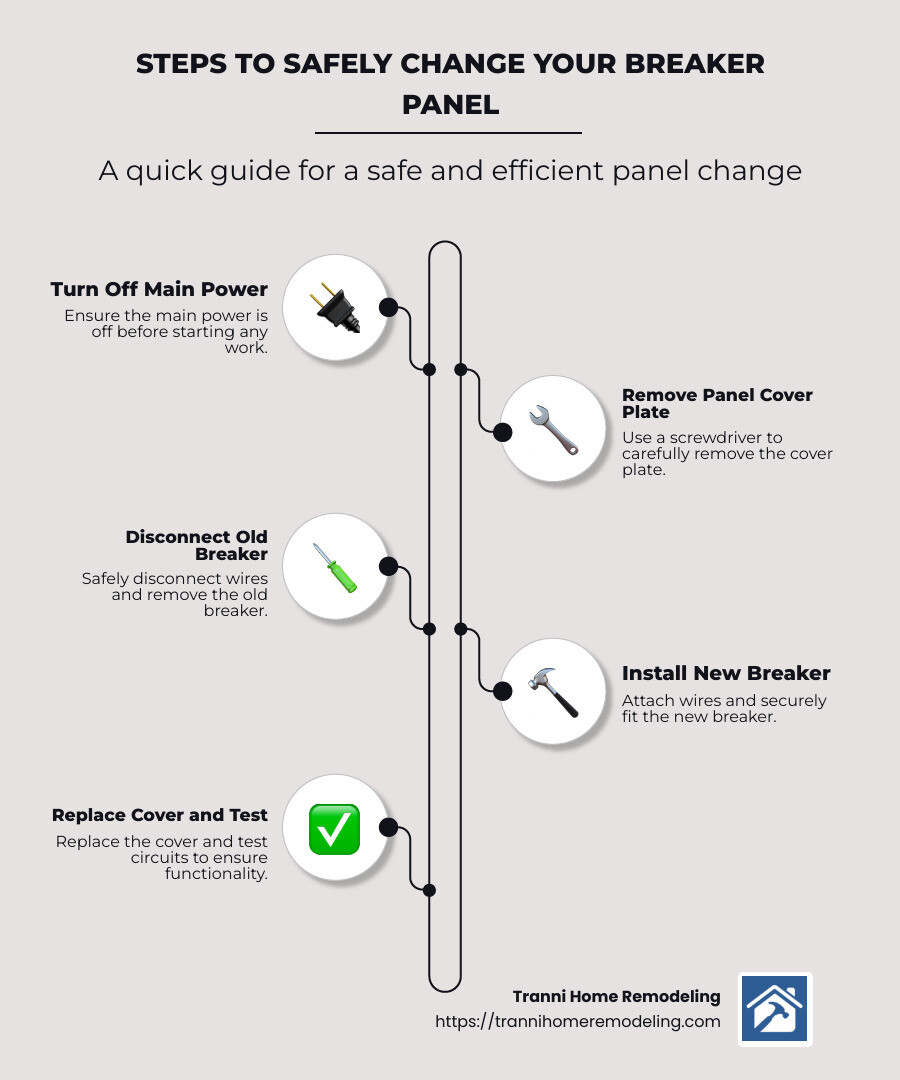
Turn Off the Main Power
Safety first! Locate the main breaker, usually at the top of your panel, and switch it to the “off” position. This cuts power to the entire panel and is crucial for your safety.
- Tip: Use a flashlight to ensure visibility, especially if your workspace becomes dark after turning off the power.
Remove the Breaker Panel Cover Plate
Next, you’ll need to remove the cover plate to access the breakers.
- Use a screwdriver to unscrew the cover plate. Start with the corner screws and leave the middle ones for last to prevent the plate from falling.
- Safety Tip: Stand to the side while removing the cover to avoid any potential sparks.
Remove the Old Circuit Breaker
Now, it’s time to take out the old breaker.
- Disconnect the wires: Carefully unscrew and disconnect the wires attached to the breaker. Use a voltage tester to double-check that there’s no power.
- Pivot the breaker: Gently pivot the breaker out of its slot. Avoid touching the metal bus bar, as it can still carry a live current.
Install the New Circuit Breaker
With the old breaker removed, you can now install the new one.
- Attach the wires: Securely connect the wires to the new breaker. Ensure they’re tight to avoid any loose connections.
- Align the breaker: Insert the new breaker into the panel, making sure it aligns correctly and snaps into place.
Replace the Panel and Turn the Power On
Once the new breaker is in place, it’s time to wrap up.
- Service panel cover: Reattach the cover plate using the screws. Make sure it’s secure.
- Turn on individual breakers: Before turning on the main power, switch on each individual breaker one by one to ensure everything is connected properly.
- Test circuits: Finally, turn the main breaker back on and test the circuits connected to the new breaker. Check for any signs of tripping or issues.
By following these steps carefully, you can successfully change your breaker panel. However, always prioritize safety and consult a professional if you’re unsure at any point.
In the next section, we’ll discuss important safety precautions to keep in mind during this process.
Safety Precautions
Working with electricity can be dangerous, so prioritize safety when you change a breaker panel. Here are some critical precautions to follow:
De-Energize the Panel
Always turn off the main power before starting any work on the breaker panel. This step ensures that the entire panel is de-energized, reducing the risk of electric shock. Electricity is invisible and can be lethal.
- Tip: Double-check with a voltage tester to confirm that the panel is indeed off. Test multiple points to be sure.
Use Insulated Tools
When working with electrical components, it’s crucial to use tools with insulated handles. These tools protect you from accidental electric shocks if you were to come into contact with a live wire.
- Recommendation: Invest in a reliable set of insulated screwdrivers and pliers. They are worth the peace of mind.
Avoid Live Parts
Even with the main power off, some parts of the panel might still carry a charge. Avoid touching any metal parts or wires that you haven’t tested for voltage.
- Safety Tip: Stand on a dry, non-conductive surface, like a rubber mat, to further insulate yourself from any potential charges.
Wear Safety Gear
Proper safety gear can protect you from unexpected hazards. Always wear:
- Insulated gloves: These provide an extra layer of protection against shock.
- Safety glasses: Protect your eyes from any sparks or debris.
- Long sleeves: Cover your arms to prevent contact with sharp edges or hot surfaces.
By following these safety precautions, you can minimize risks and work with confidence. Always remember that if you’re ever in doubt, it’s best to consult a professional electrician.
Next, we’ll explore situations when calling a professional is the right choice.
When to Call a Professional
Changing a breaker panel is not always a simple task. There are times when calling a professional is the best and safest option. Here’s when you should consider hiring a licensed electrician:
Licensed Electrician
A licensed electrician brings expertise and experience, ensuring the job is done safely and correctly. They are trained to handle electrical issues and understand the complexities of your home’s wiring.
- Fact: In many places, including areas in Middlesex County, Massachusetts, permits may require that only licensed electricians perform certain electrical tasks. This not only ensures safety but also compliance with local laws.
National Electrical Code
The National Electrical Code (NEC) sets the standards for electrical safety in homes. A professional electrician is familiar with these codes and will ensure your breaker panel replacement meets all regulations.
- Did You Know? The NEC is updated every three years to incorporate new safety standards and technologies. A licensed electrician stays current with these updates.
Complex Panels
If your home has a complex panel, it might involve multiple circuits, sub-panels, or outdated wiring. Handling such panels can be tricky and dangerous for someone without the necessary expertise.
- Case Study: A homeowner in Lexington, MA, attempted a DIY panel replacement in a home with outdated wiring. The result was a costly repair when the wiring didn’t match modern standards, leading to frequent tripping and potential fire hazards.
Safety Concerns
Safety should always be your top priority. If you’re unsure about any step in the process or if the panel shows signs of severe damage (like burning smells or buzzing sounds), it’s best to call a professional.
- Quote from Expert: “Electricity is not forgiving. If you’re unsure, it’s always safer to call a professional,” advises a seasoned electrician from Woburn, MA.
In summary, while some minor electrical tasks can be handled by homeowners, replacing a breaker panel often requires the skills and knowledge of a professional. This not only ensures the safety of your home but also provides peace of mind knowing the job is done right.
Next, we’ll address some frequently asked questions about breaker panel replacement.
Frequently Asked Questions about Breaker Panel Replacement
Can I replace my breaker box myself?
Replacing a breaker box is a complex task that comes with significant risks. DIY risks include electrical shock, fire hazards, and potential damage to your home’s electrical system. Professional recommendation is often to hire a licensed electrician, especially if you’re not experienced with electrical work. In many places, including Middlesex County, Massachusetts, permits may require that only licensed electricians perform such work. This ensures compliance with local electrical codes and improves safety.
Important: Attempting to replace a breaker box without proper knowledge can lead to serious safety hazards. Always prioritize safety and consider professional help.
What is the average cost to replace a breaker panel?
The cost range for replacing a breaker panel typically falls between $1,500 and $3,000. Several factors affect the cost, including the size of the panel, the complexity of the installation, and whether any additional wiring or upgrades are needed.
- Fact: According to recent data, upgrading an electrical panel can represent a significant investment, but it’s crucial for safety and efficiency, especially with increasing electrical demands in modern homes.
Permits and inspections may also add to the cost. Always check with your local authorities in areas like Bedford, MA or Woburn, MA to understand the specific requirements and fees involved.
Can you replace a breaker without an electrician?
While it is technically possible to replace a breaker without an electrician, it is not generally advisable. Safety is the primary concern. Even if the task seems simple, working with electricity can be dangerous.
Moreover, local regulations in places like Reading, MA, might require a licensed professional to ensure the work complies with the National Electrical Code. This not only ensures the job is done correctly but also keeps your home safe from electrical hazards.
Quote from a Local Electrician: “When it comes to electricity, it’s always better to be safe than sorry. A small mistake can have big consequences,” says a seasoned electrician from North Andover, MA.
In conclusion, while some electrical tasks might be manageable on your own, replacing a breaker panel is best left to professionals. This ensures safety, compliance with local laws, and peace of mind.
Next, we’ll wrap up with a summary and introduce Tranni Home Remodeling’s professional services.
Conclusion
In summary, replacing a breaker panel is a critical task that requires careful attention to safety and compliance with local regulations. While some might consider tackling this as a DIY project, the potential risks and complexities involved make it wise to consult with a professional.
At Tranni Home Remodeling, we understand the importance of safety and efficiency when it comes to electrical upgrades. Our team is dedicated to providing top-notch services, ensuring that your home’s electrical system is both safe and up to date. With over a decade of experience in home renovation and a commitment to high-quality craftsmanship, we are here to help you with your electrical panel needs.
If you’re considering a breaker panel replacement or any other home remodeling project, we invite you to contact us today for a consultation. Our experts are ready to assist you with personalized solutions that meet your needs and ensure your home’s safety and functionality.
When it comes to electrical work, prioritizing safety and professional expertise is always the best choice. Let us help you transform your home with confidence and peace of mind.