





General Contractor Home Remodel: 7 Essential Tips 2025
When considering a general contractor home remodel, understand the pivotal role these professionals play in changing living spaces. A general contractor orchestrates the entire renovation process, managing everything from initial design to the final coat of paint. Here’s a quick overview to help you steer the essentials:
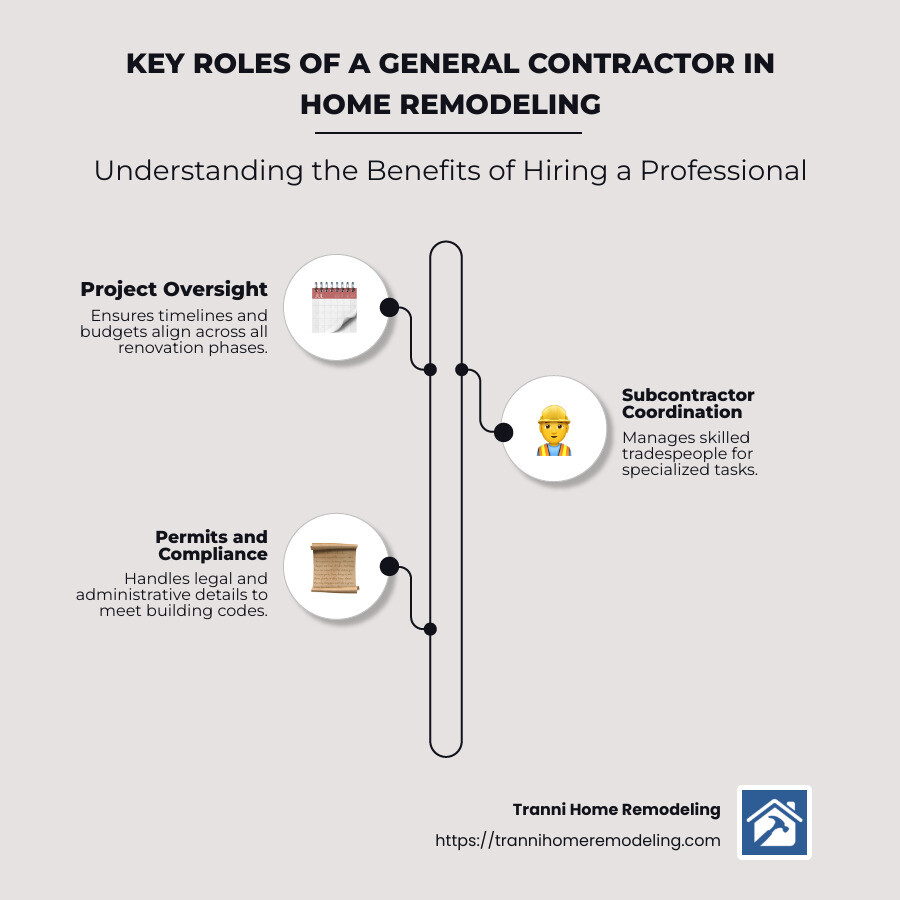
- Project Oversight: General contractors handle all project elements, ensuring that timelines and budgets align perfectly.
- Subcontractor Coordination: They manage skilled tradespeople, from electricians to plumbers, to execute specialized tasks efficiently.
- Permits and Compliance: Handling the legal and administrative details, they ensure that all permits are secured and the remodel complies with local building codes.
- Quality Assurance and Safety: Delivering high-quality craftsmanship while maintaining top-notch safety standards on-site.
Choosing a qualified general contractor in Billerica, MA, is crucial for a successful home remodel. Whether it’s enhancing a kitchen, designing a luxurious bathroom, or adding a room, the contractor’s expertise can ease time constraints and ensure professional results.
As Tyler Tranni, with experience in general contractor home remodel projects, I’ve dedicated my career to changing houses in Billerica, MA, and surrounding areas into dream homes. Let’s now explore what makes a general contractor indispensable for your remodeling project.
General contractor home remodel vocabulary:
– remodeling companies near me
– best home improvement contractors near me
– residential renovation contractors near me
What is a General Contractor?
Duties of a General Contractor
A general contractor is the backbone of any successful home remodeling project. They are the professionals who bring your renovation dreams to life by managing every aspect of the process. Let’s break down what makes them indispensable.
Definition and Roles
A general contractor is responsible for overseeing and coordinating all elements of a home remodel. They serve as the main point of contact for homeowners, ensuring that the project progresses smoothly and efficiently. Their role is multifaceted, involving planning, hiring subcontractors, and ensuring compliance with building codes.
Key Responsibilities
- Permits and Compliance: One of the first tasks a general contractor undertakes is obtaining the necessary permits. This ensures that the project complies with local regulations and avoids costly fines or delays. They are well-versed in navigating the permitting process, which can be a maze for the uninitiated.
- Materials and Labor: General contractors source all the materials needed for the project, from lumber to paint. They also coordinate labor, hiring subcontractors such as electricians, plumbers, and carpenters to perform specialized tasks. This coordination ensures that the right people are on the job at the right time.
- Subcontractor Management: Managing subcontractors is a crucial part of a general contractor’s job. They ensure that each subcontractor completes their work to a high standard and on schedule. This involves regular communication and site visits to monitor progress and quality.
- Safety and Insurance: Safety is paramount on any construction site. General contractors implement safety protocols to protect workers and homeowners. They also carry liability insurance to cover any potential accidents or damages, providing peace of mind to clients.
- Inspections: Throughout the project, general contractors arrange for necessary inspections to ensure that all work meets local building codes and standards. This step is vital for the project’s legality and safety.

Conclusion
A general contractor home remodel involves a range of duties that require expertise, organization, and communication skills. From securing permits to ensuring safety, their responsibilities are crucial for a successful renovation. In the next section, we’ll explore the types of home remodeling projects where a general contractor’s skills are particularly valuable.
Types of Home Remodeling Projects
When it comes to home remodeling, there are several key areas where a general contractor home remodel can make a significant impact. Let’s explore the main types of projects: kitchen remodeling, bathroom remodeling, room additions, and exterior renovations.
Kitchen Remodeling
The kitchen is often considered the heart of the home, making it a prime target for remodeling. A successful kitchen remodel involves several elements:
- Cabinets and Countertops: Updating cabinets and countertops can transform the look and functionality of your kitchen. Choose materials that are durable and fit your style, like granite or quartz for countertops and solid wood for cabinets.
- Appliances: Modern appliances not only improve the efficiency of your kitchen but also add to its aesthetic. Consider energy-efficient models to save on utility bills.
- Plumbing and Electrical: Upgrading plumbing and electrical systems ensures that your kitchen operates smoothly and safely. This might include moving water lines for a new sink or adding outlets for additional appliances.
Bathroom Remodeling
Bathrooms are another popular remodeling project, often yielding a high return on investment. Key components include:
- Fixtures and Tiles: Replacing outdated fixtures and tiles can give your bathroom a fresh look. Opt for water-efficient fixtures to conserve resources.
- Plumbing and Lighting: Proper plumbing and lighting are essential for a functional bathroom. Consider adding task lighting around mirrors and ensuring that plumbing is up-to-date to avoid leaks.
- Ventilation: Good ventilation is crucial to prevent mold and mildew. Installing an efficient exhaust fan can maintain air quality and prolong the life of your bathroom materials.
Room Additions
Adding a room to your home can provide much-needed space and increase its value. The process involves:
- Planning and Permits: Careful planning is essential for a room addition. A general contractor will handle the permitting process to ensure compliance with local regulations.
- Construction: This phase includes everything from laying the foundation to framing and roofing. A skilled contractor coordinates each step to keep the project on track.
- Finishing: Once the structure is complete, finishing touches like painting and flooring are added to integrate the new space with the rest of the home.
Exterior Renovations
Enhancing the exterior of your home boosts curb appeal and protects your investment. Consider these elements:
- Landscaping and Painting: A well-maintained landscape and a fresh coat of paint can dramatically improve your home’s appearance. Choose plants and colors that complement your home’s style.
- Roofing and Decks: Replacing an old roof or adding a deck can increase your home’s functionality and value. Ensure that materials are weather-resistant and durable.
- Patios: A patio offers additional outdoor living space for relaxation and entertainment. Select materials like stone or concrete for a long-lasting surface.
By tackling these projects, you can create a home that meets your needs and reflects your personal style. In the next section, we’ll dig into how to find and hire the right general contractor for your remodeling project.
How to Find and Hire a General Contractor
Finding the right general contractor for your home remodel can make all the difference. Here’s a simple guide to help you steer the process.
Research and Recommendations
Start by gathering information. Look for online reviews and testimonials to get a sense of a contractor’s reputation. Websites like the Better Business Bureau can be a good resource. Personal referrals from friends and family are invaluable. They provide honest insights based on experience.
Local directories can also be a useful tool. They often list contractors by area, making it easier to find professionals near you in Middlesex County, MA.
Conducting Interviews
Once you have a shortlist, it’s time to conduct interviews. Prepare questions that cover important aspects of the job:
- Experience: Ask about their experience with similar projects.
- Licenses and Insurance: Ensure they have the necessary credentials.
- Project Management: Inquire about how they handle timelines and unexpected issues.
Evaluate their responses carefully. A site visit is crucial. It allows you to see their work and discuss your project in detail. This will help you assess if they’re a good fit for your needs.
Collecting and Comparing Estimates
After interviews and site visits, request detailed estimates from each contractor. A comprehensive estimate should include:
- Scope of Work: Clearly defined tasks and responsibilities.
- Timelines: Expected start and completion dates.
- Costs: Breakdown of labor, materials, and any additional fees.
Compare the estimates carefully. Don’t just go for the lowest bid. Consider the quality of materials and the contractor’s reputation. This is where a free bid-leveling call can be extremely helpful to ensure you’re making the best choice.
Finalizing Contracts
Once you’ve chosen a contractor, it’s time to finalize the contract. Ensure it includes:
- Terms: Clearly outlined responsibilities and expectations.
- Payment Schedules: Agreed-upon milestones for payments.
- Warranties: Details on what’s covered and for how long.
- Insurance: Verify that they have adequate coverage for liability and workers’ compensation.
A well-prepared contract protects both you and the contractor. It sets the groundwork for a successful project.
By following these steps, you’ll be well on your way to finding a reliable general contractor for your home remodel. Next, we’ll explore the benefits of hiring a qualified professional for your project.
Benefits of Hiring a Qualified General Contractor
When starting on a general contractor home remodel, the benefits of hiring a qualified professional are immense. Let’s break down why expertise, project management, quality assurance, compliance, safety, and liability are crucial for a successful home renovation.
Expertise and Project Management
A seasoned general contractor brings invaluable expertise to the table. They know the ins and outs of home remodeling, from kitchen upgrades to room additions. This experience allows them to foresee potential issues and address them before they escalate.
Project management is another significant advantage. A general contractor will coordinate every aspect of your remodel, ensuring that all subcontractors—like electricians, plumbers, and carpenters—are scheduled efficiently. This coordination minimizes delays and keeps the project on track.
Imagine trying to juggle all these tasks yourself. It would be a logistical nightmare! A skilled contractor handles it all, saving you time and stress.
Quality Assurance and Compliance
Quality assurance is critical in any remodel. A qualified contractor ensures that the work meets high standards. They have a keen eye for workmanship, making sure everything from tile alignment to paint finishes is flawless.
Compliance with building codes is non-negotiable. Each state, including Massachusetts, has specific regulations. A general contractor knows these codes inside out and ensures that all work complies. This includes obtaining the necessary permits and scheduling inspections to keep everything above board.
Safety and Liability
Safety is paramount during any home renovation. A reputable contractor prioritizes worker safety and has protocols in place to protect everyone on site. This includes providing the necessary safety gear and training for subcontractors.
Liability is another concern. Accidents can happen, and you don’t want to be held responsible. A qualified contractor carries insurance that covers worker injuries and property damage. This coverage provides peace of mind, knowing that you’re protected from unforeseen expenses.
Additionally, a contractor takes steps to ensure property protection. They use dust barriers, floor coverings, and other methods to safeguard your home during construction.
By hiring a qualified general contractor, you’re investing in a smoother, safer, and more successful home remodel. Next, we’ll dig into the cost considerations for your project.
Cost Considerations for Home Remodeling
When planning a general contractor home remodel, understanding the costs involved is crucial. Let’s explore how budgeting, regional pricing, and managing unexpected expenses can impact your home renovation project.
Budgeting and Cost Breakdown
Creating a detailed budget is the first step in any remodeling project. Start by breaking down costs into key categories: materials, labor, permits, and design fees.
- Materials: These can account for a significant portion of your budget. For example, cabinets often take up about 25% of the kitchen remodel budget. Consider opting for stock materials to save costs.
- Labor: Skilled labor is essential, and its cost varies based on expertise and demand. Hiring experienced professionals ensures quality but may come at a premium.
- Permits: Necessary for compliance with local building codes. Factor these into your budget early to avoid surprises.
- Design Fees: If you’re working with a designer, include their fees in your budget. Design input can be invaluable, especially for complex projects.
Regional Pricing Variations
Costs can vary significantly depending on your location. In Middlesex County, MA, local market rates and demand can influence pricing. According to the 2021 Cost vs. Value Report, a midrange kitchen remodel in this area could cost around $25,000, while a major remodel might exceed $75,000.
- Local Market Rates: High demand for contractors can drive up prices. It’s wise to get multiple estimates to understand the going rate in your area.
- Demand: Busy seasons or a surge in construction projects can impact availability and cost. Planning your remodel during a less busy period might save you money.
Managing Unexpected Expenses
Even with meticulous planning, unexpected expenses can arise. It’s essential to have a contingency plan in place.
- Contingency Plans: Allocate an additional 10-20% of your budget for unforeseen issues like finding mold or needing extra materials.
- Change Orders: Changes during the project can lead to additional costs. Clearly define the process for handling change orders in your contract to avoid disputes.
- Communication: Maintain open lines of communication with your contractor. Regular updates can help catch potential issues early, allowing for timely adjustments to the plan.
By understanding these cost considerations and planning accordingly, you set the stage for a successful and financially manageable home remodeling project. Next, we’ll explore some frequently asked questions about working with a general contractor.
Frequently Asked Questions about General Contractor Home Remodel
What is a remodeling contractor?
A remodeling contractor is a professional who specializes in updating and improving existing structures. Unlike general contractors who may focus on new construction, remodeling contractors are experts in renovating spaces that are already in use. They handle everything from minor updates to major overhauls, ensuring projects are completed efficiently and to code.
Roles and Responsibilities:
- Project Management: Overseeing the entire remodeling process, from planning to completion.
- Coordination: Working with subcontractors like plumbers and electricians to ensure smooth execution.
- Compliance: Ensuring all work complies with local building codes and regulations.
How much should you spend on home renovations?
Determining how much to spend on renovations depends on your goals and budget. Here’s a simple guide:
- Budgeting: Create a detailed budget that includes materials, labor, and permits. Cabinets alone can consume up to 25% of your kitchen remodel budget.
- ROI Considerations: Focus on projects that offer a high return on investment. For instance, updating a kitchen or bathroom typically provides the best ROI.
- Cost Guidelines: According to the 2021 Cost vs. Value Report, a midrange kitchen remodel in Middlesex County, MA, might cost around $25,000.
What do you call a person who remodels houses?
The person responsible for remodeling houses is often called a remodeling contractor. They may also be referred to as a renovator or home improvement contractor. These professionals have the skills and qualifications to transform spaces, ensuring the work is both functional and aesthetically pleasing.
Qualifications and Skills:
- Licensing: Must be licensed to perform certain types of work, especially those involving plumbing or electrical systems.
- Experience: A track record of successful projects and satisfied clients.
- Communication: Ability to clearly discuss plans and progress with homeowners.
By understanding these aspects, you can make informed decisions about your home remodeling projects. Next, we’ll dig into the benefits of hiring a qualified general contractor.
Conclusion
In conclusion, starting on a general contractor home remodel is a significant undertaking that requires careful planning and execution. By understanding the roles and responsibilities of general contractors, homeowners can ensure their renovation projects run smoothly and efficiently.
At Tranni Home Remodeling, we pride ourselves on delivering high-quality craftsmanship and outstanding service across Middlesex County, MA. Our expertise spans kitchen and bath design, carpentry, room additions, and more. With over a decade of experience, we are committed to bringing your vision to life with precision and care.
Final Tips for a Successful Remodel:
- Prioritize Communication: Keep open lines of communication with your contractor to address any questions or concerns promptly.
- Plan for Contingencies: Always have a buffer in your budget for unexpected expenses or changes.
- Focus on Quality: Invest in durable materials and skilled craftsmanship to ensure your renovation stands the test of time.
Whether you’re updating your kitchen, adding a new room, or enhancing your home’s exterior, choosing the right general contractor is crucial. With Tranni Home Remodeling, you can trust that your project will be handled with the utmost professionalism and dedication. We look forward to helping you create a space that reflects your unique style and needs.
