




Home Addition Contractors: 7 Proven Tips
Why Finding the Right Home Addition Contractor Is Critical to Your Project’s Success
Choosing a professional, well-vetted home addition contractor can be the difference between a stress-free expansion and a renovation nightmare. These licensed specialists design, permit, build, and finish new living space that blends flawlessly with your existing home—so you gain square footage without sacrificing style.
What qualified home addition contractors handle:
- Design & architectural planning that match your home’s character
- Permit applications, code compliance, and inspections
- Foundations, framing, roofing, and structural ties
- Coordination of plumbing, electrical, and HVAC trades
- Daily site management and final punch-list completion
Average cost (internet data): $100–$500+ per sq. ft.
Typical timeline: 5–8 months start to finish
Popular additions: kitchens, master suites, second stories, garages
Because the investment is large, the vetting process—checking licenses, insurance, references, and past work—is just as important as the construction itself. Smart homeowners in Middlesex County save time, money, and headaches by partnering only with reputable, fully insured professionals.
What Is a Home Addition? Common Project Types at a Glance
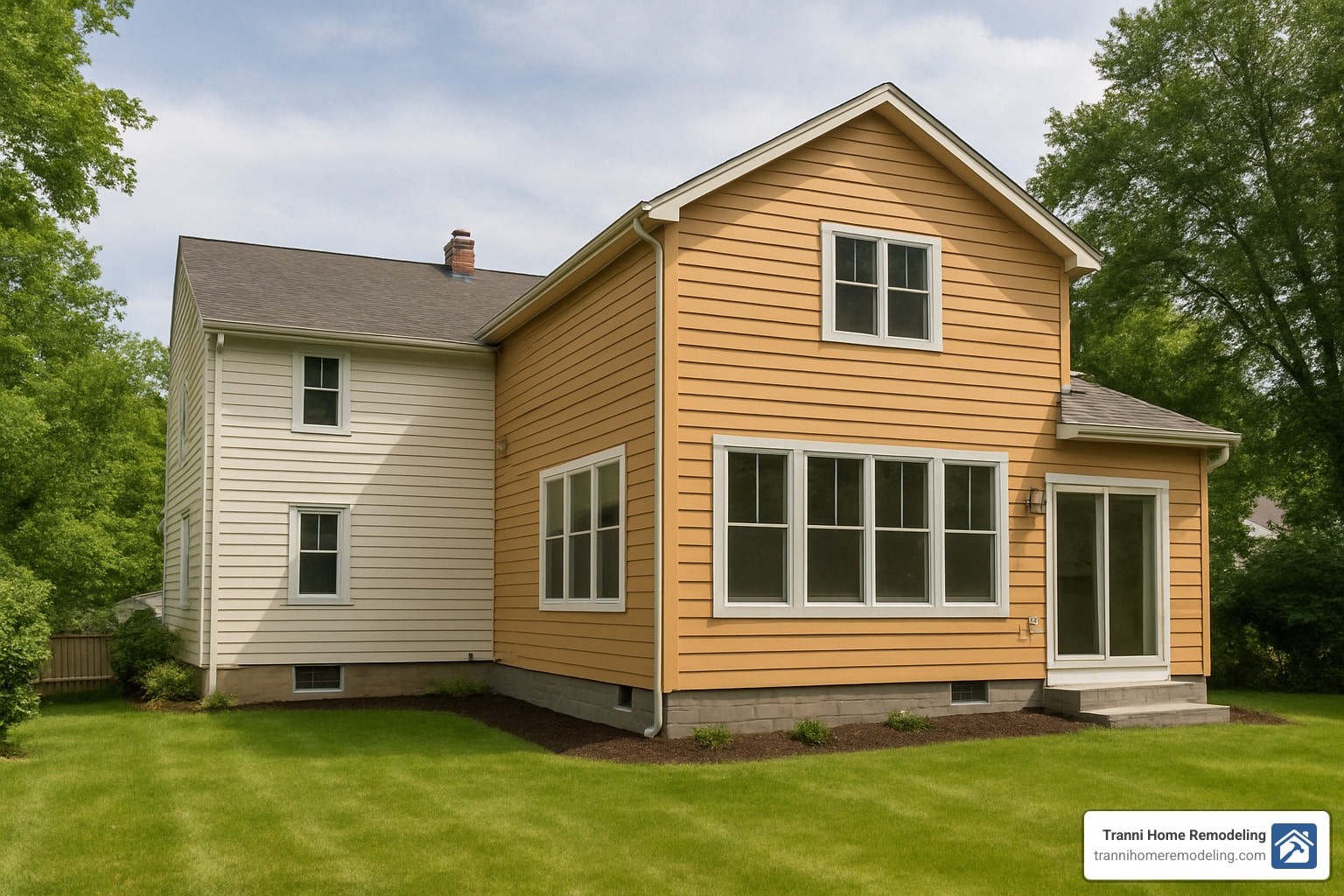
A home addition adds brand-new, conditioned square footage to your house. Think of it as building a room that never existed—then tying it seamlessly into the original structure so it looks like it was always there. Skilled home addition contractors use thoughtful architectural design to preserve curb appeal and property value.
More info about home additions

Kitchen Additions & Bump-Outs
Small 2- to 8-ft. bump-outs can create space for an island, pantry, or breakfast nook—open uping open-concept living without moving walls inside the home.
Kitchen Addition Contractors
Bedroom & Master Suite Additions
Need another bedroom, home office, or an in-law suite? Contractors can expand over the garage or build a first-floor primary suite complete with walk-in closets and a spa bath.
Add Bedroom Over Garage
Garage Additions
An attached or detached garage offers protected parking plus coveted storage or workshop space.
Adding an Attached Garage to a House | 2 Story Attached Garage Addition
Second-Story & Vertical Additions
When the lot is tight, go up. Adding a full second story doubles living area but demands expert structural engineering and careful foundation evaluation.
7 Proven Methods for Finding and Vetting Top Home Addition Contractors
Finding qualified home addition contractors requires thorough due diligence and a systematic vetting process. The contractors you choose will be working in your home for months, so finding the right fit goes beyond just technical skills – you need professionals you can trust and communicate with effectively.

1. Leverage Online Directories and Reviews
Start your search for home addition contractors on reputable websites that pre-screen professionals:
- Better Business Bureau (BBB) – check complaint history and dispute resolution.
- Houzz – browse verified project photos and homeowner reviews.
- Angi – see grades on punctuality, cost control, and quality.
- Google Business Profiles – note how contractors respond to both praise and criticism.
Look for years of consistent positive feedback, detailed before-and-after images, and professional replies to any negative comments. Online research should create a short-list—not make the decision for you.
2. Ask for Personal Referrals
Friends, family, and neighbors who have completed additions provide candid insight you won’t find online. When someone recommends a contractor, ask:
- Did the project finish close to the promised schedule and budget?
- How was day-to-day communication and cleanliness?
- Were there surprises, and how were they solved?
- Would you hire the same company again?
Whenever possible, walk through the finished space to inspect craftsmanship—trim lines, siding matches, and the flow between old and new rooms.
3. Verify Licenses, Insurance, and Credentials
Never sign a contract until you have physically seen—and called to confirm—the following:
- Massachusetts Construction Supervisor License (or appropriate state credential).
- General liability insurance to cover property damage.
- Worker’s compensation for all employees and subcontractors.
- Bonding, which offers financial protection if the job isn’t completed.
Professional home addition contractors supply these documents without hesitation. If paperwork is “in the truck” or “being renewed,” move on.
4. Scrutinize Contractor Portfolios
A quality portfolio shows:
- Clear before-and-after images of additions that blend with the original home
- Consistent craftsmanship across multiple styles
- Complex work—second stories, tricky rooflines, structural steel—that proves expertise
- Recent projects (within the last two years)
Focus on the details: aligned siding, smooth drywall transitions, and trim that matches existing profiles. View our own General Contractor Home Remodel gallery for reference.
5. Conduct In-Depth Interviews
Treat your meeting like a job interview:
- How many additions have you completed in the past 12 months?
- Who are your main subcontractors and how long have you worked together?
- What is the projected timeline and major milestones?
- How do you communicate progress—daily texts, weekly emails, site meetings?
- Describe your change-order process and warranty coverage.
Pay attention to clarity, transparency, and whether the contractor listens to your priorities. Evasive answers signal future headaches.
6. Check and Call References
Ask each finalist for three recent addition clients. When you call, dig deeper:
- Was the final cost close to the written bid?
- How were schedule delays or weather issues handled?
- Did the crew respect your property and perform daily cleanup?
- Were punch-list items resolved quickly?
- Would you hire them again?
Homeowners who enthusiastically say “yes” are your best indicator of a reliable contractor.
7. Get Multiple, Detailed Bids
Collect at least three written proposals that itemize:
- Scope of work by phase
- Material allowances (grade of siding, windows, fixtures)
- Labor and subcontractor costs
- Permit fees and inspections
- Milestone-based payment schedule
- Estimated start and finish dates
Avoid one-number quotes and bids far lower than others—they often lead to cut corners or costly change orders later.
Navigating the Project: Process, Timelines, and Costs
The Big-Picture Workflow
- Design & Plans – concepts, engineering, and municipal approvals (4–8 weeks).
- Permitting – contractor handles submissions and inspections.
- Site Prep & Foundation – excavation, footings, and curing (2–4 weeks).
- Framing & Exterior Shell – walls, roof, windows, and siding (3–6 weeks).
- Rough Systems – plumbing, electrical, HVAC.
- Insulation, Drywall, and Trim – including Fine Interior Carpentry.
- Finishes & Final Walkthrough – flooring, paint, punch list, warranty hand-off.
Budget Basics
Internet sources show a wide cost range—$100–$400 per sq. ft. for basic, $200–$600 for mid-range, and $350–$1,000+ for high-end additions. Kitchens often top $1,550–$4,500 per sq. ft. because of cabinets, appliances, and utilities. These are average figures from public data, not quotes from Tranni Home Remodeling.
Typical Timeline
Most Middlesex County additions run 5–8 months. Weather, permit backlogs, special-order materials, and homeowner change orders can extend schedules.
Financing Options
Home equity lines, cash-out refinances, construction loans, or savings are common. Compare rates, fees, and draw schedules before committing. See how to fund home improvement projects here.
Common Myths About Home Additions (and the Truth)
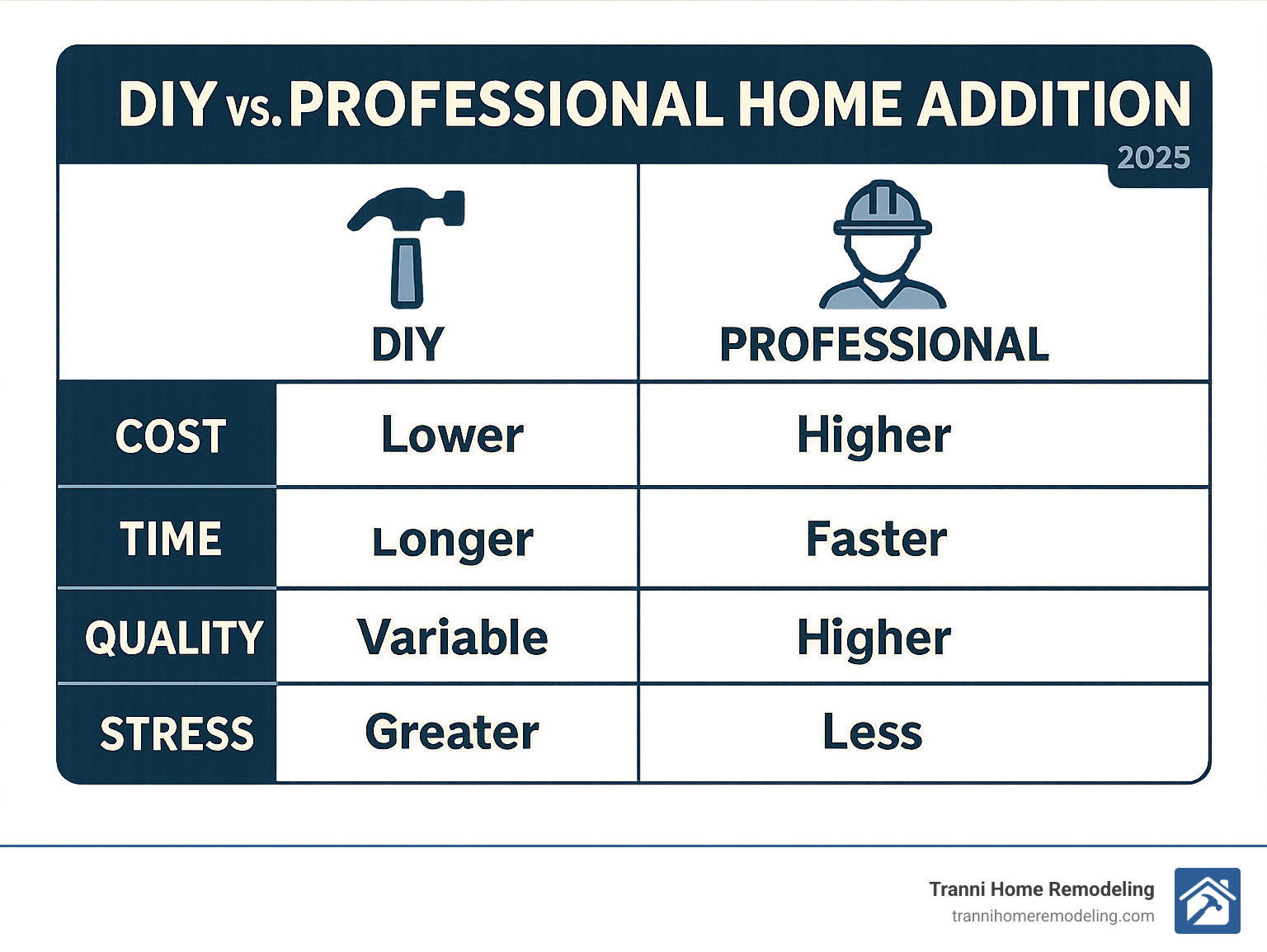
Myth 1: The Lowest Bid Is Best
Ultra-low prices usually mean inferior materials, missing permits, or surprise change orders. Value—not rock-bottom cost—protects your investment.
Myth 2: A Handshake Agreement Works
Without a detailed contract you have no legal protection. Insist on written scope, schedule, and payment terms.
Myth 3: Any Contractor Can Add On
Additions require structural knowledge, zoning expertise, and seamless integration. Hire specialists—see our Home Additions Contractor page.
Myth 4: We Can Start Immediately
Quality contractors are booked weeks ahead, and design plus permits take time. Plan early to secure your preferred builder.
Frequently Asked Questions about Home Addition Contractors
When you’re considering a home addition project, it’s natural to have questions about the process and what to expect. Here are the most common questions we hear from homeowners in the Massachusetts area, along with straightforward answers to help you move forward with confidence.
What’s the difference between a home addition and a remodel?
The key difference comes down to square footage. An addition creates new, conditioned living space that didn’t exist before – think of adding a second story, expanding your kitchen outward, or building a new master suite. You’re literally making your home bigger.
A home remodeling project, on the other hand, works within your existing footprint. This might involve reconfiguring your kitchen layout, finishing your basement, or converting an attic into a bedroom. You’re improving what’s already there rather than adding new space.
Both types of projects can dramatically transform your home, but additions require different permits, structural considerations, and typically cost more per square foot since you’re building from the ground up.
Will my home addition contractor work with my architect?
Absolutely! A professional home addition contractor should work seamlessly with your architect and design team. This collaboration is essential for translating your vision into reality.
The architect creates the design and ensures it meets your needs and local building codes. The contractor to add onto house brings that design to life, offering practical insights about construction methods, material choices, and potential challenges.
During the planning phase, your contractor can identify potential issues early and suggest solutions that save time and money. They’ll also coordinate with engineers if structural modifications are needed. This teamwork approach ensures your project runs smoothly from start to finish.
Do home addition contractors handle the required building permits?
Most full-service home addition contractors handle the entire permitting process as part of their service. This is actually a huge advantage since navigating municipal requirements can be complex and time-consuming.
Your contractor will submit architectural plans to the local building department, whether you’re in Woburn, MA, Winchester, MA, or surrounding communities. They’ll also schedule required inspections throughout the project and ensure all work complies with local building codes.
However, it’s crucial to confirm this is included in your contract. Some contractors may expect you to handle permits yourself, which can lead to delays and complications. Always clarify who’s responsible for permits, inspection scheduling, and any permit-related fees before signing your contract.
The right contractor will make the permitting process invisible to you, handling all the paperwork and coordination so you can focus on the exciting parts of your project.
Conclusion: Build Your Dream Space with Confidence
Your home addition journey doesn’t have to feel overwhelming when you have the right roadmap. The seven proven methods we’ve shared give you a clear path to finding home addition contractors who will bring your vision to life while respecting your budget and timeline.
The most successful addition projects happen when homeowners take time to verify licenses, insurance, and credentials before signing any contracts. Getting multiple detailed bids helps you understand fair pricing and avoid contractors who cut corners. And those reference calls? They’re worth their weight in gold – past clients will tell you exactly what to expect.
Here’s what really matters: choose contractors who specialize in additions rather than general handymen. Home additions require specific expertise in structural work, foundation requirements, and seamless integration with existing homes. Don’t rush the process either – allow adequate time for planning and permitting because quality work takes time to do right.
At Tranni Home Remodeling, we’ve been helping families throughout Middlesex County create beautiful, functional spaces for over a decade. Our team understands that your addition isn’t just about square footage – it’s about creating a space where your family will make memories for years to come.
We’re proud to serve homeowners in Woburn, Winchester, Lexington, Burlington, Reading, Stoneham, and surrounding communities with the high-quality craftsmanship and outstanding service that has become our signature. Every project we complete reflects our commitment to excellence and our understanding that your home is your most important investment.
A home addition represents hope for the future – more space for growing families, comfortable areas for aging in place, or simply room to breathe and enjoy life. When you follow these guidelines and partner with the right contractor, you’re not just adding square footage. You’re creating lasting value and improving your quality of life.

Ready to start your addition journey? We’d love to help you transform your vision into reality. For a seamless and professional experience on your next project, explore our home additions services. Let’s build something beautiful together.