





Home wiring inspection: 7 Essential Reasons to Avoid Risk in 2025
Why Home Wiring Inspections Are Critical for Your Safety
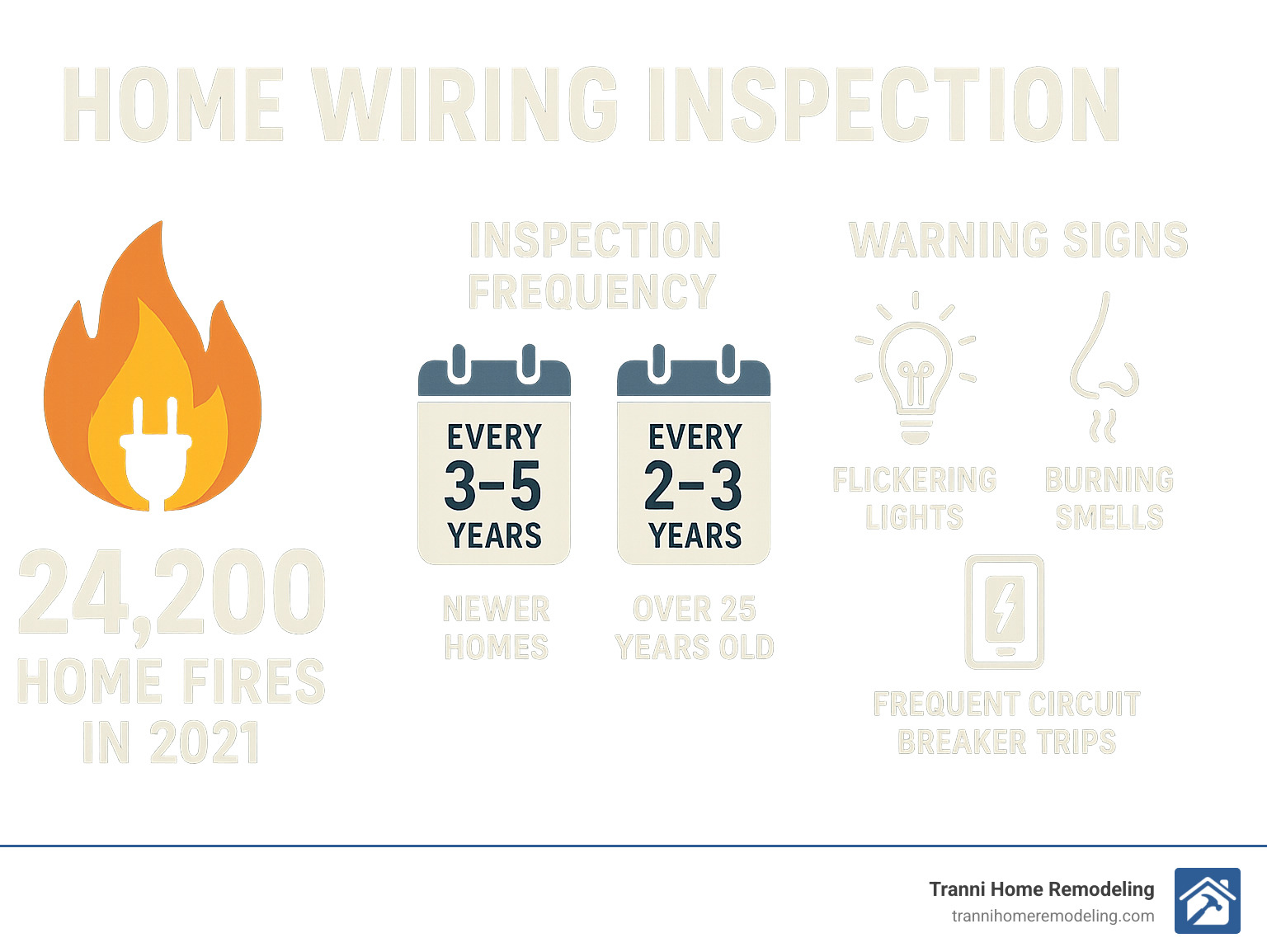
Home wiring inspection is a comprehensive safety evaluation of your electrical system to identify hazards, ensure code compliance, and prevent fires or electrocution. According to the U.S. Fire Administration, electrical malfunctions caused 24,200 home fires in 2021 alone.
Quick Answer for Home Wiring Inspection:
– What it is: Professional assessment of wiring, panels, outlets, and safety devices
– When needed: Every 3-5 years, or 2-3 years for homes over 25 years old
– Cost range: $100-$1,500+ based on internet averages (not Tranni Home Remodeling pricing)
– Who performs it: Licensed electricians or certified home inspectors
– Key components: Circuit breakers, GFCI/AFCI protection, grounding systems, smoke detectors
A home wiring inspection covers everything from your main electrical panel to individual outlets and switches. The inspector checks for proper grounding, tests GFCI and AFCI devices, examines wire conditions, and verifies code compliance with the National Electrical Code (NEC).
Homes older than 25 years need more frequent attention – ideally every 2-3 years – because outdated wiring systems like aluminum branch circuits or knob-and-tube installations pose higher fire risks.
I’m Tyler Tranni, owner of Tranni Home Remodeling, and I’ve seen how proper home wiring inspection can prevent costly repairs and dangerous situations during renovation projects. My experience with electrical upgrades in older homes has shown me that early detection through regular inspections saves homeowners both money and worry.
Quick look at Home wiring inspection:
– Home wiring replacement
– Electrical Panel Upgrades
– upgrading electrical in old home
What Is a Home Wiring Inspection?
A home wiring inspection is like getting a thorough physical checkup for your house’s electrical system. Just as you wouldn’t skip your annual doctor’s visit, your home’s wiring deserves the same attention from a licensed electrician who knows what to look for.
The inspection goes far beyond what you might see during a basic home inspection when buying a house. A dedicated home wiring inspection dives deep into your electrical system’s health, checking that everything meets current National Electrical Code (NEC) standards. This isn’t just about following rules – it’s about keeping your family safe from electrical fires and shock hazards.
During my years working on home wiring replacement projects throughout Middlesex County, I’ve seen how a thorough inspection can reveal hidden dangers that homeowners never suspected. The U.S. Fire Administration study on electrical fires shows just how critical these inspections are for preventing tragedy.
Home wiring inspection basics
When a professional electrician performs a home wiring inspection, they’re essentially giving your entire electrical system a complete examination. The scope of this inspection covers every wire, outlet, and safety device in your home.
Circuits get special attention because they’re the highways that carry electricity throughout your house. The inspector checks that each circuit isn’t overloaded and that proper circuit loading is maintained for safety.
Grounding systems act like your electrical system’s safety net. When something goes wrong, proper grounding gives dangerous electricity a safe path to follow instead of traveling through you. The inspector tests every outlet to make sure this protection is working correctly.
GFCI and AFCI protection are your home’s electrical bodyguards. GFCIs (Ground Fault Circuit Interrupters) shut off power in wet areas like bathrooms and kitchens before you can get shocked. AFCIs (Arc Fault Circuit Interrupters) detect dangerous electrical arcs that can start fires and cut power before sparks fly.
Home wiring inspection vs. building inspection
Many homeowners wonder how a dedicated home wiring inspection differs from the electrical portion of a general building inspection. The differences are significant:
| Aspect | Home Inspection | Building/Commercial Inspection |
|---|---|---|
| Panel Size | 100-200 amp service typical | 400+ amp service common |
| Load Demand | Household appliances, lighting | Heavy machinery, industrial equipment |
| Inspection Frequency | Every 3-5 years recommended | Annual or more frequent |
| Code Focus | Residential NEC standards | Commercial/industrial requirements |
Home inspections focus on family safety and making sure your electrical system can handle typical household demands. Commercial inspections deal with much higher electrical loads and stricter safety requirements because more people use the building.
When & How Often to Schedule a Home Wiring Inspection
Knowing when to schedule your home wiring inspection can mean the difference between catching a small issue and dealing with a house fire.
New home purchases should always trigger an electrical inspection, even if you had a general home inspection done. If your home is older than 25 years, you need inspections every 2-3 years instead of the standard 3-5 year schedule. Wiring ages just like everything else in your home, and older systems simply can’t handle today’s electrical demands.
Post-renovation inspections are absolutely critical after any major remodeling project. At Tranni Home Remodeling, we always coordinate these inspections as part of our renovation process because we know how important code compliance is for your safety.
Your insurance company might actually require an inspection for older homes or after filing claims. High energy bills that seem to come out of nowhere often point to electrical problems.
For homeowners in communities like Bedford, Burlington, or Chelmsford, spring and fall are ideal times for inspections. The upgrading electrical in old home process typically starts with a thorough inspection.
Signs you need an immediate home wiring inspection
Flickering or dimming lights when appliances kick on usually mean your circuits are overloaded or connections are loose. Burning smells near outlets, switches, or your electrical panel require immediate action.
Extension cord overuse might seem harmless, but it’s actually a major fire risk. According to the Electrical Safety Foundation International, roughly 3,000 U.S. fires annually result from extension cord misuse.
Frequently tripping breakers indicate overloaded circuits or short circuits. Warm outlets or switch plates should never happen – electrical components should feel cool to the touch.
Buzzing or crackling sounds from electrical components suggest loose connections or arcing. Your electrical system should operate silently.
For homeowners in Dracut, Tewksbury, or Wilmington experiencing these warning signs, shut off power to affected areas and call a licensed electrician immediately.
Home Wiring Inspection Checklist: Room-by-Room Guide
A thorough home wiring inspection follows a systematic approach that covers every area of your home. Professional inspectors use detailed checklists to ensure nothing gets overlooked.
Service Panel Inspection: The main electrical panel receives priority attention because it controls power distribution throughout your home. Inspectors check for proper labeling, adequate clearance space, and verify that breaker ratings match wire gauges.
Circuit Mapping: A complete circuit map shows which outlets and fixtures connect to each breaker. Outlet and Switch Testing: Every outlet gets tested for proper wiring, grounding, and voltage levels.
GFCI and AFCI Testing: These safety devices must be tested to ensure they trip within specified timeframes. Smoke and Carbon Monoxide Detectors: Hardwired detectors with battery backup provide the best protection.
During our electrical panel upgrades in Concord and Lincoln, we often find homes with inadequate electrical capacity for modern needs.
Rough-in vs. final home wiring inspection
Rough-in Inspection: This occurs before walls are closed with insulation and drywall. Inspectors verify that wiring runs are properly installed and cables are anchored correctly.
Final Inspection: After all fixtures, outlets, and switches are installed, inspectors perform comprehensive testing. They verify that all circuits work correctly and safety devices function properly.
Tools professionals use during a home wiring inspection
Professional electrical inspectors rely on specialized equipment:
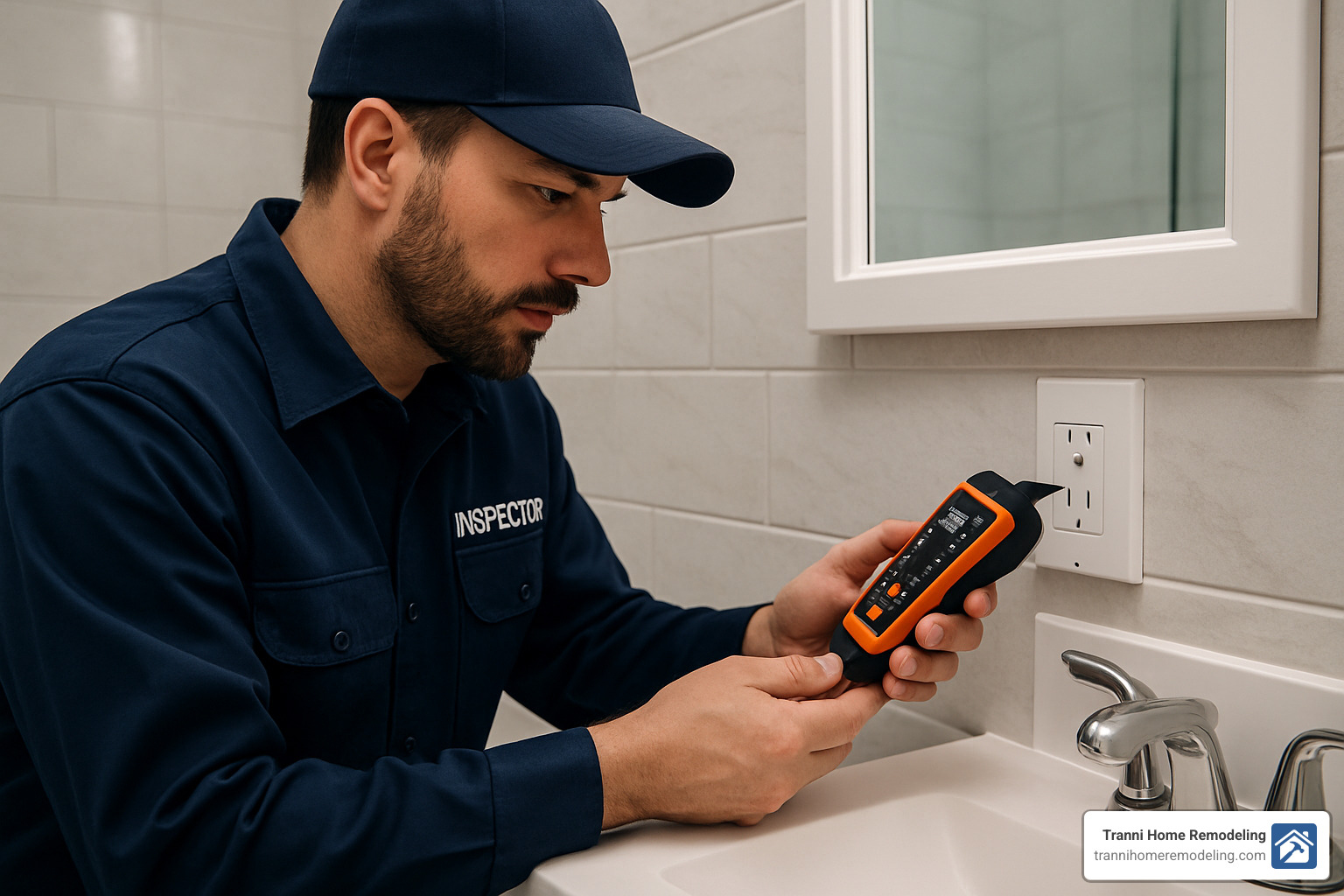
Multimeters: These devices measure voltage, amperage, and resistance. Non-Contact Voltage Testers: These tools detect electrical current without direct contact with wires. Infrared Cameras: Advanced inspections may include thermal imaging to detect hot spots.
The investment in professional equipment explains why professional inspections can’t be matched by basic visual checks. When we perform residential electrical wiring projects, we always coordinate with licensed inspectors.
Post-inspection upgrade recommendations
Panel Upgrades: Homes with 60-amp or 100-amp service often need upgrades to 200-amp panels. Additional Outlets: Homes built before 1960 often lack sufficient outlets. GFCI and AFCI Protection: Older homes may need these safety devices retrofitted.
Our residential electrical panel upgrade services in Lynnfield, North Reading, and Reading often begin with comprehensive inspections.
Common Issues Found & Consequences of Neglect
During home wiring inspections, I see the same problems repeatedly, especially in older homes throughout Middlesex County. These issues might seem minor but can quickly escalate into serious safety hazards.
Overloaded circuits top my list of common findings. Your home’s original wiring was designed when families owned basic appliances. Today, that same circuit tries to power multiple computers, gaming systems, phone chargers, and kitchen gadgets.
Ungrounded outlets present another frequent challenge, particularly in homes built before 1960. These two-prong outlets can’t safely power modern three-prong appliances and don’t provide shock protection.
Double tap violations happen when someone connects two wires to a circuit breaker designed for just one wire. Over time, these connections loosen, creating heat and potential fire hazards.
Aluminum branch wiring affects roughly 1.5 million homes built between 1965 and 1973. Aluminum expands and contracts differently than copper, causing connections to work loose over time.
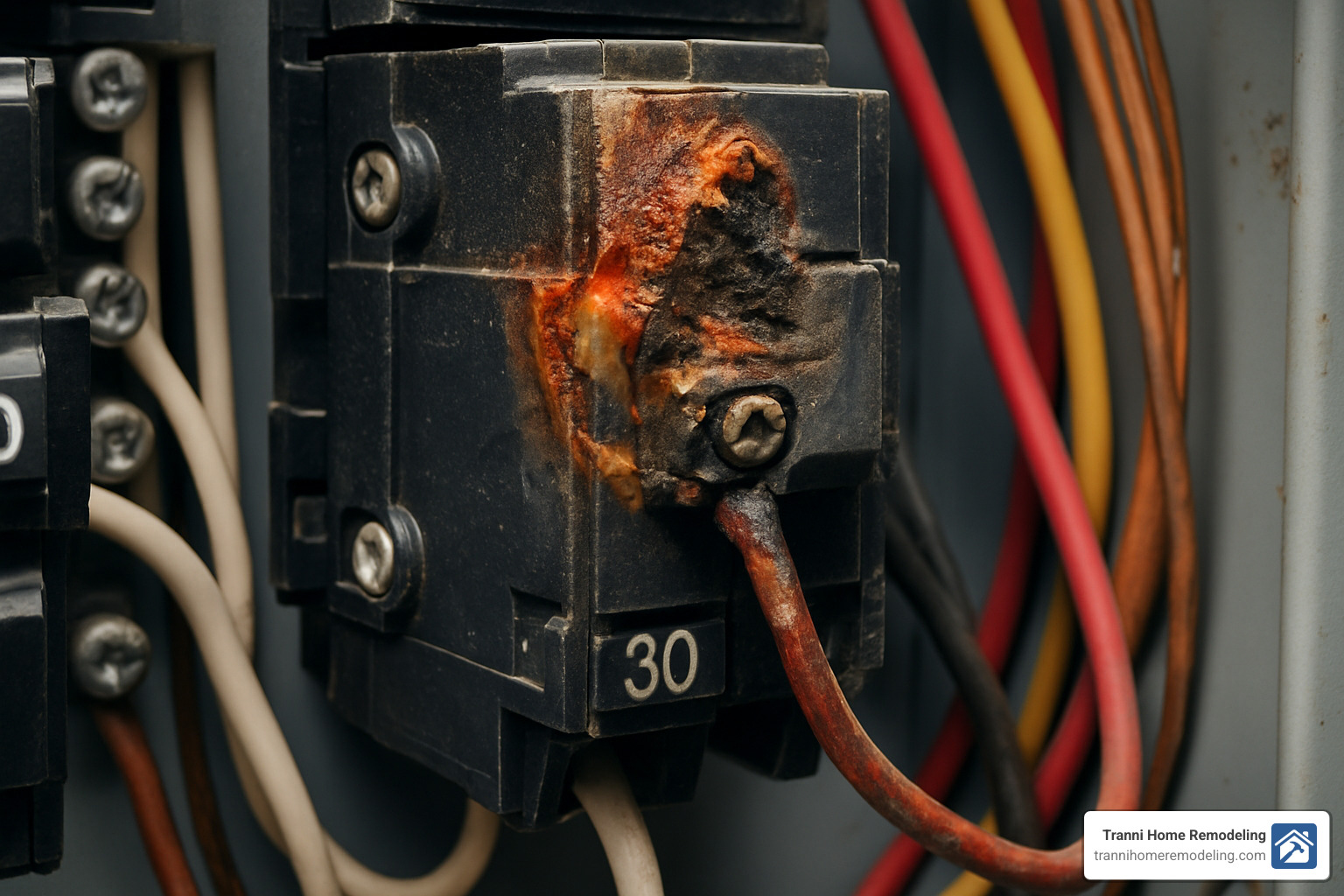
The consequences of ignoring these issues extend far beyond inconvenience. Fire risk represents the most serious threat – the National Fire Protection Association reports that electrical problems cause about one-third of all home fires.
Insurance complications add financial pressure to safety concerns. Many insurance companies now void coverage for homes with known electrical hazards. Property value impact hits homeowners when it’s time to sell.
For homeowners in Stoneham, Woburn, or Winchester dealing with any of these issues, I strongly recommend immediate professional evaluation. Our electrical services include comprehensive assessments that help prioritize safety improvements.
Professional vs. DIY: Qualifications, Permits & Cost Ranges
When facing a home wiring inspection, the temptation to save money with a DIY approach might seem appealing. But electrical work isn’t like painting a room – the stakes are much higher.
Licensed master electricians bring years of training and hands-on experience to every inspection. They’ve completed apprenticeships, passed rigorous state exams, and continue education to stay current with National Electrical Code changes.
Permit requirements add complexity to electrical inspections. Most municipalities in Massachusetts require permits for electrical work, and only licensed professionals can obtain these permits.
The cost of professional inspection varies significantly based on your home’s size and complexity. Internet average pricing (not Tranni Home Remodeling pricing) typically ranges from $100 to $1,500+ depending on scope:
Basic electrical inspection runs $100-$300, while comprehensive electrical-only inspections average $350-$500, but can reach $1,500 or more for large, complex homes. Advanced services like infrared thermal imaging add $200-$750 to the total cost.
Insurance benefits often offset inspection costs over time. Many insurance companies offer premium discounts for homes with recent professional electrical inspections.
Why a professional home wiring inspection beats DIY
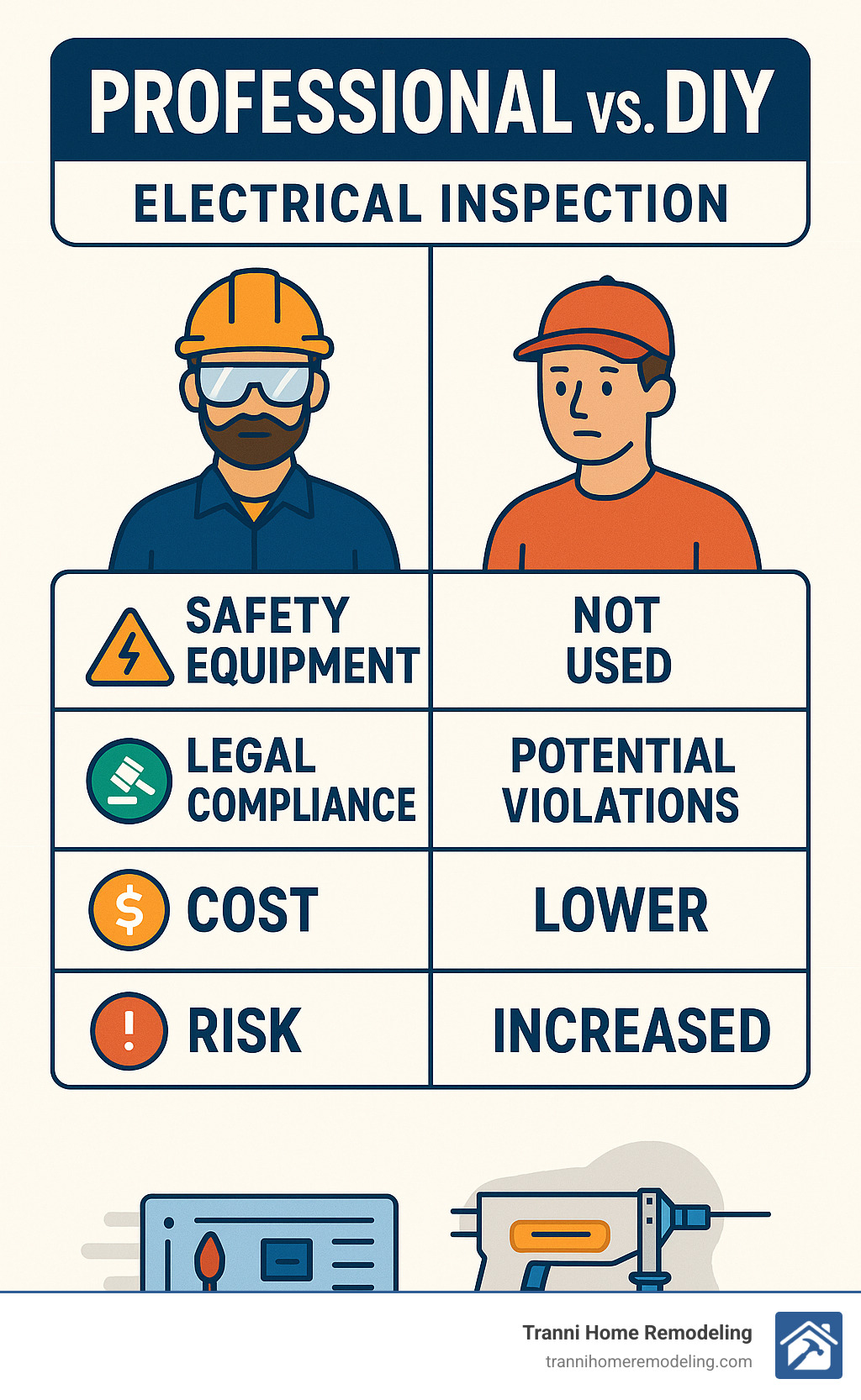
Safety equipment and training represent the most obvious advantage of professional inspection. Licensed electricians wear arc-flash suits, use insulated tools, and follow strict safety protocols.
Legal compliance creates another significant hurdle. Professional inspections meet municipal requirements and provide documentation that insurance companies accept. Comprehensive testing capabilities separate professional inspections from visual checks.
For homeowners in Dracut, Westford, or Wilmington, the peace of mind from professional home wiring inspection far outweighs any cost savings from DIY approaches.
Frequently Asked Questions About Home Wiring Inspections
How often should a home wiring inspection be performed?
The timing for your home wiring inspection really depends on when your house was built and how it’s been maintained over the years. If you’re living in a newer home – say, less than 25 years old – you can generally get away with inspections every 3-5 years as part of your regular home maintenance routine.
But here’s where it gets interesting: older homes need much more attention. If your house has been around for more than 25 years, you should really be thinking about inspections every 2-3 years. Why? Well, electrical components don’t age like fine wine – they degrade over time, and what was perfectly safe in 1985 might not meet today’s safety standards.
There are some situations that might push you toward more frequent inspections too. Maybe you’ve turned your spare bedroom into a home office with multiple computers and monitors running all day. Or perhaps you’re one of those folks who’s set up a serious workshop in the garage with power tools that would make your neighbors jealous. High electrical usage like this puts extra stress on your system.
Insurance companies sometimes have their own ideas about inspection frequency, especially for older homes. And if you’ve had electrical problems before – maybe some insurance claims or repeated circuit breaker trips – it’s smart to keep a closer eye on things.
The bottom line? Don’t wait for your regular schedule if you’re buying or selling a home, dealing with storm damage, or noticing those warning signs we talked about earlier like flickering lights or that distinctive electrical burning smell that makes your stomach drop.
What happens if my home fails the inspection?
First, take a deep breath – a failed home wiring inspection isn’t the end of the world. In my years working on home renovations throughout Middlesex County, I’ve seen plenty of homes with electrical issues that got sorted out just fine.
When an inspection reveals problems, you’ll typically get them broken down into categories. Immediate safety hazards are the ones that need your attention right now – things like exposed wires, components that are overheating, or missing GFCI protection in your bathroom. The inspector will likely recommend shutting off power to dangerous areas until you can get them fixed.
Then there are code violations – these might not pose immediate danger, but they’re still important to address. Common ones include missing arc-fault protection (especially in older homes), inadequate grounding systems, or electrical panels that have seen better days. These issues should be on your to-do list, but they don’t require the same urgency as immediate safety hazards.
Here’s what I really appreciate about good electrical inspectors – they provide prioritized repair lists. This means you can tackle the most critical safety issues first and then work through the other improvements over time as your budget allows. It’s much more manageable than feeling like you need to fix everything at once.
You’ll probably need a re-inspection after completing the recommended repairs. This follow-up ensures all the work meets current code requirements and gives you documentation that’s valuable for insurance purposes and when you eventually sell your home.
Speaking of insurance, some companies do require electrical upgrades within specific timeframes. It’s worth checking with your agent about their requirements so you can plan accordingly.
Can I stay in the house during the inspection process?
Absolutely! You can stay home during your home wiring inspection, and I actually recommend it. The process is designed to work around your daily routine with minimal disruption.
You might experience some brief power interruptions while the inspector tests different circuits. These usually last just a few minutes per circuit – think of it like a very short, planned power outage. The inspector might also need to shut off your main electrical panel briefly for internal inspection, but they’ll give you plenty of warning.
Before the inspector arrives, make sure they can easily access your electrical panel, outlets, switches, and areas where wiring runs – places like your basement, attic, or crawl spaces. A little preparation goes a long way toward making the inspection go smoothly and quickly.
While the work is happening, it’s important to keep a safe distance from the electrical panel area, especially if you have curious kids or pets. Electrical inspection involves working with live components that can be dangerous. Professional inspectors know how to work safely, but it’s best to give them space to do their job.
Most residential inspections take somewhere between 2-4 hours depending on your home’s size and how complex your electrical system is. It’s worth being present because you’ll learn a lot about your home’s electrical system, and you can ask questions about maintenance and safety practices.
The inspector will likely take photographs of various electrical components and might ask about any electrical work you’ve had done or problems you’ve noticed. Your input helps them understand the full picture of your home’s electrical history and current condition.
Being there during the inspection is actually a great opportunity to become more familiar with your home’s electrical system – knowledge that could prove valuable down the road.
Conclusion
Taking care of your home’s electrical system isn’t just about keeping the lights on – it’s about keeping your family safe. Home wiring inspection serves as your first line of defense against the 24,000+ electrical fires that happen in American homes every year.
Here in Middlesex County, we’re surrounded by beautiful historic homes with character and charm. But that same character often comes with electrical systems that have seen better decades. Whether you’re in a colonial in Concord or a ranch in Chelmsford, your home’s wiring deserves attention.
Professional electrical inspections not only prevent potentially catastrophic fires but also save money through insurance discounts and early problem detection. Finding a loose connection during a routine inspection costs far less than dealing with fire damage.
As someone who’s spent over a decade working on electrical upgrades throughout our area, I’ve seen how a thorough inspection can transform a homeowner’s peace of mind. When we tackle home remodeling services projects, electrical inspection always comes first.
Don’t wait for flickering lights or that subtle burning smell to motivate action. Home wiring inspection works best as preventive medicine, not emergency surgery.
Contact Tranni Home Remodeling today to discuss how professional electrical inspection fits into your home maintenance plan. Because when it comes to your family’s safety, there’s no such thing as being too careful.
