




Residential Electrical Panel Upgrade: Top Benefits 2025
Residential electrical panel upgrade is a crucial step toward ensuring the safety and efficiency of your modern home. As homes built before 1980 may have outdated electrical systems unable to handle today’s energy demands, upgrading your electrical panel safeguards against potential hazards like overloaded circuits or electrical fires. It improves energy efficiency and provides adequate power for modern appliances and gadgets.
Key Points:
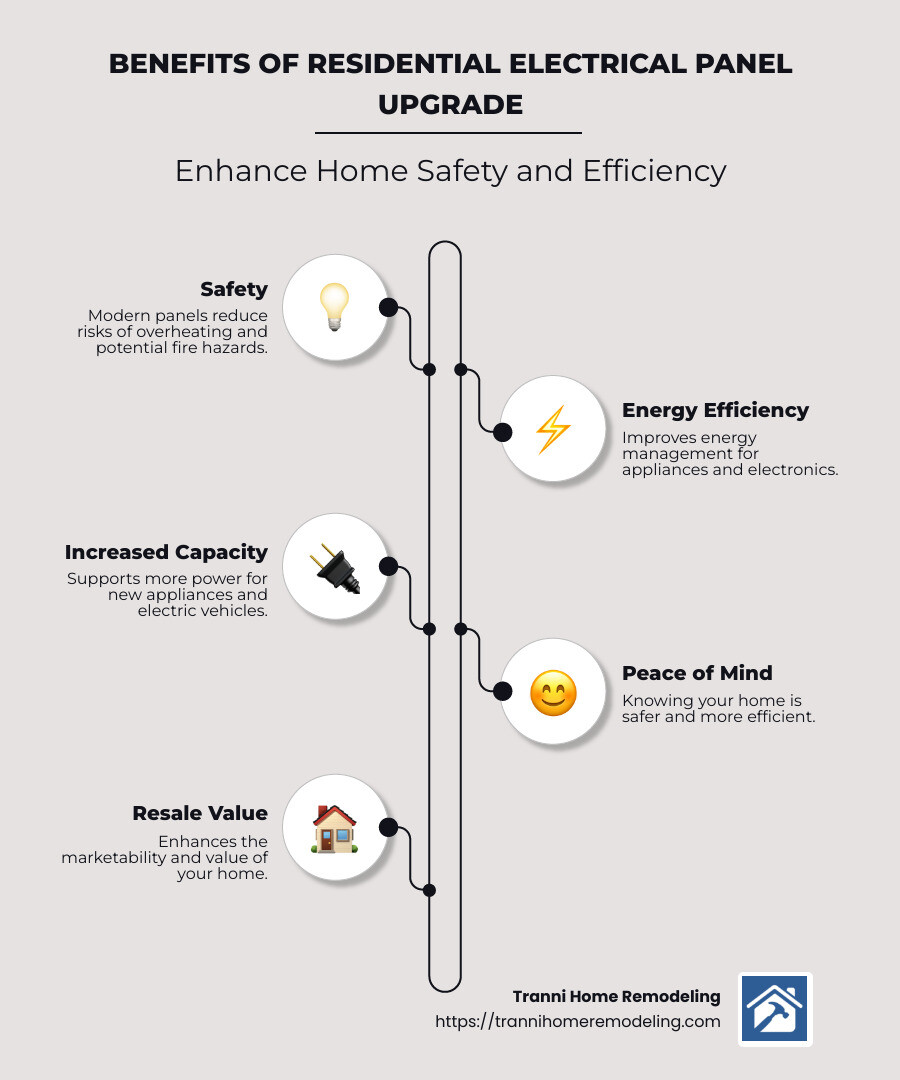
- Safety: Modern panels reduce the risk of overheating and potential fire hazards.
- Efficiency: Better energy management for your home’s appliances and electronics.
- Increased Capacity: More power for new appliances and electrical vehicles.
- Peace of Mind: Knowing your home is safer and more energy-efficient.
As the owner of Tranni Home Remodeling, I’m Tyler Tranni. With my experience in home remodeling and electrical systems, I understand the intricacies of residential electrical panel upgrade. My team and I are committed to ensuring high-quality craftsmanship in every project, making your home both safe and stylish.
Key residential electrical panel upgrade vocabulary:
– residential electrical maintenance
– residential electrical wiring
Understanding Residential Electrical Panel Upgrade
When to Consider an Upgrade
Knowing when to upgrade your electrical panel can save you from unexpected issues. Here are some signs it’s time for an upgrade:
- Age of the Panel: If your panel is over 20 to 30 years old, it might be time for a replacement. Older panels can struggle to meet modern power needs and may pose safety risks.
- Frequent Circuit Trips: Do your breakers trip often? This could indicate that your panel can’t handle your home’s electrical load. Frequent trips are a sign of overloads or faults, which can lead to bigger problems.
- Insufficient Power Supply: As homes incorporate more gadgets and appliances, the demand for power increases. If you’re adding a new appliance or planning a renovation, ensure your panel can support the extra load.
Benefits of Upgrading
Upgrading your electrical panel offers several advantages that go beyond just meeting power needs:
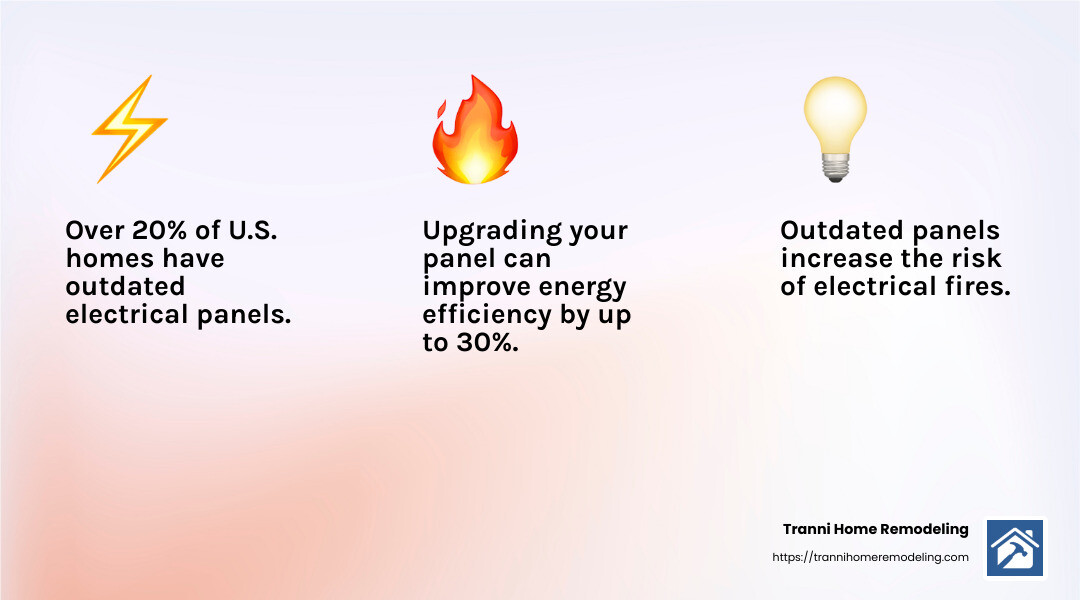
- Improved Safety: Modern panels are designed to handle today’s electrical demands safely. They reduce the risk of overheating, which can prevent electrical fires.
- Improved Energy Efficiency: Newer panels distribute electricity more efficiently, potentially lowering your energy bills. This efficiency is not only good for your wallet but also for the environment.
- Increased Resale Value: A home with an updated electrical system is more attractive to buyers. It signals that the house is safe and ready to handle modern appliances, which can increase its market value.
In conclusion, a residential electrical panel upgrade is a smart investment for safety, efficiency, and future-proofing your home. Stay tuned as we dive deeper into the costs and considerations involved in upgrading your panel.
Costs and Considerations
If you’re considering a residential electrical panel upgrade, understanding the costs and factors involved is crucial. Let’s break it down.
Cost Breakdown
Upgrading your electrical panel can vary in cost depending on factors like amperage and additional work needed. Here’s a simple breakdown:
- 100-Amp Panel: For homes with minimal electrical needs, upgrading to a 100-amp panel costs between $1,300 and $3,000 for panel plus installation.
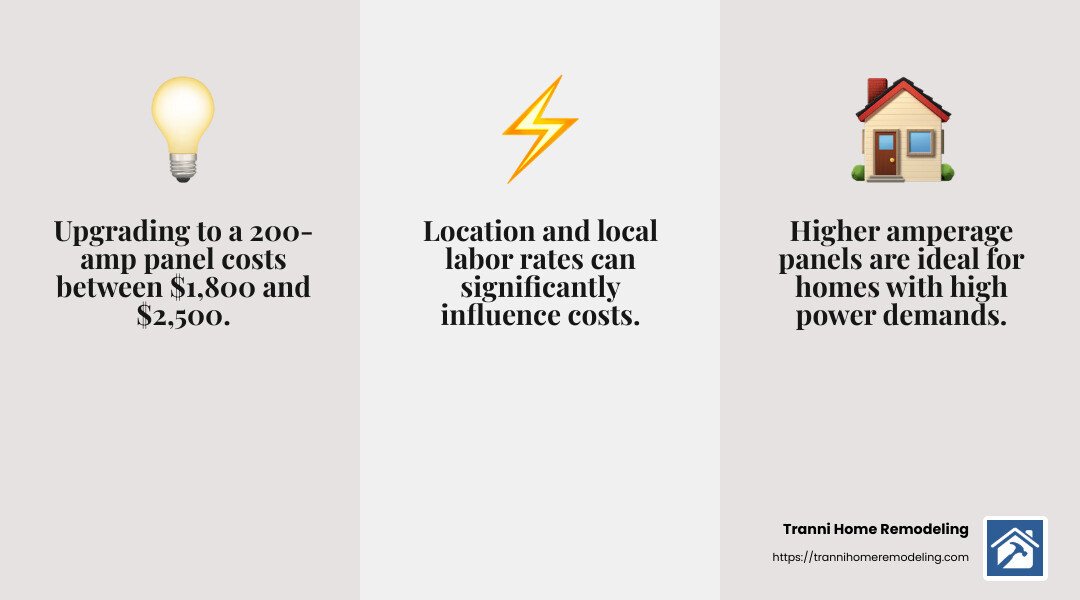
- 200-Amp Panel: This is the most common upgrade for modern homes, with costs ranging from $1,800 to $2,500 for a new installation.
- Higher Amperage Panels (300 to 400 Amps): These are typically for larger homes or those with high power demands. The cost for a 300-amp panel plus installation is $1,800 to $3,500, while a 400-amp panel can range from $2,000 to $4,000.
Factors Affecting Cost
Several factors can influence the overall cost of your electrical panel upgrade:
- Location: The cost of living and local economic conditions in areas like Middlesex County, MA, can impact contractor costs. Higher living costs often mean higher labor rates and material prices.
- Labor Rates: Licensed electricians typically charge between $50 and $120 per hour. This rate can vary based on the electrician’s experience and the complexity of the job.
- Additional Work: If your upgrade involves moving the panel or extensive rewiring, expect to pay more. Moving a panel can cost between $800 and $3,000 depending on the distance and complexity.
- Permits and Compliance: Don’t forget the cost of permits, which can range from $50 to $300. Your electrician will help you steer this process to ensure compliance with local codes.
In summary, while upgrading your electrical panel requires an investment, it’s crucial for ensuring your home is safe and efficient. In the next section, we’ll explore the process of upgrading, from hiring a professional to preparing for installation.
The Process of Upgrading Your Electrical Panel
Upgrading your electrical panel is a critical task that requires careful planning and professional expertise. Let’s explore how to steer through this process effectively.
Hiring a Professional
When it comes to a residential electrical panel upgrade, hiring a licensed electrician is non-negotiable. Here’s why:
- Safety First: Working with electricity can be dangerous. A licensed professional ensures that the upgrade is done safely, minimizing risks of electrical fires or injuries.
- Compliance and Expertise: Licensed electricians are well-versed in local codes and regulations. They ensure your upgrade is compliant with all safety standards, avoiding potential legal issues.
- Experience Matters: Professionals bring years of experience to the table. They can assess your current system and recommend the best options for your home’s power needs.
Before hiring, ask for references and check reviews. Ensure the electrician is licensed and insured to protect yourself from any liabilities.
Preparing for the Upgrade
Preparation is key to a smooth upgrade process. Here’s how to get ready:
- Consultation: Begin with a consultation. A professional will inspect your current panel, discuss your power needs, and suggest the best upgrade. This is the time to mention any future plans that might increase your power usage, like adding a home office or electric vehicle charger.
- Permits: Most areas, including Middlesex County, MA, require permits for electrical work. Your electrician will handle this, ensuring all paperwork is in order. Permit costs can range from $50 to $300, so factor this into your budget.
- Planning for Power Disruptions: An upgrade means your power will be off for a while. Plan the upgrade at a convenient time, perhaps when you’re not working from home or during cooler months when heating or cooling isn’t critical.
- Inform Family Members: Let everyone know about the scheduled downtime to prevent surprises. Arrange for alternative power sources if necessary, like battery packs or generators, for essential devices.
By hiring the right professional and preparing adequately, your residential electrical panel upgrade can be a seamless experience. Next, let’s address some common questions homeowners have about upgrading their electrical panels.
Frequently Asked Questions about Residential Electrical Panel Upgrade
How much does it cost to upgrade a residential electrical panel?
The cost of a residential electrical panel upgrade can vary widely based on several factors. On average, upgrading to a 200-amp service can range from $1,300 to $3,000. However, the total cost might be influenced by:
- Panel Size: A 100-amp panel upgrade can cost between $800 and $1,500 for panel plus installation, while a new installation may run from $1,200 to $1,600.
- Additional Services: If your panel needs relocating or your meter box needs replacing, expect additional charges.
- Permits and Labor: Permit costs in areas like Middlesex County, MA, typically range from $50 to $300. Licensed electricians charge about $50 to $120 per hour.
To get the best deal, consider obtaining multiple quotes from local professionals.
Is upgrading your electrical panel worth it?
Yes, upgrading your electrical panel is often worth the investment. Here’s why:
- Safety: An updated panel reduces the risk of electrical fires and short circuits. Older panels may not handle modern electrical loads safely.
- Energy Efficiency: Newer panels can improve your home’s energy efficiency, potentially lowering your electricity bills over time.
- Resale Value: Homes with updated electrical systems are more attractive to buyers, increasing your property’s market value.
- Future-Proofing: With a higher amperage panel, your home is ready for future electrical demands, such as electric vehicle chargers or additional appliances.
Can I change my 100 amp panel to 200 amp?
Yes, you can upgrade from a 100-amp panel to a 200-amp panel. This is a common upgrade for homeowners who want to ensure their electrical system can support modern appliances and future needs. Here’s what to expect:
- Consultation: A licensed electrician will assess your current system and confirm that an upgrade is feasible.
- Installation: The process typically involves replacing the existing panel and possibly upgrading the wiring and meter box.
- Cost: As mentioned, this upgrade can cost between $1,300 and $3,000.
Always ensure you hire a qualified professional to handle the upgrade and manage any necessary permits. This ensures the work meets safety standards and local regulations, providing peace of mind and security for your home.
Conclusion
At Tranni Home Remodeling, we understand that upgrading your home’s electrical panel is more than just a technical necessity—it’s about future-proofing your home and ensuring peace of mind. As your power needs grow, having an updated panel means your home will be ready to handle modern appliances, electric vehicles, and any future innovations.
Safety and Efficiency: An upgraded panel significantly reduces the risk of electrical fires and improves your home’s energy efficiency. This means lower electricity bills and a safer living environment for your family.
Increased Home Value: Homes with updated electrical systems are more attractive to potential buyers. A residential electrical panel upgrade not only makes your home safer and more efficient but also boosts its resale value.
Why Choose Us?: With over a decade of experience in home renovation, Tranni Home Remodeling takes pride in delivering high-quality craftsmanship and outstanding service. Our team is dedicated to ensuring that your panel upgrade is smooth, efficient, and meets all safety standards.
Ready to secure your home’s electrical future? Contact us to explore how we can help with your electrical panel upgrade. Your peace of mind is just a call away.
