




Residential Electrical Maintenance: Top 5 Vital Benefits
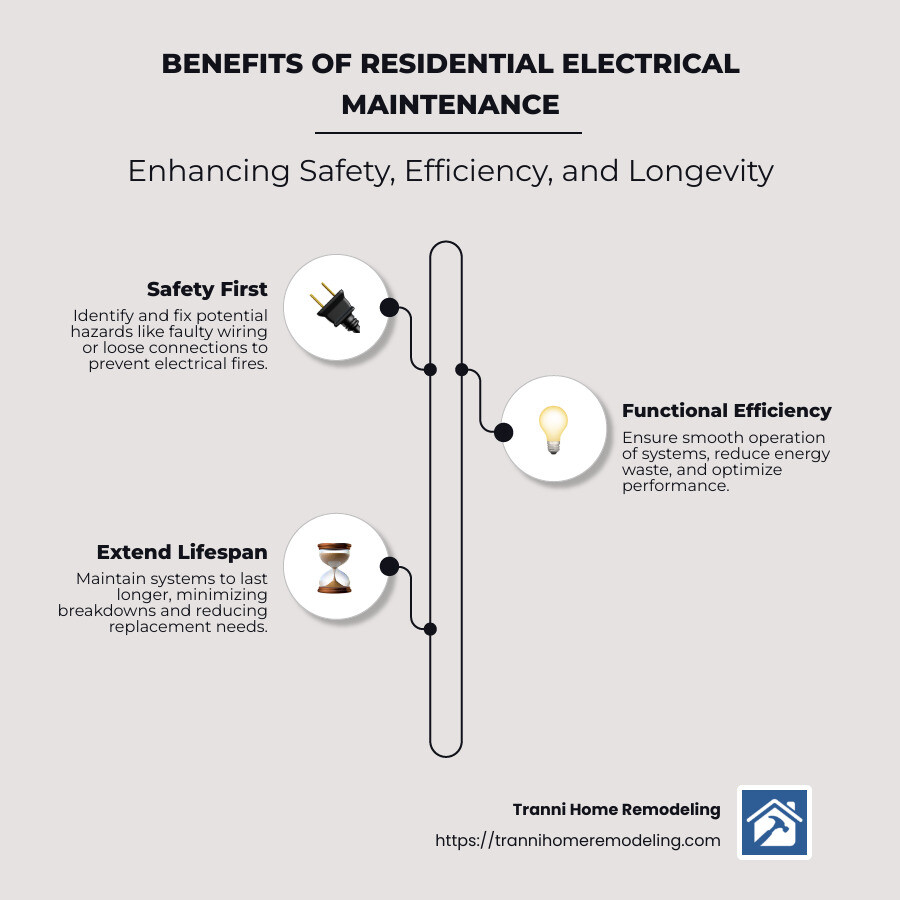
Residential electrical maintenance is crucial for ensuring your home’s safety, improving functionality, and enhancing the longevity of your electrical systems. Here’s what you need to know in brief:
- Safety First: Regular inspections help spot and fix hazards like faulty wiring or loose connections, preventing electrical fires.
- Functional Efficiency: Proper maintenance ensures all electrical systems run smoothly, reducing energy waste and optimizing performance.
- Extending Lifespan: Well-maintained systems last longer, minimizing breakdowns and the need for replacements.
When these essential aspects are attended to, homeowners can enjoy peace of mind knowing their home’s electrical system is not only up to code but also operating at its best.
I’m Tyler Tranni, passionate about changing homes through expert craftsmanship. With experience in residential electrical maintenance, I am dedicated to ensuring every home in Billerica, MA, achieves optimal safety and efficiency through our top-notch services.
Understanding Residential Electrical Maintenance
Residential electrical maintenance is more than just flipping a switch or changing a bulb. It’s about keeping your home safe and efficient through consistent care and attention.
Preventive Measures
Preventive maintenance is like a regular health check-up for your home’s electrical system. It involves taking steps to avoid problems before they happen. Simple tasks like changing the batteries in smoke and carbon monoxide detectors can be done by homeowners. More complex tasks, like installing surge protection devices to guard against power surges, might require a professional.
Why is this important? Because catching issues early can save you from major headaches later on. Think of it as an investment in your home’s future.
Inspections
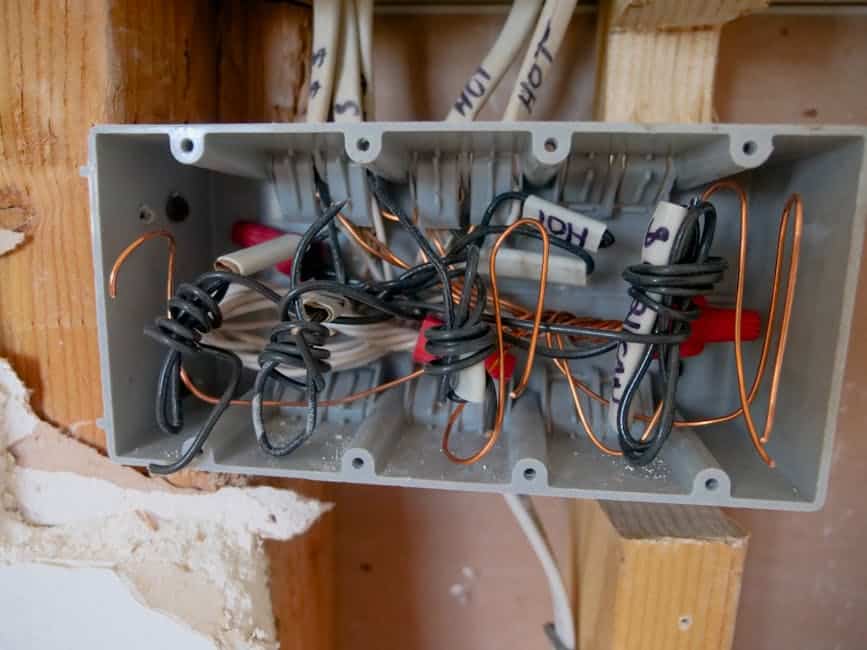
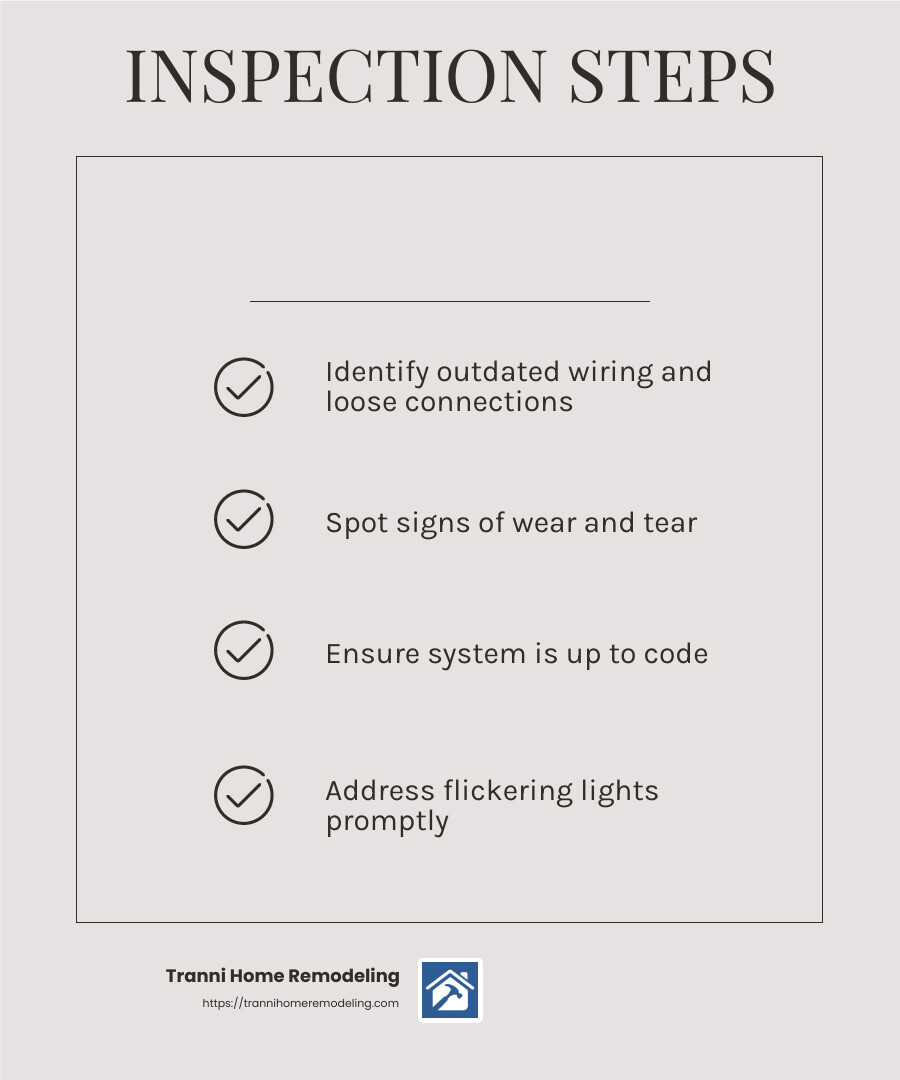
Regular inspections are a cornerstone of effective electrical maintenance. These inspections help identify potential hazards such as outdated wiring or loose connections. A professional electrician can spot signs of wear and tear that might not be obvious to the untrained eye.
For example, flickering lights might seem harmless but can indicate serious underlying issues. Regular inspections ensure your system is up to code and safe for daily use.
Repairs
When issues are identified, timely repairs are crucial. Whether it’s fixing a faulty outlet or upgrading an entire circuit, addressing problems quickly can prevent them from escalating into larger, more expensive issues.
Common repairs include:
– Replacing outdated or damaged wiring
– Fixing broken switches or outlets
– Upgrading circuit breakers to handle increased loads
By keeping up with repairs, you not only ensure safety but also improve the overall efficiency of your electrical system.
With these preventive measures, regular inspections, and timely repairs, you can maintain a safe and efficient electrical system in your home. Next, we’ll explore the key benefits of regular electrical maintenance.
Key Benefits of Regular Electrical Maintenance
Regular residential electrical maintenance offers several key benefits that can greatly improve your home’s safety, efficiency, and reliability. Let’s explore how these benefits work together to create a safer and more efficient living environment.
Safety Compliance
Safety is the number one priority in any home. Regular electrical maintenance ensures your home complies with safety standards and regulations. This means having a professional electrician check your wiring, outlets, and appliances to identify any potential hazards.
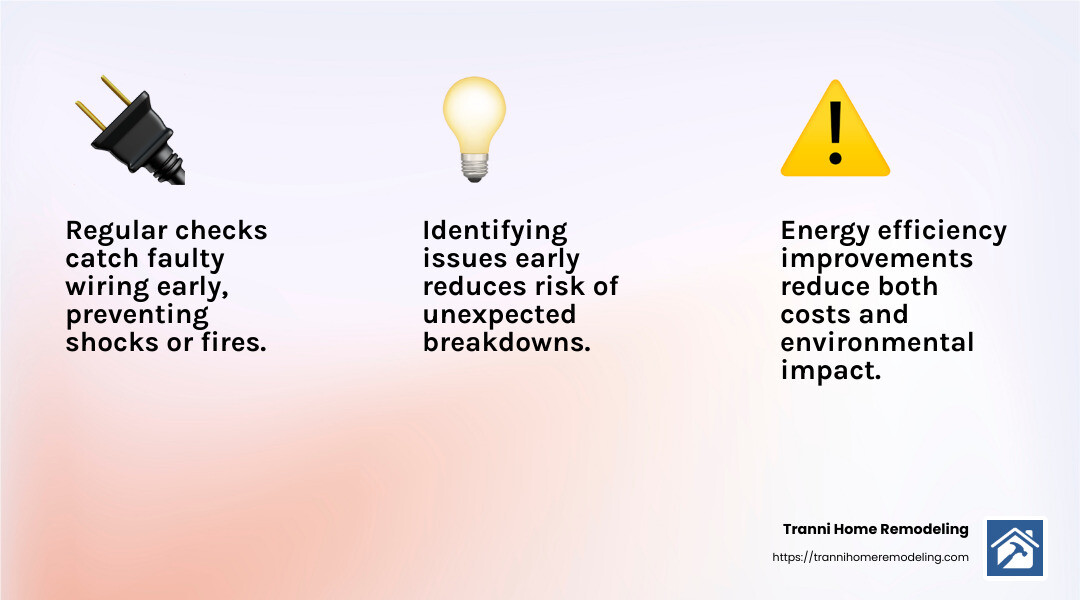
- Faulty wiring and loose connections are common issues that can pose serious risks if left unchecked. Regular inspections help catch these problems early, preventing electrical shocks or fires.
- Maintaining safety compliance also involves upgrading outdated components. For example, replacing old circuit breakers with modern ones can significantly reduce the risk of overloading and electrical fires.
Energy Efficiency
Improving energy efficiency isn’t just about saving money on your electricity bill. It’s also about reducing your home’s environmental impact. Regular maintenance helps optimize your electrical system’s performance, ensuring it runs as efficiently as possible.
- Professionals can recommend energy-saving upgrades, such as LED lighting or energy-efficient appliances, to further improve efficiency.
- Simple tasks, like cleaning air conditioning condenser coils and checking insulation, can also contribute to improved energy efficiency.
Risk Reduction
By identifying and addressing potential issues before they escalate, regular electrical maintenance reduces the risk of unexpected failures and breakdowns.
- Predictive maintenance techniques allow professionals to detect early signs of equipment deterioration. This proactive approach enables timely repairs or replacements, minimizing the chances of inconvenient and costly breakdowns.
- Installing surge protection devices, like whole-house surge suppressors, can safeguard your electronics from voltage spikes, further reducing the risk of damage during electrical disturbances.
By prioritizing residential electrical maintenance, you can ensure your home’s electrical system remains safe, efficient, and reliable. This not only protects your home and family but also extends the lifespan of your electrical components, saving you money in the long run.
Next, we’ll dig into the essential components of residential electrical systems and how they work together to power your home.
Essential Components of Residential Electrical Systems
Understanding the components of your home’s electrical system is crucial for effective residential electrical maintenance. Let’s break down the key parts that keep your home powered safely and efficiently.
Single-Phase and Three-Phase Systems
Single-phase systems are common in smaller homes. They use a single alternating current (AC) waveform to deliver power. This setup is ideal for standard household needs like lighting and basic appliances.
In contrast, three-phase systems are found in larger homes or commercial buildings. These systems use three AC waveforms, providing more power for heavy-duty equipment, such as large HVAC systems or electric vehicle chargers. They’re perfect for homes with high electrical demands.
Main Service Panel
The main service panel is the heart of your home’s electrical system. It receives power from the utility provider and distributes it throughout the house. Often called the circuit breaker panel, it’s where you’ll find circuit breakers that protect your home from electrical overloads.
Tip: Label each circuit clearly in the panel. This simple step can save time during emergencies and help track issues quickly.
Branch Circuits
Branch circuits are extensions of the main service panel. They deliver power to specific areas or appliances in your home. Each branch is protected by its own circuit breaker or fuse, ensuring safety and reliability.
For example, a branch circuit might serve just the kitchen lights, while another handles the outlets in your bedroom. This separation helps manage electrical loads efficiently.
Grounding System
A proper grounding system is vital for safety. It provides a path for electrical currents to flow into the ground in case of a fault, reducing the risk of shocks or fire. Grounding involves a network of wires and rods connecting outlets, appliances, and the electrical panel to the earth.
Did you know? Ground Fault Circuit Interrupters (GFCIs) are essential in moisture-prone areas like bathrooms and kitchens. They protect against electrical shocks by cutting power if they detect an imbalance in the current.
By understanding these components, you can better appreciate the importance of regular maintenance. This knowledge empowers you to make informed decisions about your home’s electrical system, ensuring safety, efficiency, and longevity.
Next, we’ll explore the tools and techniques that make electrical maintenance effective and straightforward.
Tools and Techniques for Effective Electrical Maintenance
Keeping your home’s electrical system in top shape requires the right tools and techniques. Let’s explore some essential tools that make residential electrical maintenance both effective and straightforward.
Multimeters
Multimeters are indispensable for any electrician or DIY enthusiast. They measure voltage, current, and resistance, helping to troubleshoot electrical problems. Whether you’re checking the health of a circuit or verifying connections, a multimeter provides crucial insights.
Pro Tip: Always test your multimeter on a known live source before use to ensure it’s working correctly.
Infrared Cameras
Infrared cameras are like having X-ray vision for your electrical system. They detect heat patterns that aren’t visible to the naked eye. This is useful for spotting overloaded circuits or loose connections. By identifying hot spots early, you can prevent potential electrical failures or hazards.
Example: An electrician once used an infrared camera to identify a hot circuit in a Carlisle home. The issue was fixed before it could cause a fire.
Circuit Breaker Analyzers
Circuit breaker analyzers are specialized tools that test the performance of circuit breakers. They measure parameters like contact resistance and timing. This analysis ensures that breakers will function correctly during an overload, providing essential protection for your home.
Fact: Regular testing of circuit breakers can extend their lifespan and improve safety by ensuring they trip when necessary.
Computerized Maintenance Management Systems (CMMS)
Computerized Maintenance Management Systems (CMMS) are software solutions that streamline the management of maintenance tasks. They help track schedules, record inspection results, and organize work orders. With CMMS, you can analyze data to identify trends and optimize your maintenance strategy.
Did you know? Using CMMS can reduce maintenance costs by up to 20% by improving efficiency and preventing unexpected breakdowns.
These tools and techniques are vital for maintaining the safety and efficiency of your home’s electrical system. By staying proactive with regular inspections and using the right equipment, you can ensure your electrical infrastructure is reliable and long-lasting.
Next, we’ll address some frequently asked questions to help you better understand residential electrical maintenance.
Frequently Asked Questions about Residential Electrical Maintenance
What is the basic electrical maintenance?
Basic electrical maintenance involves three key activities: inspecting, testing, and repairing. These activities ensure your home’s electrical system is safe and efficient.
- Inspecting: Regularly check outlets, panels, and wiring for signs of wear or damage. Look for loose connections or singe marks, which can indicate potential hazards.
- Testing: Use tools like multimeters to measure voltage, current, and resistance. Regular testing helps identify issues before they become serious problems.
- Repairing: Address any identified issues promptly. This might involve replacing a faulty outlet or fixing a loose wire to prevent bigger problems down the line.
Who is responsible for electrical maintenance?
The primary responsibility for electrical maintenance falls on the equipment owner—that’s you, the homeowner. Ensuring your electrical system is safe and up to code is crucial for your family’s well-being.
- NFPA 70E: This standard provides guidelines for electrical safety in the workplace, but it’s also a valuable resource for homeowners. It emphasizes the importance of regular maintenance and proper safety practices.
Quote: “Safety isn’t expensive, it’s priceless.” – Author Unknown
What are examples of electrical maintenance?
There are many tasks involved in maintaining a home’s electrical system. Here are a few examples:
- Testing Outlets: Regularly check outlets for proper function. A simple test can prevent potential electrical fires or appliance damage.
- Calibrating Devices: Ensure thermostats and other electrical devices are calibrated correctly for optimal energy efficiency.
- Routine Inspections: Have a professional inspect your electrical panel and circuit breakers to ensure everything is in working order.
By staying on top of these tasks, you can keep your home safe and your electrical system running smoothly. Up next, we’ll explore the role of Tranni Home Remodeling in helping you maintain a reliable and efficient electrical system.
Conclusion
At Tranni Home Remodeling, we understand that residential electrical maintenance is not just about keeping the lights on—it’s about safety, efficiency, and peace of mind. Our commitment to high-quality craftsmanship and proactive measures ensures that your home’s electrical system is always in top condition.
Proactive Measures
Taking proactive steps in maintaining your electrical system can save you from unexpected headaches and costly repairs. Regular inspections and timely repairs are crucial. We recommend scheduling routine check-ups to catch potential issues early. Our team of skilled electricians is dedicated to providing thorough inspections and maintenance services, ensuring that every component of your electrical system functions optimally.
High-Quality Craftsmanship
With over a decade of experience, Tranni Home Remodeling prides itself on delivering exceptional service. Our team is trained to handle everything from minor electrical repairs to major system upgrades. We use only the best materials and techniques, ensuring that every job meets our high standards of quality. This dedication to excellence not only keeps your home safe but also improves its value and efficiency.
We invite you to explore how our electrical services can benefit your home. Whether you’re in Billerica, Andover, or any of the surrounding areas, our team is ready to assist you with your electrical maintenance needs.
By choosing Tranni Home Remodeling, you’re investing in the safety and longevity of your home’s electrical system. Let us help you keep your home running smoothly and efficiently. Contact us today to schedule your next electrical maintenance service.