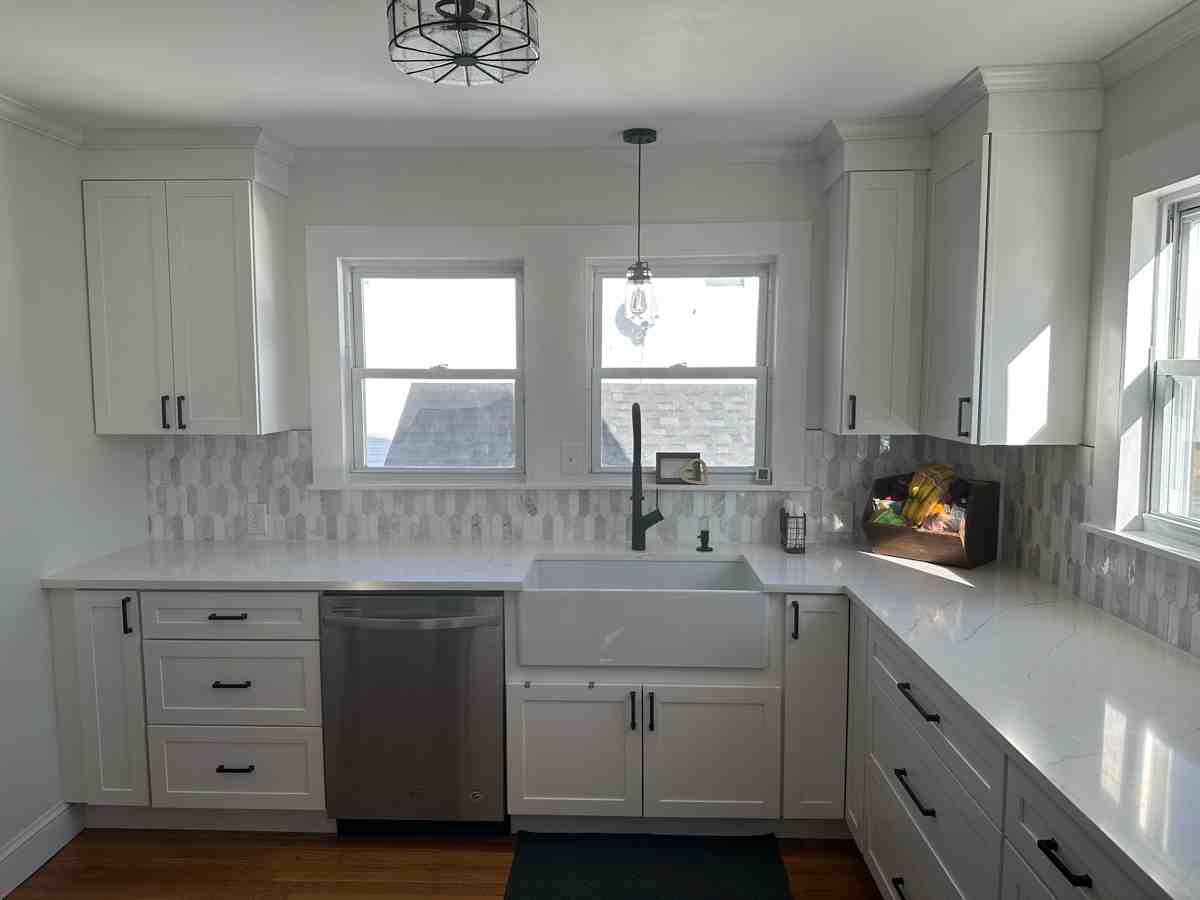





Why Your Kitchen Plumbing Deserves More Attention Than You Think
Kitchen plumbing services are professional repairs, installations, and maintenance tasks that keep your kitchen’s water supply and drainage working properly. Here’s a quick overview of what they typically include:
- Sink and faucet installation or repair — fixing leaks, replacing worn fixtures
- Drain cleaning — removing grease, food debris, and buildup from pipes
- Garbage disposal repair or replacement — restoring proper grinding and drainage
- Dishwasher and appliance hookups — connecting water supply and drain lines
- Pipe repair and leak detection — stopping hidden leaks before they cause damage
- Refrigerator water line installation — supplying ice makers and water dispensers
- Comprehensive plumbing inspections — identifying problems early
Your kitchen is one of the hardest-working rooms in your home. The sink runs dozens of times a day. The dishwasher cycles through loads of hot water. The garbage disposal handles everything from vegetable scraps to leftover pasta.
All of that puts real strain on your plumbing — and when something goes wrong, it can disrupt your entire household fast. In fact, kitchen faucets alone account for roughly 30% of all residential water leaks, costing the average home around 3,000 gallons of wasted water every year.
The good news? Most kitchen plumbing problems are entirely preventable with the right professional support.
I’m Tyler Tranni, owner of Tranni Home Remodeling in Billerica, MA, and I’ve spent years coordinating kitchen plumbing services as part of full kitchen remodels and renovation projects. In this guide, I’ll walk you through everything you need to know to protect your kitchen — from common problems to costs to what to expect from a professional service call.
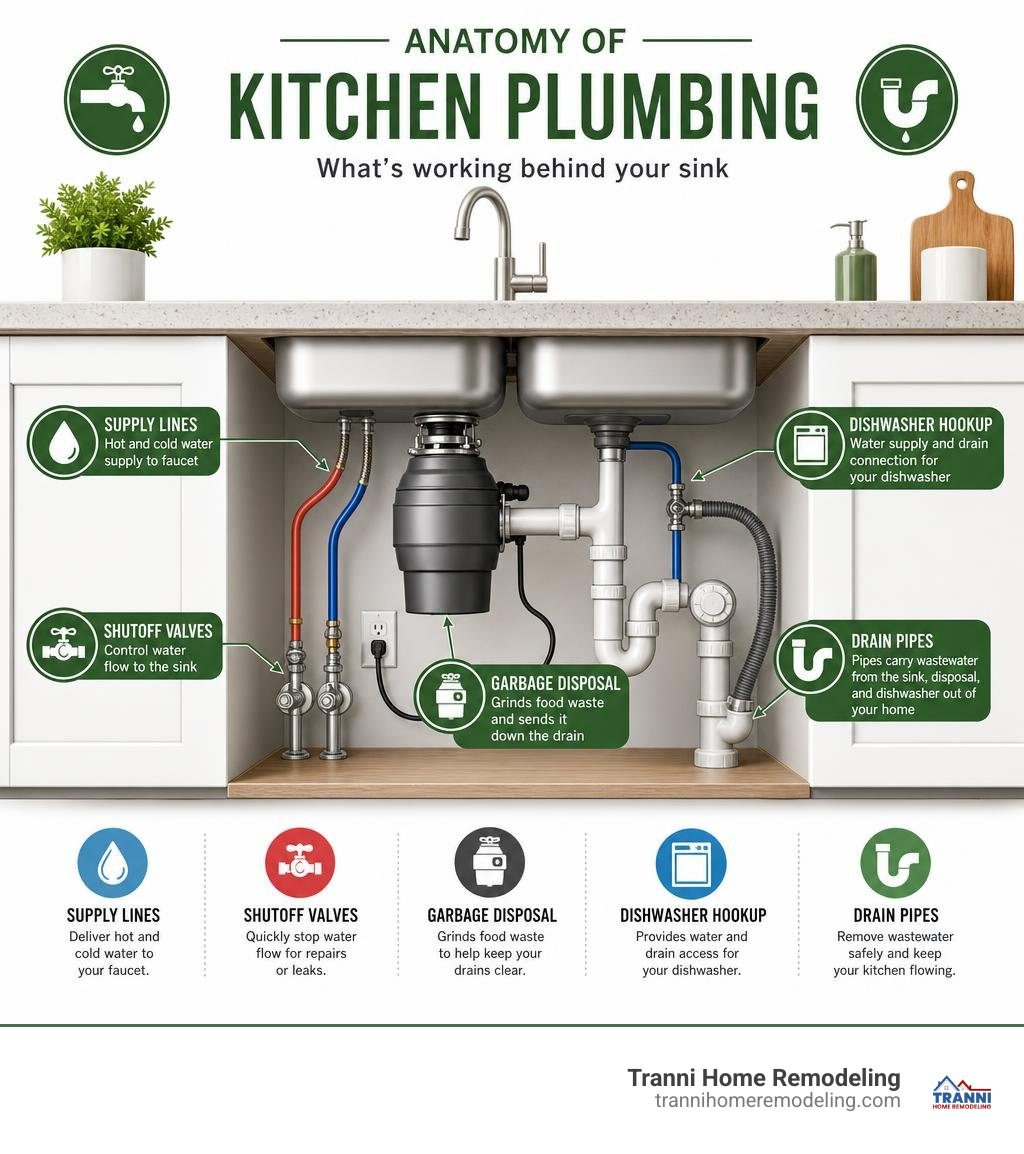
Terms related to Kitchen plumbing services:
What Do Professional Kitchen Plumbing Services Cover?
When we think about the kitchen, we often focus on the aesthetic elements: the custom cabinetry, the sleek stone countertops, and the gorgeous tile backsplashes. However, none of these features can function without a highly reliable, professionally installed plumbing system hidden behind the scenes.
Professional kitchen plumbing services cover everything from routine repairs to complex structural installations. Whether you are dealing with a slow-draining sink or planning a complete kitchen footprint transformation, a licensed plumber ensures that every pipe, valve, and fixture is installed to local building codes.
For homeowners in Middlesex County, Massachusetts—from the historic properties of Concord and Lexington to the modern homes in Burlington and Wilmington—relying on professional expertise is the best way to safeguard your property. You can learn more about how we integrate plumbing into our full-scale projects by reading More info about kitchen remodeling services.
To understand what goes into a fully functional culinary space, let’s look at the specific areas covered by expert plumbing technicians.
Professional Kitchen Plumbing Services for Appliance Hookups
Modern kitchens rely on an array of high-performing appliances that require dedicated water and gas connections. Hooking these up incorrectly can lead to catastrophic water damage or hazardous gas leaks.
- Dishwasher Installation: Connecting a dishwasher is more than just plugging it in. It requires a hot water supply connection and a secure drain line connection. To prevent dirty sink water from backflowing into your clean dishes, a professional plumber will install a “high loop” or an air gap in the drain line.
- Refrigerator Water Lines & Ice Makers: If you are upgrading to a modern refrigerator with a built-in water dispenser and ice maker, you will need a dedicated cold water supply line. Plumbers run durable, flexible lines (ideally braided stainless steel rather than brittle plastic tubing) from your main water supply directly to the fridge.
- Gas Ranges and Cooktops: If you are switching from electric to gas, or simply upgrading your gas range, a licensed professional must handle the gas line rough-in. This involves precise pipe sizing based on the appliance’s BTU rating, pressure testing the system, and installing dedicated safety shutoff valves.

Kitchen Plumbing Services for Sinks and Faucets
The kitchen sink is the undisputed workhorse of the home. Installing a new sink or faucet requires a blend of structural support and precise plumbing connections.
- Undermount and Farmhouse Sinks: Unlike traditional drop-in sinks, undermount and farmhouse (apron-front) sinks require specialized structural framing. Because these sinks can hold dozens of gallons of water, they are incredibly heavy. We ensure they are securely mounted to the cabinetry before a plumber hooks up the drains.
- Faucet Replacement and Upgrades: From touchless smart faucets to wall-mounted pot fillers, modern fixtures require expert installation to avoid slow drips and low water pressure. If you are adding a pot filler above your stove, a plumber must run a cold water line through the wall, positioning it precisely 56 to 60 inches above the floor.
- Drain Assembly and P-Traps: The drain assembly underneath your sink must be completely watertight. If the P-trap is misaligned or poorly sealed, sewer gases can creep into your kitchen, and slow leaks will begin rotting your vanity cabinets. For stubborn issues, professional drain cleaning is the most effective way to clear deep-seated system blockages.
Common Kitchen Plumbing Problems Homeowners Face
Even with careful use, the sheer volume of water, soap, grease, and food waste passing through your kitchen plumbing will eventually lead to wear and tear. Here are the most common issues we see in local homes:
- Slow Drains and Clogs: Over time, cooking oils, soap scum, and tiny food particles cling to the inside of your drainpipes. This narrows the passage, leading to sluggish drainage and, eventually, a complete blockage.
- Low Water Pressure: If your faucet has lost its spray power, the culprit is often mineral buildup inside the aerator or faucet cartridge. In older homes in towns like Winchester or Woburn, low pressure can also point to corroded galvanized steel pipes or hidden water line leaks.
- Persistent Odors: A smelly kitchen sink usually means food debris is decaying inside the garbage disposal or the P-trap has dried out, allowing sewer gases to escape upward.
- Water Leaks: Roughly 10,000 homes in the U.S. experience a plumbing emergency every day. Kitchen leaks are among the most common, often starting as tiny, unnoticed drips under the sink that gradually rot the subfloor and cabinet wood.
- Hard Water Damage: Hard water affects over 85% of U.S. households. In Massachusetts, mineral-heavy water can cause scale buildup inside your dishwasher, reduce your water heater’s efficiency, and leave unsightly white spots on your premium fixtures.
When to Call a Professional vs. Attempting a DIY Fix
It is tempting to grab a wrench or a bottle of chemical drain cleaner when a problem arises, but DIY fixes often cause more harm than good.
Chemical drain cleaners are highly corrosive and can eat through older copper or brass pipes, leading to costly pipe bursts. Furthermore, trying to force a hand-cranked drain snake down a clogged pipe can scratch or puncture fragile plumbing lines.
When DIY is okay:
- Cleaning a dirty faucet aerator by soaking it in vinegar.
- Clearing a minor, shallow sink clog using a standard sink plunger.
- Resetting a jammed garbage disposal using the hex wrench under the unit.
When you must call a licensed professional:
- Persistent or recurring clogs: If your sink backs up repeatedly, the blockage is deep in the main waste line.
- Active water leaks: Any dripping pipe, leaking shutoff valve, or water pooling under cabinets requires immediate professional repair to prevent mold and structural rot.
- Appliance installations: Connecting gas lines, running new refrigerator water lines, or installing high-end dishwashers should always be handled by licensed experts to preserve appliance warranties and satisfy local building codes.
- Layout changes: If you are planning a remodel and want to move your sink to a kitchen island, you need a professional to reroute supply lines and install specialized venting solutions.
If you are planning a larger renovation alongside your plumbing repairs, it is wise to partner with a full-service team. Check out More info about kitchen remodeling contractors to see how professional coordination saves time and money.
Understanding the Costs of Kitchen Plumbing Repairs and Installations
Plumbing costs can vary widely depending on the complexity of the work, the materials required, and whether the service is scheduled or an emergency.
To help you plan, we have compiled a table showing the average costs for common kitchen plumbing services. Please note: These are average costs based on internet data and are not actual costs for Tranni Home Remodeling.
| Service Type | Average Cost Range (Internet Data) | High-End / Complex Project Range |
|---|---|---|
| Garbage Disposal Repair/Replacement | $150 – $350 | $600 – $1,050+ |
| Faucet Installation / Replacement | $150 – $400 | $800 – $1,200+ |
| Kitchen Sink Installation | $250 – $600 | $1,200 – $2,500+ |
| Professional Drain Cleaning | $150 – $350 | $600 – $1,050+ |
| Gas Line Installation (for Range) | $250 – $800 | $1,500 – $3,000+ |
| Leak Detection & Pipe Repair | $200 – $600 | $1,500 – $4,500+ |
When reviewing these figures, keep in mind that high-end rates reflect complex scenarios—such as rerouting drain lines through structural joists, running brand-new gas plumbing across a basement, or installing luxury farmhouse sinks that require custom cabinet rebuilding.
Opting for professional kitchen plumbing inspections can reduce the risk of major water damage by up to 70% by identifying these hidden leaks and clogs early, saving you thousands of dollars in emergency repair fees down the road.
Crucial Plumbing Considerations for Kitchen Remodels and Older Homes
Renovating a kitchen in Middlesex County often means working with older, historic homes. Properties in Andover, Carlisle, and Chelmsford have incredible character, but their plumbing infrastructure is often outdated.
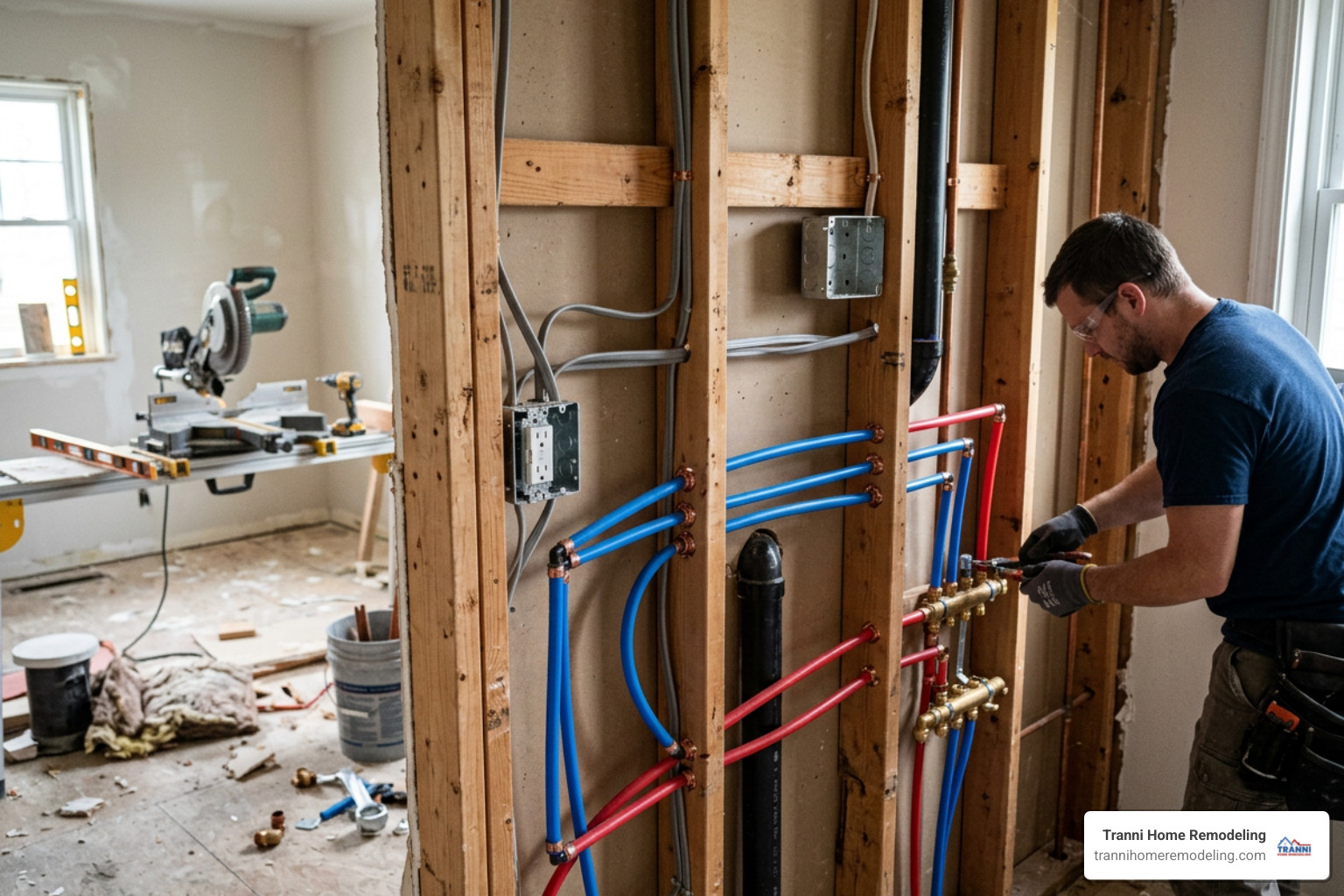
When remodeling an older home, there are several crucial plumbing factors to consider:
- Galvanized and Lead Pipes: If your home was built before the 1960s, it may still have galvanized steel or lead water lines. Galvanized pipes corrode from the inside out, restricting water flow and eventually rusting through. During a remodel, we highly recommend replacing these old lines with durable copper or flexible, expansion-resistant PEX piping.
- Layout Changes and Venting: Want to move your sink from the wall to a central island? This requires routing supply and drain lines through the subfloor. It also introduces a venting challenge. Standard sinks vent through the wall, but island sinks require specialized solutions like an island loop vent or an Air Admittance Valve (AAV) to ensure proper drainage and prevent sewer gas leaks.
- Gas Line Upgrades: Older gas lines may not have the capacity to support modern, high-BTU professional-grade gas ranges. A licensed plumber will calculate the load requirements to ensure your gas lines are safely sized.
- Upgrading Shutoff Valves: While your walls and cabinets are open, it is the perfect time to replace old, stuck gate valves with modern, quarter-turn brass ball valves. This ensures you can easily shut off the water supply in an emergency.
If you are ready to update your older home, we can help you navigate these complex structural and plumbing requirements. Learn more about local projects by reading More info about kitchen remodeling near Billerica.
Frequently Asked Questions About Kitchen Plumbing
How can I prevent future kitchen plumbing clogs?
The absolute best way to prevent clogs is to watch what goes down your drain. Never pour fats, oils, or grease (FOG) down the sink; they solidify inside the pipes and act as glue for other debris.
Avoid putting fibrous vegetables (like celery or corn husks), coffee grounds, pasta, or eggshells down your garbage disposal. Additionally, run plenty of cold water while running your disposal, and flush your drains once a month with hot water and baking soda to keep them clear.
Why is my kitchen sink draining so slowly?
A slow-draining sink is usually caused by a buildup of grease, food scraps, and soap scum coating the interior walls of your drainpipe or P-trap.
If the slow drainage affects both sides of a double sink, the clog is likely located past the sanitary tee in the main waste line. Professional drain cleaning is the safest way to clear these stubborn blockages without damaging your pipes.
What should I do during a kitchen plumbing emergency?
If a pipe bursts or a valve begins leaking rapidly, your very first step should be to shut off the water supply. Look under the sink for the local shutoff valves (chrome knobs) and turn them clockwise to stop the flow.
If the local valves are stuck or leaking, go to your basement or utility room and shut off the main water valve for the entire house. Once the water is off, call a licensed professional immediately to repair the damage.
Conclusion
Your kitchen is the heart of your home, and its plumbing system is the lifeblood that keeps it running. While DIY projects can be satisfying, kitchen plumbing is simply too complex—and the risks of water damage too high—to leave to chance. Hiring a licensed, local professional ensures your installations are safe, watertight, and fully compliant with local Massachusetts building codes.
At Tranni Home Remodeling, we combine over a decade of high-quality craftsmanship with outstanding service. Whether you need to resolve a persistent plumbing issue or want to design a breathtaking, fully updated kitchen from scratch, we are here to guide you through every step of the process.
Ready to transform your home with a beautiful, worry-free kitchen? Schedule a consultation for your kitchen remodeling project with us today, and let’s build something spectacular together!
Like us on Facebook!