




HVAC Installation and Maintenance 101: Ultimate Comfort
Understanding Your Home’s Climate Control
HVAC installation and maintenance are essential for keeping your home comfortable, safe, and energy-efficient. Understanding the basics can save you time and money, whether you’re planning an upgrade or dealing with a broken system.
Quick Answer for HVAC Installation and Maintenance:
- Installation Process: Consultation → System sizing → Site preparation → Professional installation → Testing (typically 3-5 days for commercial, 1-2 days residential)
- Maintenance Schedule: Change filters every 1-3 months, professional tune-ups twice yearly (spring and fall)
- Average Costs: Maintenance starts at $99, new furnace $2,500-$15,000, new AC $3,000-$24,000 (prices vary widely based on system type and complexity)
- System Lifespan: 16-20 years average, up to 25 years with proper maintenance
- Key Benefits: 95% reduction in breakdown risk, lower energy bills, improved air quality
HVAC (Heating, Ventilation, and Air Conditioning) systems work together to maintain comfortable temperatures and healthy air quality. Heating warms your home, air conditioning cools it, and ventilation circulates fresh air while removing pollutants.
Regular maintenance is crucial for safety, efficiency, and avoiding costly emergency repairs. A well-maintained system can last over a decade longer than a neglected one, reducing energy costs and preventing hazards like carbon monoxide leaks.
As Tyler Tranni, owner of Tranni Home Remodeling in Billerica, MA, I’ve seen how proper HVAC installation and maintenance transform a home’s comfort and value. My experience has taught me that educating homeowners leads to better decisions and long-term satisfaction.
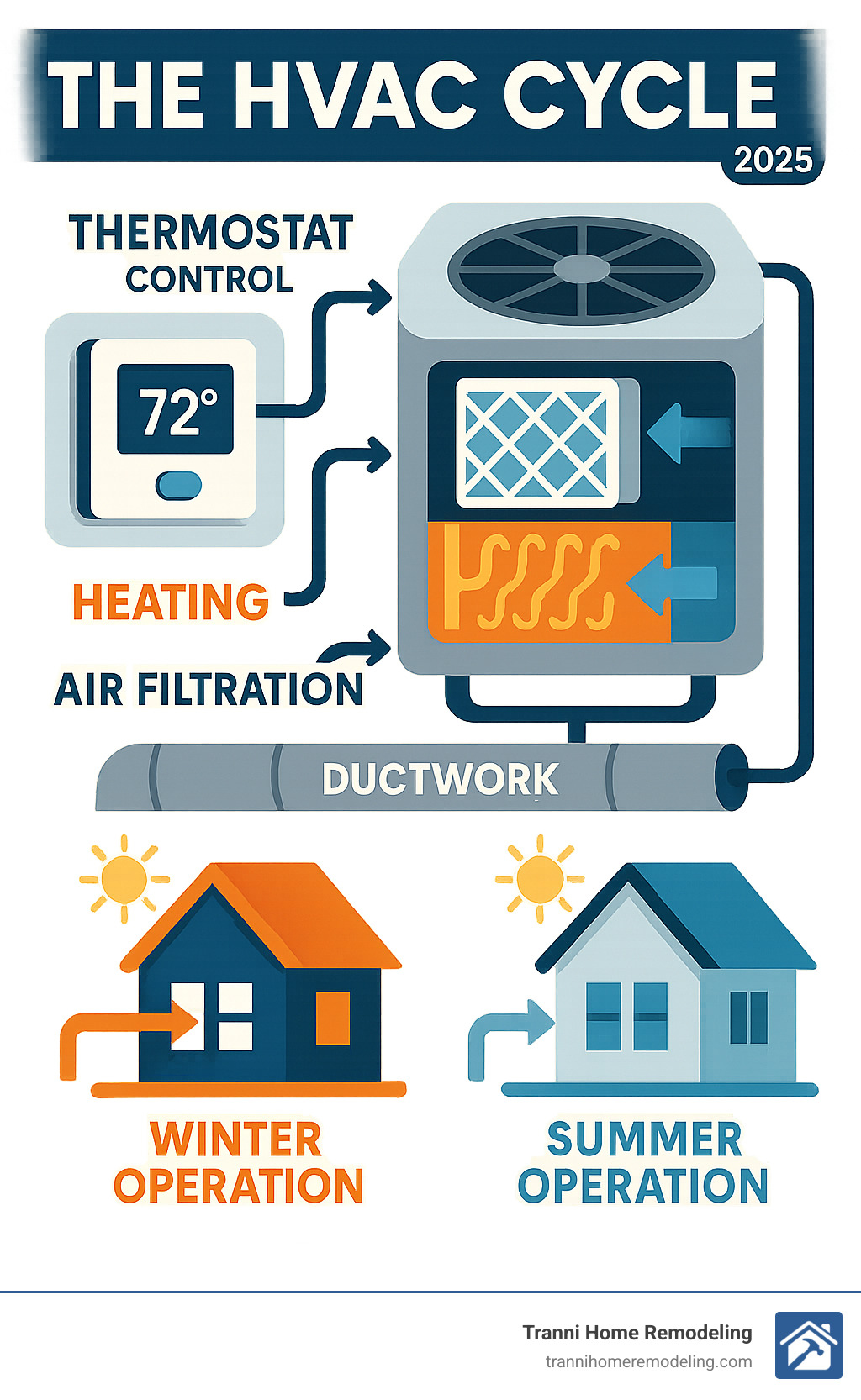
Basic HVAC installation and maintenance glossary:
The Professional HVAC Installation Process: What to Expect
Getting a new HVAC installation and maintenance system doesn’t have to be overwhelming. Knowing what to expect makes the process manageable as you look forward to the comfort improvements ahead.
Selecting and Sizing Your New System
When it comes to HVAC systems, bigger isn’t always better. Proper system sizing is crucial for your comfort and wallet. An oversized unit will “short cycle,” turning on and off too frequently. This wastes energy, causes poor dehumidification, and puts unnecessary stress on components. An undersized system will run constantly, struggling to keep up while driving up utility bills.
To select the right system, we look beyond your home’s square footage. We also consider your insulation levels, our climate zone here in Massachusetts, the number of people in your home, and your window layout. It needs to fit just right to work properly.
Energy efficiency ratings are where you’ll see long-term savings. SEER ratings measure air conditioning efficiency, with higher numbers meaning lower cooling costs. For heating, AFUE ratings tell you how much fuel becomes heat. Standard systems are around 80% AFUE, but high-efficiency models can reach 90% to 98.5%.
For larger homes, a two-system setup may provide better temperature control. You might also explore Ductless Heating And Cooling Systems or other Heating Ventilation And Air Conditioning solutions.
The Step-by-Step Professional HVAC Installation
Once we’ve found your perfect system, the professional HVAC installation begins. Most residential installations take one to two days.
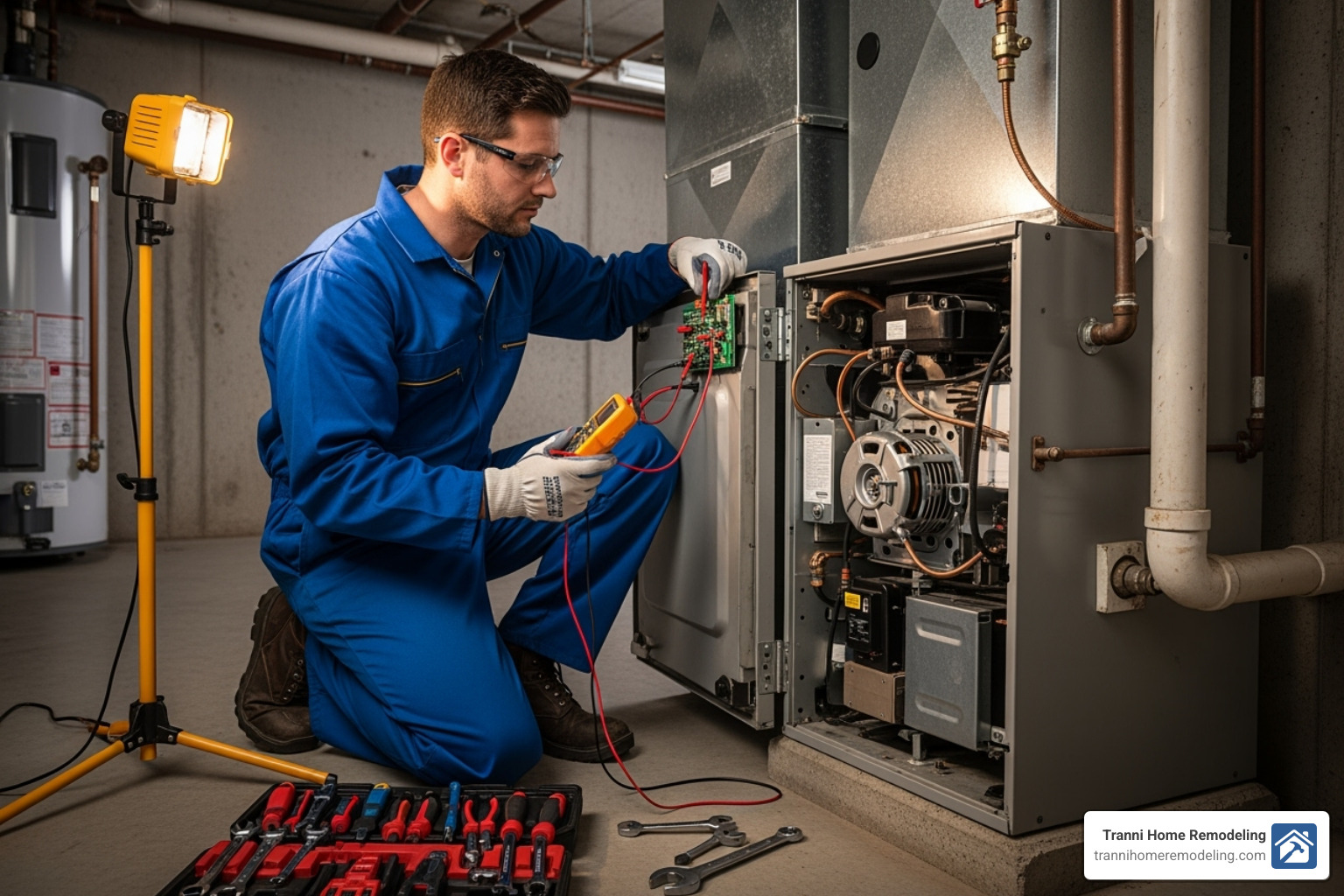
- Consultation and Site Assessment: We start with a detailed walkthrough, taking measurements and discussing your comfort needs and budget.
- Site Preparation and Old Unit Removal: We prepare the installation areas and carefully remove your old system to protect your property.
- Ductwork Inspection: Your ductwork is critical for airflow. We check for leaks or damage that can slash efficiency and seal any gaps we find.
- New Unit Placement: Indoor units go in accessible, central spots like basements or attics. Outdoor units need shade and good airflow, away from vegetation.
- System Connections: Our technicians precisely connect the air handler, condensate lines, refrigerant lines, and electrical wiring for safe, efficient operation.
- Thermostat Installation: We install and calibrate your new thermostat, then walk you through its features.
- Final Testing: We power up the system and thoroughly test heating, cooling, and airflow to ensure everything works perfectly.
The labor portion of HVAC installation and maintenance typically represents about half the total project cost, reflecting the specialized skills required. For industry standards, you can review HVAC Installation Best Practices.
The Ultimate Guide to HVAC Installation and Maintenance
After your new HVAC installation is complete, ongoing maintenance is what saves you money and keeps your family comfortable for years. The installation is just the beginning; what happens next determines whether you’ll enjoy 15-20 years of reliable comfort or face costly breakdowns.
Why Regular HVAC Maintenance is Non-Negotiable
Regular maintenance is essential for your home’s comfort, safety, and your wallet. Neglecting your system allows small problems to snowball into expensive disasters.
- System Lifespan Extension: Most HVAC systems last 16-20 years, but proper care can stretch that to 25 years or more. That’s extra years before you need another major HVAC installation.
- Energy Efficiency: A well-maintained system runs smoothly, while a neglected one works harder. This directly translates to lower utility bills.
- Prevent Breakdowns: Proper care can prevent up to 95% of breakdowns. Technicians spot potential problems like worn belts or low refrigerant before they cause system failure, turning a potential $2,000 emergency into a $200 repair.
- Improved Indoor Air Quality: Regular filter changes and system cleaning help remove dust, allergens, and pollutants from the air your family breathes.
- Safety Checks: Maintenance visits are lifesavers. Gas furnaces require annual inspection for carbon monoxide leaks, proper ventilation, and gas line integrity.
Your HVAC Maintenance Checklist: DIY vs. Professional Tasks
Maintaining your system involves a mix of simple DIY tasks and work that requires a professional.
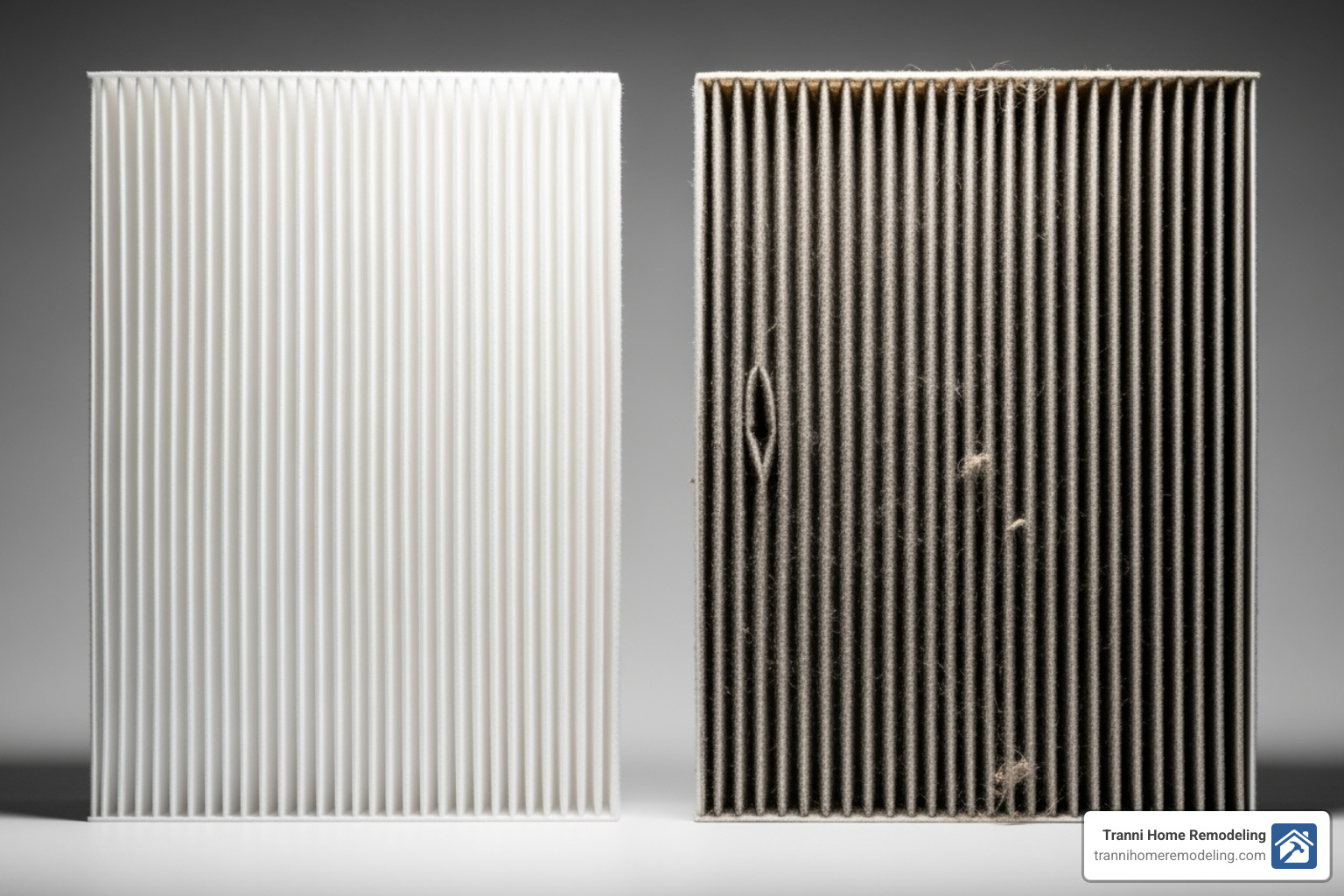
Changing air filters is the most important thing a homeowner can do. Check them every 1-3 months and replace when dirty. If you have pets or allergies, you’ll need to change them more frequently. A dirty filter restricts airflow and can damage your system.
Clearing your outdoor unit is another vital task. Keep the area around your condenser free from leaves, grass, and debris, maintaining at least two feet of clearance on all sides for proper airflow.
Check your thermostat settings seasonally and replace batteries in programmable models to avoid simple comfort issues.
Professional tune-ups should happen twice a year—once in spring for cooling and once in fall for heating. During these visits, technicians handle complex tasks like cleaning coils, checking refrigerant levels, and lubricating motors. They also inspect electrical connections, test system controls, and perform critical safety checks.
We strongly recommend leaving technical work to professionals. Your HVAC system is a significant investment, and improper handling can lead to damage, safety hazards, or voided warranties. For professional help, explore our Air Conditioning Services Near Me.
Recognizing the Signs: When to Repair or Replace Your HVAC System
Even with the best HVAC installation and maintenance, systems don’t last forever. The trick is recognizing the warning signs so you can call for help before you’re left without heat or air conditioning.
Telltale Signs Your System Needs Professional Attention
These warning signs are your system’s way of asking for help.
- Unusual Noises: Banging, squealing, or grinding sounds often point to worn belts, motor issues, or loose parts.
- Weak Airflow: If air from your vents feels weak, you could have clogged filters, blocked ductwork, or a failing blower motor.
- Foul Odors: A musty smell can indicate mold. A burning smell could signal electrical problems. If you smell sulfur or “rotten eggs” from a gas furnace, turn the system off immediately and call for help, as this could be a gas leak.
- Leaks or Moisture: Puddles around your indoor unit often mean a clogged condensate drain line or a refrigerant leak.
- Short Cycling: When your system turns on and off repeatedly without completing a full cycle, it wastes energy and indicates a problem.
- Rising Energy Bills: A sudden spike in bills without a change in usage suggests your system is losing efficiency.
- Inconsistent Temperatures: Hot and cold spots throughout your home mean your system is struggling to distribute air evenly.
When you notice these signs, call professionals before a minor issue becomes a major headache.
Deciding Between Repair and a Full HVAC Replacement
Should you fix your current system or replace it? Here are some guidelines to help you decide.
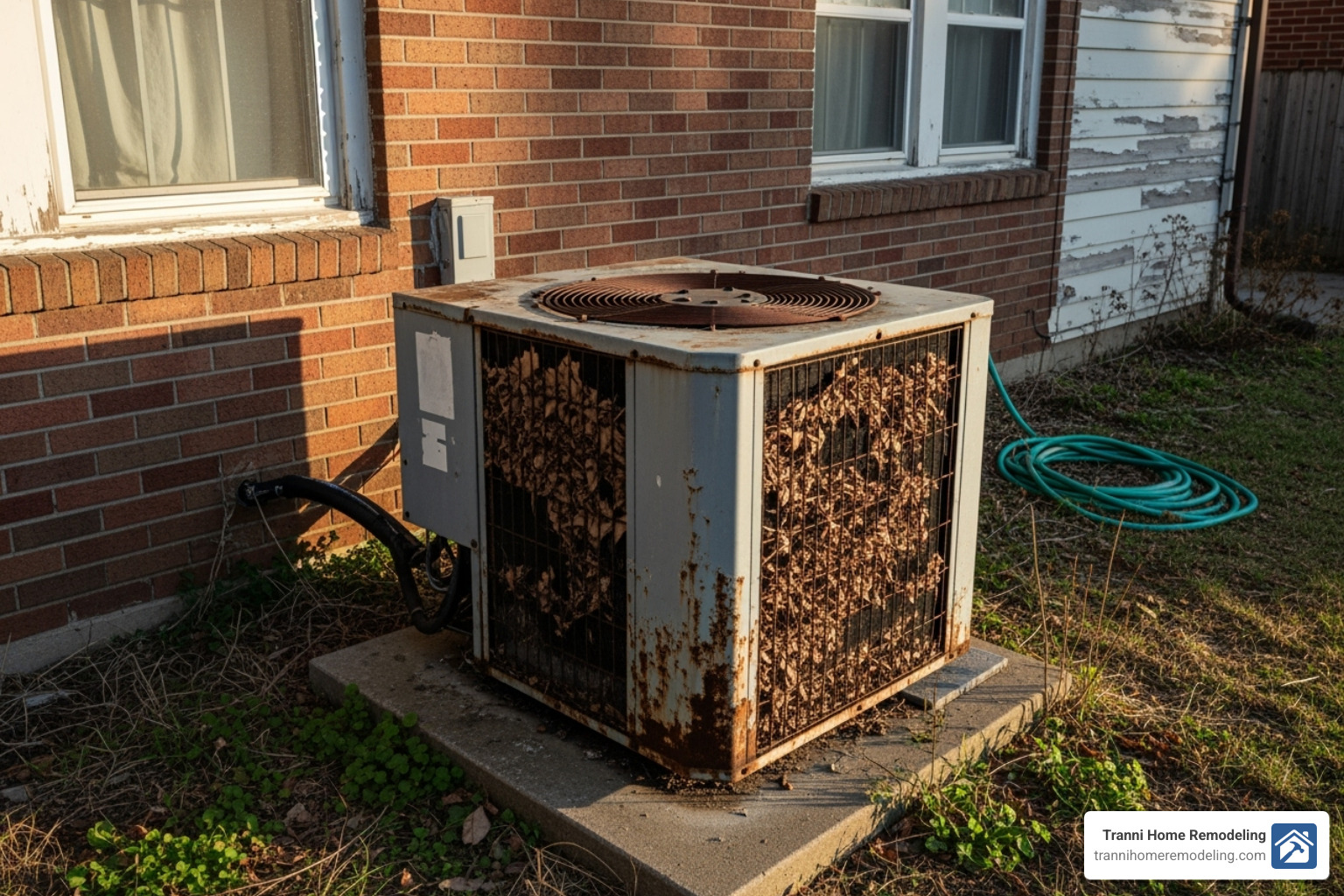
- System Age: Most HVAC systems last 16 to 20 years. If your system is approaching or has passed this milestone, replacement often makes more financial sense than costly repairs.
- Frequent Breakdowns: If you’re calling for repairs multiple times a season, the cumulative cost and stress often justify a new, reliable system.
- Cost of Repairs: A good rule of thumb: if a single repair costs more than 30-50% of what a new unit would cost, replacement is usually the smarter investment.
- Outdated R-22 Refrigerant: This refrigerant has been phased out and is expensive. If your older R-22 system develops a leak, you’re often better off replacing it.
- Poor Energy Efficiency: Older systems with low SEER or AFUE ratings could be costing you hundreds extra each year. The energy savings from a new, high-efficiency system can often offset the installation cost within a few years.
At Tranni Home Remodeling, we provide honest, straightforward advice to help you make the best choice for your family’s comfort and budget. Learn more about professional options for HVAC Installation.
Understanding the Costs of HVAC Installation and Maintenance
When it comes to HVAC installation and maintenance, understanding the costs is key to budgeting. These are average costs based on internet data, and actual costs for your specific project with Tranni Home Remodeling will vary based on your unique needs and system choices.
Average Costs for Professional HVAC Installation and Maintenance
- One-Time HVAC Maintenance / Seasonal Tune-up: A basic seasonal tune-up to inspect, clean, and test your unit typically starts around $99 to $200.
- New Furnace Installation: The cost for a new furnace installation can range widely, from $2,500 to $15,000 nationwide. Gas-fueled furnaces often fall between $2,500 and $7,500, while electric systems can cost between $5,000 and $15,000.
- New AC Installation: A new central air conditioning system installation can range from $3,000 to $24,000 nationwide. A standard installation might fall between $3,000 and $8,000, but high-efficiency or complex systems can push costs to $15,000 to $24,000 or more.
- Labor Costs: Labor typically makes up about half of the overall price, covering the professional expertise and time required.
Financing options are often available for installed HVAC purchases. You can also explore tools like the Energy Cost Savings Calculator to estimate potential savings from a more efficient system.
Factors That Influence the Final Price
Several factors determine the final cost of your HVAC installation and maintenance project:
- System Type: Conventional split systems, heat pumps, ductless mini-splits, and geothermal systems have different price points. Geothermal systems have high upfront costs but offer significant long-term savings.
- Brand and Model: Premium brands or models with advanced features will cost more.
- Size and Capacity: A larger home requires a higher capacity unit (measured in BTUs or tons), which costs more.
- Efficiency Rating (SEER, AFUE): High-efficiency units have a higher upfront cost but often provide payback within 3 to 6 years through energy savings.
- Existing Ductwork Condition: If your ductwork needs extensive repairs or replacement, this will add to the overall installation cost.
- Labor Complexity: Site accessibility and the need for new electrical or gas lines can influence labor costs.
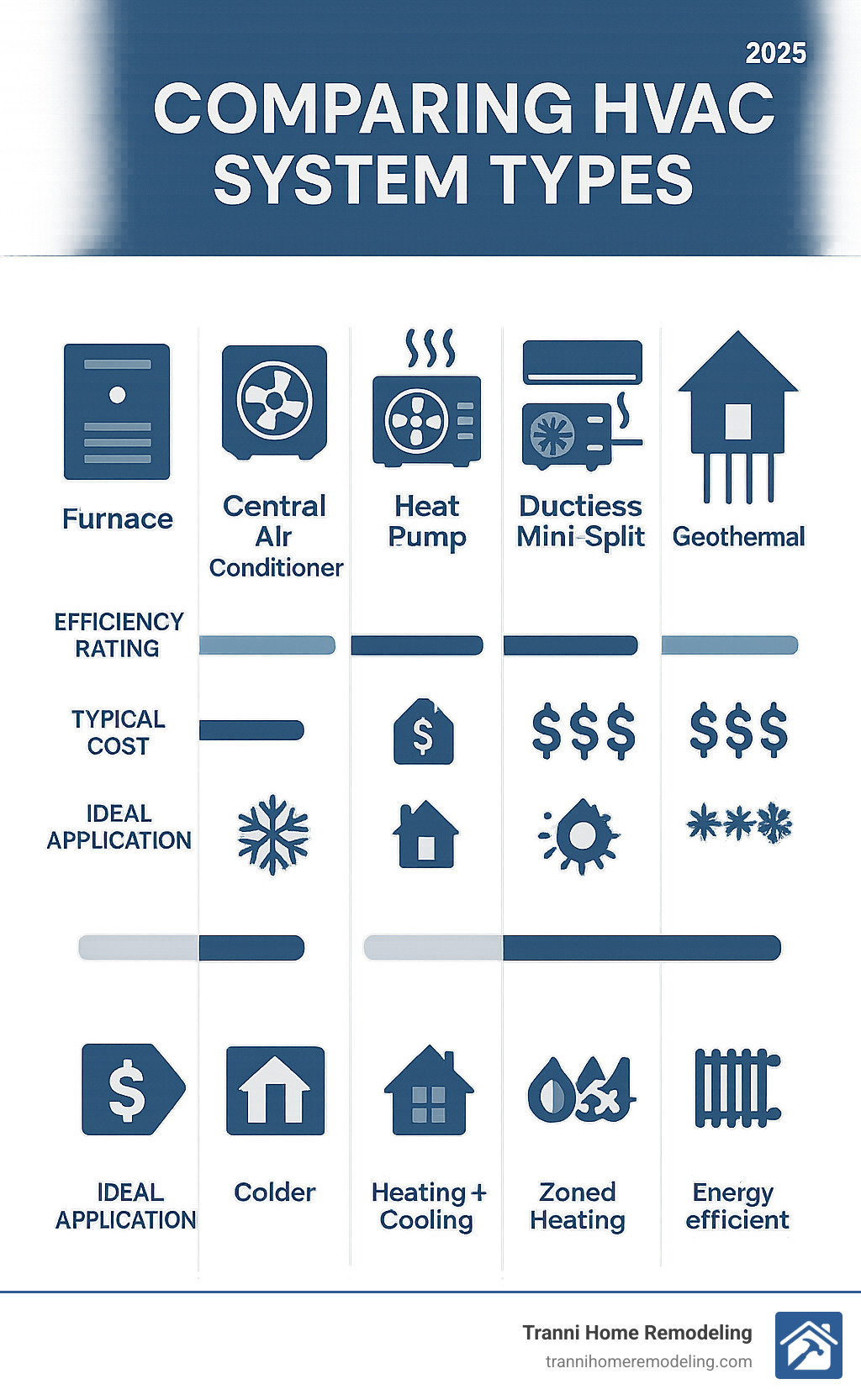
Here’s a simplified comparison of key features and cost factors for common HVAC system types:
| System Type | Primary Function | Key Efficiency Rating | Typical Cost Range (Installation) | Key Considerations |
|---|---|---|---|---|
| Furnace | Heating | AFUE | $2,500 – $15,000 | Gas vs. Electric fuel source, single-stage vs. two-stage vs. variable-speed, ductwork required, good for colder climates. |
| Central Air Cond. | Cooling | SEER | $3,000 – $24,000 | Unit size (tons), SEER rating, ductwork required, often paired with a furnace for a complete system, refrigerant type. |
| Heat Pump | Heating & Cooling | SEER, HSPF | $4,000 – $20,000 | Efficient in moderate climates, can replace both furnace and AC, electric operation, ductwork required, backup heat often needed in very cold temperatures. |
| Ductless Mini-Split | Heating & Cooling | SEER, HSPF | $2,000 – $10,000 (per zone) | Ideal for additions, zoned heating/cooling, no ductwork needed, multiple indoor units can connect to one outdoor unit, good for targeted comfort. |
| Geothermal | Heating & Cooling | EER, COP | $20,000 – $45,000+ | Highest efficiency, uses earth’s stable temperature, very low operating costs, significant upfront investment, requires land for ground loops, excellent long-term ROI. |
Frequently Asked Questions about HVAC Systems
Here are answers to the most common questions we hear from homeowners in the Billerica area about HVAC installation and maintenance.
How often should I change my HVAC air filter?
The simple answer is to check your filter every one to three months and replace it when it looks dirty. However, your household situation plays a big role. You’ll need to change filters more frequently if you have pets, family members with allergies, or smokers in the home. A clean filter isn’t just about air quality—it protects your entire system from dust buildup and ensures proper airflow.
What do SEER and AFUE mean?
These acronyms measure energy efficiency and tell you how much you’re getting for your energy dollar.
- SEER (Seasonal Energy Efficiency Ratio) applies to air conditioners. Like miles per gallon for a car, a higher SEER rating means you’re getting more cooling for less electricity.
- AFUE (Annual Fuel Utilization Efficiency) is for furnaces. An AFUE of 90% means 90% of your fuel is warming your house, while only 10% is wasted. Higher AFUE ratings translate directly to lower heating bills.
Investing in higher-rated systems costs more upfront but typically pays for itself through energy savings over time.
Is a bigger HVAC unit always better?
No, this is a costly myth. An oversized unit is inefficient and creates problems. It causes short cycling—turning on and off too quickly. This wastes energy and puts tremendous stress on your system’s components, leading to more repairs and a shorter lifespan.
A major downside is poor dehumidification. Because the system doesn’t run long enough, it can’t effectively pull moisture from the air, leaving your home feeling clammy even at the right temperature.
Proper sizing is critical and requires a professional calculation based on your home’s square footage, insulation, windows, and local climate. Getting the size right is essential for comfort, efficiency, and long-term satisfaction.
Conclusion: Protecting Your Investment for Year-Round Comfort
Your home’s HVAC system is the silent guardian of your family’s comfort. Proper HVAC installation and maintenance are the foundation of an efficient and safe home environment.
Professional installation, from correct system sizing to secure connections, sets the stage for years of reliable performance. Following that, regular maintenance is what transforms a good system into a great one. Simple tasks like changing filters, combined with bi-annual professional tune-ups, can extend your system’s life from the typical 16-20 years to an impressive 25 years or more.
At Tranni Home Remodeling, we understand that true home comfort extends far beyond beautiful finishes. With over a decade of experience serving homeowners throughout Middlesex County, we bring a commitment to high-quality craftsmanship and outstanding service to the critical systems that keep your home comfortable.
Think of your HVAC system as a long-term investment in your home’s value and your family’s well-being. A properly maintained system doesn’t just prevent breakdowns—it saves you money on energy bills while ensuring the air your family breathes is clean and healthy.
The communities we serve throughout the area – from Andover and Bedford to Tewksbury and Winchester – experience the full range of New England weather. Your HVAC system needs to be ready for anything, and that readiness comes from professional installation and consistent care.
Don’t wait for a breakdown to think about your system. Whether you’re considering an upgrade, planning a new installation, or simply want expert guidance, we’re here to help you make informed decisions that protect your investment and your comfort.
Ready to ensure your home stays perfectly comfortable year-round? Contact us to discuss your mini-split AC and heat pump options or explore other HVAC installation and maintenance solutions. Let’s work together to keep your home’s climate control running smoothly.
