




Garage Addition Contractors Near Me: Best 2025
Why Finding the Right Garage Addition Contractor Makes All the Difference
Garage addition contractors near me are the key to open uping your home’s full potential. If you’re looking for trusted professionals to expand your living space, here’s what you need to know:
Quick Answer: How to Find Garage Addition Contractors Near You
- Start with a clear vision – Decide on attached vs. detached, size, and purpose
- Check credentials – Verify MA Construction Supervisor License (CSL) and insurance
- Get multiple quotes – Aim for 3-5 detailed, itemized estimates
- Review past work – Ask for portfolios and client references
- Verify local knowledge – Ensure they understand Billerica and surrounding town regulations
- Confirm availability – Most projects take 4-8 months from design to completion
A garage addition isn’t just about parking. It’s about storage, workspace, property value, and sometimes even rental income. According to industry data, garage additions typically cost between $15,000 to $45,000 or more, depending on size and finishes. The average runs $200-$350 per square foot in many markets, though prices can vary significantly based on your specific needs and location.
The challenge? Finding a contractor who delivers quality work, stays on schedule, and communicates clearly throughout the process. One homeowner shared their experience: “Imagine! – a renovator who starts the job when he says he will and finishes within the time frame quoted!” This kind of reliability should be the standard, not the exception.
Why credentials matter: In Massachusetts, contractors must carry proper licensing, liability insurance, and workers’ compensation coverage. These aren’t just bureaucratic requirements—they protect you from liability if something goes wrong on your property. A reputable contractor will provide proof without hesitation.
The permit process is another critical consideration. Most garage construction projects require building permits, and navigating local zoning regulations can be complex. An experienced contractor handles this seamlessly, saving you time and preventing costly mistakes.
I’m Tyler Tranni, owner of Tranni Home Remodeling, and I’ve helped countless homeowners in Billerica and surrounding communities steer the complexities of finding reliable garage addition contractors near me who deliver exceptional craftsmanship. My team specializes in changing homes through thoughtful additions that blend seamlessly with existing structures.
Know your garage addition contractors near me terms:
Step 1: Envisioning Your Perfect Garage Addition
Before you reach out to garage addition contractors near me, take a moment to get clear on exactly what you want. I know it’s tempting to jump straight into calling contractors, but trust me—having a solid vision first will save you time, money, and a lot of back-and-forth confusion.
Think of it this way: if you walked into a contractor’s office and said, “I want a garage,” they’d immediately start asking questions. What kind? How big? What’s it for? By answering these questions yourself first, you’ll get more accurate estimates and find the right professional for your specific project.
Types of Garage Additions
Your first big decision is choosing the type of garage that fits your property and lifestyle. This isn’t just about parking—it’s about how you’ll use the space for years to come.
Attached garages connect directly to your home, giving you that wonderful convenience of stepping from your car right into your house. No more juggling groceries in the rain or bundling up kids in winter weather. These garages typically share utilities with your main house and blend seamlessly with your existing architecture. We’ve built dozens of these in towns like Wilmington and Tewksbury, and homeowners love the indoor access. An attached garage addition can truly transform your daily routine.
Detached garages stand alone from your house, offering flexibility you just can’t get with attached structures. Want to position it at the back of your property? No problem. Planning to use it as a woodworking shop where noise won’t disturb the family? Perfect. Some homeowners even convert these into rental units or home offices down the road. The separation from your main house means vehicle fumes and noise stay outside where they belong.
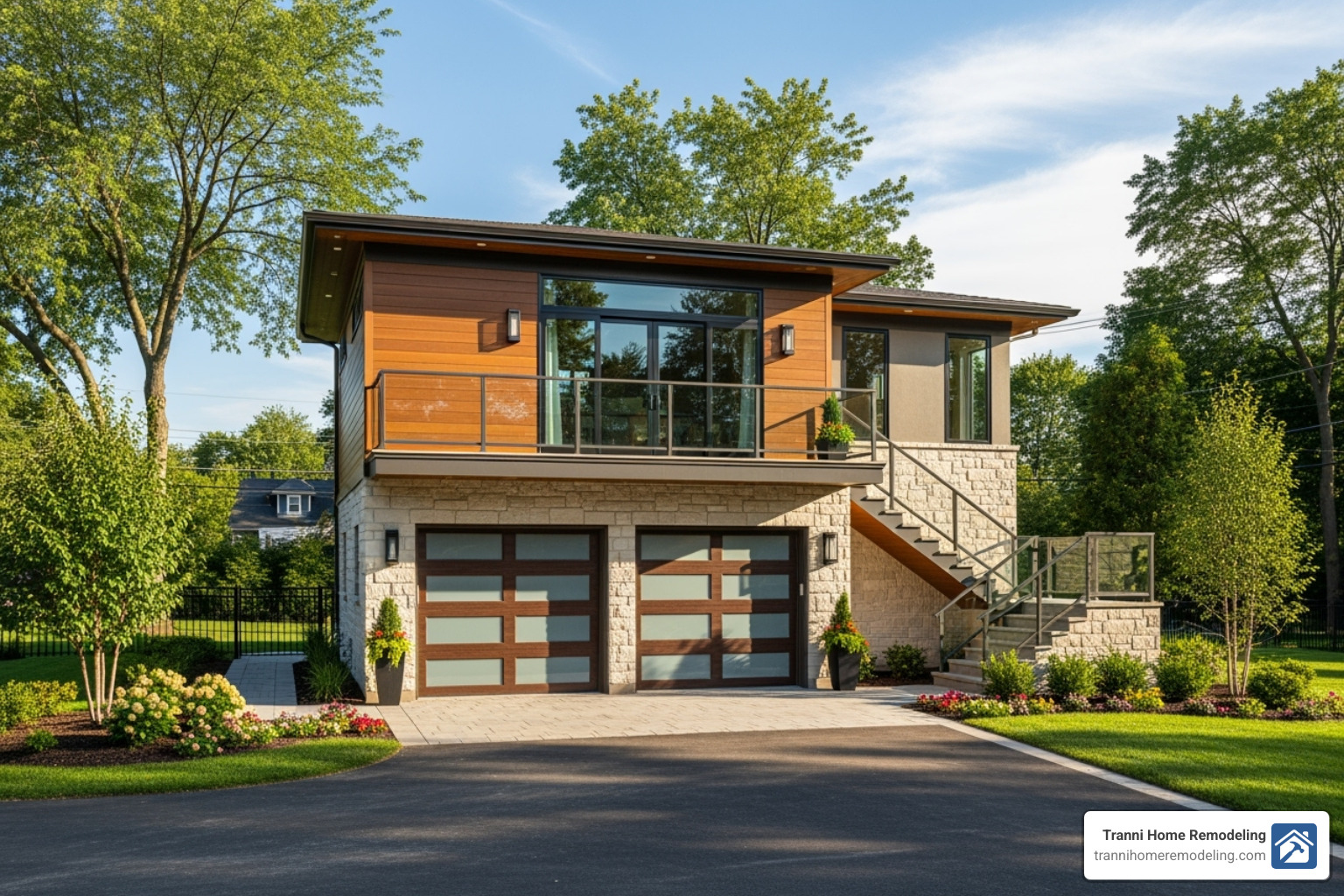
Building up instead of out is another smart option, especially if your lot size is limited. A 2 Story Attached Garage Addition gives you parking below and living space above—maybe a guest suite, home office, or teen hangout. We’ve seen this work beautifully in areas where property lines are tight. The second story could even become a room above the garage that adds serious value to your home.
Bump-outs are the smaller sibling of full additions. If you just need a few extra feet for a workbench or to fit a slightly larger vehicle, extending your existing garage might be all you need. These projects are typically faster and less disruptive—you might not even need to move out during construction.
Design and Material Options
Now comes the fun part—making your garage addition look like it’s always been part of your home. Nothing screams “afterthought” like a garage that doesn’t match the house.
Seamless integration starts with the details. Your contractor should be thinking about how the new structure flows with your existing home’s style. Is your house traditional colonial? Modern farmhouse? Classic New England? The garage should speak the same architectural language.
Matching your siding and roofing isn’t just about aesthetics—it’s about protecting your investment. When the materials complement each other, the addition improves your home’s curb appeal rather than looking like a tacked-on box. We always help homeowners source materials that either match perfectly or create an intentional, harmonious contrast.
Windows and garage doors carry more weight than you might think. They’re like the face of your addition. Traditional raised-panel doors work beautifully on colonial homes, while clean-lined modern doors suit contemporary architecture. Same goes for windows—their size, shape, and placement should echo what’s already on your house.
The foundation work might not be glamorous, but it’s literally what everything else sits on. Proper concrete work ensures your garage will stand strong for decades, handling everything from Massachusetts winters to summer heat without settling or cracking.
Framing choices—whether wood or steel—depend on your specific design and local building requirements. Wood framing is traditional and versatile, while steel offers extra strength for certain applications. Your contractor will recommend what works best for your project.
Insulation is where many people make mistakes by cutting corners. If you’re planning to heat your garage, work in it during winter, or build living space above it, proper insulation is non-negotiable. Even if you’re not heating it now, good insulation makes the space more comfortable year-round and protects against moisture issues. Homeowners in North Andover and Reading especially appreciate this when temperatures drop.
For more ideas on creating the perfect garage addition for home, consider how you’ll actually use the space day-to-day. That clarity will guide every decision that follows.
Step 2: Planning Your Project’s Budget, Timeline, and Legal Requirements
Understanding the practical aspects of a garage addition is key to a smooth process. This includes costs, local regulations, and scheduling – basically, everything that keeps the dream from becoming a nightmare. Let’s break down what you need to know before you reach out to garage addition contractors near me.
Factors Influencing Garage Addition Costs
Here’s the truth: the cost of adding a garage can vary wildly. These are average costs based on internet data and not actual costs for Tranni Home Remodeling. The average cost for garage building typically ranges from $15,000 to over $150,000, depending on various factors. In many markets, home additions can start around $200–$350 per square foot, but this can escalate quickly based on your choices.
Size and scope naturally play a huge role. A basic 2 car garage addition will differ significantly in price from an Ultimate 3rd Car Garage Addition Guide, not just in size but in structural requirements and foundation work. Think of it this way: more square footage means more materials, more labor, and more time.
Finishes and custom features are where costs can really take off. Basic finishes are more economical, but if you’re dreaming of custom cabinetry, epoxy flooring, smart home features, or a dedicated workshop space with specialty electrical, expect the costs to climb. Personalized finishes can make your garage truly unique but will definitely impact your budget. A heated and insulated garage with a finished interior will naturally cost considerably more than a basic single-car structure.
Electrical and plumbing needs add another layer of expense. Adding outlets, lighting, heating, or even a utility sink will require professional electrical and plumbing work, increasing the overall cost. If you’re planning to add living space above the garage, these systems become even more complex.
Site preparation is often overlooked but can be significant. If your chosen site requires extensive excavation, grading, tree removal, or dealing with challenging terrain, these preparatory steps will add to the cost. Building out is often simpler and slightly less expensive than building up, primarily due to less complex foundation and structural work.
Here’s something every experienced contractor will tell you: always factor in a contingency budget. We recommend setting aside around 10-15% of the total project cost for unexpected expenses. Trust us, something always comes up – it’s just the nature of construction! Whether it’s finding ledge during excavation or needing to upgrade electrical service, that cushion will save you stress.
Permits, Zoning, and Timelines
Navigating the bureaucratic maze of permits and zoning regulations can feel like a quest, but it’s absolutely essential. Most garage construction projects in Massachusetts require a building permit, and skipping this step can lead to serious headaches down the road.
Local building codes are your first consideration. Each municipality has specific requirements for construction, all of which must meet or exceed the standards set by the Massachusetts State Building Code. An experienced contractor will be intimately familiar with these.
Zoning regulations determine where you can build and how large your addition can be. These rules exist to maintain neighborhood character and ensure safety. Setback requirements – the minimum distance your structure must be from property lines – are particularly important and vary by location.
The typical project timeline runs 4-8 months from design to final inspection. This includes design and planning, permit application and approval, construction, and final inspections. The permit approval process alone can vary widely depending on your municipality, from a few weeks to several months. An experienced home addition contractor will be familiar with the process in towns like Wilmington, MA and Westford, MA, and can manage the application efficiently.
| Type of Garage Addition | Average Timeline (Design to Final Inspection) | Key Permit Needs |
|---|---|---|
| Single-Car Attached | 4-5 months | Building permit, electrical permit, possible zoning variance |
| 2-Car Attached | 5-6 months | Building permit, electrical permit, possible plumbing permit |
| Detached Garage | 5-7 months | Building permit, electrical permit, separate foundation inspection |
| Above-Garage Addition | 6-8 months | Building permit, electrical/plumbing permits, structural engineering approval |
Understanding these timelines and requirements upfront helps you plan realistically. When you start conversations with garage addition contractors near me, they should be able to explain the specific permit requirements for your project and municipality. This local knowledge is invaluable and can save you months of delays and frustration.
Step 1: Envisioning Your Perfect Garage Addition
Before you start your search for garage addition contractors near me, take a moment to get crystal clear on what you actually want to build. This isn’t just about picking a contractor and hoping for the best—it’s about painting a vivid picture of your dream garage so you can communicate it effectively and get accurate estimates. Think of this step as creating the blueprint for your vision before anyone lifts a hammer.
When you know exactly what you want, conversations with contractors become so much easier. Instead of vague descriptions like “I need more space,” you can say, “I want a two-car attached garage with a workshop area and storage for seasonal items.” That specificity makes all the difference.
Types of Garage Additions
Your first major decision is choosing the type of garage that fits your property and lifestyle. This choice ripples through everything else—design complexity, construction timeline, and yes, your budget. Each style has its own personality and practical benefits.
Attached garages are the workhorses of garage additions. Built directly onto your home, they offer that wonderful convenience of walking from your car into your kitchen without braving the elements. Picture yourself unloading groceries on a rainy November evening in Billerica, MA, or carrying a sleeping toddler inside without getting soaked. These garages typically share utilities with your main house and blend seamlessly with your existing architecture, which is why they’re so popular in communities like Wilmington, MA, and Tewksbury, MA.
Detached garages give you more creative freedom. As a standalone structure, you can place it wherever makes sense on your property and design it to either match your home perfectly or create an intentional contrast. They’re fantastic if you’re worried about vehicle noise or fumes reaching your living spaces. Many homeowners use them as dedicated workshops, art studios, or even potential rental units. Imagine having a private space away from the main house where you can restore a classic car or pursue woodworking without disturbing anyone.
If you’re working with a smaller lot, above-garage additions might be your secret weapon. Instead of expanding outward, you’re building up—adding a bedroom, home office, or guest suite directly above a new or existing garage. We’ve completed several projects like this in areas where lot sizes can be limited. One client created a beautiful in-law suite above their new two-car garage, giving their parents privacy while keeping them close. Another transformed their above-garage space into a teenager’s retreat, complete with a small kitchenette.
Bump-outs are the understated option that often gets overlooked. These aren’t full garage additions, but rather extensions of your existing garage—maybe adding six or eight feet to accommodate a workbench, extra storage, or a larger vehicle. They’re typically less disruptive, faster to complete, and allow you to stay comfortably in your home during construction.
An attached garage addition can genuinely transform your daily routine. For homeowners who want to maximize their investment, a 2 Story Attached Garage Addition delivers incredible versatility and value.
Design and Material Options
Once you’ve chosen your garage type, it’s time for the fun part—designing the details that make it yours. The golden rule here is seamless integration. A well-executed garage addition should look like it was part of the original house, not something awkwardly tacked on years later.
Matching your existing materials is where this magic happens. Your contractor should carefully select siding, brickwork, and roofing materials that either match your current home exactly or blend so harmoniously that the transition feels natural. This attention to detail dramatically improves your curb appeal and protects your property value.
The style of your windows and garage doors matters more than you might think. If your home has traditional six-over-six windows, modern casement windows on the garage will look jarring. Similarly, your garage door style—whether carriage-house, contemporary, or classic raised-panel—should complement your home’s overall aesthetic. Consistency creates that polished, intentional look.
Let’s talk about the bones of your garage. A solid concrete foundation isn’t just important—it’s absolutely essential. This is what keeps your entire structure stable and level for decades. Skimping here is never worth it.
Your contractor will recommend either wood or steel framing based on your design and structural needs. Wood framing is traditional, cost-effective, and works beautifully for most residential projects. Steel framing offers extra strength and durability, particularly useful for larger structures or above-garage living spaces.
Don’t overlook insulation, especially here in Massachusetts. Proper insulation keeps your garage comfortable year-round, protects stored items from temperature extremes, and significantly reduces energy costs if you’re heating or cooling the space. This is particularly important for above-garage living areas or workshop spaces you’ll use regularly. Homeowners in North Andover, MA, and Reading, MA, appreciate this investment when winter arrives.
For a complete picture of what’s possible with your project, explore all the options for a garage addition for home. The right design choices today create a space you’ll love for years to come.
Step 2: Planning Your Project’s Budget, Timeline, and Legal Requirements
Understanding the practical aspects of a garage addition is key to a smooth process. This includes costs, local regulations, and scheduling – basically, everything that keeps the dream from becoming a nightmare.
Factors Influencing Garage Addition Costs
The cost of adding a garage can vary widely, much like the weather in Massachusetts! Let me be upfront: these are average costs based on internet data and not actual costs for Tranni Home Remodeling. Every project is unique, and your actual investment will depend on your specific vision and circumstances.
The average cost for garage building typically ranges from $15,000 to over $150,000, depending on various factors. In many markets, home additions can start around $200–$350 per square foot, but this can escalate quickly based on your choices. Think of it as building a custom suit versus buying off the rack – the personalization comes with a price tag.
Size and scope naturally play the biggest role. A 2 car garage addition will differ significantly in price from an Ultimate 3rd Car Garage Addition Guide, not just in square footage but in structural requirements, foundation work, and material quantities. More space means more materials, more labor hours, and a longer timeline.
Finishes and custom features can transform a basic garage into something extraordinary. Basic finishes are more economical, but if you’re dreaming of custom cabinetry, epoxy flooring, smart home features, or a dedicated workshop space with specialized electrical, expect the costs to climb. Personalized finishes can make your garage truly unique but will impact your budget. One homeowner in Billerica recently added heated floors and custom storage systems – beautiful, functional, and yes, a bit more investment.
Electrical and plumbing needs add another layer of complexity and cost. Adding outlets, lighting, heating, or even a utility sink will require professional electrical and plumbing work, increasing the overall expense. If you’re planning to convert part of the space into living quarters or a workshop, these systems become even more critical.
Site preparation is often an overlooked cost factor. If your chosen site requires extensive excavation, grading, tree removal, or dealing with challenging soil conditions, these preparatory steps will add to the cost. Building out is often simpler and slightly less expensive than building up, primarily due to less complex foundation and structural work. However, if your lot has limited space or steep grades, building up might actually be the smarter choice despite the added complexity.
Here’s something I always tell homeowners: always factor in a contingency budget. We recommend setting aside around 10-15% of the total project cost for unexpected expenses. Trust us, something always comes up – it’s just the nature of construction! Maybe the soil conditions aren’t what we expected, or perhaps you decide halfway through that you really do want that extra window. Having that financial cushion means you won’t lose sleep over these inevitable adjustments.
Permits, Zoning, and Timelines
Navigating the bureaucratic maze of permits and zoning regulations can feel like a quest, but it’s absolutely essential. Most garage construction projects in Massachusetts require a building permit, and experienced garage addition contractors near me will handle this process for you.
Local building codes govern everything from foundation depth to electrical wiring to fire safety. These aren’t arbitrary rules; they are based on the statewide Massachusetts State Building Code and are designed to keep your family safe and protect your investment. An experienced contractor knows these codes inside and out, ensuring your project meets all requirements the first time.
Zoning regulations vary significantly from town to town. These regulations dictate where you can build, how close to property lines, maximum height restrictions, and sometimes even aesthetic requirements. Local knowledge matters here – a contractor familiar with your specific town’s requirements can save you months of headaches.
Setback requirements determine how close you can build to your property lines, neighboring structures, and even wetlands or conservation areas. Violating these can mean tearing down work and starting over, which is why getting it right from the beginning is crucial. Towns like Wilmington, MA and Westford, MA each have their own specific setback rules.
The typical project timeline runs about 4-8 months from initial design to final inspection. This includes design and planning (4-6 weeks), permit application and approval (2-8 weeks depending on your municipality), foundation and framing (2-4 weeks), exterior finishes including roofing, siding, and windows (2-3 weeks), and interior work and inspections (2-4 weeks).
The permit timeline can be the wild card in your schedule. Some municipalities process permits in a few weeks, while others can take several months, especially during busy building seasons. An experienced home addition contractor familiar with local towns will be familiar with the typical approval timeline and can manage the application efficiently, keeping your project on track.
One homeowner recently shared with us: “I was shocked to learn that the permit process alone took three months! But Tyler’s team had warned us and adjusted the schedule accordingly, so we weren’t caught off guard.” That’s the kind of realistic planning that prevents frustration and disappointment.