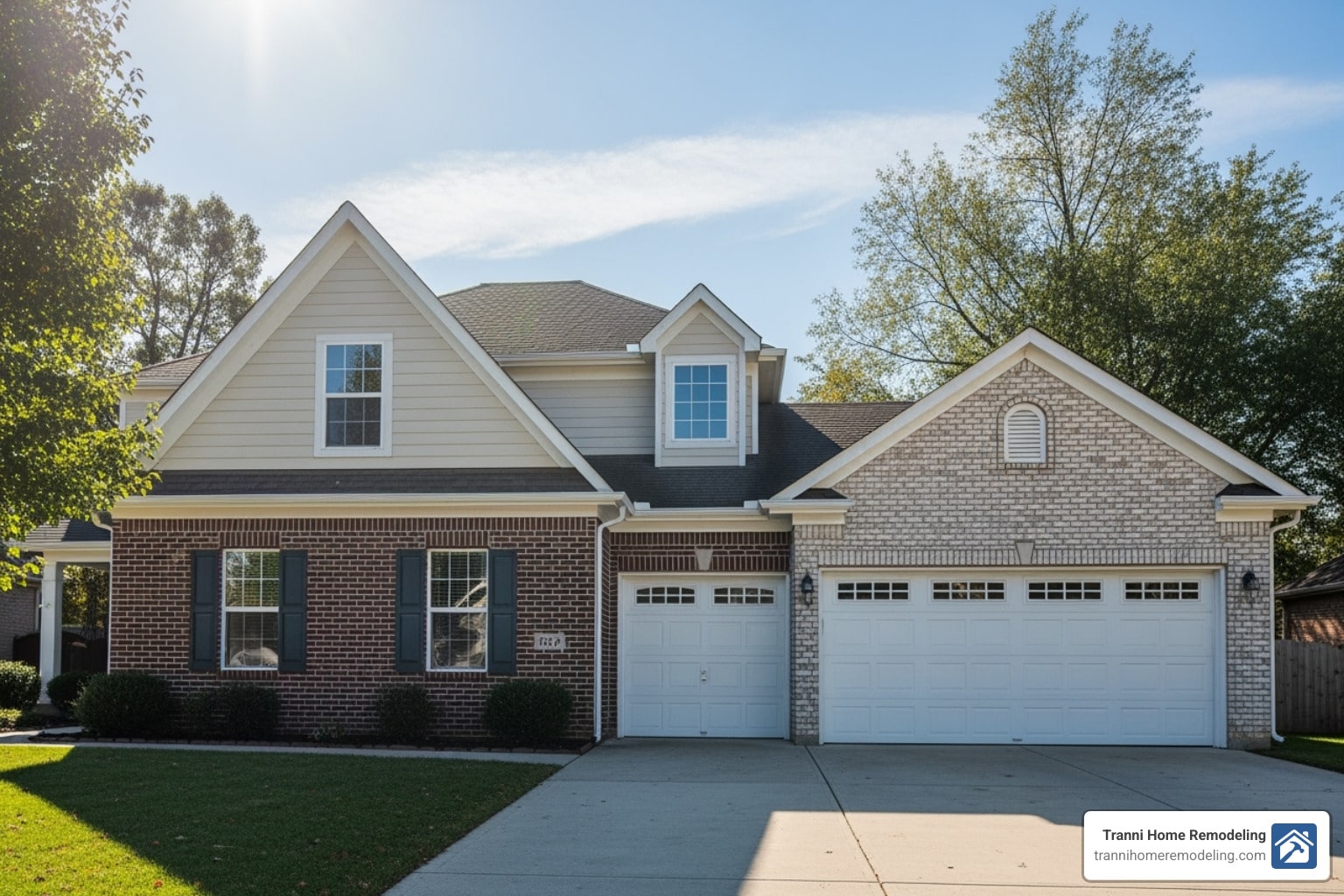





3rd Car Garage Addition: Boost Value 2025
Why Add a Third Garage Bay?
A 3rd car garage addition is a practical way to expand your home’s storage and functionality. Homeowners often consider an addition when they need space for a new vehicle, want a dedicated workshop, or need to reclaim living space from recreational equipment. The good news is that adding a third bay is often more affordable than building an entirely new detached garage.
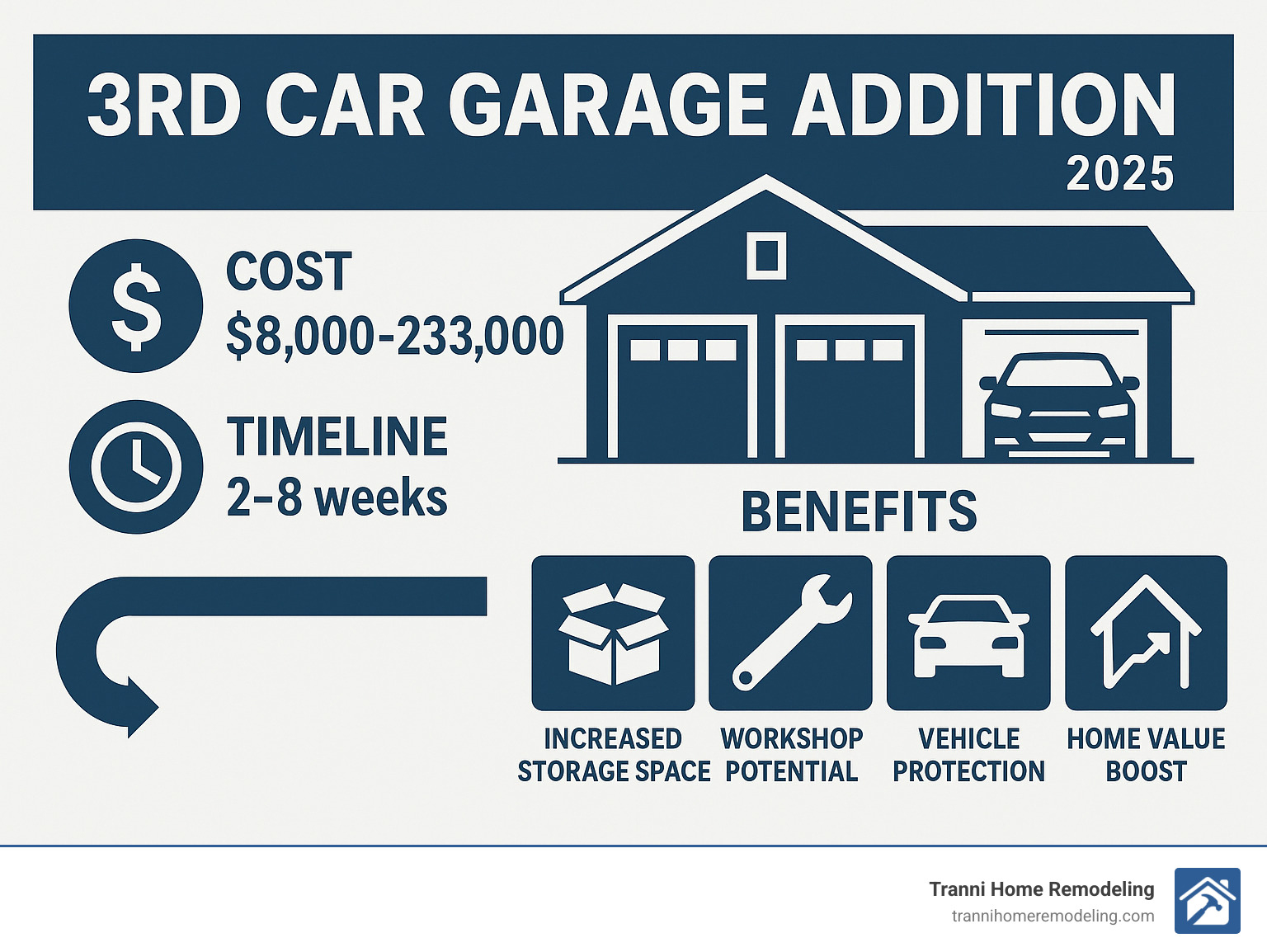
Quick Answer: 3rd Car Garage Addition Options
- Extension Cost: $8,000-$23,000+ (based on internet averages)
- Standard Dimensions: 10′ x 20′ for basic third bay
- Popular Types: Attached extension, side-entry, tandem depth
- ROI: 75-85% investment recovery typical
- Timeline: 2-8 weeks depending on complexity
Based on internet data, converting a 2-car garage to a 3-car garage can cost between $8,000 to $14,000 for a basic 10×20 feet extension, though costs can be much higher for premium materials. The investment often pays off, as you can typically recoup 75% to 85% of the cost through increased home value.
I’m Tyler Tranni, owner of Tranni Home Remodeling, and I’ve helped numerous homeowners in the Billerica area with their 3rd car garage addition projects. My team specializes in seamlessly integrating new garage bays with existing home architecture, ensuring your addition looks like it was always part of your original design.
3rd car garage addition basics:
Planning Your Addition: Design, Dimensions, and Features
Thoughtful planning is the secret to a successful 3rd car garage addition. The goal is to create a space that improves your home’s functionality while looking like it was always meant to be there. This is especially important in communities like Woburn, MA, where architectural consistency protects your home’s curb appeal and value.
Typical Dimensions for a 3rd Car Garage Addition
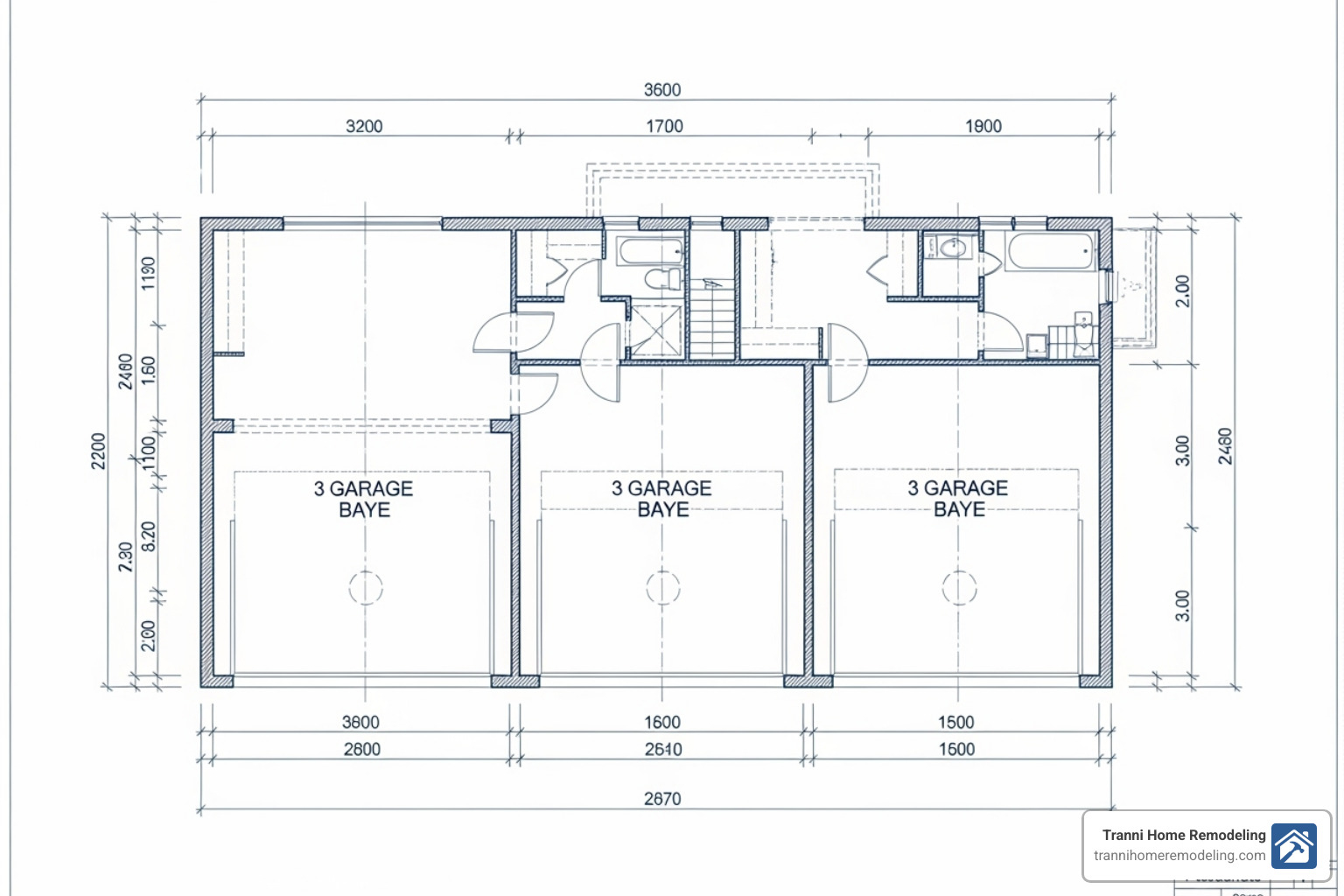
While a basic 10×20 foot bay is standard, modern vehicles are larger. For comfortable access and storage, I recommend at least 12 feet wide by 22-24 feet deep for each bay. This provides ample room for larger SUVs and trucks without feeling cramped.
Ceiling height is another crucial consideration. While 8-foot ceilings are common, upgrading to 9 or 10 feet opens up possibilities for overhead storage or even a future car lift. For car lifts specifically, you’ll need at least 11-12 feet of clearance.
The total square footage for a complete 3-car garage typically ranges from 600 to 1,200+ square feet.
Garage Layouts and Plan Types
When it comes to layout options for your 3rd car garage addition, you have several choices depending on your lot, home layout, and intended use.
- Attached extensions are often the most cost-effective, as they share walls and utilities with the existing structure.
- Detached garages are a great option if you lack space next to the house or want a separate workshop.
- Side-entry garages can improve curb appeal by hiding garage doors from the front facade, but they require a wider lot.
- Tandem depth garages work well for narrow lots by extending one bay deeper to park two cars nose-to-tail.
- Drive-through bays offer the convenience of pulling through to the backyard.
- Plans with lofts or bonus rooms above the garage maximize space, creating home offices or extra storage.
Popular configurations include three individual front-facing bays, a double-wide door paired with a single, and integrated workshop spaces.
Popular Design Styles and Customization
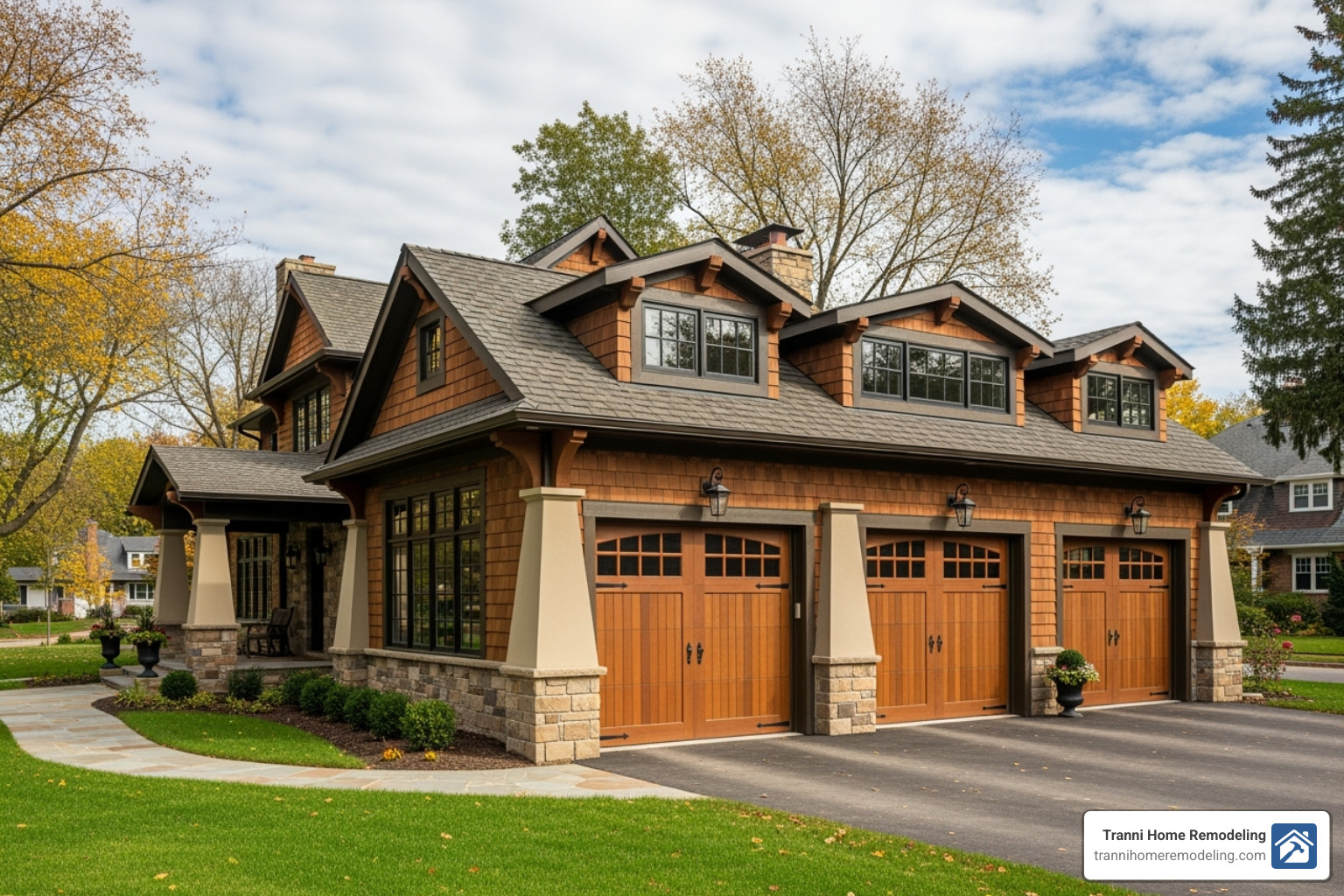
The best garage additions are indistinguishable from the original home. This means matching your existing home architecture, whether it’s colonial, Cape Cod, or contemporary. Material matching is key. We carefully select siding (vinyl, wood, brick) and roofing materials that complement your existing exterior.
Details like window styles, trim profiles, and exterior paint colors are critical for a cohesive look. For those planning a workshop area, we can design custom layouts with built-in workbenches and proper electrical service. A popular feature that adds tremendous value is connecting the garage to the house with a mudroom entry, which helps contain clutter.
For these custom details, our fine carpentry services ensure a perfect finish. A 3rd car garage addition should improve your entire home experience, not just add a parking spot.
Understanding the Costs of a 3rd Car Garage Addition
Understanding the investment for a 3rd car garage addition is crucial for planning. The costs shared here are national averages based on internet data and can vary significantly. For an accurate quote for your home in areas like Burlington, MA, a consultation with a local professional is the best approach.
Average Costs and Return on Investment
The cost for a third garage bay varies widely. Based on internet averages, a basic addition can range from $8,000 to $23,000. However, custom projects with premium materials and features can easily climb to $40,000, $80,000, or even $120,000 or more. The cost per square foot typically runs between $40 to $70, but this can be pushed higher by complex work or high-end materials.
Fortunately, a 3rd car garage addition is a smart home improvement. You can typically expect to recoup 75% to 85% of your investment through increased home value. You’re not just adding convenience; you’re building equity in your property.
For more details about our comprehensive home addition services, we can discuss how to maximize your investment and satisfaction.
Key Factors That Influence the Final Price
Several factors can dramatically impact your final costs:
- Foundation Type: A simple concrete slab ($4-$25/sq ft) is more affordable than a complex foundation with frost walls or basement integration.
- Site Preparation: Costs increase if we need to clear trees, manage difficult terrain, or work in tight spaces.
- Demolition: Removing existing exterior walls typically runs $1,200 to $3,000 before new construction begins.
- Material Choices: Basic vinyl siding ($3-$12/sq ft) is less expensive than brick ($10-$20/sq ft) or natural stone ($7-$30/sq ft). The same applies to roofing, with asphalt shingles costing less than metal or tile.
- Electrical and Plumbing: Basic lighting and outlets are affordable. Dedicated circuits for tools, smart home features, or plumbing for a sink will increase costs. Our electrical services team can outline the requirements for your project.
- Interior Finishing: An unfinished garage is the most budget-friendly option. Adding insulation, drywall, flooring, and climate control will increase the investment.
Navigating Permits and Local Regulations
The permit process can be complex and take anywhere from a few weeks to several months, with costs typically ranging from $200 to $1,500. Every town has its own building codes, zoning laws, and setback requirements that dictate size, height, and placement.
In many local towns, these requirements can be quite specific. Professional plans, often requiring a structural engineer’s stamp, are almost always necessary and add 1% to 20% to the project budget. Trying to cut corners on planning and permits often backfires. An experienced contractor who knows how to work with local inspectors is invaluable.
We handle this entire process for our clients, leveraging our experience with local requirements to avoid costly delays.
Construction and Execution: From Foundation to Finishing Touches
This phase is where your 3rd car garage addition comes to life. Careful execution is required to ensure the new space is structurally sound, starting from the ground up.
Foundation and Structural Requirements
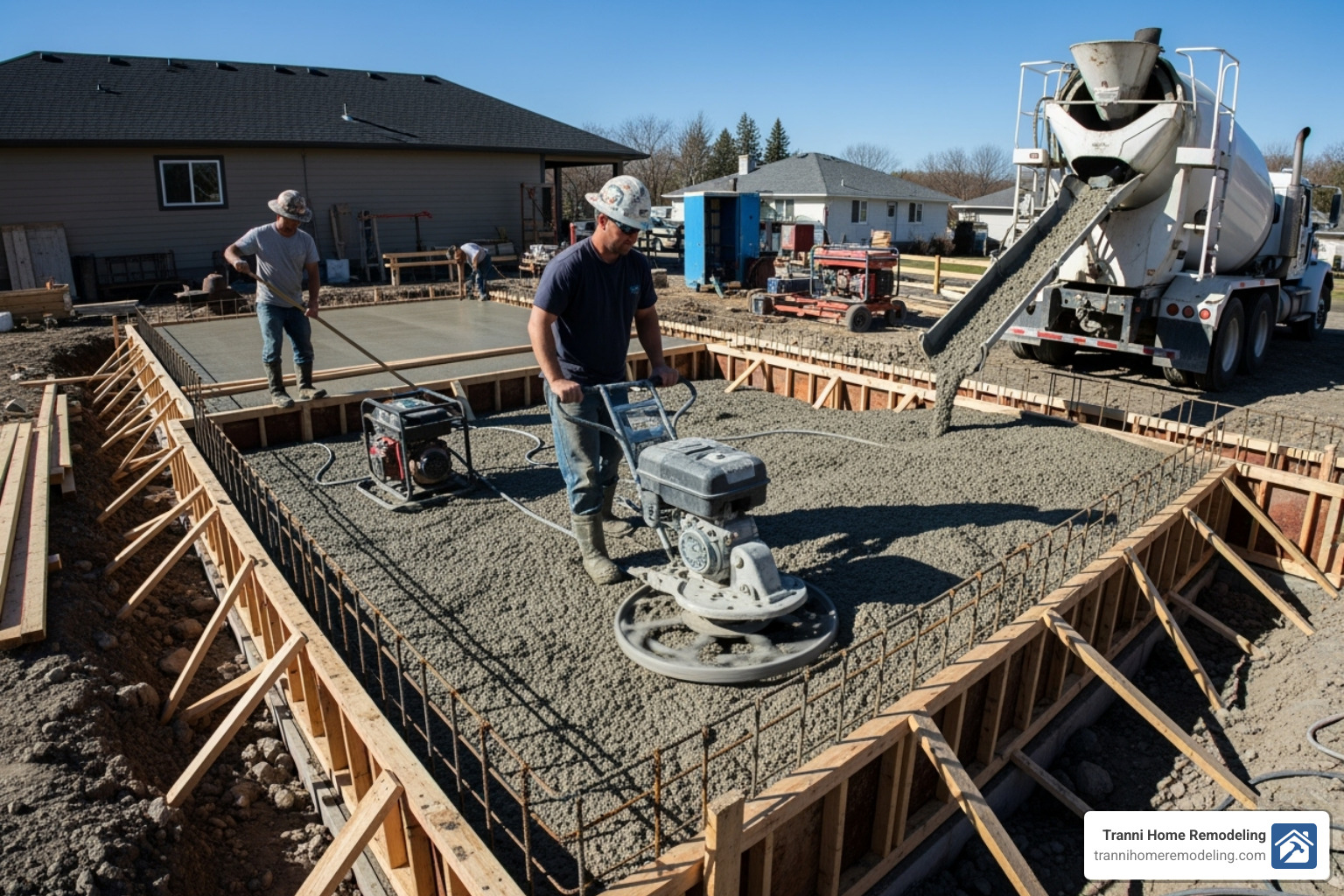
The foundation is critical. Most 3rd car garage additions use a concrete slab, but in Massachusetts, the foundation must extend below the 4-foot frost line to prevent shifting. This is achieved with deep concrete footings or frost walls.
The trickiest part is tying into your existing structure to create a seamless structural connection. Our team carefully integrates the new foundation with your home’s current foundation for proper stability. We also take special care to match existing roof lines and ensure proper drainage, sometimes using steel beams for support. The goal is an addition that looks original to the home.
For more on our approach, see our attached garage additions services.
Choosing Garage Doors and Openers
Garage doors are a key visual feature. For a 3-car setup, you can choose three individual single doors or a combination of one double door and one single door.
- Materials: Steel offers durability, wood provides a classic look, aluminum suits modern designs, and fiberglass resists dents. Many doors now feature insulated steel with composite overlays for the look of wood with the durability of steel.
- Insulation (R-value): If you plan to heat the garage or use it as a workshop, an insulated door is essential for temperature control and energy efficiency.
- Styles: Options include traditional carriage house doors, versatile raised-panel doors, and sleek modern glass or aluminum doors.
- Openers: Belt-drive models are quiet, while chain-drive openers are economical. Smart openers offer remote control via your smartphone.
If you might install a car lift later, specify high-lift tracks during construction to ensure you have enough vertical clearance.
We help you select doors that fit your functional needs and home’s design. Learn more about our windows and doors services.
Common Mistakes to Avoid with a 3rd Car Garage Addition
With proper planning, common mistakes are preventable.
- Poor Planning: Rushing into construction without considering future needs, like higher ceilings or extra electrical circuits, is more costly to fix later.
- Mismatched Design: An addition should match the home’s roof pitch, window styles, and trim. When done right, it should look like it was always there.
- Ignoring Codes and Permits: This can lead to fines, stop-work orders, or even demolition requirements, and causes issues when selling your home.
- Underestimating Costs: Budgets should account for permits, site prep, and finishes, not just basic construction. Always plan for contingencies.
- Choosing the Wrong Contractor: Always verify licenses, insurance, and references. An unusually low price often signals future problems.
- Skimping on Materials: Using quality materials for structural components, roofing, and finishes ensures your addition will last.
Avoiding these pitfalls ensures your 3rd car garage addition is a successful investment. See examples of our work in our garage additions gallery.
DIY vs. Hiring a Professional Home Addition Contractor
While the idea of saving money with a DIY 3rd car garage addition is tempting, it’s important to understand the project’s complexity before you begin.
The DIY Challenge: What Can You Realistically Handle?
While a DIY approach might save on labor costs, a garage addition is not a typical weekend project. Simple tasks like painting, organizing storage, or installing shelving are manageable for most handy homeowners.
However, the project’s core demands professional expertise. A 3rd car garage addition requires knowledge of structural engineering, foundation work, and complex roof framing. A miscalculation could compromise your home’s integrity. Navigating local building codes and inspections is also a significant challenge, and specialized trades like electrical and plumbing work require licensed professionals for safety and compliance.
The time commitment alone can be overwhelming, potentially turning your property into a construction zone for months.
The Professional Advantage: Ensuring Quality and Compliance
Working with an experienced professional pays off. With over a decade of experience in home additions, we understand how to manage complex projects and avoid costly problems.
Our team provides:
- Expertise and Experience: We know how to integrate new construction with existing homes seamlessly.
- Access to Skilled Trades: We have a network of licensed electricians, roofers, and other specialists to ensure every part of the job meets professional standards.
- Project Management: We coordinate schedules and material deliveries to keep the project moving efficiently.
- Code Compliance: We handle all permit applications and inspections, navigating the specific requirements in towns like Wilmington, Tewksbury, and Chelmsford.
- High-Quality Craftsmanship: We ensure your new garage bay looks like it was always part of your home.
For a major investment like a 3rd car garage addition, the peace of mind that comes with professional execution is invaluable. Learn more about how our home addition contractors can bring your vision to life.
Frequently Asked Questions about 3-Car Garage Additions
How much value does a 3-car garage add to a home?
A well-built 3rd car garage addition can significantly boost your property’s market value and appeal. Reports suggest a 75% to 85% return on investment. The added value comes from improved functionality, storage, and curb appeal. Homes with ample garage space are highly sought after in areas like North Andover, MA, or Reading, MA. From a buyer’s perspective, a well-built attached garage addition is a tangible asset that makes your home stand out.
How long does it take to build a garage addition?
The timeline depends on several factors. Permits can take weeks or months to secure, depending on the municipality. Design complexity, site conditions, and weather also impact the schedule. Once permits are approved, the actual construction of a straightforward 3rd car garage addition typically takes 2 to 8 weeks. The entire process, from design to completion, usually spans several months.
Is it cheaper to add a third bay or build a new detached garage?
In most cases, extending your existing garage is more budget-friendly. An addition can often use existing walls and utilities, which cuts down on material and labor costs. Site preparation and foundation work are also typically less extensive than for a new standalone building. While adding a third bay during new construction might add around $10,000 to a home’s cost, an addition to an existing home typically ranges from $8,000 to $23,000 (based on internet averages). A completely new detached garage generally starts at a higher price point.
Start Your Garage Expansion Project Today
A 3rd car garage addition is more than a parking spot; it’s an investment in your home’s value and functionality. Whether you need a workshop, storage, or protection for another vehicle from New England winters, an addition provides versatile space that adapts to your family’s needs.
An addition can transform a family’s daily routine by clearing out a cluttered basement or finally making room for long-awaited workshop projects. The beauty of a 3rd car garage addition lies in its versatility—it can serve as a home gym, art studio, or simply a safe place for your vehicles.
What I love most is seeing a finished addition that looks like it was always meant to be there, seamlessly integrated with the home’s architecture. That’s the difference professional craftsmanship makes, and it’s what we’ve delivered to families throughout Middlesex County for over a decade.
If you’re ready to explore what’s possible for your home, our experienced team at Tranni Home Remodeling is here to guide you. We’ll ensure your 3rd car garage addition exceeds your expectations while adding lasting value to your property.
Let’s make room for car number three. For more information, explore our home additions services.
Like us on Facebook!