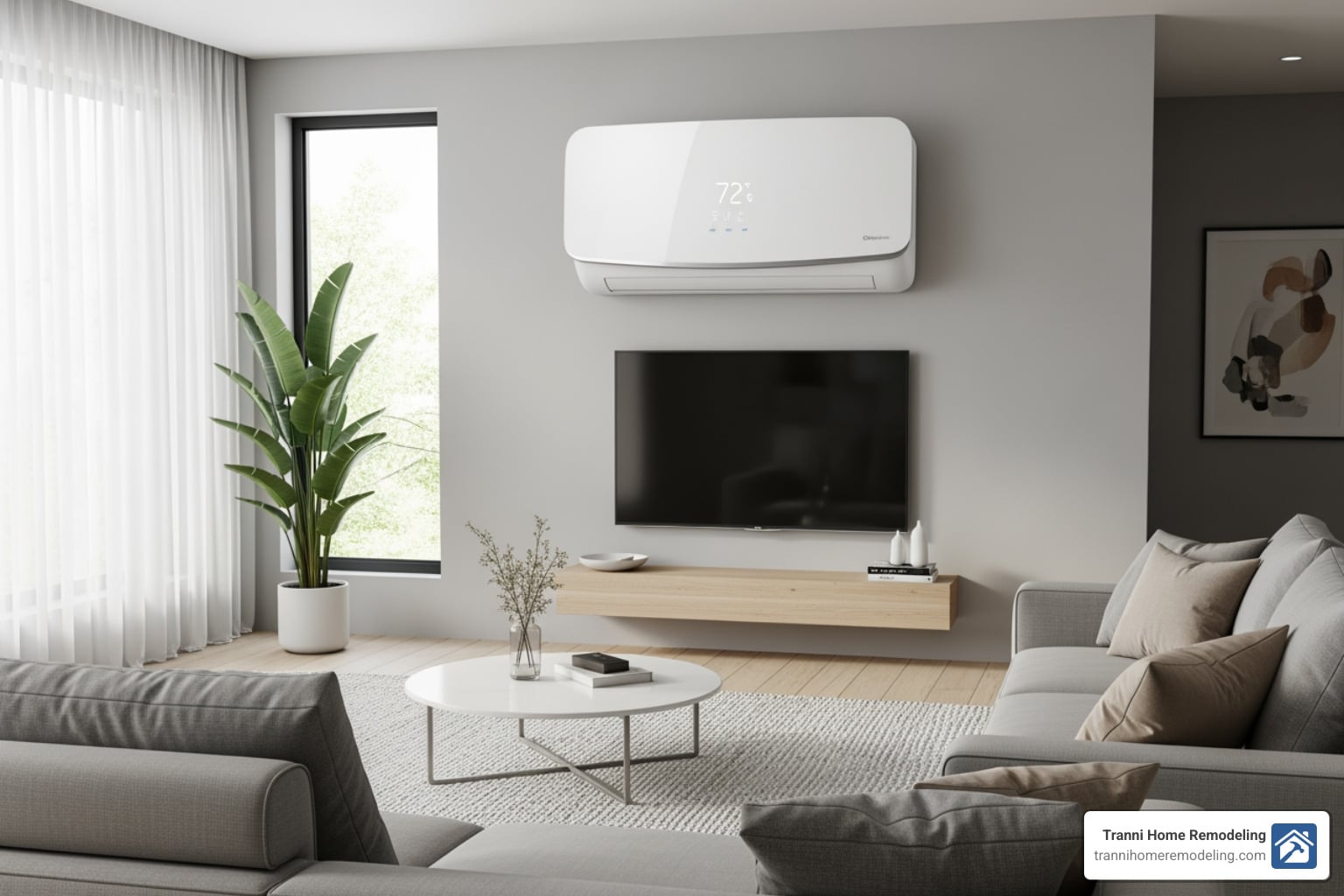





Why Mini Split Heating Units Are Changing Home Comfort in Massachusetts
Mini Split Heating Units are ductless heating and cooling systems that offer homeowners an energy-efficient alternative to traditional HVAC. Here’s what you need to know:
Key Features:
- What they are: Ductless systems with an outdoor compressor connected to one or more indoor air handlers
- How they work: Transfer heat using refrigerant lines instead of ductwork
- Best for: Room additions, older homes without ducts, garages, sunrooms, and creating zoned comfort
- Efficiency: SEER2 ratings up to 35 (vs. 15.2-25 for ducted systems)
- Savings: Eliminate 30%+ energy loss from ductwork
- Climate: Modern units heat effectively down to -22°F
- Lifespan: 10-15 years with proper maintenance
- Cost: Average $7,500 (range $1,200-$17,000) with federal tax credits up to $2,000 available
Popular in Massachusetts towns like Lexington and Concord, these systems solve the common problem of adding climate control where ductwork isn’t feasible. Unlike central air, which loses energy through ductwork, mini splits deliver conditioned air directly into your living space. The “split” design features an outdoor unit connected to one or more indoor units.
The real game-changer is independent room control. A multi-zone mini split lets you set different temperatures in different rooms, saving energy by not conditioning the entire house. I’m Tyler Tranni, owner of Tranni Home Remodeling in Billerica, MA. We frequently integrate Mini Split Heating Units into renovation projects, especially for home additions or older properties lacking ductwork.
Explore more about Mini Split Heating Units:
Understanding How Mini-Split Heat Pumps Work
Understanding how a system works is key to appreciating its benefits. Mini Split Heating Units might seem complex, but their operation is simple and efficient.
What is a Mini-Split System?
A mini-split, or ductless heat pump, is a compact HVAC solution for efficiently heating and cooling specific areas. The “split” name refers to its two main parts: an outdoor unit with the compressor and an indoor air handler that distributes conditioned air. These are connected by a small conduit containing power and refrigerant lines, requiring only a three-inch hole through a wall. This ductless design makes mini-splits versatile and efficient.
How Does a Mini-Split Provide Heating and Cooling?
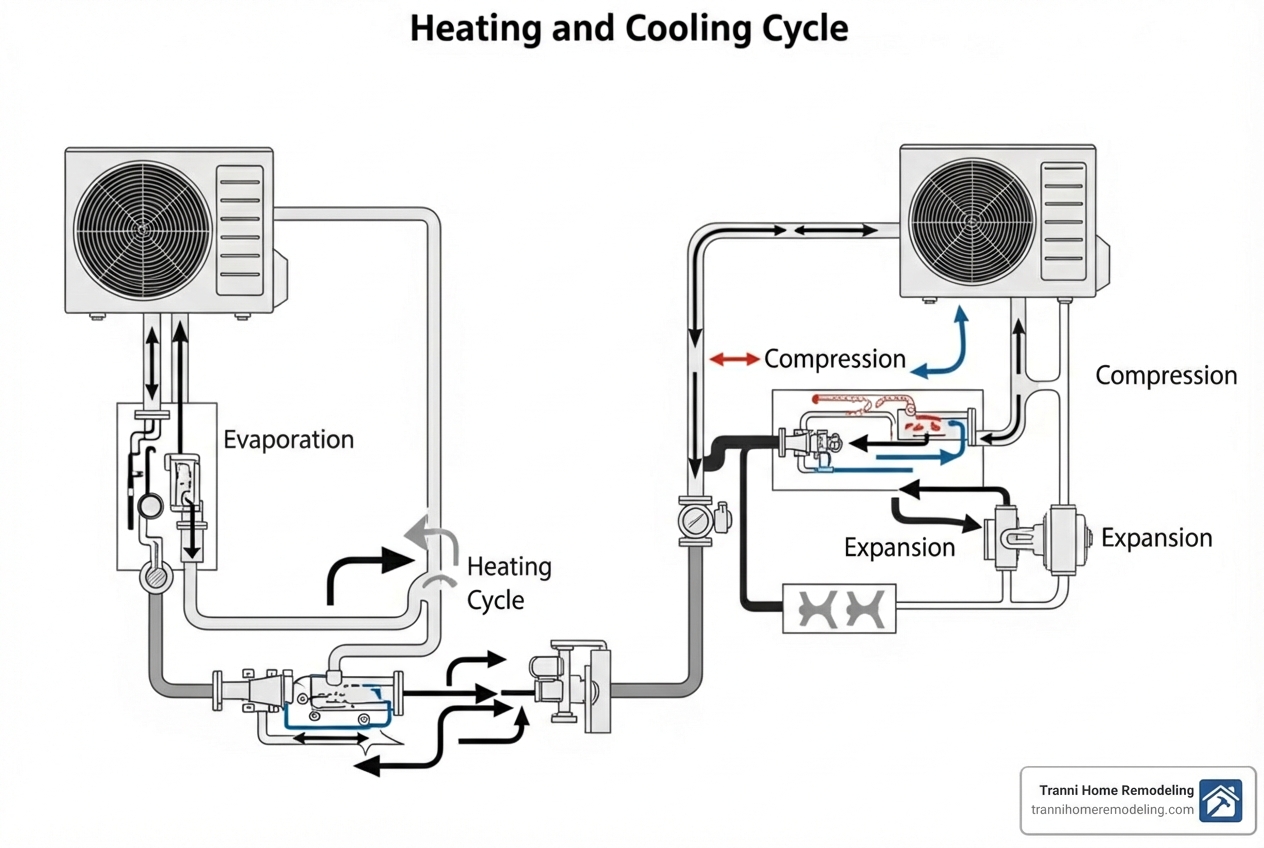
The magic of a mini-split is its ability to transfer heat rather than generate it. In cooling mode, the indoor unit absorbs heat from your home’s air, which is transferred via refrigerant to the outdoor unit and released outside. In heating mode, the process reverses. The outdoor unit extracts heat from the outside air—even when it’s cold—and the refrigerant carries it inside to warm your space. This process is managed by a reversing valve. Because they move heat instead of creating it, these all-electric systems are incredibly energy-efficient and don’t burn fossil fuels, a benefit we’re proud to offer clients in areas like Dracut, MA, and Tewksbury, MA.
Mini-Split Heat Pump vs. a Standard Air Conditioner
A standard mini-split air conditioner is a cooling-only unit. A mini-split heat pump, however, provides both highly efficient heating and cooling from a single system. It can reverse its cycle to either cool your home in the summer or heat it in the winter. Most modern Mini Split Heating Units we install are heat pumps, offering year-round climate control.
Compared to central air, mini-splits eliminate the significant energy losses (often over 30%) that occur in ductwork. They also offer zoned control, allowing you to heat or cool individual rooms, unlike central systems that typically condition the entire house to one temperature. This precision leads to substantial energy savings and improved comfort.
Key Advantages and Potential Drawbacks
When considering a new heating and cooling solution for your home in places like Andover, MA, or North Reading, MA, it’s important to weigh both the benefits and potential downsides. Mini Split Heating Units offer a compelling package for most homeowners.
Why Choose a Mini-Split Over Traditional HVAC?
The advantages of a mini-split system over a traditional ducted setup often translate into significant long-term benefits.
- Superior Energy Efficiency: Mini-splits eliminate the energy waste common in ducted systems, where over 30% of conditioned air can be lost. With some models reaching high SEER2 ratings, they use less power to deliver temperature-controlled air directly where it’s needed.
- Zoned Temperature Control: Each indoor unit can be controlled independently, allowing you to customize temperatures in different rooms. This improves comfort and saves energy by only conditioning the spaces you use.
- Flexible and Easy Installation: Installation is far less invasive than traditional systems. Requiring only a small three-inch hole, they are ideal for older homes in Winchester, MA, or for new home additions where extending ductwork is impractical.
- Quiet Operation: The loudest components are in the outdoor unit, while the indoor units operate at whisper-quiet levels, ensuring a peaceful home environment.
- Cost Savings: While the initial investment can be higher, the significant long-term energy savings from a highly efficient, zoned system can substantially reduce your monthly utility bills.
You can learn more about the advantages of these systems here: Ductless Mini-Split Air Conditioners.
Benefits for Indoor Air Quality and Eco-Friendliness
Beyond comfort and efficiency, Mini Split Heating Units offer notable advantages for your home’s health and the environment.
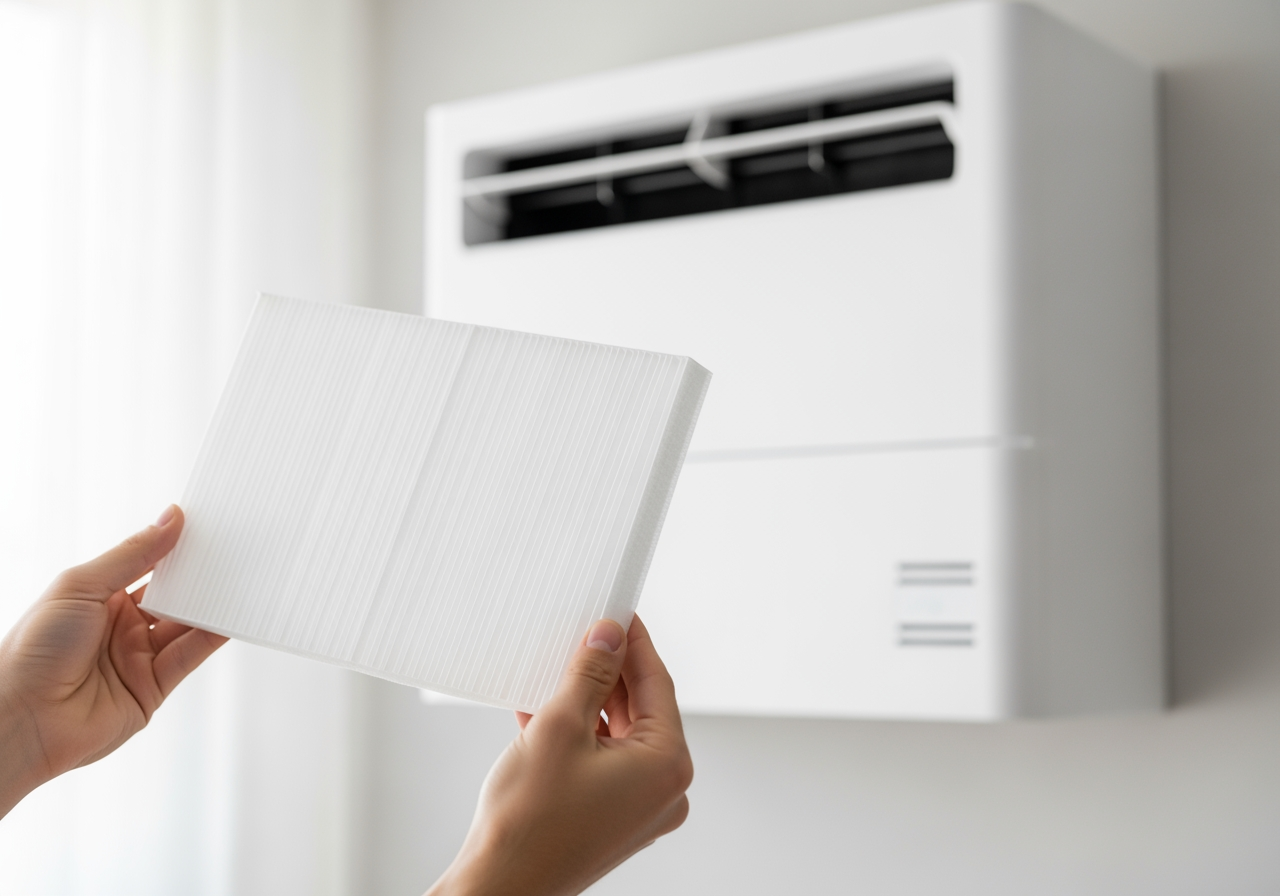
- Improved Indoor Air Quality: Ducted systems can accumulate dust and allergens. Mini-splits avoid this, using multi-stage filtration in each unit to trap particles and provide cleaner air directly. This is a great benefit for families in areas like Carlisle, MA, or Westford, MA.
- Eco-Friendly Operation: As all-electric systems, mini-splits don’t burn fossil fuels, reducing your home’s carbon footprint. Their high efficiency also means less electricity consumption, contributing to energy conservation.
What Are the Potential Disadvantages?
While we are fans of Mini Split Heating Units, it’s important to consider a few potential drawbacks:
- Higher Initial Investment: The upfront cost can be higher than some traditional systems, especially for multi-zone setups. However, this is often offset by lower operating costs and available rebates.
- Aesthetics of Indoor Units: The visible indoor units on walls or ceilings can be a concern for some homeowners, though manufacturers offer sleek, modern designs.
- Regular Filter Maintenance Required: To maintain efficiency and air quality, the filters in each indoor unit need regular cleaning (typically every 1-3 months).
- Proper Sizing is Critical: A mini-split must be professionally sized for the space. An improperly sized unit will operate inefficiently and reduce comfort.
Choosing the Right System: Types, Sizing, and Efficiency
Selecting the perfect Mini Split Heating Unit for your home in Lincoln, MA, or Middleton, MA, involves choosing the right configuration, size, and efficiency level. We can guide you through these key decisions.
Types of Mini-Split Systems: Single-Zone vs. Multi-Zone
Your first decision is whether you need to condition a single area or multiple rooms.
-
Single-Zone Mini-Splits: One outdoor unit connects to one indoor unit. Ideal for a single area like a new home addition, converted garage, sunroom, or a problem room that’s always too hot or cold.
-
Multi-Zone Mini-Splits: A single outdoor unit powers two to eight indoor units, creating independent temperature zones. Perfect for whole-home solutions without ductwork or for providing personalized comfort in multiple rooms during a major renovation, such as a kitchen remodeling and bathroom remodeling project.
Selecting an Indoor Unit Style
Indoor units come in various styles to match your home’s decor and functional needs.
- Wall-Mounted Units: The most common style, mounted high on a wall for effective and discreet air delivery.
- Ceiling Cassettes: Installed flush with the ceiling, with only a grille visible. Great for limited wall space.
- Floor-Mounted Consoles: Sit low on a wall, similar to a radiator. A good option for rooms with sloped ceilings.
- Slim-Ducted Units: Concealed in the ceiling, these connect to small vents for a traditional look with ductless benefits.
Understanding Energy Efficiency Ratings for Mini Split Heating Units
To predict your energy savings, it’s important to understand a few key efficiency ratings:
- SEER/SEER2 (Seasonal Energy Efficiency Ratio): Measures cooling efficiency over a season. Higher is better.
- HSPF/HSPF2 (Heating Seasonal Performance Factor): Measures heating efficiency over a season. Higher is better for Massachusetts winters.
The “2” indicates updated, more accurate testing procedures. Higher ratings mean a more efficient system and lower energy bills. Modern systems use inverter technology, which allows the compressor to adjust its speed continuously rather than cycling on and off. This improves efficiency, maintains consistent temperatures, and reduces wear and tear. You can explore more about energy-efficient solutions here: Ductless Heating & Cooling.
Sizing Your System (BTU) and Cold Climate Performance
Choosing the right size, or capacity, is crucial for performance. Capacity is measured in BTUs (British Thermal Units). A system that’s too small will struggle, while one that’s too large will short-cycle, wasting energy and reducing comfort.
Factors we consider when sizing your system include room size, insulation, window count, local climate (like in Burlington, MA), and internal heat gains. A professional Manual J calculation is the best way to determine the exact BTU capacity your home needs.
Regarding cold climate performance, modern Mini Split Heating Units are specifically designed for cold climates. These advanced models can provide effective heating even when temperatures drop well below freezing. For example, some systems can heat efficiently at -22°F. For homeowners in Massachusetts, these cold-climate mini-splits are a viable primary heat source, though a backup system might be considered in the most extreme conditions for added peace of mind.
Installation, Cost, and Maintenance of Mini Split Heating Units
Understanding the practical aspects of installation, cost, and maintenance is crucial when deciding if a Mini Split Heating Unit is right for your home.
Installation Requirements and Process
While mini-split installation is less invasive than traditional HVAC, it requires professional expertise to ensure safety, efficiency, and warranty validity.
Key requirements include:
- Minimal Wall Penetration: A small, three-inch hole through an exterior wall connects the indoor and outdoor units, avoiding the need for extensive ductwork. This is ideal for older homes in Chelmsford, MA, and Wilmington, MA.
- Outdoor Unit Placement: The outdoor unit needs a level surface with good airflow, strategically placed to minimize noise and allow for maintenance.
- Electrical Needs: Mini-splits require a dedicated electrical circuit, installed to code by a professional. For more information, explore our electrical services.
- Refrigerant Line Installation: This is a precise task for trained professionals to ensure the system is properly charged and sealed.
A typical installation can often be completed in as little as one day.
Cost Considerations: Upfront Investment vs. Long-Term Savings
It’s helpful to view the cost of Mini Split Heating Units as an investment in your home’s comfort and efficiency.
The average cost for a complete mini-split system, including installation, typically ranges from approximately $1,200 for a single-zone unit to $25,000 for a complex multi-zone system. A common internet average for a complete system is around $7,500. Please note, these are average costs based on internet data and are not actual pricing from Tranni Home Remodeling. Your specific costs will vary based on several factors.
Factors influencing the total price include:
- System size and capacity (BTUs)
- Number of zones (indoor units)
- Energy efficiency ratings (SEER/HSPF)
- Brand and model
- Installation complexity
While the upfront cost can be significant, the superior energy efficiency of mini-splits can lead to substantially lower monthly energy bills, helping to offset the initial expense over the system’s lifespan. This makes it a worthwhile investment for homes in communities like Woburn, MA, or Lynnfield, MA.
Rebates, Lifespan, and Maintenance of Mini Split Heating Units
Financial incentives and proper care play a big role in the value of a mini-split system.
Tax Credits and Rebates: ENERGY STAR certified air source heat pumps are currently eligible for a federal tax credit of up to $2,000 (for systems installed through 2032). Many Massachusetts utility companies also offer local rebates. We encourage you to check for incentives using the ENERGY STAR Home Improvement Savings tool.
Lifespan: With proper maintenance, a Mini Split Heating Unit has a typical lifespan of 10 to 15 years, with many well-maintained systems lasting even longer.
Maintenance: Regular maintenance is key to maximizing efficiency and longevity.
- Filter Cleaning: Clean or replace the indoor unit filters every one to three months.
- Outdoor Unit Care: Keep the area around the outdoor unit clear of leaves, snow, and other debris.
- Annual Professional Service: Schedule an annual tune-up with a qualified HVAC technician to check refrigerant levels, clean coils, and verify overall system operation. This preventative step is key to long-term performance.
Frequently Asked Questions about Mini-Split Systems
Here are answers to some of the most common inquiries we receive about Mini Split Heating Units:
Do I need a mini-split unit in every room of the house?
Not necessarily. The ideal setup depends on your home’s layout. An open-concept space might only need one well-placed unit, while a home with many enclosed rooms would benefit from a multi-zone system to provide room-by-room temperature control. Our team at Tranni Home Remodeling can help you design the optimal configuration for your home in places like Natick, MA, or Sudbury, MA.
Are mini-split systems noisy?
No, they are generally much quieter than traditional HVAC systems. Indoor units are whisper-quiet. The outdoor unit, which contains the compressor, is also engineered for quiet operation, with many models running at a volume comparable to a quiet conversation. This is a significant advantage over the noises that can come from traditional ductwork.
Can a mini-split be my only heat source in a cold climate like Massachusetts?
Yes. Modern cold-climate Mini Split Heating Units are designed to be effective primary heat sources, even in our chilly winters. These high-performance models can extract heat from the air in temperatures well below freezing, with some operating effectively down to -22°F. While a mini-split can be your sole heating system, some homeowners with older, drafty houses may keep a backup source for extreme cold snaps to ensure maximum comfort. Our team can assess your home to recommend the best approach for your needs in towns like Reading, MA, or North Andover, MA.
Conclusion
Mini Split Heating Units represent a transformative solution for residential heating and cooling, offering a powerful combination of efficiency, flexibility, and personalized comfort. Their ductless design eliminates energy waste, provides zoned control, and improves indoor air quality. While they are an initial investment, the long-term energy savings, combined with available tax credits and rebates, make them a financially sound choice for many homeowners.
Whether you’re planning a home remodeling project, adding space, or simply upgrading your home’s comfort, mini-splits are an excellent choice. They are perfect for keeping a new kitchen remodeling project comfortable or creating the ideal climate in a home office.
At Tranni Home Remodeling, we specialize in seamlessly integrating these systems into your renovation plans. For professional guidance and expert HVAC installation in Billerica, Andover, Burlington, Carlisle, Chelmsford, Concord, Dracut, Lexington, Lincoln, Lynnfield, Middleton, Natick, North Andover, North Reading, Reading, Stoneham, Sudbury, Tewksbury, Waltham, Westford, Weston, Wilmington, Winchester, Woburn, and Middlesex County areas, we invite you to explore our HVAC installation services. Let us help you achieve optimal home comfort and efficiency.