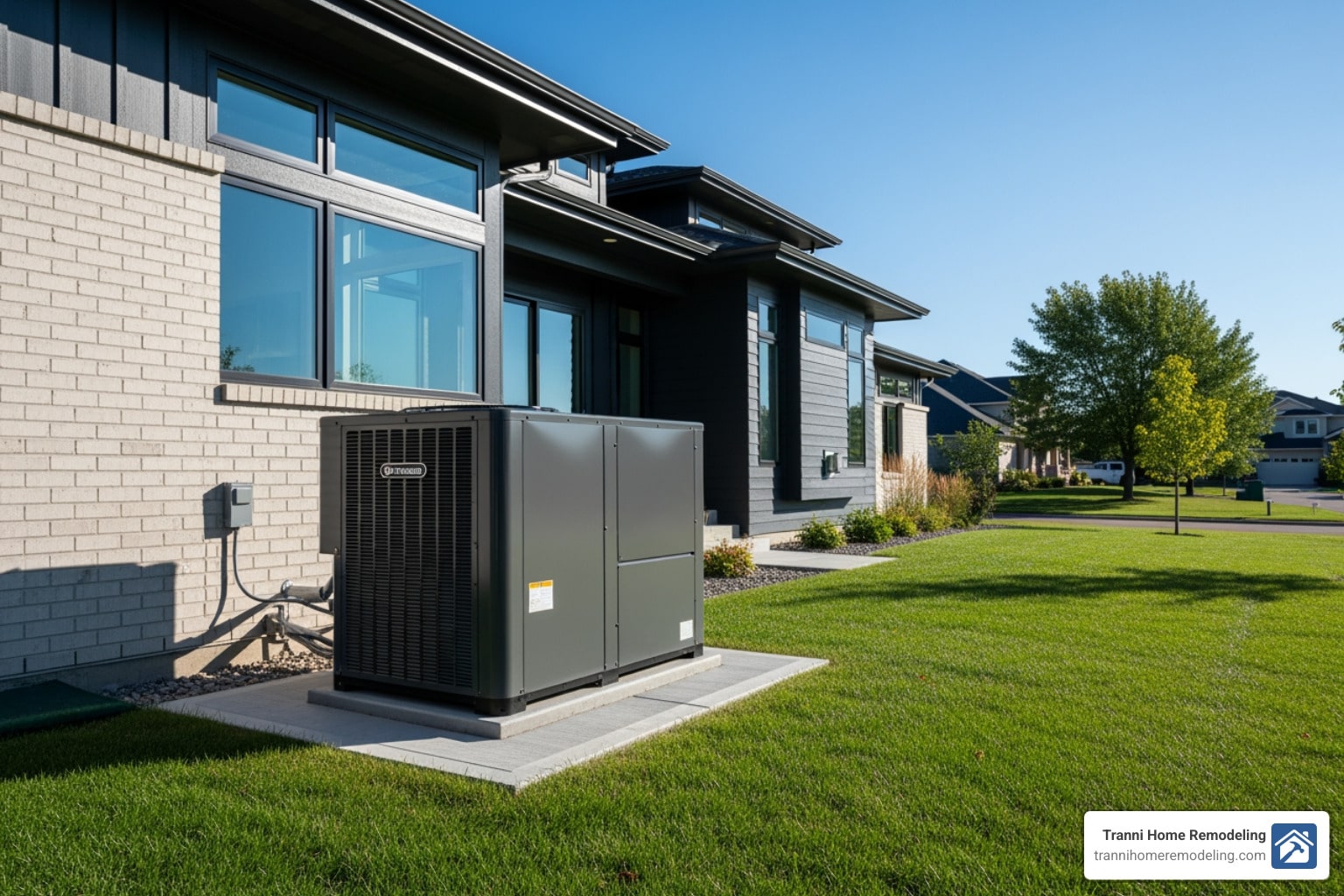





HVAC installation Lincoln 2025: Expert Guide
Why HVAC Installation Matters for Your Lincoln Home
Installing a new HVAC system in your Lincoln home is a significant decision that impacts your comfort, energy bills, and property value for years to come. Understanding your installation options helps you make informed choices about system types, costs, and contractors before committing to this major investment.
Key Installation Options for Lincoln Homeowners:
- Central Air Conditioning – Traditional ducted systems ideal for whole-home cooling, typically ranging from $4,000-$15,000+ depending on size and efficiency
- Ductless Mini-Splits – Flexible, zone-based systems perfect for homes without existing ductwork or older properties
- Heat Pumps – Energy-efficient systems providing both heating and cooling, well-suited to Lincoln’s moderate climate
- Geothermal Systems – Premium option with highest efficiency ratings and long-term savings potential
What Influences Your Installation:
- Home size and layout
- Existing ductwork condition
- Energy efficiency goals (SEER and AFUE ratings)
- Local rebates through Mass Save program
- Installation timeline (typically 4-8 hours for most residential systems)
Lincoln’s four-season climate demands a reliable HVAC system that can handle both humid summers and cold winters. Proper installation ensures your system operates efficiently, maintains consistent temperatures throughout your home, and lasts up to 15 years or longer with proper maintenance.
I’m Tyler Tranni, owner of Tranni Home Remodeling, and I’ve helped countless homeowners in the Lincoln area steer the complexities of HVAC installation projects, ensuring seamless integration with their home’s existing systems. My experience with residential remodeling has shown me that proper HVAC installation is foundational to creating comfortable, energy-efficient homes that serve families well for decades.
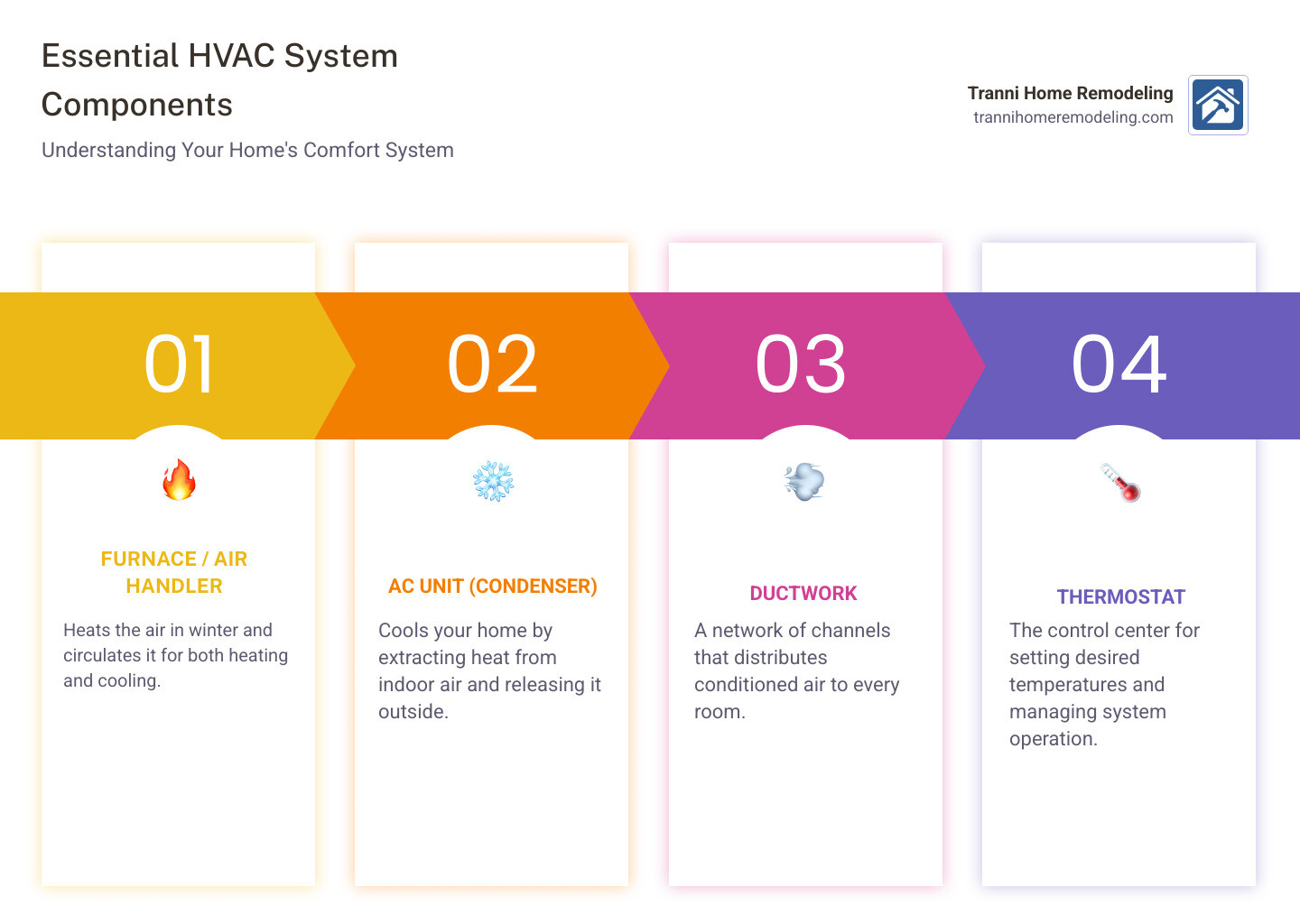
Essential HVAC installation terms:
When to Consider a New HVAC System
Deciding when to replace your HVAC system can be a complex choice for homeowners in Lincoln, MA. It’s not always about a complete breakdown; sometimes, the subtle signs that your system is struggling can cost you more in the long run. We believe in proactive solutions to ensure your home remains comfortable and efficient, no matter the season. Understanding the right time to upgrade can save you from unexpected emergencies and high utility bills.
A well-maintained cooling system can last up to 15 years or longer, but various factors can shorten this lifespan or make an older system inefficient. As your system ages, it’s natural for its performance to decline. Frequent repairs, rising energy bills, inconsistent temperatures throughout your home, and strange noises are all indicators that it might be time to consider a replacement. Given Lincoln’s climate with its hot, humid summers and cold winters, a reliable and efficient heating and cooling system is not just a luxury, but a necessity.
For more information on keeping your home comfortable, explore our guide on More info about heating and cooling.
Telltale Signs Your Current System is Failing
Knowing the warning signs can help you plan for a new HVAC installation before your current system completely gives out. Here are some common indicators that your residential HVAC system is on its last legs:
- Foul odors: A persistent musty smell could indicate mold growth in your ducts, while a burning smell might signal an electrical issue. Neither is good for your indoor air quality or system health.
- Weak airflow: If you notice reduced air coming from your vents, your system might be struggling with a clogged filter, a failing fan motor, or ductwork issues.
- Short cycling: This occurs when your system turns on and off frequently without completing a full cooling or heating cycle. It’s inefficient, wastes energy, and puts undue stress on components.
- High humidity: An air conditioner should help dehumidify your home. If you’re experiencing excessive stickiness indoors, your AC unit might not be performing its job effectively.
- Increased energy costs: If your energy bills are steadily climbing without a change in usage, your aging system is likely losing efficiency and working harder to achieve the desired temperature.
- System age over 10-15 years: While some systems can last longer, efficiency often drops significantly after 10-15 years. If your system is in this age range and exhibiting any of the above signs, a replacement is often more cost-effective than continued repairs.
The Best Time of Year for Replacement
Timing your HVAC installation can offer several benefits. We generally recommend planning your replacement during the “off-season” – typically spring or fall.
- Off-season benefits: During these periods, HVAC contractors are less busy compared to the peak summer heat or winter cold. This means you might benefit from more flexible scheduling, potentially quicker installation times, and sometimes even better pricing or promotions.
- Spring and Fall installations: Installing a new system in spring prepares you for the summer heat, ensuring you’re cool and comfortable when temperatures rise. A fall installation gets your home ready for winter, guaranteeing efficient heating when the cold sets in.
- Avoiding peak summer/winter rush: Waiting until your old system breaks down in the middle of a heatwave or a snowstorm can leave you scrambling, potentially paying emergency rates, and facing longer wait times for service. Planning ahead helps you avoid this stress.
- Planning ahead for comfort: By replacing your system proactively, you ensure uninterrupted comfort for your family and have ample time to research and choose the best system for your home’s unique needs in Lincoln, MA.
Choosing the Right HVAC System for Your Lincoln Home
Selecting the ideal HVAC system for your Lincoln home involves more than just picking a brand. It requires careful consideration of your home’s specific characteristics, your family’s comfort preferences, and your long-term energy goals. We understand that every home is unique, and our approach is always custom to provide the best solution for you.
When considering a new system, think about your home’s size, its layout, and the quality of its existing insulation. These factors directly influence the size and type of HVAC system that will operate most efficiently. Energy efficiency ratings, such as SEER and AFUE, are also crucial for understanding potential energy savings. We spend a significant amount of time indoors – 90% of our time is spent indoors, according to the American Lung Association – making indoor air quality and comfort paramount.
To learn more about how these systems work, dig into our general guide on More info about HVAC.
Types of HVAC Systems Available
When it comes to HVAC installation in Lincoln, homeowners have several excellent options, each with distinct advantages. We can help you steer these choices to find the perfect fit for your residential property.
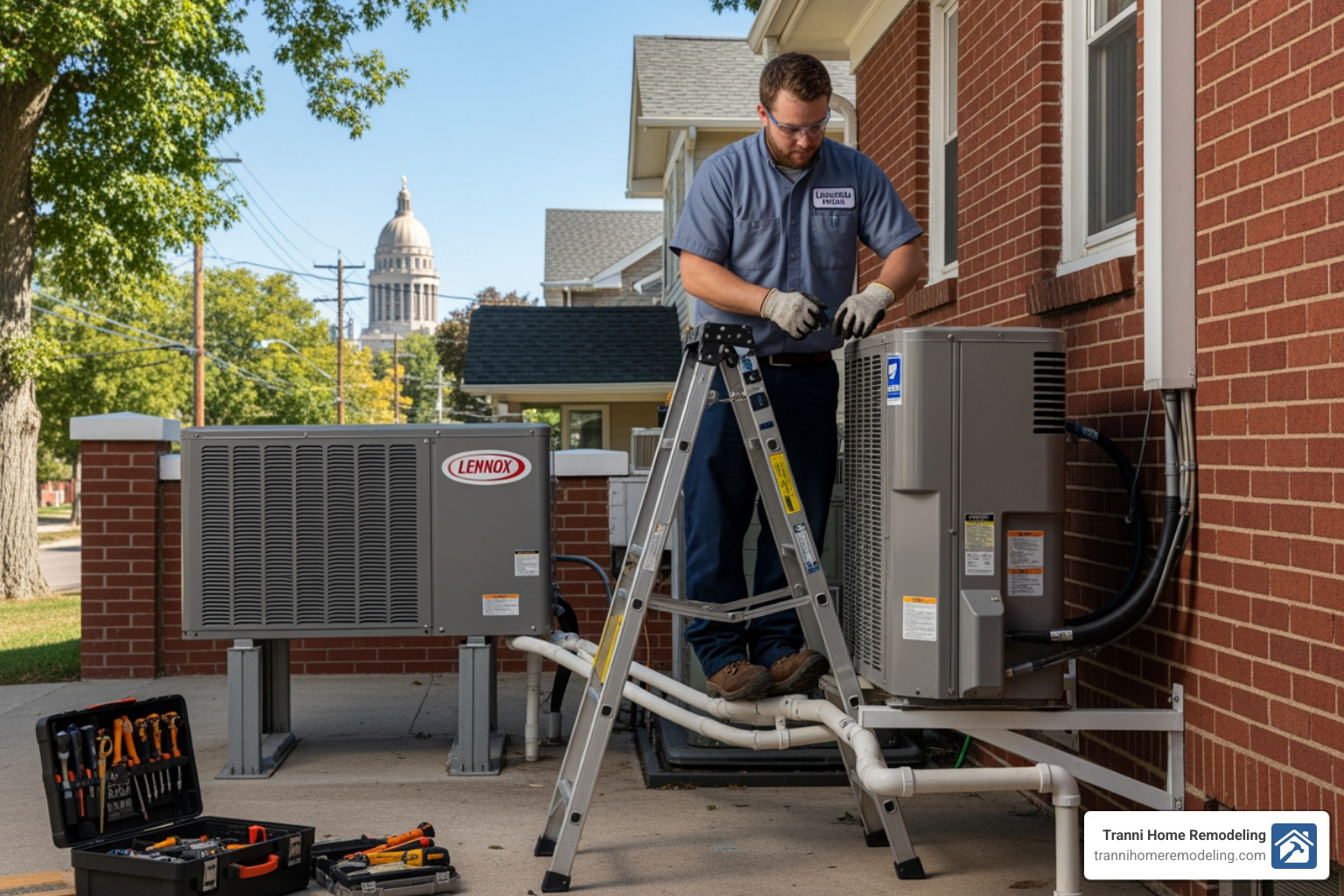
- Central Air Conditioners: These are traditional systems that use a network of ducts to distribute cooled air throughout your entire home. They are a popular choice for homes with existing ductwork and offer whole-home comfort from a single unit.
- Ductless heat pump systems: Also known as mini-splits, these systems provide zoned heating and cooling without the need for extensive ductwork. They are highly efficient and ideal for additions, converted spaces, or homes where duct installation is impractical. You can learn more about them with our Ductless AC Unit Installation guide and Mini Split AC Installation complete guide.
- Heat Pumps: These versatile systems provide both heating and cooling by transferring heat rather than generating it. They are incredibly energy-efficient, especially in Lincoln’s climate, where they can effectively heat during milder winters and cool during hot summers.
- Geothermal Systems: While a larger initial investment, geothermal heat pumps use the stable temperature of the earth to provide highly efficient heating and cooling. They offer significant long-term energy savings and are an environmentally friendly option.
For homes with unique architectural features or historical significance, we also offer specialized solutions. Explore our insights on HVAC installation for older homes.
Key Factors for Your Decision
Choosing the right HVAC system requires evaluating several key factors to ensure optimal performance and long-term satisfaction.
| System Type | Upfront Cost (Average) | Energy Efficiency | Best Use Case |
|---|---|---|---|
| Central AC | Moderate to High | Good | Homes with existing ductwork, whole-home comfort |
| Ductless Mini-Splits | Moderate | Excellent | Zoned comfort, homes without ducts, additions |
| Heat Pumps | Moderate to High | Very Good | Year-round heating & cooling, energy savings |
| Geothermal Systems | High | Superior | Long-term savings, environmental benefits, new builds |
- SEER rating: The Seasonal Energy Efficiency Ratio measures your air conditioner’s cooling efficiency. A higher SEER rating indicates a more energy-efficient unit, which translates to lower energy bills during Lincoln’s warm months. High-efficiency air conditioners generally have a SEER rating of at least 13.
- AFUE rating: For heating systems, the Annual Fuel Utilization Efficiency (AFUE) rating indicates how efficiently a furnace converts fuel into usable heat. A higher AFUE means less energy waste and lower heating costs.
- System sizing: An HVAC system that is too large or too small for your home will operate inefficiently. An oversized unit may short cycle, leading to uneven temperatures and increased wear, while an undersized unit will constantly run, struggling to maintain comfort. Proper sizing is critical for efficiency and longevity.
- Long-term savings: While a new, high-efficiency system might have a higher upfront cost, the energy savings over its lifespan can be substantial, often offsetting the initial investment.
- Rebates and incentives: We’ll help you explore available local rebates and incentives that can make a new, energy-efficient HVAC installation more affordable.
The Professional HVAC Installation Lincoln Process
Professional HVAC installation is not just about placing a new unit; it’s about ensuring safety, maximizing efficiency, promoting longevity, and protecting your investment with proper warranty coverage. When you choose a professional team like ours, you’re investing in peace of mind. A correctly installed system operates as intended, providing consistent comfort and optimal energy performance for years to come. In contrast, improper installation can lead to a host of problems, from reduced efficiency and frequent breakdowns to safety hazards.
We approach every installation project in Lincoln with meticulous attention to detail, starting with a comprehensive professional assessment of your home’s heating and cooling needs. This includes evaluating your home’s layout, insulation, and existing infrastructure to recommend the best system type and size.
For a deeper dive into the importance of professional work, visit our main page on More info about HVAC installation.
What to Expect During Your HVAC Installation in Lincoln
When we undertake an HVAC installation project, we follow a structured process to ensure everything runs smoothly and efficiently.
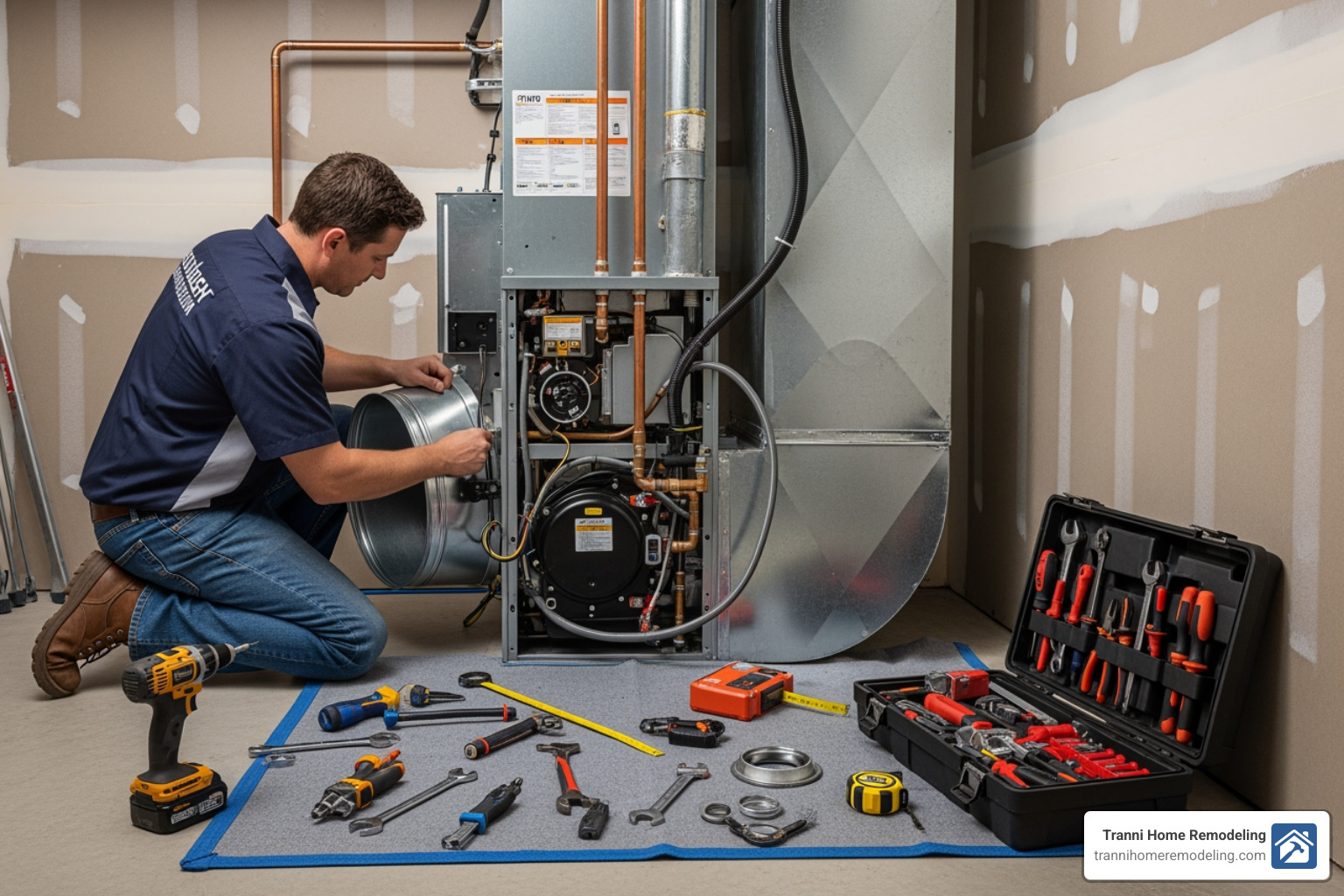
- Initial Consultation: We begin with a thorough discussion of your needs, budget, and preferences. We’ll assess your home, conduct load calculations to determine the right system size, and answer all your questions.
- Old System Removal: If you’re replacing an existing system, our team will carefully and safely remove the old unit and dispose of it responsibly.
- New Unit Placement: The new indoor and outdoor units will be strategically placed according to manufacturer specifications and local codes. This might involve setting a new concrete pad for the outdoor unit or securing the indoor air handler.
- Ductwork Connection: For central systems, we ensure all ductwork is properly connected, sealed, and sized to efficiently distribute air. For ductless systems, refrigerant lines and electrical conduits are run discreetly.
- Electrical and Refrigerant Lines: All necessary electrical connections are made, and refrigerant lines are installed, charged, and checked for leaks. This work is handled by qualified technicians to ensure safety and proper operation, potentially involving specialized wiring for HVAC and mini-split systems like those found in Lincoln, MA.
- System Testing: Once everything is connected, we rigorously test the new system to ensure it’s operating correctly, efficiently, and safely. We check air flow, temperature differentials, and overall performance.
- Final Walkthrough: We’ll walk you through your new system, explain its features, demonstrate how to use the thermostat, and provide maintenance tips. We’ll ensure you’re completely satisfied and understand your new system.
How Long Does Installation Take?
The duration of an HVAC installation can vary depending on several factors, but many new AC installs can be completed within one day.
- Typical Timeline: For most residential HVAC system replacements, you can expect the installation to take anywhere from 4 to 8 hours. This typically involves removing the old system and installing the new one.
- One-Day Installation Possibility: In many straightforward cases, especially for standard split systems replacing similar units, our team can complete the installation within a single workday.
- Factors Affecting Duration:
- Property Size: Larger homes may require more extensive ductwork modifications or multiple units, extending the timeline.
- System Type: Installing a complex system like a geothermal unit or extensive ductless mini-split setup will naturally take longer than a standard central AC replacement.
- Existing Ductwork Condition: If your existing ductwork needs significant repairs, sealing, or replacement, this will add to the overall installation time.
- Accessibility: Difficult-to-access areas for unit placement or duct runs can also prolong the process.
We will always provide you with an estimated timeline during your initial consultation so you know what to expect.
Costs, Rebates, and Finding a Reputable Installer
Navigating the financial aspects and selecting the right professionals for your HVAC installation in Lincoln are crucial steps. We believe in transparency and empowering our clients with all the information they need to make informed decisions.
Finding a reputable HVAC installation company in Lincoln, MA, involves checking for qualified technicians, verifying licenses and insurance, reading online reviews, and, importantly, getting multiple quotes. We pride ourselves on our high-quality craftsmanship and outstanding service. For those looking for an Air Conditioner Installer Near Me, we ensure our team is professional, experienced, and ready to meet your needs.
Typical Costs for HVAC Installation in Lincoln
The cost of an HVAC installation in Lincoln can vary significantly, as it depends on numerous factors unique to your home and chosen system. These are average costs based on internet data, and not actual costs for Tranni Home Remodeling, which provides customized quotes.
- Price Range: The average cost for residential HVAC installation can range from approximately $4,000 to $10,000, with some advanced or larger systems costing as much as $15,000 or even more. This wide range reflects the diversity of systems and installation complexities.
- Factors Influencing Cost:
- System Type: Central AC, heat pumps, ductless mini-splits, and geothermal systems each have different equipment and installation costs.
- Size and Capacity: Larger homes require systems with higher capacity (measured in tons for cooling, BTUs for heating), which are more expensive.
- Efficiency Rating: High-efficiency units (with higher SEER or AFUE ratings) typically cost more upfront but offer greater long-term energy savings.
- Ductwork Modifications: If new ductwork needs to be installed, or existing ducts require extensive repair or replacement, this will add to the overall cost.
- Brand and Features: Different manufacturers and optional features (e.g., smart thermostats, zoning systems) can influence the price.
- Complexity of Installation: Factors like accessibility, electrical upgrades, or the need for permits can affect labor costs.
We are committed to providing value and quality for your home in Lincoln, MA.
Local Rebates and Incentives
Investing in a new, energy-efficient HVAC installation can be made more affordable through various rebates and incentives. We stay informed about these programs to help our clients maximize their savings.
- Mass Save Program: The Mass Save program can provide rebates and incentives for homeowners who install high-efficiency heating and cooling equipment. This program often includes opportunities for no-cost energy assessments and generous rebates on qualifying systems.
- Federal Tax Credits: The federal government occasionally offers tax credits for certain energy-efficient home improvements, including specific types of HVAC systems. These can provide a significant reduction in your tax liability.
- Manufacturer Rebates: Many HVAC manufacturers offer their own rebates on new, qualifying equipment, especially during certain times of the year.
- Energy-Efficient Upgrades: Beyond the main HVAC unit, upgrades like smart thermostats and improved insulation can also qualify for incentives, further reducing your overall costs and enhancing your home’s efficiency.
We can help you identify which programs your new system might qualify for, ensuring you take advantage of every available saving opportunity.
Frequently Asked Questions about HVAC Installation
We often hear similar questions from homeowners in Lincoln, MA, about their HVAC systems. Here are answers to some of the most common inquiries regarding HVAC installation.
What maintenance is required after a new HVAC installation?
Proper maintenance is key to ensuring the longevity and efficiency of your new HVAC system. Just like a car, your home’s heating and cooling system needs regular care to perform its best.
- Regular Filter Changes: This is perhaps the simplest yet most crucial maintenance task. Filters should be checked monthly and replaced every 1-3 months, depending on usage and household conditions (pets, allergies). A clean filter ensures good airflow and prevents dust buildup in your system.
- Annual Professional Tune-Ups: We recommend scheduling annual maintenance with a qualified HVAC technician. During a tune-up, they will inspect, clean, and lubricate components, check refrigerant levels, test electrical connections, and identify any potential issues before they become major problems. This helps maintain efficiency and extends the system’s lifespan.
- Keeping Outdoor Unit Clear: Ensure the outdoor condenser unit is free from debris, leaves, grass clippings, and other obstructions. Clear at least two feet around the unit for optimal airflow.
- Checking Thermostat Batteries: If your thermostat runs on batteries, replace them annually to avoid unexpected system shutdowns.
For a comprehensive understanding of how to care for your system, refer to our guide on More info about HVAC installation and maintenance.
What is a SEER rating and why is it important?
SEER stands for Seasonal Energy Efficiency Ratio. It’s a measurement used to indicate the energy efficiency of an air conditioner or heat pump’s cooling performance.
- Measures Cooling Efficiency: The SEER rating is calculated by dividing the total cooling output during a typical cooling season by the total electric energy input during the same period.
- Higher SEER Equals Lower Energy Bills: Simply put, a higher SEER rating means the unit is more energy-efficient. This translates directly into lower electricity bills for cooling your home during Lincoln’s warm summers.
- Minimum Ratings for High-Efficiency: The U.S. Department of Energy sets minimum SEER standards. High-efficiency air conditioners typically have a SEER rating of at least 13 or higher. Investing in a system with a good SEER rating is a smart choice for long-term savings and environmental responsibility.
Can I install a new HVAC system in my older Lincoln home?
Absolutely! Many homes in Lincoln, MA, have historical charm and character, and we specialize in integrating modern comfort systems into these unique structures.
- Ductwork Assessment: For older homes, the primary consideration is often the existing ductwork. If your home has an older, inefficient, or non-existent duct system, we can assess whether it can be modified, repaired, or if an alternative solution is better.
- Ductless mini-split AC installation as an Option: Ductless mini-splits are an excellent solution for older homes without existing ductwork, or where installing new ducts would be too disruptive or costly. They offer efficient, zoned heating and cooling without compromising the architectural integrity of your home. You can even explore Ductless Air Conditioning System Installation for comprehensive details.
- Professional Evaluation is Key: A professional evaluation is essential to determine the best approach. We consider your home’s unique construction, insulation, and your comfort needs to recommend a system that works efficiently and blends seamlessly.
- Preserving Home Character: Our team is skilled at finding solutions that respect the aesthetic and structural integrity of older homes, ensuring that your new HVAC system improves comfort without detracting from your home’s character.
Your Partner for Home Comfort in Lincoln
Choosing the right HVAC installation is a significant decision, and we hope this guide has provided you with valuable insights. A new, efficient HVAC system is more than just an appliance; it’s an investment in your home’s comfort, your family’s well-being, and your long-term energy savings.
We believe in the power of professional work – from the initial consultation and proper system sizing to meticulous installation and ongoing support. Our commitment to high-quality craftsmanship and outstanding service means you can trust us to deliver a solution that ensures year-round comfort for your Lincoln home.
Let us be your trusted partner in creating the comfortable, energy-efficient home you deserve. We’re here to answer your questions, provide expert recommendations, and execute your HVAC installation with precision and care.
Contact us for your HVAC installation needs today, and let’s bring unparalleled comfort to your home.