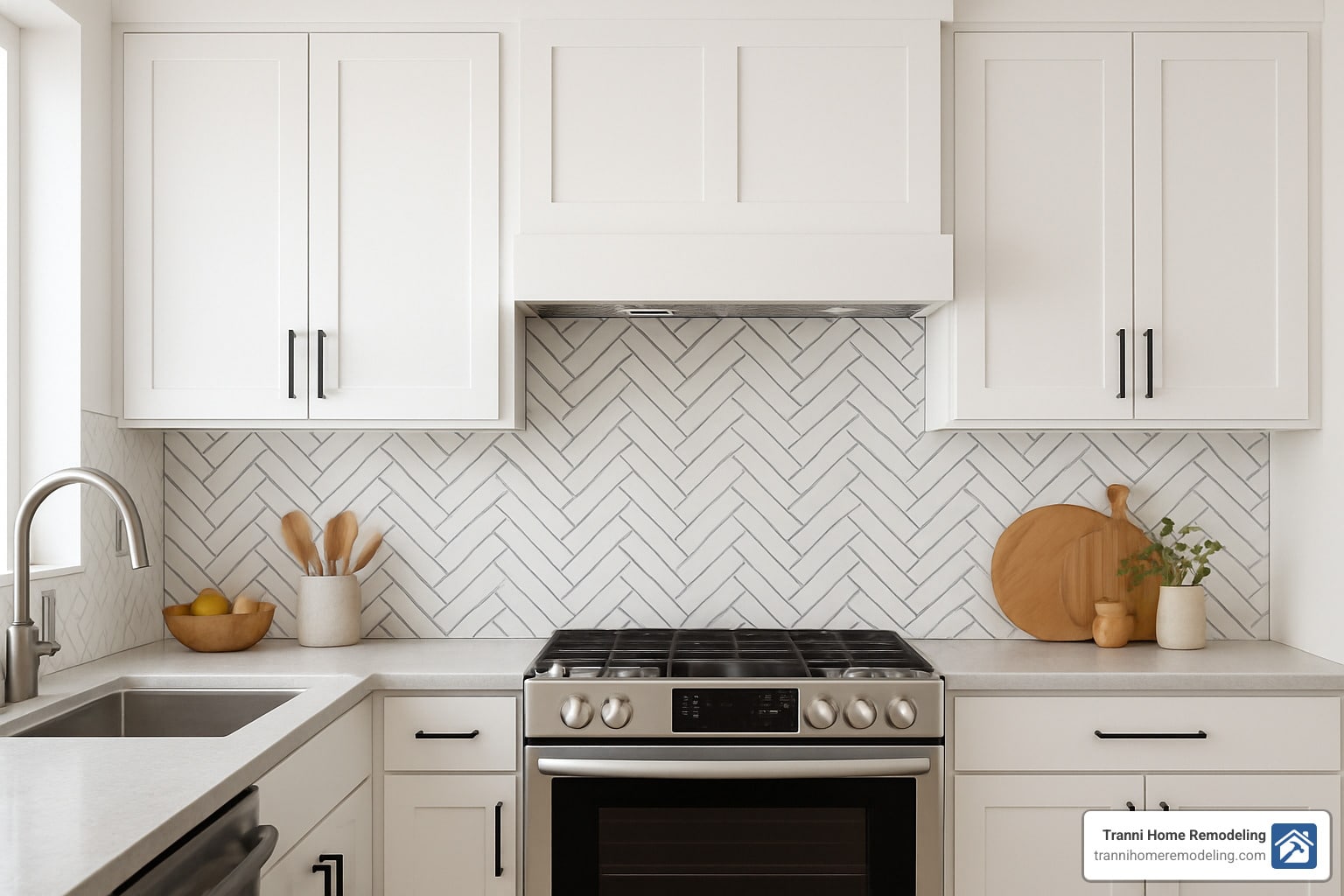





Kitchen Backsplash Ideas: 77 Stunning Trends for 2025
Transform Your Kitchen with the Perfect Backsplash Design
Kitchen backsplash ideas can completely transform your cooking space from ordinary to extraordinary. Whether you’re planning a full renovation or just want a quick update, the right backsplash protects your walls while adding personality and style to your kitchen.
Top Kitchen Backsplash Ideas for 2024:
• Subway tile – Classic white or colored in herringbone patterns
• Natural stone – Marble, travertine, and slate for timeless elegance
• Glass tile – Reflective surfaces that brighten small spaces
• Bold colors – Blue and green tiles trending for statement walls
• Large format tiles – Minimal grout lines for modern, clean looks
• Peel-and-stick – Budget-friendly DIY options for quick updates
• Mixed materials – Combining stone, metal, and ceramic for texture
A kitchen backsplash serves three main purposes: protecting your walls from heat, moisture, and cooking splatters, making cleanup easier with wipeable surfaces, and creating a focal point that ties your entire design together.
From classic subway tile that’s remained popular for over a decade to trending zellige and bold colored ceramics, today’s options span every style and budget. You can choose materials ranging from affordable peel-and-stick tiles under $5 per square foot to luxury natural stone slabs costing $50-150 per square foot.
As Tyler Tranni, owner of Tranni Home Remodeling in Billerica, I’ve helped countless homeowners select and install kitchen backsplash ideas that perfectly complement their cabinet colors, countertops, and lifestyle needs. My experience has shown that the right backsplash choice can dramatically increase both your home’s value and your daily enjoyment of the space.
Quick look at kitchen backsplash ideas:
– kitchen cabinet designs
– modern kitchen design
– kitchen island designs
What Is a Kitchen Backsplash & Why It Matters
Think of your kitchen backsplash as the hardworking hero behind your countertops. This wall protection barrier sits between your counters and upper cabinets, quietly defending your walls from everything your cooking trips can throw at it.
When you’re sautéing vegetables or flipping pancakes, your backsplash acts as a heat and moisture barrier against splatters, steam, and grease. Without this protection, you’d be dealing with stained walls, water damage, and the kind of cleanup that makes you want to order takeout instead.
But here’s where it gets exciting – your backsplash isn’t just about function. It’s your kitchen’s style focal point, the place where you can add personality and tie your whole design together. Whether you choose classic subway tile or bold kitchen backsplash ideas with dramatic colors, this surface sets the tone for your entire space.
In our years of kitchen remodeling throughout Billerica and surrounding Massachusetts communities, we’ve seen how the right backsplash choice delivers a serious resale boost. Potential buyers notice updated kitchens immediately, and a beautiful backsplash signals that the home has been well-maintained and thoughtfully designed.
The daily benefits are just as important. Quality backsplash materials make easy cleaning a reality – just a quick wipe-down after cooking keeps everything looking fresh. No more scrubbing stained drywall or worrying about moisture seeping behind your counters.
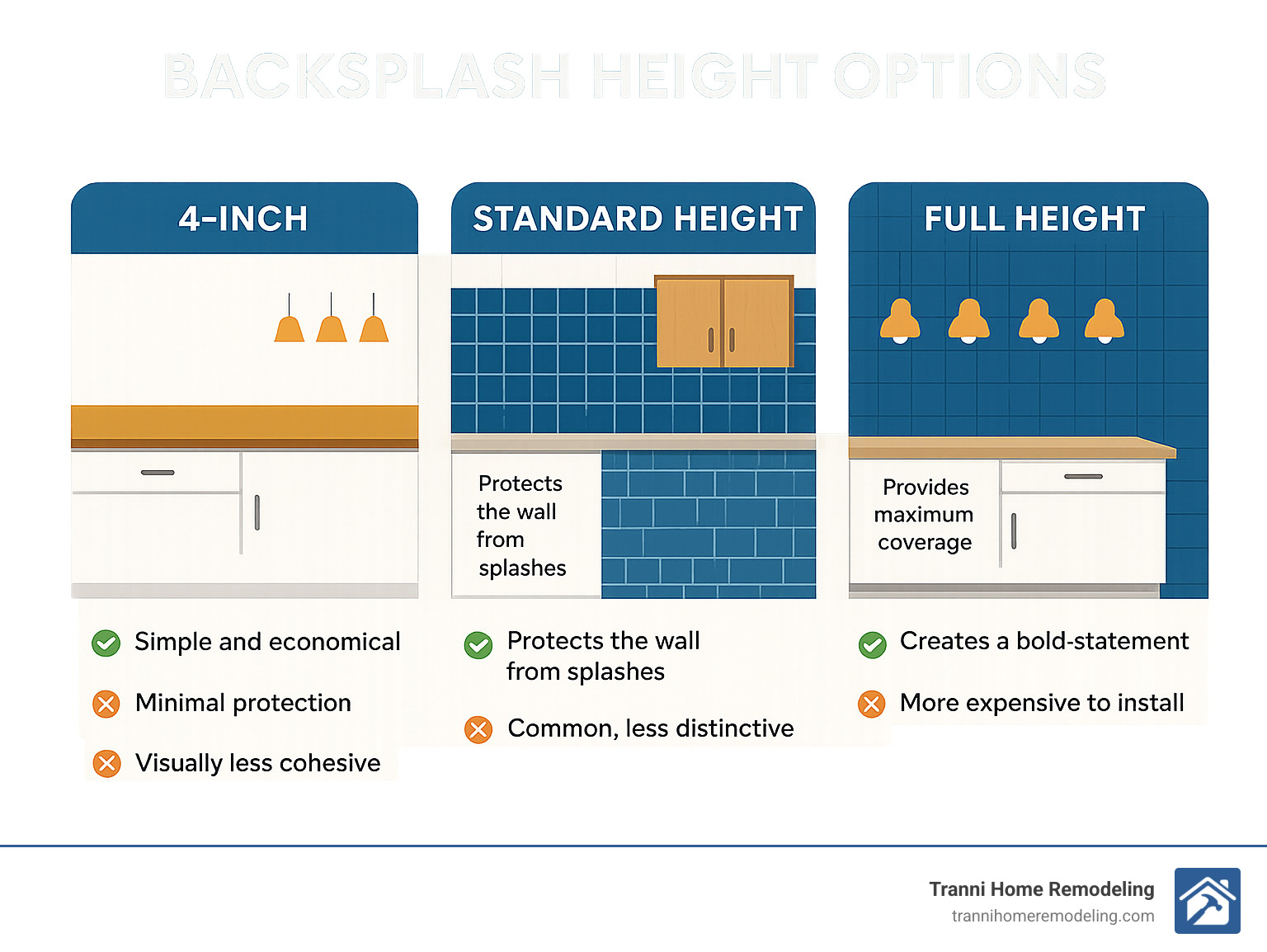
How High Should a Kitchen Backsplash Go?
Choosing the right backsplash height can make your kitchen feel completely different. We typically guide our clients toward one of three proven approaches, each with its own advantages.
The counter-to-cabinet standard remains the most popular choice for good reason. This 18-inch height provides excellent protection while keeping costs reasonable and maintenance simple. It works beautifully in traditional kitchens and gives you plenty of design impact without overwhelming the space.
For dramatic effect, full-height ceiling installations create stunning statement walls that make even compact kitchens feel more spacious. This modern approach works especially well when you want your backsplash material to become the star of the show. We’ve installed floor-to-ceiling marble slabs that completely transform the feel of a kitchen.
Many homeowners love the range-hood framing approach, where the backsplash extends higher behind the cooktop – sometimes all the way to the ceiling – while maintaining standard height elsewhere. This creates a natural focal point and provides extra protection where you need it most.
In small-kitchen illusions, full-height backsplashes can be game-changers. The continuous vertical lines draw your eye upward, making ceilings appear higher and the room feel larger than it actually is.
Coordinating with Countertops, Cabinets & Floors
Creating a cohesive kitchen design means thinking about how every surface works together. Your backsplash should feel like it belongs, not like an afterthought that was chosen separately.
Material harmony starts with understanding what you already have. Natural stone countertops pair beautifully with ceramic or glass tiles, while quartz counters give you more flexibility to experiment with both natural and manufactured backsplash options.
Pay attention to color undertones – they’re more important than you might think. Cool-toned granite calls for backsplash colors with similar blue or gray undertones, while warm countertops with yellow or brown bases need backsplash materials that complement those warmer hues.
Texture balance prevents your kitchen from feeling chaotic or boring. If your countertops have busy patterns, choose simpler backsplash designs. Plain surfaces give you permission to go bold with intricate tile patterns or dramatic veining.
Consider your finishes too – mixing too many different sheens can make a space feel disjointed. Glossy backsplash tiles reflect light beautifully but show water spots more easily than matte finishes.
For inspiration on how different cabinet styles work with various backsplash choices, check out our comprehensive guide to kitchen cabinet designs.
Trending Kitchen Backsplash Ideas for 2024
This year brings exciting energy to kitchen backsplash ideas, with homeowners embracing both timeless materials and bold new directions. After working on dozens of kitchen renovations across Billerica and surrounding communities, I’ve noticed a fascinating shift toward personalization over following strict design rules.
Zellige tiles are having a major moment, and honestly, it’s about time. These handcrafted Moroccan tiles bring an organic quality that feels refreshing after years of perfectly uniform subway tiles. Each piece is slightly different, creating subtle texture and depth that catches light beautifully throughout the day.
We’re also seeing homeowners finally accept bold colors in their backsplashes. Navy blues, rich emerald greens, and warm sage tones are replacing the sea of white that dominated kitchens for the past decade. It’s wonderful to see clients choosing colors that make them smile rather than playing it safe.
Slab backsplashes continue gaining popularity, especially behind ranges where they create stunning focal points. These large-format installations use the same material as your countertops – whether natural stone or engineered quartz – for a seamless, sculptural look that feels both modern and timeless.
The beauty of mixing materials is really taking off too. We recently installed a gorgeous combination of marble subway tiles with thin metallic accent strips that completely transformed a traditional kitchen. These custom approaches let homeowners create something uniquely theirs.
For those interested in reflective surfaces that brighten smaller kitchens, our glass backsplash options offer brilliant light play and easy maintenance that busy families appreciate.
Timeless Classics: Subway & Herringbone Patterns
Subway tiles have earned their staying power through pure versatility. Originally designed for New York City’s subway stations back in 1904, these simple rectangular tiles work beautifully with virtually any kitchen style – from farmhouse charm to sleek contemporary designs.
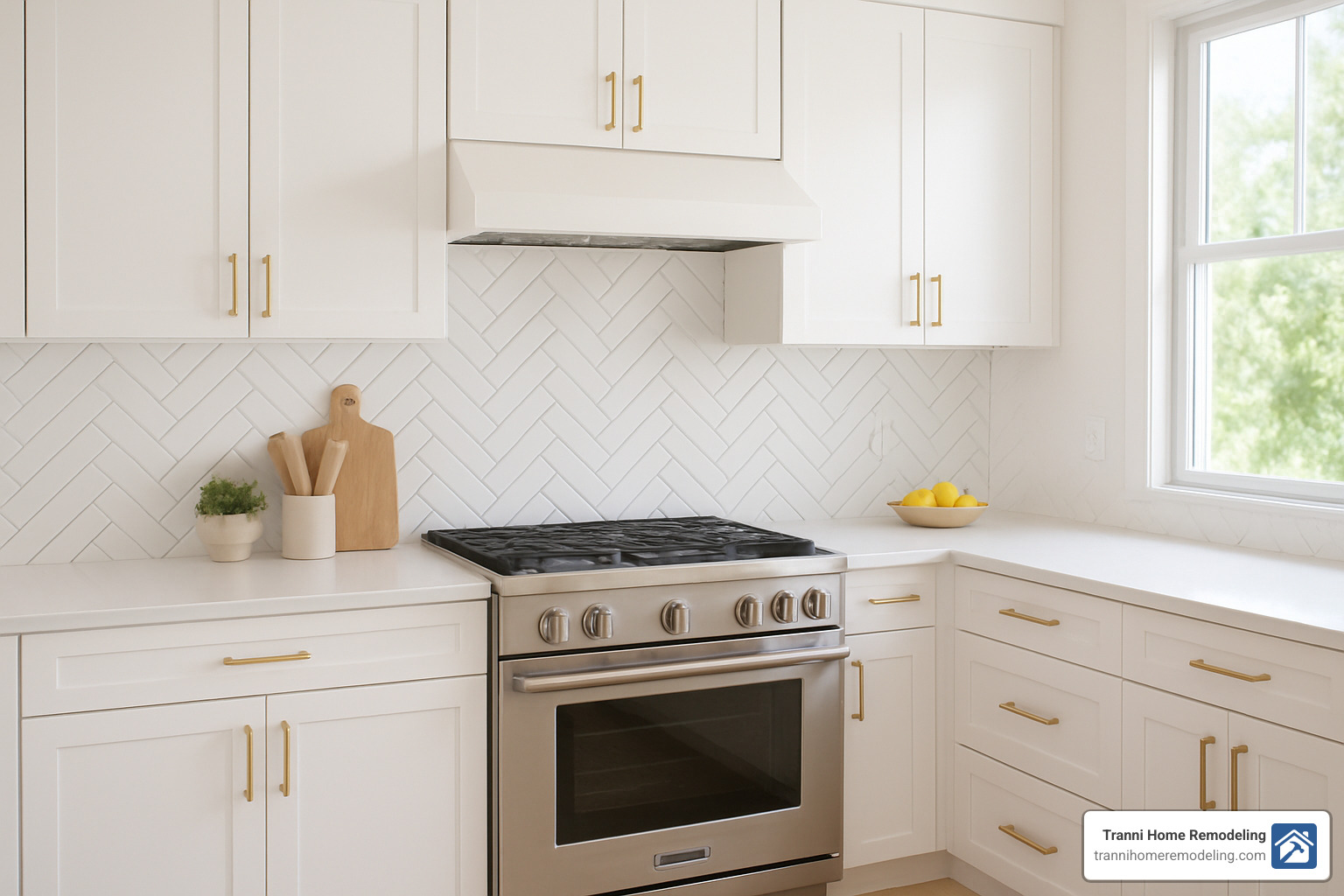
What keeps subway tiles fresh is how you install them. The traditional running bond pattern with offset rows remains popular, but we’re seeing more requests for herringbone layouts that add visual interest without overwhelming the space. This V-shaped pattern creates movement and sophistication that works especially well in transitional kitchens.
Vertical stack installations offer a modern twist that draws the eye upward, making ceilings appear higher. For clients wanting maximum drama, chevron patterns use tiles cut at 45-degree angles to create continuous zigzag lines that feel both classic and contemporary.
The secret to making subway tile installations feel custom lies in unexpected details. We’ve used sage green and navy blue subway tiles that feel fresh and personal. Contrasting grout can completely change the tile’s personality – dark grout emphasizes the pattern and hides cooking stains, while matching grout creates seamless, sophisticated looks.
In our recent Chelmsford project, we installed white subway tiles in herringbone pattern with charcoal grout, and the homeowner said it felt like a completely different kitchen. Sometimes the smallest details make the biggest impact.
Top 15 Kitchen Backsplash Ideas Everyone’s Pinning
The most exciting kitchen backsplash ideas we’re seeing combine classic appeal with personal touches. Gradient subway tiles that transition from light to dark within the same color family create sophisticated depth without being overwhelming.
Encaustic cement tiles bring Old World charm with their hand-made patterns and rich colors. These work beautifully in Mediterranean and Spanish-style homes throughout our area. Large format porcelain tiles measuring 12×24 inches or larger create clean, modern looks with minimal grout lines that are easier to maintain.
Penny tiles offer vintage texture that feels both nostalgic and fresh, especially in white or soft gray. Moroccan-inspired patterns with bold geometric designs add personality for homeowners ready to make a statement.
Recycled glass mosaics provide brilliant color depth while supporting environmental goals. Wood-look ceramic tiles give you the warmth of wood with tile’s durability and easy cleaning – perfect for busy families.
Brick veneer creates rustic appeal without structural changes, while marble slab backsplashes offer continuous veining for luxury that never goes out of style. Color-block designs using solid color fields make bold statements that work especially well in modern kitchens.
Textured stone with three-dimensional surfaces adds tactile interest, and metallic accents in copper, brass, or stainless steel mixed with ceramic create custom looks. Peel-and-stick patterns offer temporary solutions for renters, while beveled subway tiles add dimension through angled edges.
Mixed material combinations using stone, glass, and metal in one design create the most personalized results. For comprehensive inspiration showcasing these trends, visit our Kitchen Backsplash Designs gallery.
Eco-Friendly & Sustainable Options
Environmental consciousness is driving exciting innovation in backsplash materials. More homeowners are asking about sustainable options that don’t compromise on style or durability, and honestly, the choices have never been better.
Recycled glass tiles made from post-consumer glass offer brilliant colors and light reflection while keeping waste out of landfills. They’re non-porous and stain-resistant, available in countless colors and sizes. We recently installed stunning sea-glass colored recycled tiles that looked like jewelry on the wall.
Reclaimed materials including salvaged brick, vintage ceramic tiles, and reclaimed wood add character while reducing environmental impact. These materials come with unique patina and history that new products simply can’t replicate. There’s something special about knowing your backsplash tiles have their own story.
Beyond tile selection, we recommend low-VOC adhesives and sealers that improve indoor air quality. This matters especially in kitchens where families spend so much time cooking and gathering together.
Bamboo composite materials offer rapid renewability and natural beauty, though they’re less common for backsplashes. These work particularly well in contemporary and Asian-inspired designs.
The environmental benefits extend beyond material sourcing too. Quality installations last decades, reducing the need for frequent replacements and associated waste. When you choose sustainable materials and professional installation, you’re making a choice that benefits both your family and the environment for years to come.
Choosing Materials, Colors & Patterns Like a Pro
Selecting the perfect backsplash material feels overwhelming with so many beautiful options available. After helping hundreds of homeowners in Billerica and surrounding Massachusetts communities make these decisions, I’ve learned that the best choice balances your aesthetic vision with practical needs and budget.
Ceramic tile remains the most popular choice for good reason. It offers incredible versatility with costs ranging from $3-25 per square foot based on internet pricing data. You’ll find ceramic in every color imaginable, from classic white subway to bold geometric patterns. It handles kitchen heat and moisture beautifully while staying budget-friendly for most families.
Porcelain tile takes durability up a notch. It’s denser and less porous than ceramic, making it nearly stain-proof – perfect if you’re a messy cook like me! Porcelain can convincingly mimic natural stone, wood, or even fabric textures. Internet pricing typically runs $5-30 per square foot, with designer options reaching much higher.
Natural stone brings best beauty to kitchens. Marble creates neat veining patterns, while slate offers rustic charm. However, most stone requires regular sealing and careful cleaning. Costs vary widely from $10-150 per square foot depending on the stone type and rarity.
Glass tile reflects light beautifully, making even small kitchens feel brighter and larger. It never needs sealing and resists stains completely. The main drawbacks are water spots and higher installation costs, typically ranging from $7-40 per square foot online.
Stainless steel works wonderfully in contemporary kitchens, especially with professional-style appliances. It handles heat exceptionally well but shows every fingerprint and water drop. Expect costs from $15-50 per square foot.
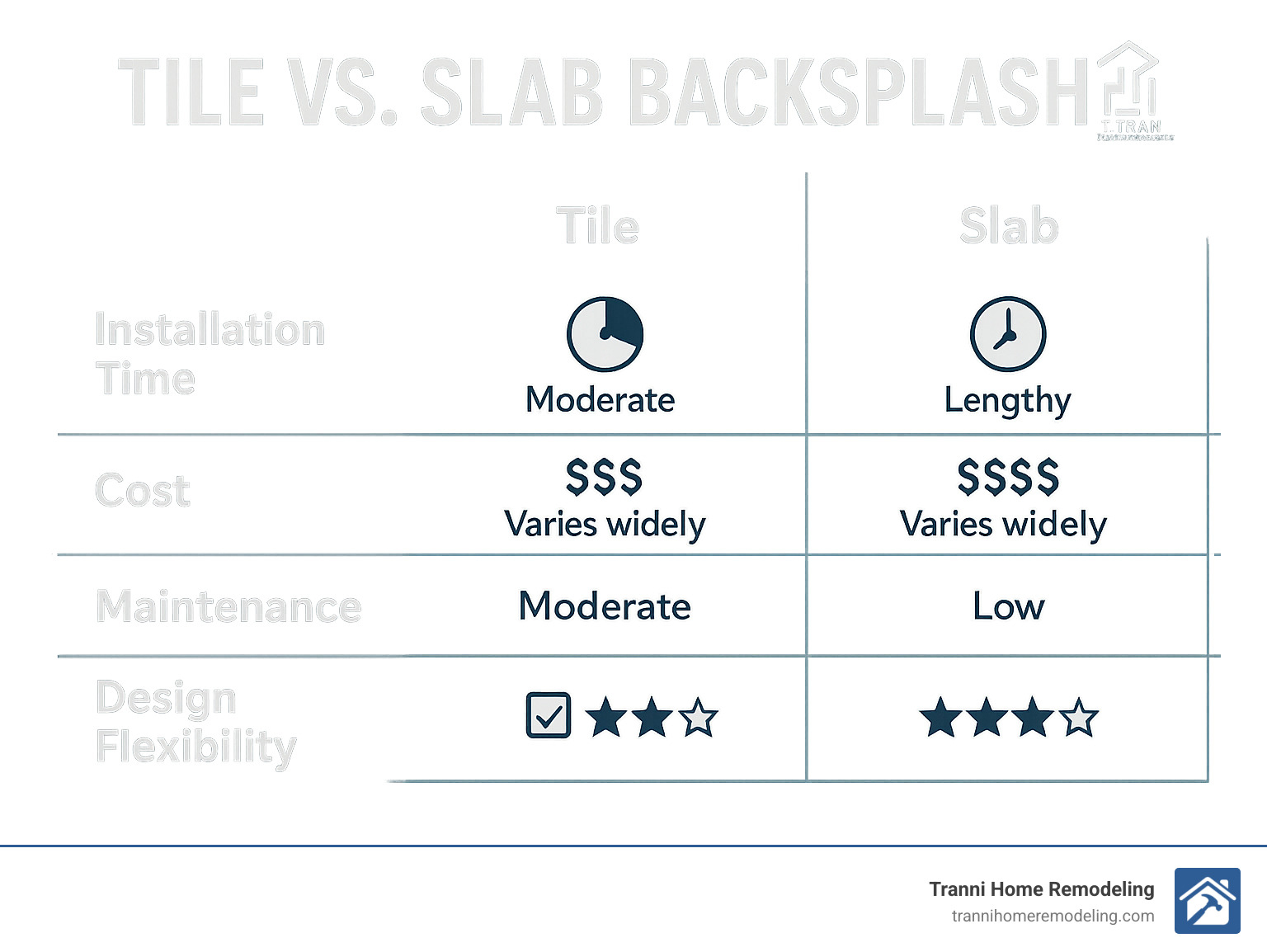
Pros & Cons of Popular Materials
Understanding how different materials perform in real kitchens helps you make confident decisions. Each option has sweet spots where it truly shines.
Ceramic and porcelain tiles offer the best combination of affordability, durability, and design flexibility. They clean easily with standard household products and rarely crack under normal use. The main maintenance involves keeping grout clean, which is manageable with proper sealing.
Natural stone creates stunning focal points that increase home value significantly. Marble’s veining patterns are truly one-of-a-kind, while granite offers incredible durability. The trade-off involves more careful maintenance – acidic foods like lemon juice can etch marble surfaces, and most stones need periodic resealing.
Glass tiles perform beautifully in busy kitchens because they’re completely non-porous. Bacteria and stains can’t penetrate the surface, making them incredibly hygienic. They do require skilled installation since glass can crack if not properly supported, and water spots become visible quickly.
Stainless steel handles the messiest cooking without complaint. It’s the same material used in restaurant kitchens for good reason. However, it shows every fingerprint and requires frequent wiping to look its best. The industrial appearance also limits design flexibility.
The secret is matching material characteristics to your cooking style and maintenance preferences. If you cook elaborate meals daily, prioritize easy-clean surfaces. If you’re more of a weekend chef, you can enjoy materials that require gentler care.
Picking the Right Color & Grout
Color selection affects how your kitchen feels every single day. I’ve seen homeowners fall in love with bold kitchen backsplash ideas in showrooms, only to feel overwhelmed by them at home. The key is understanding how colors interact with your existing elements.
Undertones matter more than you might expect. Cool undertones like blue, green, and gray complement stainless steel appliances and create contemporary feels. Warm undertones including yellow, red, and brown work beautifully with brass fixtures and traditional cabinet styles.
Light versus dark colors each solve different problems. Light backsplashes make compact kitchens feel more spacious and reflect natural light beautifully. However, they show every cooking splash and require frequent cleaning. Dark colors hide everyday mess much better but can make spaces feel smaller if not balanced with adequate lighting.
Grout color dramatically changes your backsplash’s personality. Contrasting grout creates graphic, pattern-emphasizing effects – think white subway tile with dark gray grout for modern appeal. Matching grout produces seamless, sophisticated looks where individual tiles blend together. Dark grout consistently hides stains better than light options.
Accent repetition ties your design together beautifully. Echo your backsplash colors in small accessories, fresh flowers, or artwork displayed nearby. This creates intentional design flow that feels professionally coordinated.
Trendy colors can feel dated quickly, while neutral bases with colorful accents offer long-term flexibility. For detailed guidance on coordinating with white cabinetry, check out our Backsplash Ideas for White Cabinets guide.
Budget-Friendly & DIY Kitchen Backsplash Ideas
You don’t need to break the bank to achieve stunning kitchen backsplash ideas that transform your space. Over the years, I’ve worked with countless homeowners in Billerica and surrounding communities who wanted beautiful results without the hefty price tag. The good news? There are plenty of creative approaches that deliver professional-looking results at a fraction of the cost.
Peel-and-stick tiles have come a long way from their humble beginnings. Today’s versions look remarkably realistic and can fool even experienced contractors at first glance. These adhesive tiles cost between $2-8 per square foot and install right over existing surfaces – no demolition required. They’re perfect for renters who want to personalize their space without losing their security deposit.
Beadboard panels bring instant cottage charm to any kitchen while staying incredibly budget-friendly. When properly sealed, these wood panels handle kitchen moisture beautifully while adding warmth and texture that tile simply can’t match. You’re looking at costs between $1-5 per square foot, making this one of the most affordable options available.
For the truly budget-conscious, paint and stencil techniques can create convincing tile patterns for under $1 per square foot. This approach requires patience and a steady hand, but the results can be surprisingly impressive. I’ve seen homeowners create beautiful geometric patterns that guests assume are actual tiles.
Brick veneer offers another wallet-friendly option for those craving rustic appeal. These thin brick tiles install just like ceramic tiles but cost only $3-12 per square foot. They provide authentic texture without any structural modifications to your walls.
Based on internet research, average backsplash installation costs range from $600-3,000 for standard kitchens, with luxury projects reaching $6,000-15,000. However, tackling the project yourself can slash costs by 50-70%. The easiest DIY installations include peel-and-stick tiles (literally no tools required), beadboard panels (basic carpentry skills), large format tiles (fewer cuts mean fewer chances for mistakes), and subway tiles in running bond (the most forgiving pattern for beginners).
Peel-and-Stick Installation Step-by-Step
Installing peel-and-stick backsplashes is genuinely achievable for most homeowners, even those who’ve never tackled a tile project before. I always tell my clients that proper preparation makes the difference between a DIY success story and a weekend disaster.
Start with thorough surface preparation – this step determines everything that follows. Clean your walls with a good degreasing cleaner to remove any cooking residue that could interfere with adhesion. Fill holes or imperfections with spackling compound and sand rough areas smooth. If you’re working with porous surfaces like drywall, prime them first for better adhesion.
The installation process itself is surprisingly straightforward. Begin by planning your layout from the center point of the wall – this ensures balanced partial tiles on both ends. Mark guidelines with chalk lines to keep everything straight. Remove the backing from each tile and press firmly into place, using a rolling pin to eliminate air bubbles that could cause lifting later.
Keep a utility knife with fresh blades handy for trimming edge pieces, along with your measuring tape, level, and cleaning supplies. The beauty of peel-and-stick is that mistakes are forgiving – you can usually lift and reposition tiles within the first few minutes.
Take your time with layout planning and maintaining straight lines. The result should look professional enough that guests won’t realize it’s a DIY installation. For additional space-maximizing strategies, explore our Kitchen Design Ideas for Small Spaces guide.
Small-Kitchen Backsplash Ideas That Maximize Space
Small kitchens require thoughtful backsplash choices that improve rather than overwhelm the space. After working on numerous compact kitchens throughout Middlesex County, I’ve learned which strategies actually make rooms feel larger versus those that just sound good in theory.
Mirror glass tiles are absolute game-changers for tight spaces. These reflective surfaces bounce light around the room, creating the illusion of depth and brightness that’s especially valuable in galley kitchens with limited natural light. The effect is subtle but powerful – guests often comment that the kitchen feels more spacious without being able to pinpoint exactly why.
Vertical tile installation draws the eye upward, making standard 8-foot ceilings appear higher. This technique works particularly well with rectangular subway tiles installed in a vertical stack pattern rather than the traditional horizontal layout. The visual trick is simple but effective.
Light color palettes remain your best friend in small spaces. White, cream, and pale gray backsplashes reflect maximum light and create that airy feeling everyone craves. Save darker, more dramatic colors for accent areas or larger kitchens where they won’t overwhelm the space.
Minimal grout lines create cleaner, more spacious appearances by reducing visual breaks in the wall surface. Large format tiles or slab backsplashes accomplish this beautifully, making walls appear more continuous and less busy.
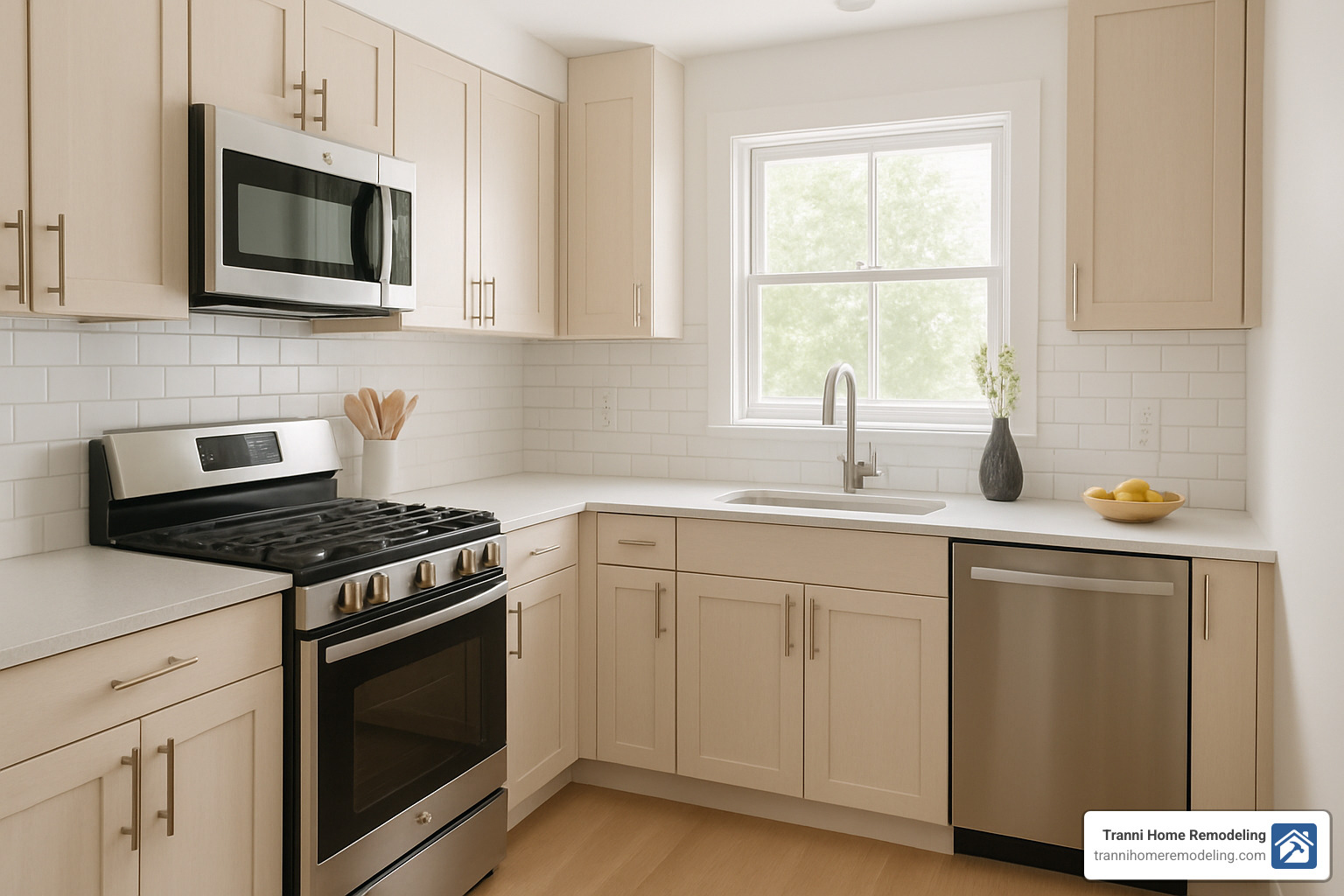
The key is choosing kitchen backsplash ideas that work with your space rather than against it. Small doesn’t have to mean boring – it just means being strategic about your choices.
Care, Maintenance & Longevity
A well-maintained backsplash can look stunning for decades, but different materials need different types of care. The good news? Most kitchen backsplash ideas are surprisingly easy to keep beautiful with just a few simple habits.
Your daily routine makes the biggest difference in longevity. After cooking, especially anything involving oil or tomato sauce, take thirty seconds to wipe down your backsplash with a damp microfiber cloth. This prevents buildup that becomes much harder to remove later.
Weekly deep cleaning keeps everything looking fresh. Most backsplashes respond well to warm water and a drop of dish soap, but natural stone needs special attention. We always tell our Billerica clients that preventative care saves money – addressing spills immediately prevents permanent staining, especially on marble or limestone.
Grout deserves special mention because it’s often the weak link in backsplash maintenance. Clean grout lines regularly with a baking soda paste or commercial grout cleaner. In high-use areas like behind the stove, plan to reseal grout annually to prevent moisture penetration and staining.
How to Clean Different Backsplash Materials
Each material in your kitchen backsplash ideas collection has its own personality when it comes to cleaning, and understanding these differences helps preserve your investment.
Ceramic and porcelain tiles are wonderfully forgiving. Use warm water and mild dish soap for daily cleaning, and they’ll reward you with years of beauty. For stubborn grease spots, a baking soda paste works wonders without scratching the glazed surface. Just avoid abrasive scrubbers that can dull the finish over time.
Glass tiles shine brilliantly when cleaned with glass cleaner or a simple vinegar solution. The secret is using microfiber cloths that prevent scratching while eliminating those pesky water spots that can make glass look cloudy.
Natural stone requires the gentlest touch but offers best beauty in return. Use only pH-neutral stone cleaners – never vinegar or lemon-based products that can permanently etch the surface. When red wine or coffee spills happen (and they will), blot immediately rather than wiping, which can spread the stain.
Stainless steel backsplashes love consistency. Clean with stainless steel cleaner or mild soap, always wiping in the direction of the grain. This prevents streaking and maintains that professional kitchen appearance.
Brick or textured surfaces need a gentle approach with soft brushes to clean without damage. Regular vacuuming removes dust and debris from crevices before they become embedded.
Choosing a Backsplash That Stands the Test of Time
The most successful kitchen backsplash ideas we’ve installed in our Middlesex County projects share certain timeless qualities that keep homeowners happy year after year.
Color wisdom plays a huge role in longevity. White, cream, gray, and natural stone tones never feel dated because they provide flexible backgrounds for changing accent colors. You can update your kitchen’s personality through dish towels, artwork, and accessories without touching the backsplash.
Quality installation matters more than most homeowners realize. Professional installation ensures proper adhesion, waterproofing, and finishing details that affect both appearance and durability. We’ve seen expensive materials fail prematurely due to poor installation, while properly installed mid-range materials last decades.
Classic patterns adapt beautifully to changing design trends. Subway tile, natural stone, and simple mosaics work with everything from farmhouse to contemporary styles. They provide the perfect backdrop for your evolving taste without feeling locked into a specific decade.
Lifestyle matching ensures satisfaction long-term. Busy families with young children benefit from low-maintenance ceramic or glass options that hide fingerprints and clean easily. Empty nesters might enjoy the luxury and character of natural stone that requires more attention but offers best beauty.
The key is choosing materials that align with both your aesthetic vision and your realistic maintenance habits. For comprehensive design guidance that considers longevity, explore our Modern Kitchen Design showcase.
Frequently Asked Questions about Kitchen Backsplash Ideas
When working with homeowners throughout Billerica and surrounding Massachusetts communities, we hear the same kitchen backsplash ideas questions repeatedly. Let me address the most common concerns based on our decade of experience in kitchen remodeling.
Are tile backsplashes going out of style?
Not even close! Tile backsplashes are actually becoming more popular than ever. Industry research consistently shows growing demand for tile because of the incredible variety of designs, textures, and patterns available today.
What’s really exciting is how tile technology keeps evolving. Modern manufacturing creates tiles that perfectly mimic wood grain, fabric textures, and natural stone – sometimes so realistic you need to touch them to tell the difference. Digital printing now allows for custom patterns and colors that simply weren’t possible a few years ago.
The key is choosing timeless designs rather than overly trendy patterns. Classic subway tiles, natural stone looks, and simple geometric patterns adapt beautifully to changing décor styles. Even if specific tile trends shift, the fundamental benefits of tile – durability, easy cleaning, and design flexibility – ensure they’ll remain a kitchen staple.
We’ve installed tile backsplashes in hundreds of kitchens, and homeowners consistently tell us years later how much they still love their choice. Quality tile installations can look fresh for decades with proper care.
What’s the easiest backsplash to install yourself?
Peel-and-stick tiles win hands-down for DIY friendliness. You literally just peel off the backing and stick them to clean, dry walls. No special tools, no messy adhesives, no grout mixing. Modern peel-and-stick options look surprisingly realistic and can be removed later without wall damage – perfect if you’re renting.
Beadboard panels come in second for easy installation. If you can use a saw, nail gun, and level, you can install beadboard. Wood is forgiving – minor imperfections that would be glaringly obvious with tile often add to beadboard’s rustic charm.
Here’s a surprising third option: large format tiles. While they require proper tools and adhesives, big tiles mean fewer cuts and fewer grout lines. Less cutting equals fewer opportunities for mistakes. The clean, modern look also hides minor imperfections better than busy patterns.
However, DIY installation voids most material warranties. If you’re investing in expensive natural stone or custom tiles, professional installation protects your investment and ensures proper waterproofing behind sinks and stoves.
Can I mix and match backsplash materials?
Absolutely! Mixing materials creates custom looks that reflect your personal style rather than copying magazine photos. The secret is making transitions look intentional rather than accidental.
Successful mixing often involves using different materials in distinct zones. For example, classic subway tile on main walls with decorative mosaic tile behind the range creates a beautiful focal point. Or you might use marble slab behind the cooktop with ceramic tile elsewhere for budget balance.
Color harmony matters more than material matching. Materials with similar color palettes blend naturally even when textures differ. A gray glass mosaic accent strip can beautifully complement gray ceramic field tiles.
Transition planning requires careful attention to where materials meet. Natural break points like corners, appliance edges, or cabinet boundaries work best for material changes. Ensure different materials have compatible thicknesses to avoid awkward height differences.
We’ve created stunning mixed-material backsplashes in our Chelmsford and Concord projects. The key is planning transitions carefully and sometimes using trim pieces to create clean edges where materials meet. Complex mixing projects often benefit from professional design guidance to ensure cohesive results.
Conclusion
Choosing the perfect kitchen backsplash ideas is one of the most exciting parts of any kitchen renovation. You’re not just picking tiles – you’re selecting a feature that will protect your walls, simplify your cleanup routine, and bring your design vision to life every single day.
Throughout our years serving families in Billerica, Chelmsford, Concord, and the greater Middlesex County area, we’ve learned that the most successful backsplash projects happen when homeowners find that sweet spot between personal style and practical function. Whether you fall in love with classic subway tile patterns, accept the bold beauty of natural stone slabs, or find the convenience of modern peel-and-stick options, the right choice is the one that makes you smile every time you walk into your kitchen.
The beauty of today’s kitchen backsplash ideas lies in their incredible variety. Budget-conscious homeowners can achieve stunning results with ceramic tiles and creative layouts, while those seeking luxury can indulge in hand-crafted zellige or dramatic marble installations. What matters most isn’t the price tag – it’s selecting materials and designs that truly reflect how you live and cook.
At Tranni Home Remodeling, we’ve finded that our most satisfied clients are those who invest in quality installation alongside beautiful materials. Even the most gorgeous tiles can disappoint if they’re not properly installed with attention to waterproofing, alignment, and finishing details. Our decade-plus experience has taught us that professional craftsmanship isn’t just about appearance – it’s about creating backsplashes that look beautiful and function flawlessly for decades to come.
Your kitchen deserves a backsplash that works as hard as you do while looking absolutely beautiful. From the first design consultation through the final cleanup, we’re here to guide you toward kitchen backsplash ideas that perfectly complement your space, lifestyle, and dreams for your home.
Ready to start your backsplash journey? We’d love to help you explore options that bring together style, durability, and value in ways that exceed your expectations. Let’s create something beautiful together.
For comprehensive renovation guidance and inspiration, explore our detailed kitchen remodeling resources.