





Why Your Home’s Electrical System Deserves Professional Attention
Residential electrical service keeps your home safe, functional, and ready for modern life. Whether you need a simple outlet repair, a full panel upgrade, or specialized installation like an EV charger, hiring a qualified electrician is essential for safety and code compliance.
Quick Answer: What You Need to Know About Residential Electrical Service
- Common Services: Panel upgrades, rewiring, lighting installation, outlet repairs, circuit breaker replacement, and smart home integration
- When to Call a Pro: Flickering lights, frequent breaker trips, hot switches, burning smells, or shocks from outlets
- Average Costs (industry estimates, not Tranni Home Remodeling pricing):
- Full rewiring: $12,000 to $36,000+
- Panel upgrade: $1,200 to $5,000+
- Home inspection: $350 to $1,200+
- Why Hire Licensed Pros: Safety, code compliance, insurance protection, proper tools, and avoiding costly DIY mistakes
- Key Qualifications: Licensed, insured, certified, and up-to-date on local electrical codes
Why This Matters
Your electrical system is the backbone of your home. Outdated wiring, overloaded circuits, or faulty panels can lead to house fires, electric shocks, and expensive damage. According to research, homes built before 1990 often lack the capacity for today’s demands—modern appliances, home offices, and electric vehicles all draw significantly more power than older systems were designed to handle.
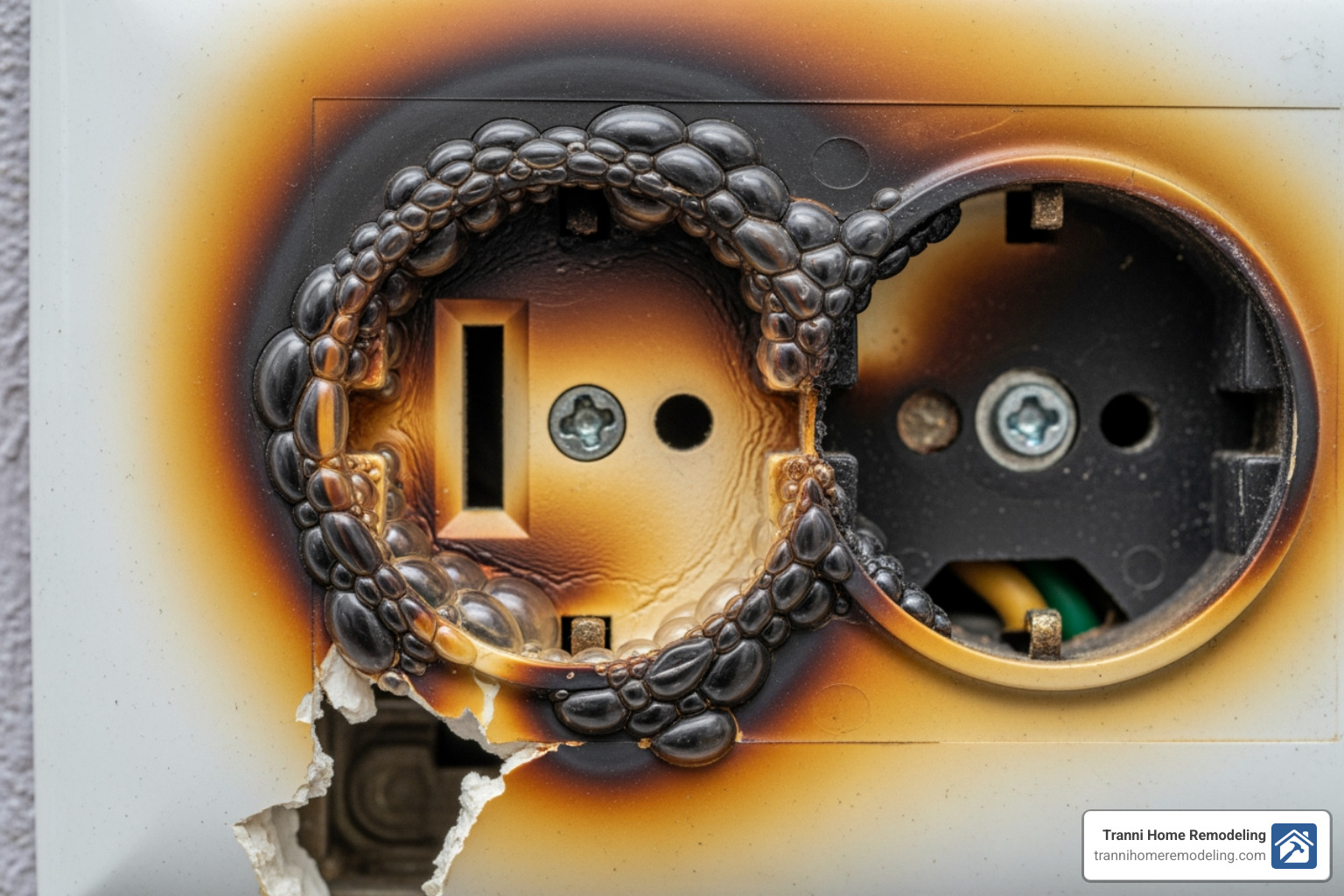
Signs of trouble include discolored outlets, buzzing sounds, frequent circuit breaker trips, and lights that flicker when you plug in appliances. If you notice any of these, it’s time to call a professional. As one electrical safety expert noted, “Electrical problems can be stressful, inconvenient, and sometimes dangerous.”
Who Should Read This Guide
This guide is for homeowners who want to understand their electrical system, recognize warning signs, and make informed decisions about hiring professionals. Whether you’re planning a kitchen remodel, upgrading an old home, or simply troubleshooting a problem, you’ll find the information you need here.
I’m Tyler Tranni, owner of Tranni Home Remodeling in Billerica, MA, and I’ve seen how critical residential electrical service is during renovations and upgrades. Over the years, I’ve worked closely with licensed electricians to ensure every project we complete meets the highest safety standards and provides lasting value for homeowners.
Residential electrical service terms you need:
- LED lighting installation services
- residential electrical panel upgrade
- residential electrical wiring
Common Residential Electrical Services Professionals Offer
A qualified electrician provides a wide range of services to keep your home powered safely and efficiently. Whether you’re renovating, upgrading, or troubleshooting, these are the most common jobs homeowners need. We at Tranni Home Remodeling understand that a robust electrical system is foundational to any successful home project, especially in our Massachusetts communities like Billerica, Woburn, and Wilmington.
Electrical Panel Upgrades and Repairs
Your electrical panel, or breaker box, is the heart of your system, distributing power throughout your home. Upgrades are often necessary for older homes, which might have outdated 100 Amp services, or to support new, high-demand appliances and technologies that require a more robust 200 Amp service or even higher. Modern homes are frequently built with 200 Amp panels to accommodate today’s electrical needs.
An upgrade doesn’t just mean more power; it ensures your system is up to current code standards and can safely handle the electrical load. If your home was built before 1990, it’s highly likely your electrical panel is not equipped for the demands of modern living. Upgrading your service can prevent frequent circuit breaker trips and potential fire hazards.
Electrical panel upgrades, including service upgrades, typically cost between $1,200 and $5,000+, depending on the complexity and existing infrastructure. This essential residential electrical service often involves replacing the entire panel, the meter socket, the wiring between the meter and panel, and the grounding system. Its an investment in your home’s safety and future.
Learn more about the importance of a residential electrical panel upgrade and when it’s time to replace electrical panel. If you’re concerned about older panels like a Federal Pacific Electric panel, a professional inspection can assess the risks. For those looking to boost their home’s capacity, understanding how to change 100 amp panel to 200 amp is crucial.
Residential Electrical Wiring and Rewiring
Proper wiring is critical for safety and function. This encompasses everything from running new lines for an addition to a complete home wiring replacement in an older property. Many older homes in our local service areas might still have outdated wiring systems that simply aren’t safe for today’s power consumption.
Rewiring an old home is a significant residential electrical service that can dramatically improve safety and functionality. The cost of a full rewiring can range from $12,000 to over $36,000, reflecting the extensive labor and materials involved in updating an entire home’s electrical infrastructure.
We specialize in residential electrical wiring for new constructions and renovations, ensuring all systems meet the latest safety codes. If you’re upgrading electrical in old home, we can help assess your current wiring, identify potential issues like knob and tube or aluminum wiring, and plan a safe, efficient upgrade.
Lighting, Outlet, and Switch Installations
Updating light fixtures and electrical devices can dramatically improve your home’s aesthetic, functionality, and safety. From creating ambient lighting in a newly remodeled kitchen to adding practical outdoor lighting, these installations make a big difference.

Our services include:
- Ceiling fan installation: Improves air circulation and can lower energy bills.
- Recessed lighting: Provides sleek, modern illumination without bulky fixtures.
- Outdoor and landscape lighting: Boosts curb appeal and improves security around your property.
- GFCI outlet installation: Ground Fault Circuit Interrupter outlets are crucial for safety in wet areas like bathrooms and kitchens, preventing electrical shocks.
- Smart switch and dimmer installation: Adds convenience and energy savings, allowing you to control lighting remotely or with voice commands.
- USB outlet upgrades: Modernizes your charging capabilities, eliminating the need for bulky adapters.
Specialized Installations for Modern Homes
Today’s homes have evolving electrical needs, driven by new technologies and a growing emphasis on convenience and sustainability.
- EV charging stations: As electric vehicles become more popular, having a dedicated charging station at home is a must. We design and install efficient and reliable EV charging stations, ensuring your home’s electrical system can safely support the additional load. The cost of a home EV charger installation, based on broad online averages, can range from about $750 on the low end to $3,000 or more on the high end, depending on the charger type and required electrical upgrades. These are general internet-based averages and not actual Tranni Home Remodeling pricing.
- Home backup generator installation: Don’t let power outages leave you in the dark. We install standby generators that automatically turn on within seconds of a blackout, keeping your essential appliances running. The cost of a home backup generator is determined by your power needs and the total electrical load you want to cover. We conduct onsite evaluations to determine the correct generator sizing for your family’s requirements.
- Smart home system integration: Imagine controlling your lighting, climate, security, and entertainment systems from a single device. We integrate various smart home technologies for improved convenience and energy efficiency. This often involves specialized low-voltage electricians near me who understand the intricacies of home automation.
- Home data network wiring: Reliable internet and data connectivity are essential. We install robust data communication systems to support your home office, streaming, and smart devices.
Warning Signs: When to Call for Residential Electrical Service
Your electrical system will often give you subtle, or not-so-subtle, warning signs before a major failure. Ignoring these can lead to fire hazards, electric shocks, or costly damage. If you notice any of the following in your home in Tewksbury, Wilmington, or any of our service areas, it’s time to call a professional electrician near me.
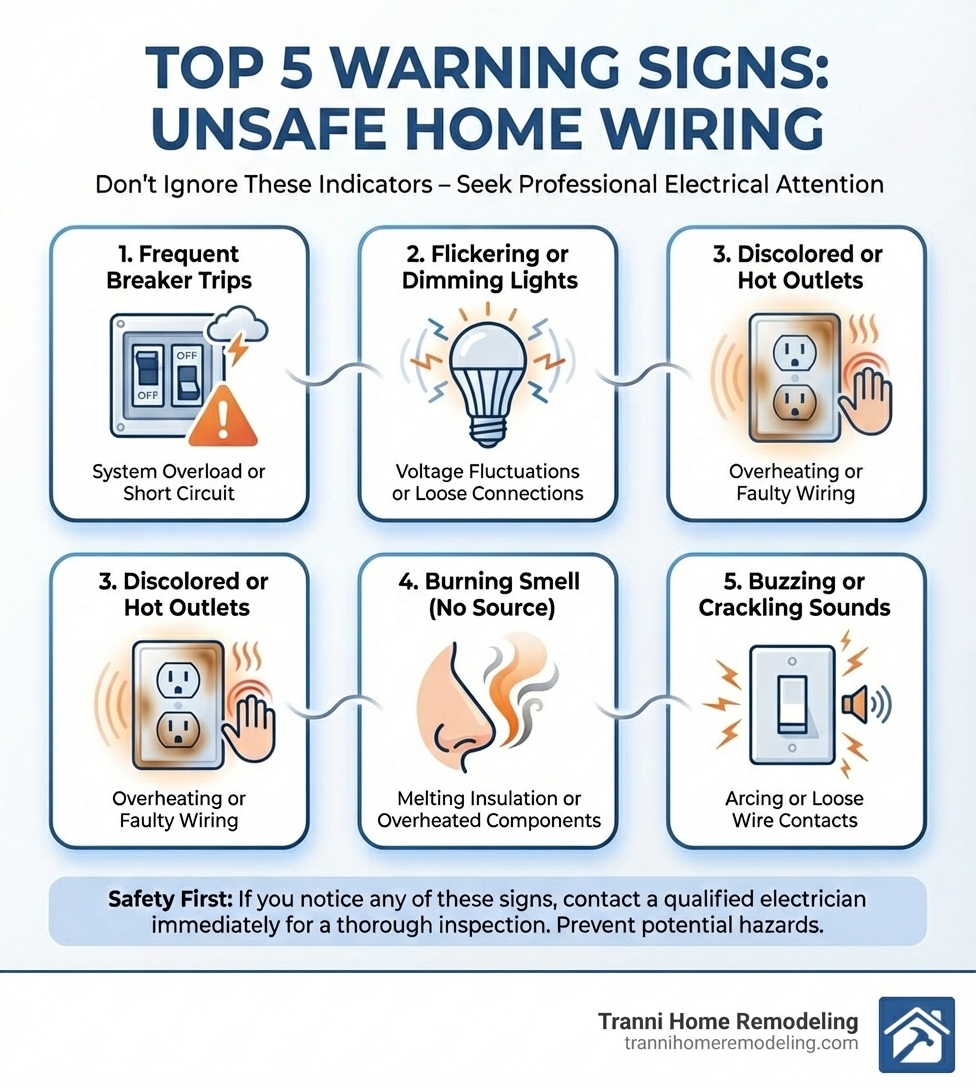
Here are the critical indicators:
- Frequent circuit breaker trips: Breakers are designed to trip when a circuit is overloaded or there’s a short. If this happens often, it’s a sign of underlying issues that need professional attention.
- Flickering or dimming lights: Lights that flicker or dim, especially when you turn on other appliances, suggest an overloaded circuit or fluctuating voltage.
- Buzzing or crackling sounds from outlets: Electrical systems should operate silently. Any unusual noises like buzzing or crackling coming from outlets, switches, or your electrical panel indicate loose wiring or other serious problems.
- Hot or discolored switch plates or outlets: If a switch plate or outlet feels warm to the touch, or if you notice discoloration around it, it’s a major red flag for overheating wires that could lead to a fire. While dimmer switches can sometimes feel warm, standard light switches should not.
- Burning smell with no obvious source: A faint burning smell, even without visible smoke, can indicate melting wire insulation. This requires immediate investigation.
- Mild shocks from appliances or outlets: Even a mild shock from touching an appliance or plugging something into an outlet is a sign of a grounding issue or faulty wiring.
- Outdated two-prong outlets: These ungrounded outlets are a clear sign of an older electrical system that lacks modern safety features and can pose a shock hazard.
- Federal Pacific 100 amp panel concerns: Federal Pacific Electric (FPE) panels, particularly those with Stab-Lok breakers, have been identified as a fire hazard due to breakers that may fail to trip when overloaded. If you have one of these, a professional assessment is highly recommended.
Upgrading Your System: Benefits and Key Considerations
An electrical upgrade is one of the most important investments you can make in your home’s safety and functionality. Modern systems are built to handle higher loads and incorporate advanced safety features, providing peace of mind for homeowners in communities like Billerica, Woburn, and Wilmington.
Benefits of a Modern Electrical System
Upgrading isn’t just about adding more power; it’s about creating a safer, more reliable, and future-proof home. Here’s what you gain:
- Increased safety: Modern wiring, panels, and circuit breakers significantly reduce the risk of electrical fires, shocks, and damage.
- Prevents overloaded circuits: Today’s homes use far more electricity than those even a few decades ago. An upgraded system can handle the demand without constant tripping or overheating.
- Supports modern appliances: High-power appliances like electric stoves, dryers, and air conditioning units require dedicated circuits and sufficient amperage. An upgrade ensures your home can power them all effectively.
- Increases home value: A safe, updated electrical system is a major selling point and can increase your property’s market value.
- Energy efficiency: Upgrades can allow for more efficient lighting (like LEDs) and smart home devices that help manage energy consumption, potentially lowering your utility bills.
- Lower insurance premiums: Some insurance companies offer reduced rates for homes with updated electrical systems, recognizing the decreased risk of electrical incidents.
Planning for a Panel Upgrade
Knowing when and how to upgrade your panel is key. As mentioned, most homes built before 1990 may not have the capacity for today’s electrical demands. If you’re considering a major renovation, adding large appliances, or planning for an EV charger, a panel upgrade is likely essential.
Heres a look at typical service panel capacities:
| Panel Amperage | Best Suited For |
|---|---|
| 100 Amp | Older, smaller homes with basic electrical needs. Minimum for new construction. |
| 200 Amp | Modern homes with several major appliances, central AC, and moderate tech usage. |
| 400+ Amp | Large homes, homes with electric vehicle charging, pools, workshops, or extensive smart home systems. |
When you’re installing a new 200 amp service panel, you’re investing in your home’s capacity and safety. The cost to change electrical panel can vary, but it’s a necessary part of ensuring code compliance. All typical price ranges mentioned are broad averages found online and do not reflect actual Tranni Home Remodeling pricing. A modern panel also offers excellent future-proofing for EVs and smart homes, allowing you to expand your electrical needs without immediate concerns. Even if you have new electrical panel old wiring, a professional can ensure safe integration and identify any necessary wiring updates.
Hiring a Professional vs. DIY: Safety, Costs, and Qualifications
While some home projects are great for a weekend warrior, electrical work is not one of them. The risks are too high, and the work requires deep technical knowledge. We always advise homeowners in our local Massachusetts service areas to prioritize safety above all else.
The Dangers of DIY Electrical Work
Attempting your own electrical work can lead to severe consequences. Its not just about getting the job done; its about doing it safely and correctly.
- Safety hazards: The most significant risk is electrocution, which can be fatal. Improper wiring can also lead to electrical fires, endangering your family and home.
- Code violations: Electrical work is governed by strict local and state codes. Professionals know these codes inside and out. DIY work almost always results in violations, which can cause problems during inspections or when selling your home.
- Insurance invalidation: If an electrical fire occurs due to DIY work, your homeowner’s insurance policy may not cover the damages, leaving you with devastating financial losses.
- Costly mistakes: What seems like a simple fix can quickly turn into a complex, expensive problem if done incorrectly. A professional will often have to undo and redo faulty DIY work, costing you more in the long run.
- Lack of expertise and tools: Electrical work requires specialized knowledge of circuitry, load calculations, and safety protocols, as well as specific tools. Most homeowners lack this expertise and equipment.
For more information on the critical nature of professional electrical services, visit our page on electrical services.
Finding a Qualified Residential Electrical Service Provider
Hiring the right contractor is crucial for any residential electrical service. Look for professionals with the proper credentials and a proven track record. When seeking out how to find a good electrician near me in Massachusetts, consider these points:
- Licensed and insured: Always verify that the electrician holds a current state license (e.g., Massachusetts Journeyman or Master Electrician license) and carries adequate liability insurance and Workers’ Compensation coverage. This protects you from financial responsibility in case of accidents or damage.
- Check for certifications: Beyond basic licensing, some electricians may have additional certifications in specific areas like smart home technology or EV charger installation.
- Verify credentials with safety authorities: In Massachusetts, you can verify an electrician’s license through the Board of State Examiners of Electricians. This ensures they are recognized and regulated by the state.
- Read reviews and ask for references: Look for testimonials from other homeowners in your area. A reputable company will be happy to provide references.
- Get written estimates: Always obtain a detailed, written estimate that outlines the scope of work, materials, and labor costs before any work begins. This helps prevent surprises.
For trusted professionals, explore our options for a reliable electrician near me.
Understanding the Costs of Professional Service
Costs for residential electrical service can vary widely based on the complexity of the job, the materials required, the age of your home, and your specific location. It’s important to get a detailed quote for your project.
Please note: The following figures are based on broad industry averages found online and do not represent actual pricing from Tranni Home Remodeling. Costs can range significantly based on project complexity, location, and materials.
Here are some average cost ranges for common electrical projects, using wide ranges where the high end can be at least three times the low end:
- Full Home Rewiring: This extensive project typically shows online averages from around $8,000 on the low end to $36,000 or more on the high end. The final price depends on the size of your home, the accessibility of existing wiring, and the type of new wiring installed.
- Electrical Panel Upgrade: Upgrading your electrical panel (e.g., from 100 Amp to 200 Amp service) is often listed online from roughly $1,200 on the low end up to $5,000+ on the high end. This usually includes the new panel, breakers, and labor.
- Electrical Home Inspection: A thorough electrical inspection to assess your system’s safety and code compliance typically ranges online from about $200 on the low end to $1,200 or more.
- EV Charger Installation: Installing an electric vehicle charging station at home can cost from around $750 on the low end to $3,000+ on the high end, depending on whether your existing electrical panel needs an upgrade to support it.
These figures provide a general idea based on internet data, but for an accurate estimate specific to your home and needs in our Massachusetts service area, we recommend scheduling a consultation.
Frequently Asked Questions about Residential Electrical Service
We often get questions from homeowners in our Massachusetts communities about their electrical systems. Here are some of the most common ones.
How can I ensure electrical safety in my home?
Ensuring electrical safety is paramount. We recommend several key practices:
- Regularly test your smoke and CO detectors: These life-saving devices need to be checked monthly and batteries replaced annually.
- Avoid overloading outlets with power strips: Overloading can cause circuits to overheat and trip, or worse, start a fire.
- Never use damaged cords: Frayed or cracked electrical cords should be replaced immediately.
- Install GFCI outlets: Especially in kitchens, bathrooms, and outdoor areas, Ground Fault Circuit Interrupter outlets protect against severe electrical shocks.
- Use surge protectors: For sensitive electronics, surge protectors can prevent damage from power fluctuations.
- For a comprehensive check, schedule a professional home wiring inspection: An expert can identify hidden hazards and ensure your system meets current safety standards.
What should I consider for electrical work in a renovation?
When planning electrical work for new builds or renovations in our local service areas, it’s wise to think ahead. Integrating electrical work during the construction phase is far more cost-effective than retrofitting later.
- Plan for future needs: Add more outlets than you think you’ll need, especially in living areas and kitchens, where appliance use is high. Consider dedicated circuits for home offices, workshops, or high-power kitchen appliances.
- Smart home integration: Think about incorporating smart home technology from the outset. This could include smart lighting, thermostat controls, security systems, and even pre-wiring for future automation.
- EV charging readiness: If you anticipate owning an electric vehicle, pre-wire your garage for an EV charging station during the renovation.
- Rough-in phase efficiency: The “rough-in” phase of new home construction or renovation, when wall framing is finished and studs are exposed, is the ideal time for electricians to install wiring, boxes, and components. This easy access allows for efficient and precise installation.
What is the difference between a licensed electrician and a handyman?
This is a critical distinction for your home’s safety and your peace of mind.
A licensed electrician has undergone extensive training, typically involving thousands of hours as an apprentice under a master electrician. They have passed rigorous state exams (like those in Massachusetts) to demonstrate their knowledge of electrical theory, safety protocols, and complex wiring techniques. Licensed electricians are required to stay updated on the latest electrical codes and safety regulations. Crucially, they are insured for electrical work, which protects you from liability if an accident occurs.
A handyman, while capable of many home repairs, typically does not possess this specialized training, licensing, or insurance for electrical work. While they might be able to change a lightbulb or fix a simple switch, anything beyond minor, non-system-altering tasks should be left to a licensed professional. Attempting complex electrical work without proper qualifications is illegal in many areas and extremely dangerous.
Conclusion
Your home’s electrical system is the foundation of modern living, and keeping it safe and up-to-date is a critical responsibility. From minor repairs to major upgrades like a residential electrical panel upgrade, always prioritize safety by hiring a qualified, licensed, and insured professional. For homeowners in communities like Billerica, MA, Woburn, MA, and Wilmington, MA, Tranni Home Remodeling integrates expert electrical work into our comprehensive home renovation services, ensuring your project is beautiful, functional, and safe from the inside out.
If you’re planning a renovation or need to address your home’s electrical needs, we’re here to help. Contact us today to learn more about our expert electrical services.
Like us on Facebook!
