





Basement design ideas: 10 Stunning Upgrades
Opening Up Untapped Potential in Your Home
Basement design ideas can transform your home’s most underused space into a functional, beautiful living area that adds real value. Whether you dream of a home theater, a guest suite, or a workspace, the right design turns a neglected lower level into a room you’ll love.
Here are the most popular basement design ideas for busy homeowners:
- Home Theater – Projector screen, surround sound, and tiered seating for movie nights
- Guest Suite or In-Law Apartment – Bedroom, bathroom, and kitchenette for privacy and comfort
- Home Gym – Rubber flooring, mirrors, and proper ventilation for your fitness routine
- Basement Bar & Lounge – Wet bar, custom cabinetry, and cozy seating for entertaining
- Home Office – Quiet workspace away from household distractions
- Kids’ Playroom – Safe, contained area where toys can stay out of sight
- Game Room – Pool table, dartboard, and entertainment setup for adults
- Creative Studio – Dedicated space for hobbies, crafts, or music
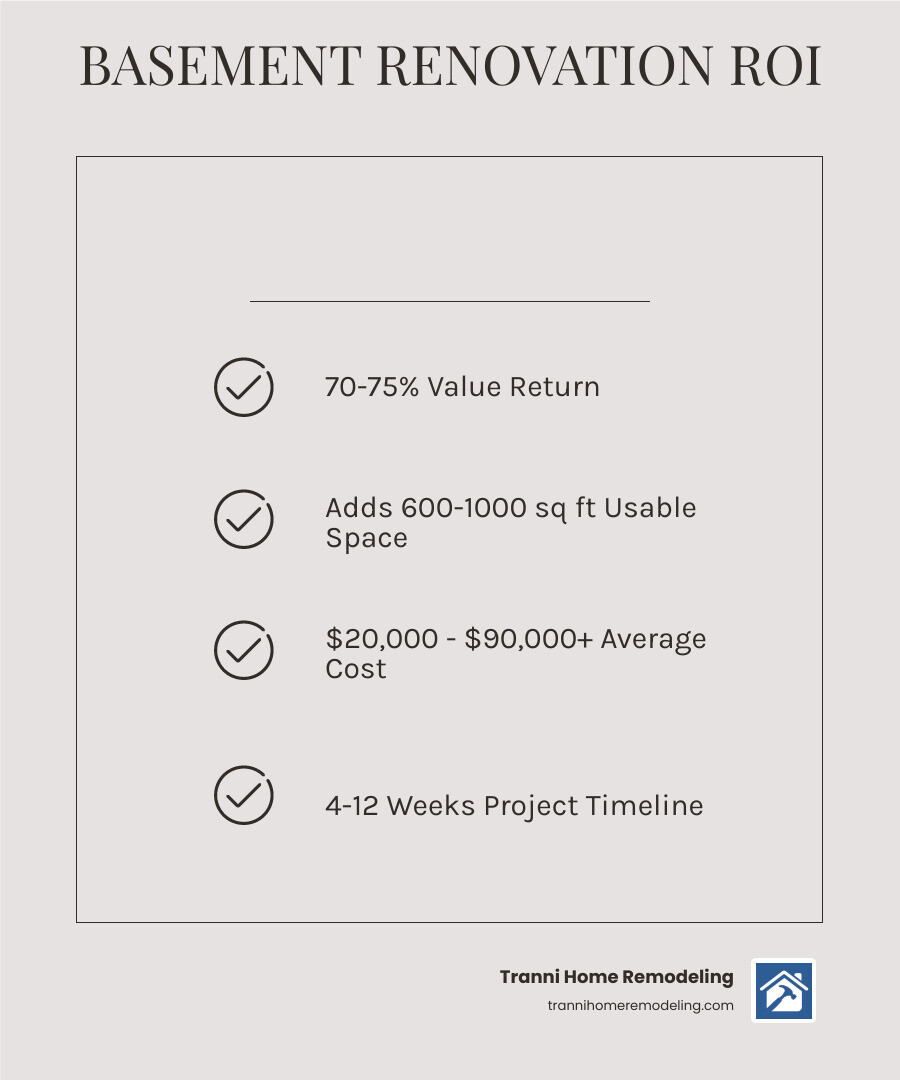
The average cost to finish a basement ranges from $20,000 to $90,000+, with a renovation timeline of 4 to 12 weeks. This investment adds livable square footage at a lower cost than an addition and can boost your home’s resale value significantly.
Before picking paint colors, address three critical steps: moisture control and waterproofing, code compliance and layout, and material selection. These decisions are foundational for a successful project, especially in Middlesex County, the North Shore, and Merrimack Valley, where seasonal moisture makes waterproofing essential.
I’m Tyler Tranni, owner of Tranni Home Remodeling. I’ve helped many local homeowners transform their basements into spaces their families use daily. My experience has shown that the best basement design ideas start with solid planning and moisture management, not just Pinterest boards.
Key Basement design ideas vocabulary:
Planning Your Perfect Basement: The Essential First Steps
The most exciting basement design ideas come to life only after handling the essential groundwork. Before choosing furniture or paint, every successful basement renovation requires three critical elements: moisture control and waterproofing, code-compliant layout planning, and durable material selection. Getting these right ensures a comfortable space that lasts for decades, avoiding issues like mold, failed inspections, or buckled flooring. This is especially true for homes in Middlesex County and the North Shore, which face unique moisture challenges. Our Basement Waterproofing Solutions and Basement Ventilation Solutions are custom for these New England conditions.
Step 1: Master Moisture and Waterproofing
If you skip waterproofing, you’re wasting your money. Water intrusion leads to mold, buckled floors, and ruined drywall. In our region, with heavy rains and humid summers, a dry basement is the foundation of a successful renovation.
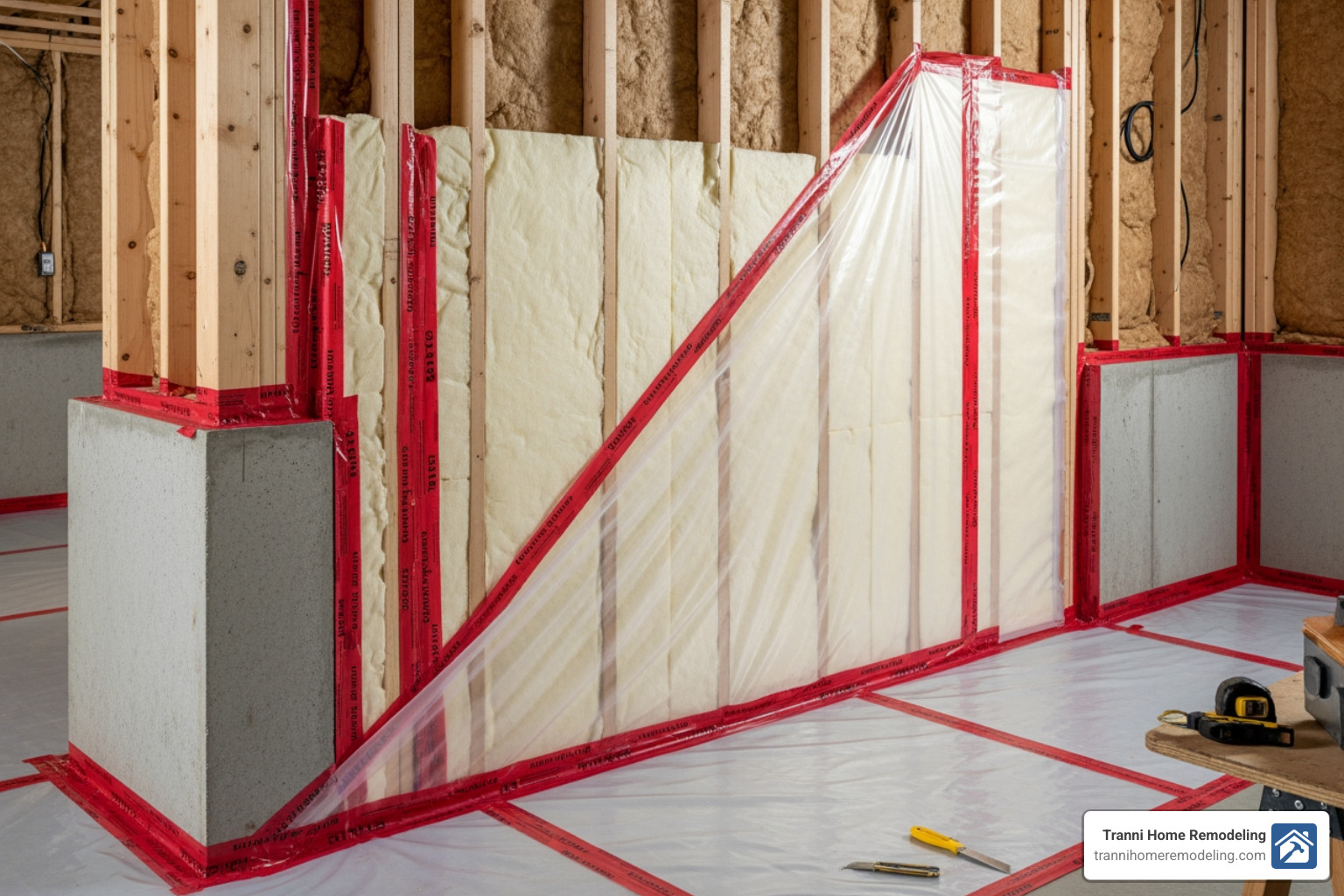
Our process starts with a thorough foundation inspection to find any cracks or vulnerabilities. A reliable sump pump system is your first line of defense against groundwater. We then install vapor barriers on walls and floors to block moisture seepage, and a quality dehumidifier maintains optimal humidity levels. Finally, waterproof coatings add an extra layer of protection. A dry basement isn’t just about preventing damage; it’s about creating a comfortable, healthy living space. For comprehensive moisture solutions, visit our Basement Waterproofing Solutions page.
Step 2: Code Compliance, Layout, and Lighting
Once dry, the focus shifts to safety, legality, and usability. Code compliance is non-negotiable for safety. In Massachusetts, finished basements require minimum ceiling heights (typically 7 to 7.5 feet) and a legal egress window for any bedroom. Egress windows also provide essential natural light. You can learn more about building code requirements for finished basements to understand what applies to your project.
Layout planning should be driven by function. Open-concept designs are great for family rooms, while zoned layouts work well for multi-purpose spaces. We design around immovable elements like furnaces and support beams, often turning them into design features.
A smart lighting strategy is crucial. We use layered lighting, combining recessed LED fixtures for general ambient light, sconces and task lighting for specific areas, and lamps for flexibility and warmth. Light-colored paint and mirrors help make the space feel bigger and brighter. Upgrading to larger windows or adding a walk-out door can make a huge difference. Our team handles Basement Window Replacement to improve light, safety, and efficiency.
Step 3: Choosing Durable and Stylish Materials
Basement materials must withstand moisture and temperature fluctuations. We use moisture-resistant drywall and mold-resistant paint to prevent mold growth, a common issue with standard materials.
For flooring, we recommend durable, water-resistant options over traditional carpeting:
- Luxury Vinyl Plank (LVP): Water-resistant, durable, and mimics the look of real hardwood or stone.
- Sealed concrete: A modern, industrial, and highly durable option. We can Refinish Concrete Basement Floor to turn it into a design feature.
- Ceramic or porcelain tile: A virtually indestructible and moisture-proof choice, perfect for bathrooms or entire basements.
For ceilings, drywall offers a seamless look, while drop ceilings provide easy access to wiring and plumbing. For comfort and energy efficiency, we recommend proper insulation like spray foam or rigid foam boards, which also act as moisture barriers. For detailed guidance, the Energy.gov basement insulation guide offers expert recommendations.
With these foundational steps handled, you’re ready to explore exciting basement design ideas.
10 Inspiring Basement Design Ideas for Every Lifestyle
Now for the fun part! With the groundwork laid, let’s explore some of the most popular and creative basement design ideas that can transform your lower level into a truly remarkable space. From entertainment hubs to private retreats, the possibilities are endless. Want visual inspiration? Explore our project gallery.
1. The Ultimate Home Theater
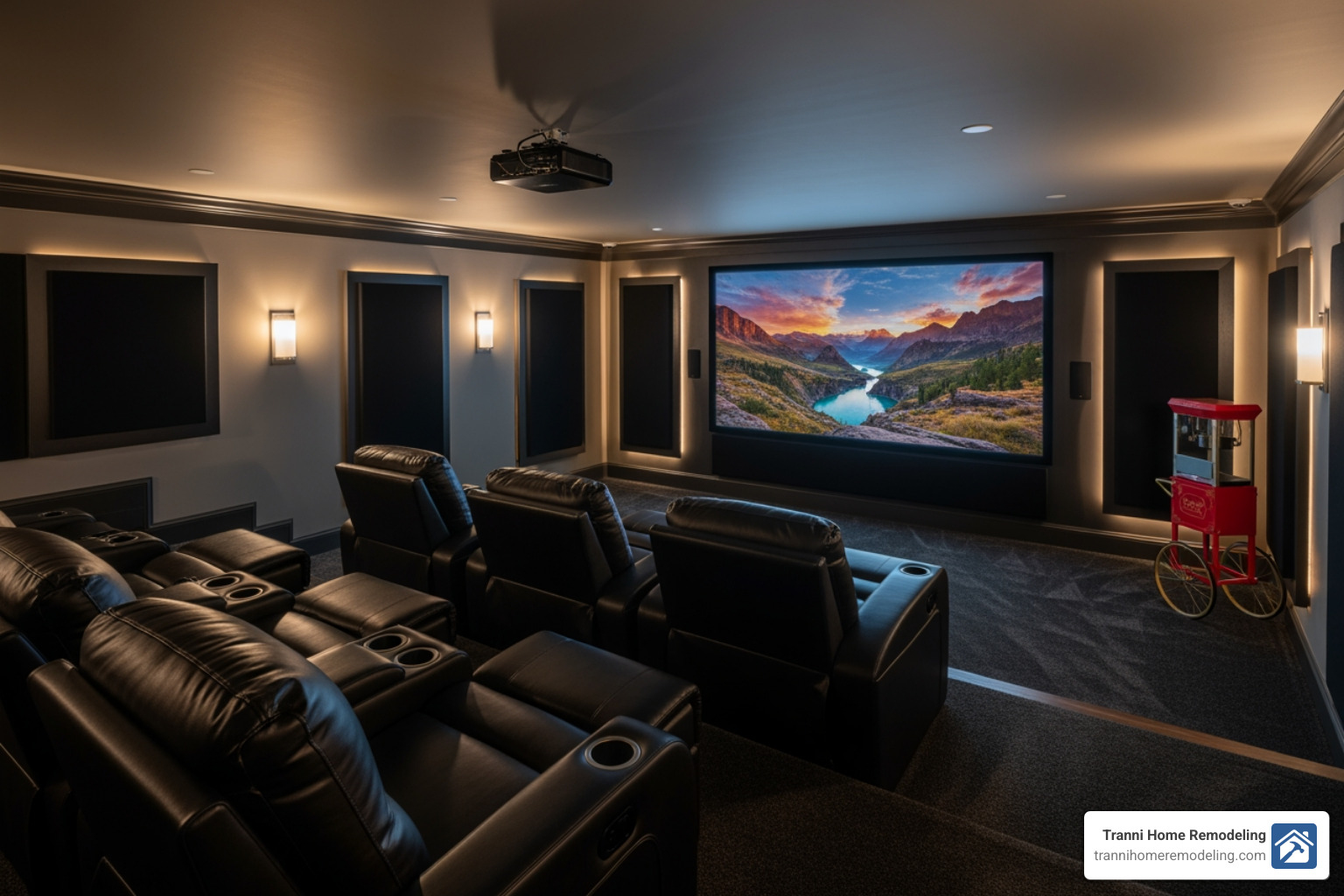
Transform your basement into a private cinema. Basements are naturally dark, making them ideal for a home theater without needing blackout curtains. The key elements for an authentic experience include a quality projector screen and surround sound system, with a layout designed for optimal acoustics and viewing angles.
Soundproofing is crucial for an immersive experience and to avoid disturbing others in the house. If space allows, tiered seating ensures everyone has an unobstructed view. Other popular features include a snack bar or wet bar and dimmable lighting to set the perfect movie-watching mood.
The average cost for a dedicated basement home theater ranges from $30,000 to $45,000, with high-end installations exceeding $135,000. These are average costs based on internet data and not actual quotes from Tranni Home Remodeling. The typical timeline is 4 to 6 weeks, depending on the complexity of the A/V setup.
2. The Functional Home Gym

Create a private fitness space and skip the gym membership. A basement gym offers the privacy to work out on your own schedule. Key features include durable rubber flooring to protect the subfloor and cushion joints, and mirrored walls to check your form and make the space feel larger and brighter.
Proper residential ventilation is essential for air quality and comfort during workouts. We also recommend creating designated zones for cardio, weight training, and stretching to keep the space organized and functional.
A functional basement home gym typically costs between $35,000 and $55,000, with more elaborate setups reaching over $165,000. These are average costs based on internet data and not actual quotes from Tranni Home Remodeling. The timeline is usually 4 to 8 weeks, depending on electrical and ventilation needs.
3. The Welcoming Guest Suite or In-Law Apartment
A basement guest suite offers privacy for visiting family and friends, and can even be designed as a self-contained in-law apartment for multi-generational living or rental income. This is one of the highest-value basement design ideas.
Key components include:
- A legal egress window is mandatory for any basement bedroom, providing a safe exit and valuable natural light.
- A private bathroom adds significant comfort and value, as an extra bathroom is known to boost a home’s value considerably.
- A kitchenette with a sink, microwave, and mini-fridge offers independence for longer stays.
- A separate entrance, where possible, creates a true apartment feel.
- Murphy beds are a smart solution for multi-purpose rooms, allowing a space to function as an office or playroom when guests are not visiting.
Creating a full suite is an extensive project involving plumbing and electrical work. Costs typically range from $65,000 to $90,000+, with high-end versions exceeding $270,000. These are average costs based on internet data and not actual quotes from Tranni Home Remodeling. The timeline is usually 6 to 12 weeks. This investment adds a complete living unit to your home at a fraction of the cost of an addition, making it a popular choice for families in Middlesex County and the Merrimack Valley.
4. The Sophisticated Basement Bar & Wine Lounge
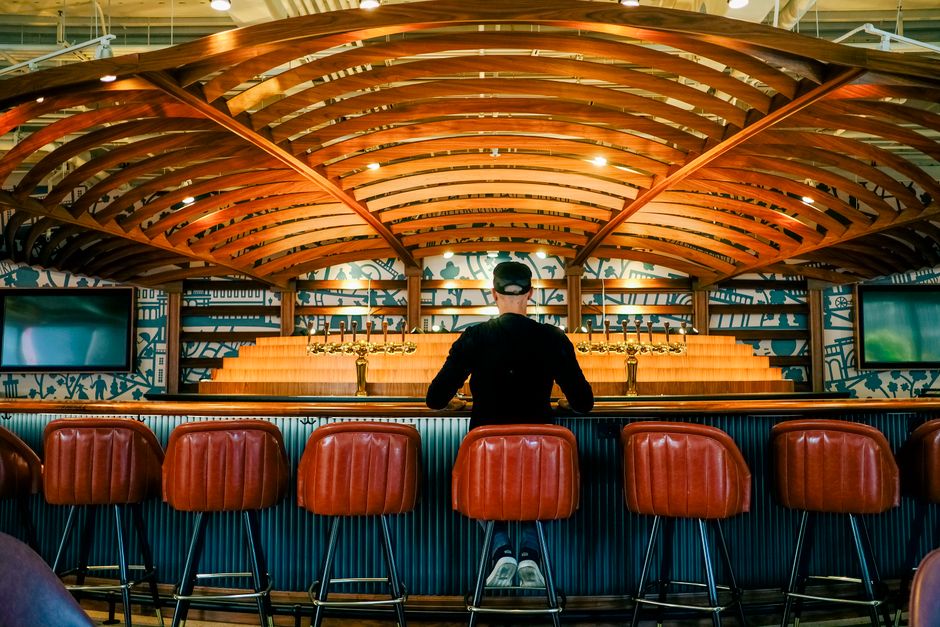
Create the ultimate adult retreat with a private pub or wine lounge in your basement. The centerpiece is a wet bar with running water, which is essential for mixing drinks and easy cleanup. Our Best Basement Bar Installation Guide offers detailed inspiration.
Custom cabinetry provides custom storage for glassware and bottles, while comfortable bar seating makes the space an inviting gathering spot. For wine lovers, proper wine storage, from climate-controlled cellars to simple racks, is key. Finally, layered mood lighting with dimmable fixtures creates the perfect ambiance for any occasion.
A basement bar and wine lounge typically costs between $25,000 and $40,000, with high-end designs exceeding $120,000. These are average costs based on internet data and not actual quotes from Tranni Home Remodeling. Most projects take 4-8 weeks. For more details, visit our Basement Bar Renovations page.
More Basement Design Ideas: Offices, Playrooms, and Sanctuaries
Our expertise in basement design ideas extends to many other custom spaces:
- Productive Home Office: A quiet, distraction-free workspace with built-in desks and smart lighting. (Avg. cost: $20k-$30k+, up to $90k+)
- Kids’ Playroom/Teen Retreat: A durable, fun zone with creative storage to keep clutter contained. (Avg. cost: $20k-$35k+, up to $105k+)
- Adult Game Room: Space for pool tables, dartboards, or arcade games. (Avg. cost: $25k-$50k+, up to $150k+)
- Creative Studio/Workshop: A dedicated area for hobbies with durable surfaces and organized tool storage. Our Basement Storage Solutions can help. (Avg. cost: $25k-$40k+, up to $120k+)
- Wellness Sanctuary: A serene escape for yoga, meditation, or even a sauna. (Avg. cost: $20k-$40k+, up to $120k+)
Please note: All pricing mentioned above is based on internet averages and not actual Tranni Home Remodeling quotes. High-end pricing is at least 3x the average. Timelines are estimates and can vary.
Navigating the Renovation: Costs, Timelines, and ROI
Understanding the financial side of your basement renovation is key. While the upfront investment is significant, the long-term benefits in living space and home value make it one of the smartest home improvements.
What is the Average Cost of a Basement Renovation?
The average cost for a basement remodel ranges from $20,000 to $90,000+. Finishing a basement is generally the most cost-effective way to add square footage to your home compared to an addition.
Factors influencing the final cost include:
- Size of the basement
- Extent of work: A simple finish versus adding a bathroom or kitchenette.
- Material choices: Builder-grade versus high-end custom finishes.
- Structural changes: Moving support beams or reconfiguring walls.
- Moisture issues: Proper waterproofing is a necessary investment.
- Permits and inspections: Required for most renovations in Massachusetts towns like Billerica, Woburn, or Chelmsford.
For a detailed breakdown, see our Basement Remodeling Cost Per Square Foot guide.
Here’s a general overview of estimated costs and potential ROI for common basement design ideas:
| Renovation Type | Estimated Cost (USD) | Typical Timeline | Potential ROI (Resale Value) |
|---|---|---|---|
| Home Theater | $30,000 – $45,000 (up to $135,000+) | 4–6 weeks | 60-70% |
| Home Gym | $35,000 – $55,000 (up to $165,000+) | 4–8 weeks | 50-65% |
| Guest Suite / In-Law Apartment | $65,000 – $90,000+ (up to $270,000+) | 6–12 weeks | 70-80% (Higher for rental) |
| Home Office | $20,000 – $30,000 (up to $90,000+) | 3–5 weeks | 60-70% |
| Bar / Wine Lounge | $25,000 – $40,000 (up to $120,000+) | 4-8 weeks | 55-65% |
| Playroom / Teen Retreat | $20,000 – $35,000 (up to $105,000+) | 4-8 weeks | 50-60% |
| Game Room (Adults) | $25,000 – $50,000 (up to $150,000+) | 4-8 weeks | 55-65% |
| Wellness Sanctuary | $20,000 – $40,000 (up to $120,000+) | 4-8 weeks | 50-60% |
| Creative Studio / Workshop | $25,000 – $40,000 (up to $120,000+) | 4-8 weeks | 50-60% |
Note: All pricing is based on internet averages and not actual Tranni Home Remodeling quotes. High-end pricing is at least 3x the average. ROI is an estimate and can vary based on market conditions, location, and quality of renovation.
Typical Timelines and Financing Your Project
Most basement renovations take 4 to 12 weeks, depending on complexity. A simple finish may take a month, while a full in-law suite could take three months or more. Permitting delays can also affect the timeline, which is why we handle all paperwork and coordinate with inspectors to keep the project moving.
For financing your basement renovation, popular options include a home equity loan or line of credit (HELOC), a personal loan, or a cash-out refinance. We recommend consulting a financial advisor to determine the best option for your situation.
Smart Solutions and Common Mistakes to Avoid
Even the best basement design ideas can fail without smart planning. After years of Professional Basement Finishing projects across the North Shore and Merrimack Valley, we’ve learned what works and what to avoid.
Top 5 Basement Renovation Mistakes
- Skipping or skimping on waterproofing. Moisture control is non-negotiable. Mold will ruin even the most beautiful finishes.
- Poor lighting planning. A single fixture creates a cave-like feel. Use layered lighting (ambient, task, accent) to create a warm, inviting space.
- Ignoring ceiling height. Codes require 7 to 7.5 feet, but a cramped-feeling room is an investment wasted.
- Using the wrong flooring. Standard carpet traps moisture and promotes mold. Choose moisture-resistant options like luxury vinyl plank (LVP), sealed concrete, or tile.
- DIYing complex electrical or plumbing. This is a safety risk and can lead to failed inspections and costly rework. Always hire licensed professionals for this work.
Designing for Narrow or Unusually Shaped Basements
Challenging layouts can become interesting, functional rooms with the right approach.
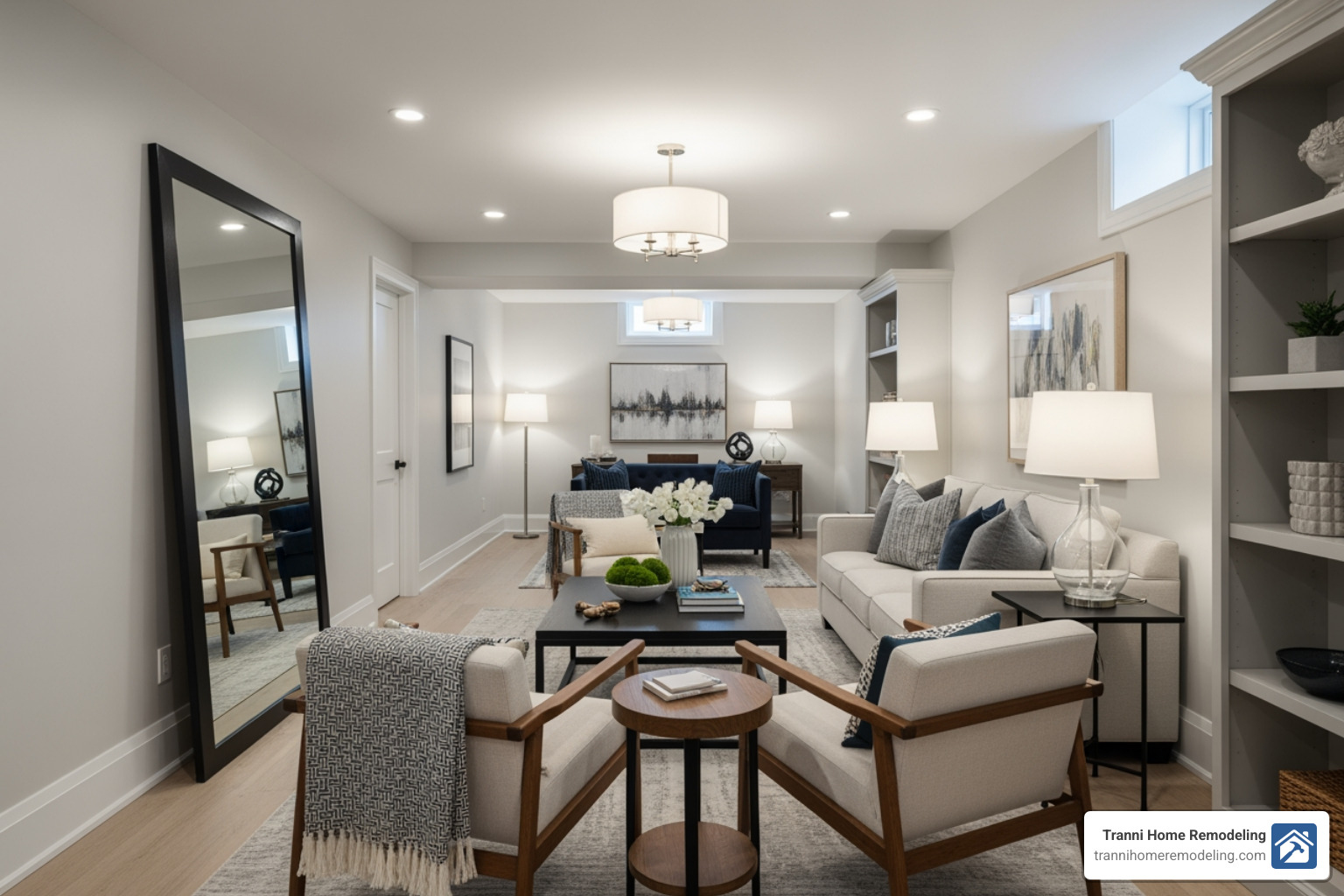
- Create zones with furniture instead of walls to define living, office, or play areas.
- Use light color palettes (whites, light grays) to make the space feel more open and airy.
- Place mirrors strategically to create an illusion of depth and amplify light.
- Incorporate custom built-ins to maximize storage in awkward nooks and make support columns feel intentional.
For more ideas, see our Narrow Basement Living Room Inspiration in our project gallery.
Frequently Asked Questions About Basement Renovations
Here are answers to common questions we hear from homeowners exploring basement design ideas.
How do you make a basement not feel like a basement?
The key is to combat the typical “basement” feel. Maximize light by enlarging windows or adding egress windows, and implement a layered lighting plan with recessed lights, sconces, and lamps. Use light, neutral color palettes to make the space feel open and airy. Ensure you have adequate ceiling height (7-7.5 feet minimum). Finally, use high-quality finishes and comfortable furnishings to create a space that feels like a natural extension of your home.
What adds the most value to a basement?
From a resale perspective, adding legal, code-compliant living space is the biggest value driver. Features that maximize ROI include a bedroom with a legal egress window and a full or half bathroom. An extra bathroom alone can significantly boost home value. The highest ROI often comes from a self-contained apartment (where zoning allows), which appeals to buyers seeking rental income or multi-generational living options.
Do I need a permit to finish my basement in Massachusetts?
Yes, permits are required for most basement renovation work in Massachusetts, including any structural changes, new electrical wiring, or plumbing installations. Requirements can vary by town, so it’s crucial to check with your local building department in communities like Billerica, Woburn, or Chelmsford. As part of our service, we handle all permitting and inspections to ensure your project is safe, compliant, and proceeds smoothly.
Transform Your Basement into the Best Room in the House
Your basement holds incredible potential to become your family’s favorite room. With the right basement design ideas and expert planning, that underused storage area can be transformed into a home theater, guest suite, gym, or any other space that fits your lifestyle.
A well-executed basement renovation adds valuable, functional square footage at a lower cost than an addition and can significantly increase your home’s resale value. It’s an investment in your home and your family’s enjoyment.
In Middlesex County, the North Shore, and Merrimack Valley, we understand the local challenges, from moisture control to older foundations. Proper planning and professional execution are key to creating a lasting investment, not a future headache.
At Tranni Home Remodeling, we have over a decade of experience helping homeowners in communities like Billerica, Woburn, and Chelmsford create beautiful, functional basements. We pride ourselves on high-quality craftsmanship and outstanding service, handling every detail from waterproofing to the final touches.
Ready to open up your basement’s potential? Contact us for your professional basement finishing project today, and let’s bring your dream basement to life.
