




Why Hiring a Residential Electrician Is the Smartest Home Decision You’ll Make
A residential electrician is a licensed professional who installs, maintains, troubleshoots, and repairs the electrical wiring and systems in your home. If you need one fast, here’s what to know:
- What they do: Wire new construction, upgrade panels, fix outlets, install EV chargers, and more
- Why hire a pro: Electrical mistakes cause fires, injuries, and failed inspections
- Licensing: Look for a licensed, insured electrician — requirements vary by state
- Cost range: Projects vary widely; panel upgrades average $1,200–$5,500+ (based on internet data, not Tranni pricing)
- When to call: Flickering lights, tripping breakers, burning smells, or any major upgrade
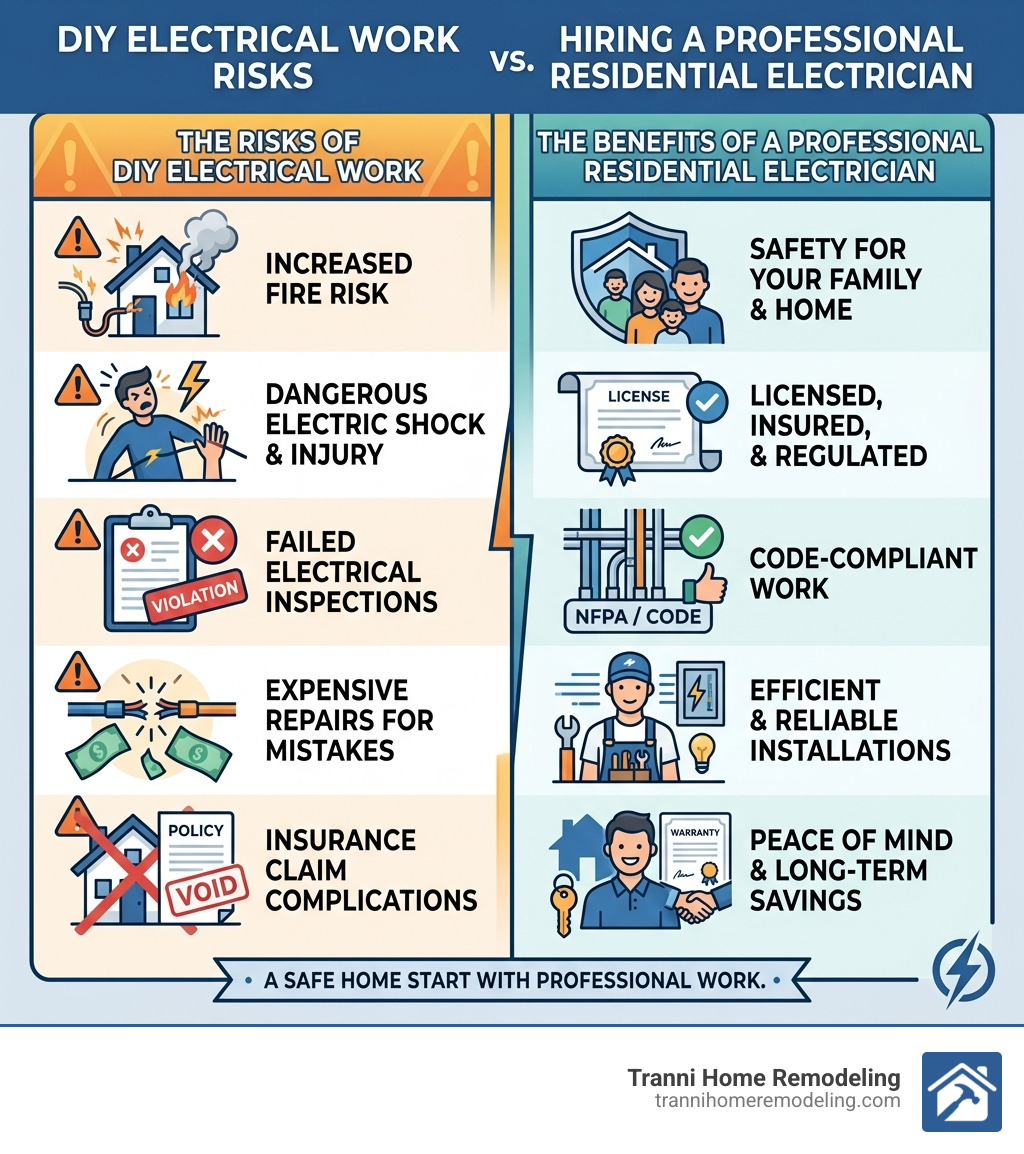
Your home’s electrical system is one of the most important — and most dangerous — systems under your roof. Unlike a leaky faucet or a loose cabinet hinge, electrical problems don’t give you much warning before they become serious. A small wiring mistake can lead to a house fire, an electric shock, or a costly failed inspection.
The good news? A qualified residential electrician takes all of that off your plate.
I’m Tyler Tranni, owner of Tranni Home Remodeling in Billerica, MA. Through years of whole-home renovation work — including kitchens, bathrooms, and basement finishing — I’ve seen how critical it is to have a skilled residential electrician on your team before, during, and after any remodel.
Explore more about residential electrician:
- LED lighting installation services
- Residential Electrical Services
- residential electrical maintenance
What Does a Residential Electrician Do?
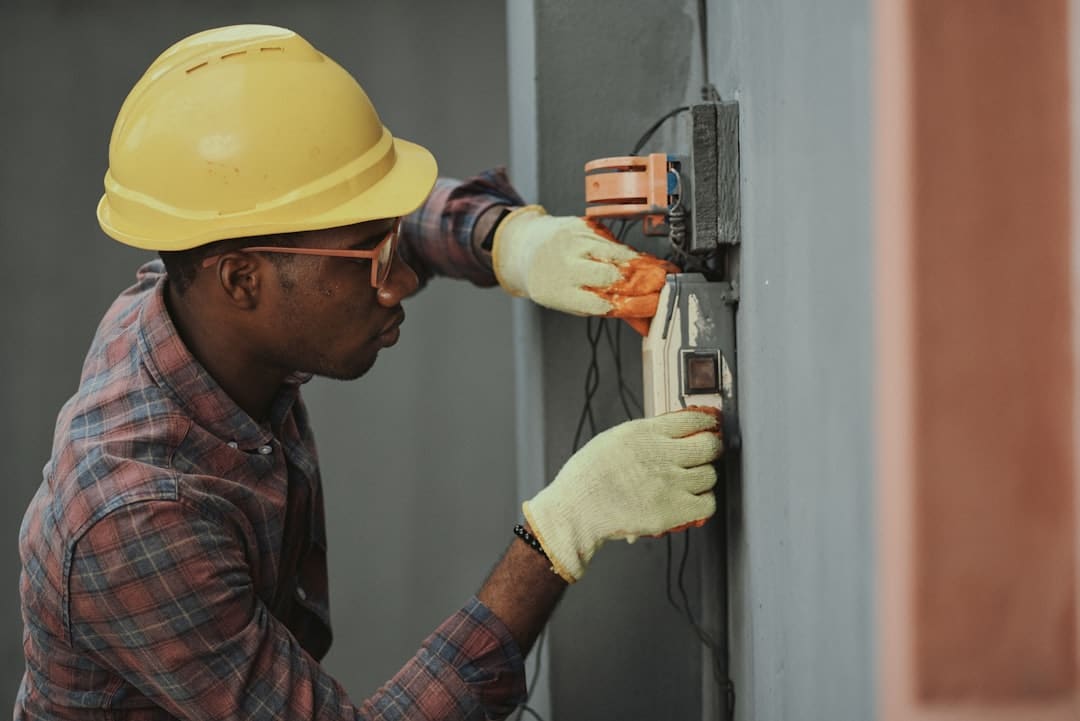
When we talk about a residential electrician, we aren’t just talking about someone who swaps out a lightbulb. These professionals are the backbone of your home’s infrastructure. Their primary job is to ensure that electricity flows safely and efficiently from the utility lines into your various appliances, devices, and lighting fixtures.
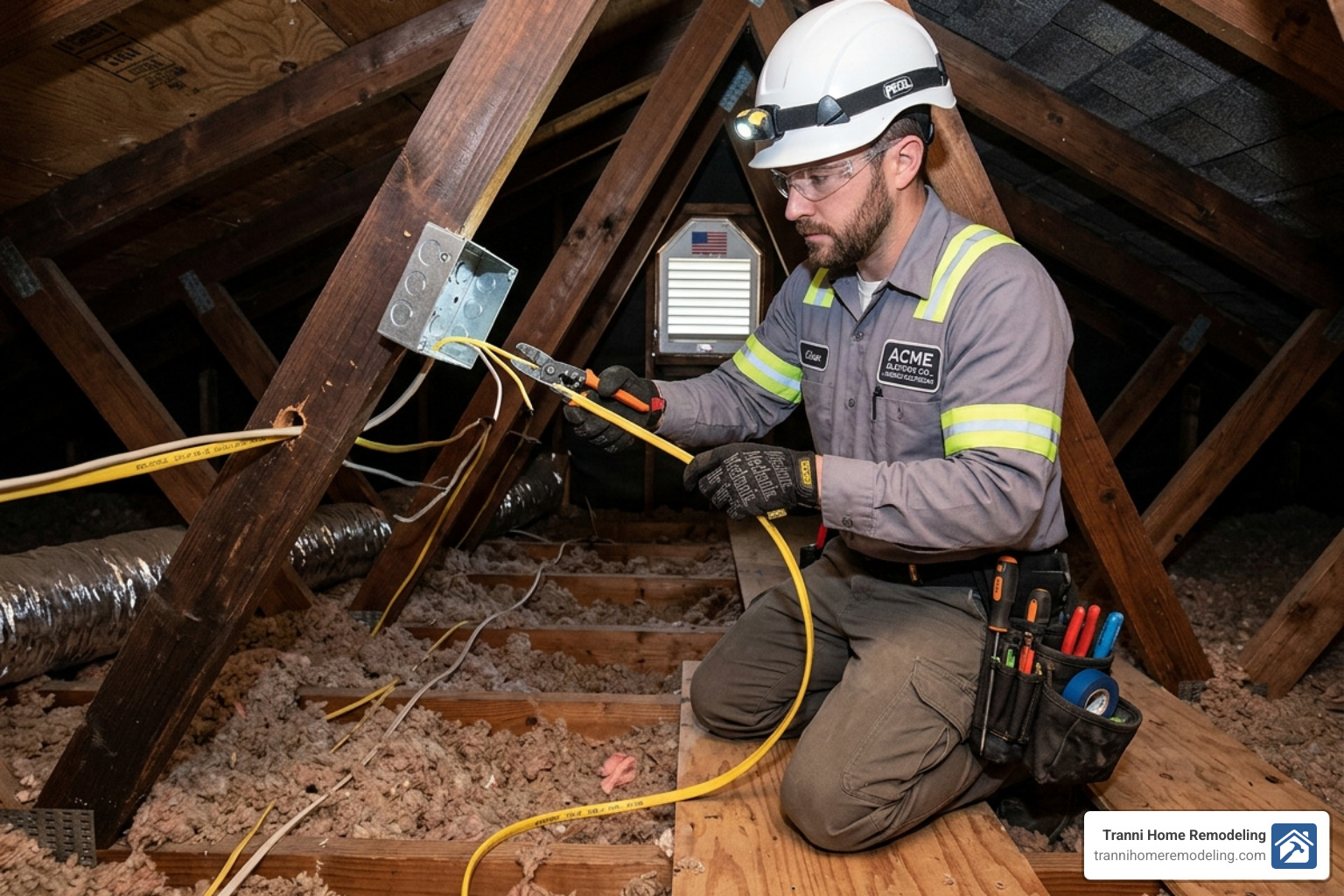
In a typical day, a residential-electrical-service expert might be found crawling through an attic in Bedford to run new wires for a home addition or standing in a basement in Billerica troubleshooting a circuit breaker that keeps tripping. They are responsible for the residential electrical wiring that powers your life. This includes installing service panels, setting up grounding systems, and ensuring every outlet in your kitchen or bathroom is protected by a Ground Fault Circuit Interrupter (GFCI) to prevent shocks.
Beyond just installations, they are masters of diagnostics. If you have a “ghost” in your walls—lights that flicker when the microwave turns on or outlets that feel warm to the touch—a pro will use specialized tools to find the loose connection or overloaded circuit before it turns into a hazard. For more details on the scope of these professionals, you can look into Home Electrical Services.
The Role of a Residential Electrician vs. Technicians
It is common to hear the terms “electrician” and “electrical technician” used interchangeably, but in our industry, they represent two very different career paths.
A residential electrician focuses on the building’s “envelope.” They work with the high-voltage wiring that runs through your walls, ceilings, and floors. Their expertise lies in branch circuits, feeder lines, and the overall residential-electrical-wiring that connects your home to the grid.
On the other hand, an electrical technician usually works on the systems within machinery or specialty equipment. Think of a technician as the person who fixes a complex HVAC control board or a piece of factory equipment. While both roles require a deep understanding of electricity, the electrician is the one you need when you are remodeling your kitchen or finishing your basement.
Education and Licensing Requirements
Becoming a residential electrician isn’t something that happens overnight. It requires a rigorous combination of classroom learning and thousands of hours of hands-on experience. In Massachusetts, the path is clearly defined to ensure public safety.
- Apprenticeship: This is the entry point. An apprentice works under the direct supervision of a licensed pro, learning the trade while attending technical classes. This phase typically lasts 4 to 5 years.
- Journeyman Electrician: After completing their apprenticeship and passing a state exam, they become a Journeyman. This allows them to work independently on most residential projects.
- Master Electrician: This is the highest level of licensing. A Master Electrician has usually spent several years as a Journeyman and has passed an advanced exam covering complex codes and business law. They are the ones authorized to pull permits and run electrical contracting businesses.
When you hire a pro, you are paying for this decade of specialized training. For a look at how top-tier professionals maintain their standards, check out A+ Rated Residential Electrician Services.
Essential Services Provided by a Residential Electrician
In the older homes we often work on in towns like Concord and Lexington, the electrical needs of a modern family often exceed what the original wiring was designed to handle. This is where electrical-panel-upgrades become essential. If your home still has a fuse box or an old 100-amp service, you are likely struggling to run a central AC, a dishwasher, and a home office simultaneously.
Upgrading to a new service panel isn’t just about “more power”; it’s about safety. Modern panels use advanced circuit breakers that are much more sensitive to faults than older systems. When we perform a new-electrical-panel-old-wiring project, we ensure that the backbone of the home is ready for the next 30 years of use.
Modern Upgrades with a Residential Electrician
As technology evolves, so do the requests we get during our remodeling projects. We are seeing a massive surge in homeowners looking for “future-proof” upgrades.
One of the most popular requests is installing a new 200-amp service panel to support an EV charger in the garage. Electric vehicles require a significant amount of sustained current, and a professional residential electrician must calculate the home’s total load to ensure the charger doesn’t blow the main breaker every time it’s plugged in.
Smart home integration is another high-demand area. This includes everything from smart switches and dimmers to whole-home surge protection. Furthermore, many families are switching to best-led-lighting-installation-services to reduce energy bills and improve the ambiance of their renovated bathrooms or kitchens.
Average Costs for Common Electrical Projects
Budgeting for electrical work can be tricky because every home is unique. Based on general internet data, here are the average cost ranges you might encounter. Please note that these are national averages and not the specific pricing for Tranni Home Remodeling.
- Main Panel Upgrade (100 to 200 Amps): $1,200 – $5,500+ (High-end costs reflect complex rewiring or moving the service entrance).
- EV Charger Installation: $400 – $2,500+ (Depending on the distance from the panel and the need for a circuit upgrade).
- Outlet or Switch Replacement: $150 – $600 per unit (Usually includes a service call fee).
- Whole-Home Rewire: $8,000 – $30,000+ (Highly dependent on square footage and wall access).
For a deeper dive into how pros bill for their time, see electrician-cost-per-hour-near-me.
Why Demand for Home Electrical Work is Surging
If you’ve tried to book a residential electrician in Middlesex County recently, you know they are incredibly busy. There are several factors driving this demand. First, the U.S. population is growing by about 2 million people per year, which keeps the new construction industry humming.
Second, our local infrastructure is aging. Many homes in towns like Wilmington and Tewksbury were built decades ago and are in desperate need of residential-electrical-maintenance. As people stay in their homes longer, they are choosing to invest in upgrading-electrical-in-old-home projects rather than moving.
Finally, the “electrification” of the home is real. We are moving away from gas appliances toward high-efficiency electric heat pumps, induction stoves, and electric water heaters. All of these require specialized circuits that only a pro can install.
Job Outlook and Industry Statistics
The career outlook for those entering the electrical trade is exceptionally bright. According to the Bureau of Labor Statistics (BLS):
- Job Growth: The field is expected to grow by 6% through 2032.
- New Opportunities: Over 49,200 new jobs are projected to open up in the coming years.
- Earnings: The median annual salary for an electrician is approximately $60,240, which is nearly $10,000 higher than the average for all other construction and trade occupations.
This stability makes it a highly sought-after profession. You can find more about the Electrician Job Outlook Research to see why this trade is a pillar of the modern economy.
Choosing a Reliable Pro in Billerica and Beyond
When you are looking for the best-home-electrician-near-me, you shouldn’t just pick the first name that pops up on a search engine. In our local area—from Chelmsford to Dracut—word of mouth and verified credentials are your best friends.
A reliable residential electrician should always:
- Be Licensed and Insured: Never hesitate to ask for their license number and proof of insurance. This protects you if an accident happens on your property.
- Provide Upfront Pricing: A pro should be able to give you a clear estimate before they start turning screws.
- Have Local Expertise: Someone familiar with the specific building codes in Middlesex County will ensure your project passes inspection the first time.
- Maintain a Clean Workspace: As we always say at Tranni Home Remodeling, a professional treats your home with respect, using floor protection and cleaning up after the job is done.
For more tips on vetting your contractors, see Professional Residential Electrical Services.
Frequently Asked Questions about a Residential Electrician
What is the difference between a residential electrician and an electrical technician?
As mentioned earlier, a residential electrician manages the building’s core power systems (wiring, panels, and outlets). An electrical technician typically focuses on maintaining and repairing specific machinery, factory equipment, or complex electronic devices. If your house needs wiring, call an electrician. If your specialized industrial CNC machine is down, call a technician.
What are the most common electrical problems in older homes?
In our experience working across Massachusetts, the most frequent issues include:
- Tripping Breakers: Usually a sign of an overloaded circuit.
- Flickering Lights: Often caused by loose wiring or a failing service entrance.
- Burning Smells: This is an emergency! It often indicates arcing or melting insulation.
- Outdated Panels: We frequently help homeowners replace-federal-pacific-panel units, which are known safety hazards in older properties.
How do I know if I need a 200-amp panel upgrade?
You likely need an upgrade if you are planning to:
- Install a Level 2 EV charger.
- Add a ductless AC system.
- Build a major home addition.
- Switch from gas to electric for your stove or dryer. If you find yourself constantly playing “musical chairs” with your appliances to avoid tripping the breaker, it’s time to change-100-amp-panel-to-200-amp.
Conclusion
At Tranni Home Remodeling, we believe that a beautiful home must first be a safe home. Whether we are helping you with a kitchen remodel in Woburn or a bathroom renovation in Reading, we always prioritize the integrity of your electrical system.
Based in Billerica, MA, our team has spent over a decade delivering high-quality craftsmanship to our neighbors in Andover, Burlington, Winchester, and throughout Middlesex County. We know that the right residential electrician is an investment in your family’s peace of mind.
Don’t gamble with DIY wiring. When you’re ready to upgrade your home’s appeal and safety, trust the experts who understand the “big picture” of home renovation. More info about our electrical services is just a click away. Let’s work together to make your next home project a bright success!