




Why HVAC Installation Services Matter for Your Home’s Comfort
HVAC Installation Services are professional solutions that ensure your home’s heating, cooling, and ventilation systems are properly sized, installed, and optimized for performance. For residential homeowners, here’s what you need to know:
- What they include: Home assessment, load calculations, equipment selection, professional installation, system testing, and homeowner education
- Average cost: Based on internet data, residential HVAC installation can range widely from $7,000 to $30,000+, depending on system type, home size, and efficiency ratings. These are general averages from online sources and not actual prices for Tranni Home Remodeling.
- Why it matters: Professional installation ensures optimal performance, energy efficiency, safety, and extends your system’s lifespan
- Key benefit: Properly installed systems can save up to 20% on heating and cooling bills compared to poorly installed units
Your home’s HVAC system is a major investment affecting your comfort, energy bills, and health. However, even the best equipment will underperform if not installed correctly. Professional installation is key to saving energy, improving performance, and ensuring your system’s longevity.
Professional installation is non-negotiable because most homeowners lack the specialized tools and expertise to properly measure static pressure or refrigerant levels—factors that are critical for system performance and longevity. This is why relying on a certified expert is essential.
I’m Tyler Tranni, owner of Tranni Home Remodeling in Billerica, MA, and I’ve spent years helping homeowners steer complex home improvement projects, including coordinating professional HVAC Installation Services that ensure optimal comfort and efficiency. My focus is always on connecting homeowners with quality craftsmanship that stands the test of time.
HVAC Installation Services helpful reading:
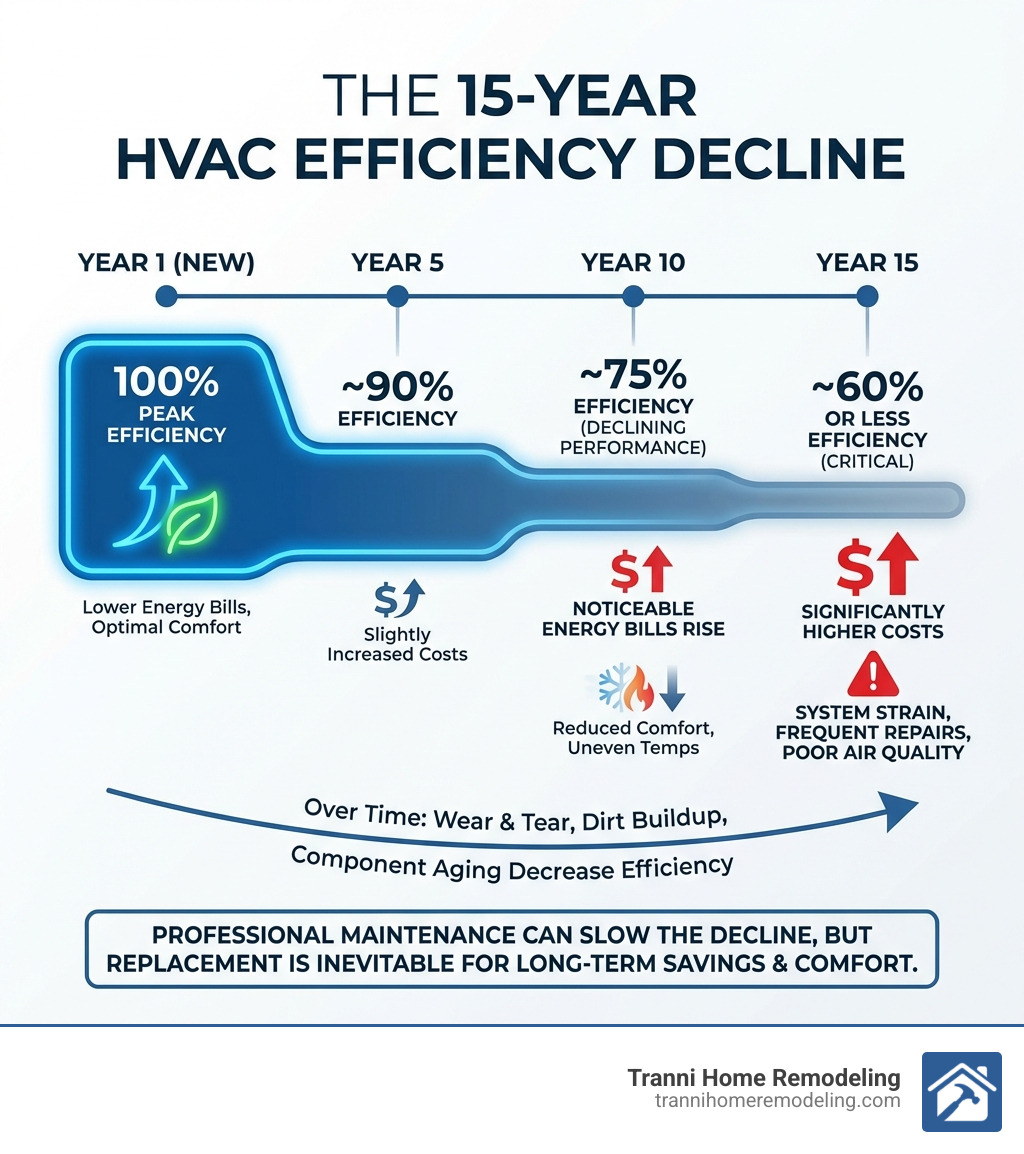
Is It Time for a New HVAC System? Key Warning Signs
Knowing when your residential HVAC system is failing can save you headaches, discomfort, and money. For homeowners from Winchester to Wilmington, it’s important to watch for these tell-tale indicators that it might be time for a replacement:
- System Age Over 10 Years: Systems over a decade old are naturally less efficient. They run at a higher energy cost with reduced performance compared to modern, more efficient units.
- Rising Energy Bills: Unexplained increases in your heating and cooling costs are a classic sign your system is working too hard. An aging, inefficient unit can be a significant financial drain, and upgrading could lead to substantial savings.
- Frequent, Costly Repairs: If repairs are frequent, or a single repair costs nearly half the price of a new system, replacement is the smarter financial choice. Investing in a new, reliable model avoids the risk of continuous repair bills.
- Inconsistent Temperatures: If some rooms are too hot while others are too cold, your system is likely failing to distribute air effectively or may be improperly sized for your home.
- Strange Noises or Odors: Grinding, squealing, or musty smells are warnings of mechanical failure, mold, or other serious issues that need immediate attention.
- Poor Indoor Air Quality: Increased allergies, dust, or stuffiness can mean your system isn’t filtering air or managing humidity properly. Modern systems offer advanced features to significantly improve air quality.
Replacing your system is an investment in your home’s comfort, efficiency, and health.
Choosing the Right HVAC System for Your Home
Choosing a new residential HVAC system can feel daunting. This guide covers the main types of Heating, Ventilation, and Air Conditioning systems and key factors to consider for your home in areas like Billerica or Burlington.
Main Types of HVAC Systems
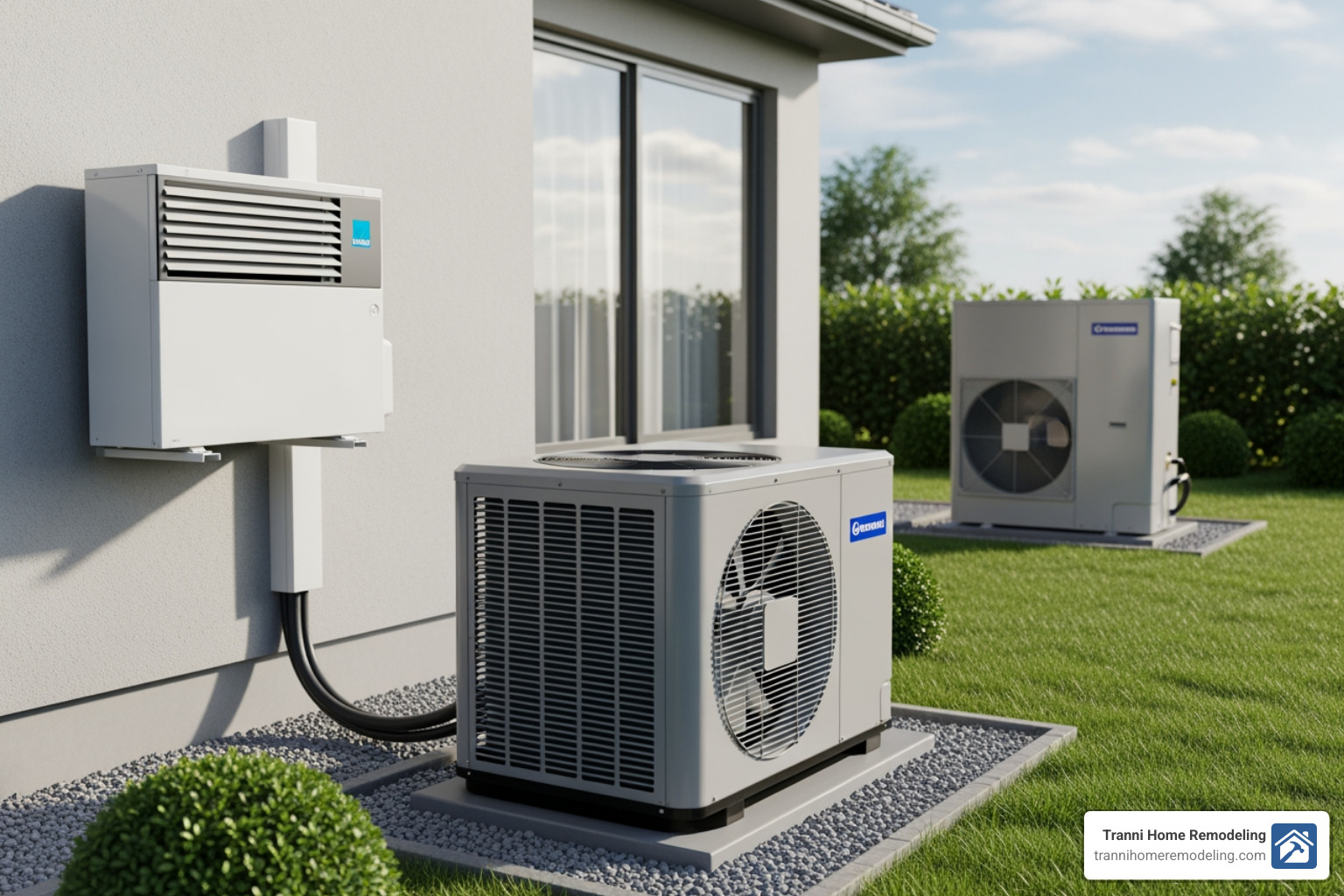
Each residential HVAC system has its own strengths and ideal applications for keeping your home comfortable:
- Central Air & Furnace: The most common residential setup, where a central AC and a furnace (gas or oil) use the same ductwork and thermostat for unified climate control.
- Ductless Mini-Split Air Conditioner: Ideal for homes without ductwork or for zoned comfort. An outdoor unit connects to multiple indoor units, offering flexible and highly efficient heating and cooling. They are a great solution for older homes in areas like Wilmington. Learn more with our guide on Ductless Mini-Split Air Conditioner.
- Mini Split Heat Pump: This all-in-one system provides both cooling and heating by moving heat rather than generating it, making it extremely energy-efficient, even in cold Massachusetts winters. Explore this option at Mini Split Heat Pump.
- Packaged Units: These all-in-one systems combine heating and cooling components into a single outdoor unit, perfect for homes with limited indoor space.
Key Factors to Consider in Your Decision
Choosing the right residential HVAC system involves evaluating several critical factors:
- Home Size & Layout: Proper sizing is critical. An undersized unit runs constantly, while an oversized one cycles inefficiently. A professional load calculation is essential to determine the right size for your home (e.g., a 2,000 sq. ft. home often needs a 3.5 to 4-ton system, but this is just a guideline).
- Local Climate: The New England climate, with hot summers and cold winters, requires a robust system. Modern heat pumps are now an efficient option even for our cold climate in towns like Chelmsford and Dracut.
- Budget: Consider both the upfront installation cost and long-term operating expenses. Higher-efficiency systems may cost more initially but save you money on utility bills over time.
- Indoor Air Quality (IAQ) Features: If allergies are a concern, look for systems with advanced filtration, humidifiers, or dehumidifiers to improve your home’s air quality.
- Ductwork Condition: For central systems, leaky or poorly designed ducts can waste significant energy. If ductwork is not feasible, Ductless Heating and Cooling Systems are an excellent alternative.
Understanding Energy Efficiency Ratings
These ratings are key indicators of your system’s energy consumption and potential savings.
- SEER2 (Seasonal Energy Efficiency Ratio 2): Measures cooling efficiency for air conditioners and heat pumps. Higher numbers mean greater efficiency. The current minimum in our region is 13.4.
- AFUE (Annual Fuel Utilization Efficiency): Measures furnace/boiler efficiency in converting fuel to heat. We recommend 90% AFUE or higher for Massachusetts homes.
- HSPF2 (Heating Seasonal Performance Factor 2): Measures the heating efficiency of heat pumps. A higher number indicates better performance.
- ENERGY STAR Certification: This label signifies that a product meets strict EPA energy efficiency guidelines, often qualifying for rebates or tax credits.
| Efficiency Rating | System Type | What it Measures | Potential Annual Energy Savings (Approx.) |
|---|---|---|---|
| SEER2 (13.4-20+) | Air Conditioners/Heat Pumps | Cooling | 10-30% vs. older models |
| AFUE (90%+) | Furnaces | Heating | 15-25% vs. older, less efficient furnaces |
| HSPF2 (7-10+) | Heat Pumps | Heating | 10-20% vs. electric resistance heating |
The Professional HVAC Installation Process: A Step-by-Step Guide
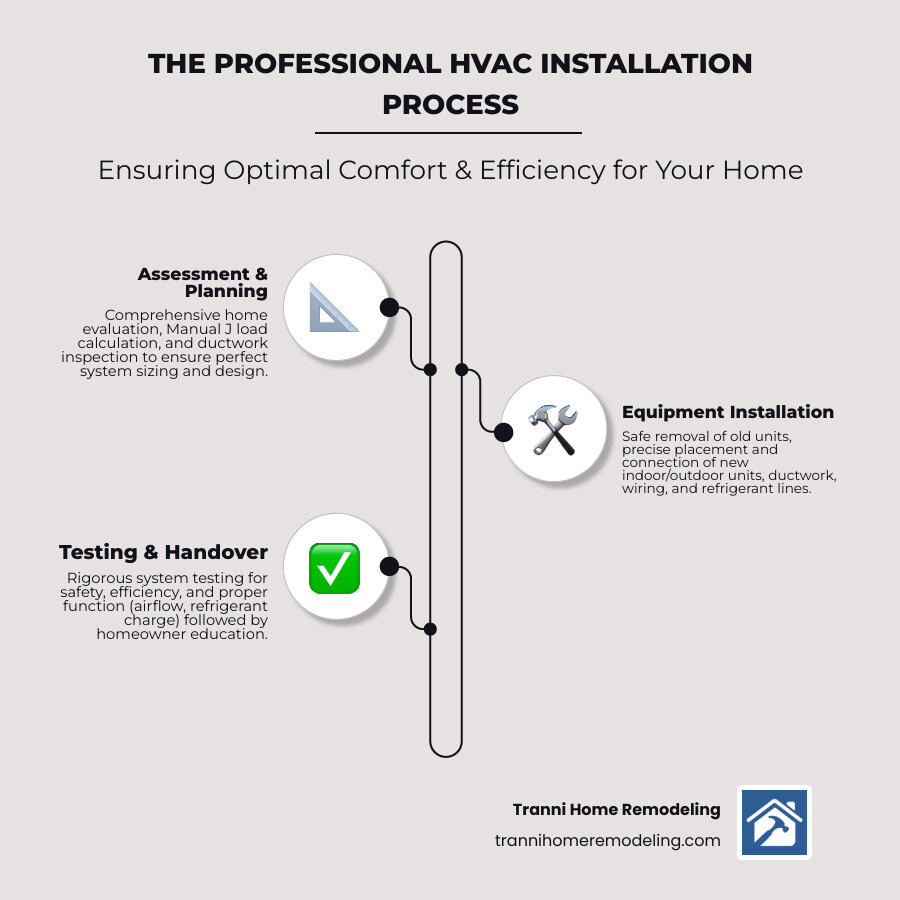
A quality residential installation is crucial for your new system’s performance and longevity. It’s a precise process that ensures everything works together seamlessly. Here’s what to expect from a professional AC Installation.
Step 1: Home Assessment and Load Calculation
The process begins with a thorough assessment of your home to understand your unique heating and cooling needs.
- Professional Evaluation: Our team inspects your home’s structure, insulation, windows, and sun exposure. This is vital for HVAC Installation for Older Homes in areas like Stoneham or Tewksbury.
- Manual J Load Calculation: This industry-standard calculation determines the exact HVAC system size your home needs, ensuring it’s not oversized or undersized. This is a key part of a HVAC Quality Installation.
- Ductwork Inspection: We inspect existing ductwork for leaks or damage, as these can waste energy and compromise airflow.
- Electrical System Check: We verify your electrical panel can support the new system and identify any necessary upgrades.
Step 2: Equipment Removal and Site Preparation
After determining the right system, we prepare your home for the installation.
- Safe Removal of Old Unit: Our team carefully disconnects and removes your old indoor and outdoor units.
- Compliant Refrigerant Recovery: We follow strict EPA regulations for safely recovering refrigerant from old units.
- Preparing the Installation Location: We prepare the site, ensuring proper clearances and a level base for outdoor units to promote airflow and prevent water damage.
- Protecting Your Home: We use drop cloths and maintain a clean work area to protect your property during installation.
Step 3: New System Installation and Connections
Our skilled HVAC Technician team installs your new system according to manufacturer specifications.
- Placing Indoor/Outdoor Units: The new units are precisely positioned for optimal performance.
- Connecting Ductwork: We create airtight seals when connecting the system to your ductwork to prevent energy loss.
- Electrical Wiring: All electrical connections are made safely and to code.
- Refrigerant Line Installation: Refrigerant lines are installed, pressure-tested, and sealed to prevent leaks.
- Condensate Drain Setup: A drain line is installed to remove moisture and prevent water damage.
Step 4: System Testing and Homeowner Walkthrough
We don’t leave until we’ve confirmed perfect operation and you’re comfortable with your new system.
- Checking Refrigerant Charge: We precisely measure the refrigerant charge to manufacturer specifications. An incorrect charge reduces efficiency and can cause system failure.
- Testing Airflow: We test airflow to ensure it meets specifications for even air distribution. Poor airflow reduces efficiency and comfort.
- Calibrating Thermostat: Your new thermostat is calibrated and programmed for accurate temperature control.
- System Testing for Safety and Efficiency: We run a full suite of tests to confirm the system operates safely, efficiently, and quietly.
- Homeowner Education on Operation and Maintenance: We walk you through your new system, explaining its operation, basic maintenance tips, and warranty information.
Why Professional HVAC Installation Services are Non-Negotiable
Heating and Air Conditioning installation is a complex job requiring certified expertise. Professional residential HVAC installation ensures significant safety benefits and long-term cost savings.
Professional Installation vs. Improper Installation
Proper installation is critical for your residential HVAC system’s performance and safety.
The Risks of Improper Installation:
- Safety Hazards: Working with high-voltage electricity, refrigerants, and heavy equipment requires proper training and certification.
- Code Violations: Improper installations often violate local building codes, leading to fines and safety hazards.
- Voided Warranties: Most manufacturers require professional installation to validate their warranties.
- Poor Performance: Improper sizing, sealing, and charging lead to underperformance, discomfort, and high energy bills.
- Higher Long-Term Costs: Incorrect installation causes premature wear, frequent breakdowns, and a shortened lifespan, costing more in the long run.
The Benefits of Professional Installation:
- Expertise: Professionals have the training and certifications to handle complex installations.
- Proper Tools: They use specialized tools for precise measurements and calibration.
- Efficiency: A professional installation is optimized for maximum energy efficiency and lower utility bills.
- Longevity: Correct installation reduces stress on components, extending your equipment’s life.
- Warranty Protection: Your investment is protected by both manufacturer and labor warranties.
- Peace of Mind: Enjoy consistent comfort knowing your system was installed safely and correctly.
The importance of quality installation by certified professionals cannot be overstated.
What a ‘Quality Installation’ Guarantees for Your Home
A quality residential installation ensures every component works in harmony to deliver optimal comfort and efficiency.
- Proper Sizing: An accurate Manual J load calculation ensures your system is neither too big nor too small.
- Optimized Airflow: We ensure ductwork is sealed and airflow meets manufacturer specifications to prevent inefficiency and discomfort.
- Correct Refrigerant Charge: A precise refrigerant charge is critical for peak efficiency and preventing system failure.
- Sealed Ductwork: We test and seal ducts to prevent energy waste. Proper attic insulation can also save up to 20% on energy bills.
- System Longevity: Adhering to best practices minimizes wear and tear, extending your system’s operational lifespan.
Budgeting for Your New HVAC System
A new residential HVAC system is a significant long-term investment in your home’s comfort and value. Understanding the costs involved will help you make an informed decision.
Understanding the Average Costs of HVAC Installation Services
The average cost of residential HVAC Installation Services can vary widely. Based on internet data, installing a full residential HVAC system typically ranges from $7,000 to $30,000+, and on the very high end for complex installations, large homes, or high-end systems, total costs can exceed $50,000. It’s crucial to remember that these are average costs based on internet data and not actual costs for Tranni Home Remodeling. We always provide detailed, transparent quotes custom to your specific project.
Factors influencing these costs include:
- System Type: Central AC, heat pumps, and ductless mini-splits have different costs.
- Efficiency Level: Higher-efficiency (SEER2, AFUE, HSPF2) systems cost more upfront but provide long-term savings.
- Home Size: Larger homes need larger, more expensive systems.
- Ductwork: The cost increases if new ductwork or extensive repairs are required.
- Electrical Upgrades: Older homes in areas like Woburn or Reading may need panel upgrades.
- Labor & Permits: Installation complexity and local permit fees in towns like Dracut will affect the final price.
For more insights into managing these expenses, explore our Affordable HVAC Installation Services guide.
Financing, Rebates, and Tax Credits
We are committed to helping you explore options to make your new residential HVAC system affordable.
- Contractor Financing Options: Many HVAC companies, including Tranni Home Remodeling, offer flexible financing plans to help spread the cost of your new system over time.
- Federal Tax Credits: The U.S. government often provides tax credits for homeowners who install high-efficiency, ENERGY STAR certified equipment.
- Local Utility Rebates: Massachusetts utility companies frequently offer rebates for upgrading to energy-efficient residential HVAC systems.
- Manufacturer Promotions: Look for seasonal promotions and rebates from HVAC manufacturers for additional savings.
Our team can help you steer these options to ensure you take advantage of every available saving opportunity.
Finding and Choosing the Right HVAC Contractor
Choosing the right HVAC Installer Near Me is just as important as the system itself. A poor installation can ruin even the best equipment. As a trusted residential contractor serving communities from Billerica to Burlington, we want to help you make the right choice.
Where to Find Qualified HVAC Installation Services
Knowing where to look is key to finding a qualified contractor:
- Manufacturer Networks: Leading HVAC manufacturers maintain networks of factory-authorized dealers who meet high standards.
- Local Reviews and Referrals: Word-of-mouth and online reviews on platforms like Google from neighbors in towns like Woburn or Winchester are invaluable.
- Look for Industry Credentials: Check if a contractor is affiliated with professional organizations that uphold quality installation standards.
- Local Service Areas: Search for contractors who explicitly serve your town, such as Chelmsford, MA or Burlington, MA.
Vetting Your Contractor: What to Look For
Once you have a few candidates, vet them thoroughly with these questions:
- Licensing and Insurance: Verify the contractor is licensed in Massachusetts and carries both liability and worker’s compensation insurance.
- Written Estimates: Insist on a detailed, itemized written estimate. Avoid vague or verbal quotes.
- Experience and Certifications: Look for a proven track record and technicians with certifications like NATE.
- Warranties (Parts & Labor): Understand the manufacturer’s warranty on parts and the contractor’s warranty on labor. Some manufacturers offer extended warranties for specific component failures.
- After-Sales Support: A reputable contractor offers maintenance plans and prompt service. Look for a company that provides comprehensive HVAC Installation and Maintenance services.
Frequently Asked Questions about HVAC Installation
We often hear similar questions from homeowners considering new HVAC Installation Services. Here are some of the most common ones we address:
How much HVAC do I need for a 2,000 sq. ft. home?
While a 2,000 sq. ft. home often uses a 3.5 to 4-ton (42,000–48,000 BTUs) system, this is only an estimate. Factors like insulation, window efficiency, and ceiling height are critical. The only way to determine the correct size is with a professional Manual J load calculation from a qualified HVAC Technician. This prevents the inefficiency and discomfort caused by an improperly sized unit.
How long does a typical HVAC installation take?
A standard, full-system residential replacement typically takes 1 to 3 days. The timeline may be longer if the job is complex, such as requiring new ductwork or electrical upgrades. We provide a clear timeline during our initial assessment.
Can a new HVAC system improve my home’s indoor air quality?
Absolutely. Modern residential HVAC systems can significantly improve indoor air quality (IAQ). They can be equipped with advanced air purifiers, high-MERV filters, humidifiers, and dehumidifiers to reduce allergens, dust, and pollutants, creating a healthier and more comfortable indoor environment for your family.
Conclusion: Invest in Your Home’s Comfort and Efficiency
Installing a new HVAC system is a major investment in your home’s comfort, value, and efficiency. While choosing the right system is important, the most critical factor is a quality installation by a certified professional. Expert installation guarantees optimal performance, energy savings, and a longer equipment lifespan, preventing future headaches and costs.
For homeowners in the area, including towns like Billerica, MA, Chelmsford, MA, and Burlington, MA, partnering with an experienced team like Tranni Home Remodeling ensures a quality installation from start to finish. We bring over a decade of home renovation expertise to every project. Ready to upgrade your home’s comfort? Explore our expert HVAC Installation Services to get started.
